Truly Crispy Greek Potato Recipe with Lemon Flavor
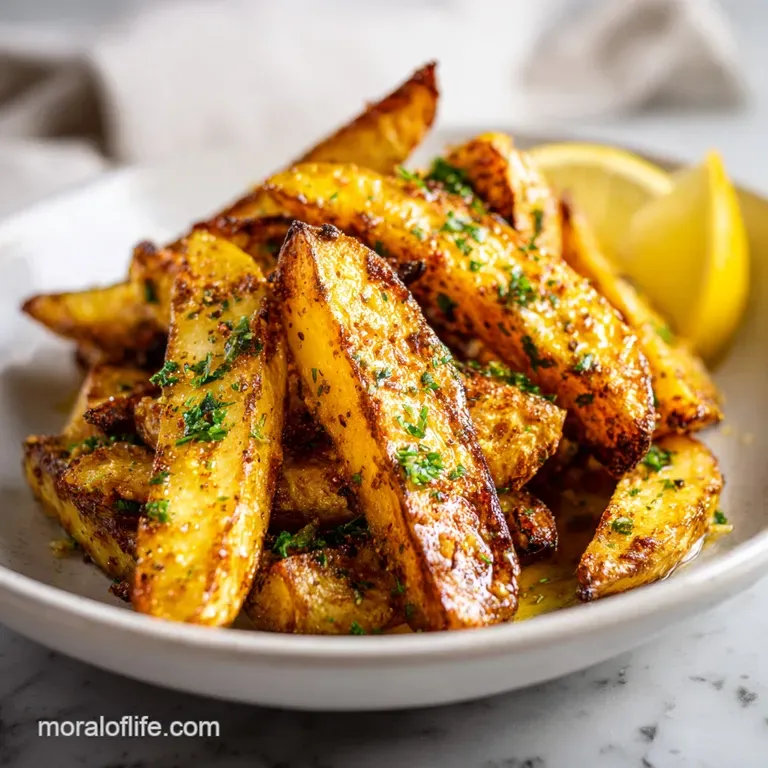
- Time: Active 10 minutes, Passive 45 minutes, Total 55 minutes
- Flavor/Texture Hook: Glass shattering exterior with a velvety, lemon infused center.
- Perfect for: A dependable Sunday roast or a simple weeknight side dish.
- Secret to Truly Crispy Greek Potato Recipe with Lemon Flavor
- Dependable Stats for This Recipe
- The Essential Pantry Items Needed
- Tools for a Golden Roast
- Step by Step Roasting Guide
- Solutions for Common Potato Errors
- Flavor Swaps and Regional Tweaks
- Storing and Reheating Your Leftovers
- Main Courses That Match Perfectly
- Recipe FAQs
- 📝 Recipe Card
Secret to Truly Crispy Greek Potato Recipe with Lemon Flavor
The first time I tried these, I was sitting in a tiny, sun drenched taverna on the coast of Crete, watching the waves roll in. The waiter brought out a plate of potatoes that looked like glowing gold nuggets, smelling intensely of wild oregano and bright citrus.
I expected them to be soft, maybe even a bit soggy from the lemon juice, but the first bite was a literal revelation of sound a loud, satisfying shatter that gave way to a center so creamy it felt like butter.
Get ready for a truly crispy Greek potato recipe with lemon flavor that will be your new favorite side dish.
I spent years trying to replicate that specific crunch back in my own kitchen on a normal Tuesday. I’ve had my fair share of failures, mostly involving potatoes that stuck to the pan or came out tasting like boiled lemon water.
It wasn't until I started treating the potato surface like a science project that things clicked. The secret isn't just the heat; it's how you prep the outside of the spud to grab onto the fat and the flavor.
This isn't just another roasted potato; it's a dependable method you can repeat with confidence every single time you need a bit of comfort.
Dependable Stats for This Recipe
We’ve all been there expecting a quick side dish only to realize the potatoes are still rock hard forty minutes in. This breakdown helps you plan your evening so you aren't hovering over the oven door.
While some recipes suggest a low and slow roast, we’re going for high impact heat to get that crust moving before the lemon juice has a chance to soften the exterior.
The Physics of the Shatter: Baking soda raises the pH of the water, breaking down the potato's pectin and creating a starchy "slurry" on the surface. When this slurry hits the hot oil, it dehydrates into a micro textured crust that stays crisp even after the lemon broth is added.
| Cooking Method | Total Time | Texture Outcome | Best For |
|---|---|---|---|
| over High heat Oven | 45 minutes | Maximum glass like shatter | Traditional Sunday roast |
| Air Fryer | 25 minutes | Even browning, less "fuzz" | Quick weeknight dinner |
| Stovetop/Pan | 35 minutes | Patchy crispness, softer inside | Small 1 person servings |
Choosing the right method depends on how many people you're feeding. For a full family of five, the oven is your best friend because it allows the potatoes enough space to breathe. If you crowd them, they’ll steam instead of roast, and you'll lose that signature sound when your fork hits the plate.
The Essential Pantry Items Needed
Before you start peeling, let’s talk about why these specific components matter. You aren't just tossing things in a bowl; you're building layers of flavor. For instance, using Yukon Gold potatoes is non negotiable for me because they hold their shape while maintaining a velvety interior that waxy potatoes just can't match.
Component Analysis
| Ingredient | Science Role | Pro Secret |
|---|---|---|
| Yukon Gold Potatoes | High starch/medium sugar | These naturally brown better than red skinned varieties. |
| Fresh Lemon Juice | Acidic tenderizer | Brightens the heavy fats and helps the crust set. |
| Dried Greek Oregano | Aromatic oil release | Rub it between your palms to "wake up" the dried oils. |
| Semolina | Textural grit | Creates tiny mountains on the surface for extra crunch. |
If you find yourself out of Yukon Golds, you might be tempted to reach for whatever is in the pantry. While you can use other types, the results will vary slightly. If you’re a fan of a different vibe entirely, you might enjoy the sweetness of a Crock Pot Sweet Potatoes recipe which offers a completely different, softer profile for a busy week.
Tools for a Golden Roast
You don't need a kitchen full of gadgets, but a couple of specific items make a world of difference. A heavy duty rimmed baking sheet (sometimes called a half sheet pan) is essential.
It distributes heat evenly and prevents the oil from dripping into the bottom of your oven, which is a mess nobody wants to clean up on a Tuesday.
- Large Stockpot: You need enough room for the 1.5 kg of potatoes to dance around in the water.
- Metal Colander: Essential for the "rough up" phase; plastic won't give you the same abrasive surface.
- Whisk: To emulsify the lemon juice, broth, and oil into a thick lacquer.
- Wooden Spoon: Sturdy enough to toss the potatoes without breaking them into mush.
Chef's Tip: Preheat your baking sheet in the oven for 10 minutes before adding the potatoes. When the oiled spuds hit that hot metal, you’ll hear a magnificent sizzle that jumpstarts the crust formation immediately.
step-by-step Roasting Guide
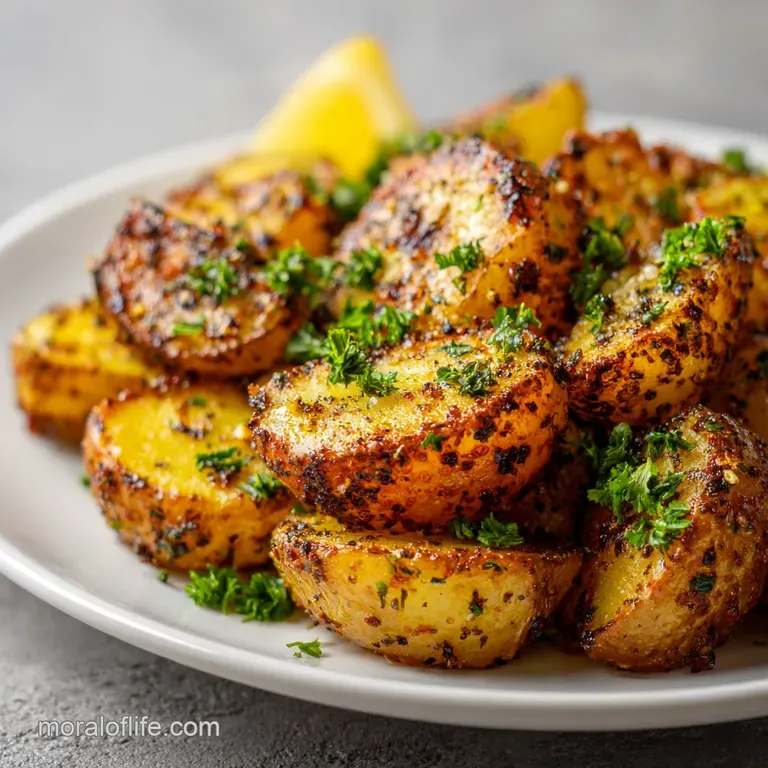
- Prep the spuds. Peel 1.5 kg Yukon Gold potatoes and cut them into large, uniform wedges. Note: Uniformity ensures they all finish cooking at the exact same moment.
- Boil the water. Fill a pot with water and add 1 tsp baking soda and 1 tbsp kosher salt.
- Par boil. Simmer the wedges for 8 minutes until the edges are soft but the center is firm.
- Drain and rough. Dump the potatoes into a colander and shake them vigorously. Note: This creates a starchy "fuzz" that turns into the crispy crust later.
- Create the lacquer. Whisk 120 ml olive oil, 80 ml lemon juice, 120 ml broth, and 4 minced garlic cloves in a large bowl.
- Coat the potatoes. Gently fold the potatoes into the emulsion along with 2 tbsp oregano, 1 tsp sea salt, and 0.5 tsp pepper.
- Add the grit. Sprinkle 0.5 tsp semolina over the potatoes and toss one last time.
- Arrange. Spread them on the hot baking sheet in a single layer. Listen for the sizzle.
- Roast. Bake at 200°C for 25 minutes.
- Flip and finish. Turn the wedges and roast for another 20 minutes until they are deep gold and crackling.
Solutions for Common Potato Errors
Even with a dependable recipe, things can go sideways. The most common heartbreak is the "Soggy Bottom" syndrome. This usually happens because there is too much liquid in the pan or the potatoes were too close together. If you’re looking for a more "set it and forget it" style without the over high heat stress, you could always pivot to a Cheesy Potatoes Slow recipe for a different kind of comfort.
Why Your Potatoes Lack Crunch
If your wedges come out looking more like mashed potatoes than roasted gold, it’s usually a temperature issue. Your oven might be running cold, or you didn't let the potatoes steam dry long enough after boiling.
| Problem | Root Cause | Solution |
|---|---|---|
| Soft/Soggy Edges | Overcrowded pan | Use two pans or a larger sheet to allow air circulation. |
| Burnt Garlic | Minced too finely | Add the garlic during the last 15 minutes of roasting instead. |
| Stuck to Pan | Not enough oil | Ensure the potatoes are fully coated in the fat emulsion before roasting. |
Common Mistakes Checklist
- ✓ Never skip the baking soda; it's the key to the surface texture.
- ✓ Don't boil the potatoes until they fall apart; 8 minutes is usually the sweet spot.
- ✓ Ensure the oven is fully preheated to 200°C before the pan goes in.
- ✓ Let the potatoes sit in the colander for 2 minutes to let excess moisture evaporate.
- ✓ Use fresh lemon juice the bottled stuff lacks the enzymatic punch needed for the crust.
Flavor Swaps and Regional Tweaks
While the lemon and oregano combo is the gold standard for this dish, you can play around with the aromatics. I’ve tried replacing the oregano with fresh rosemary or thyme, which gives it a more "woodland" feel that's great for autumn.
| Original Ingredient | Substitute | Why It Works |
|---|---|---|
| Chicken Broth (120 ml) | Beef Broth (120 ml) | Adds a deeper, meatier umami flavor. Note: Will darken the potato color. |
| Semolina (0.5 tsp) | Cornmeal (0.5 tsp) | Similar gritty texture for crunch. Note: Slightly heartier flavor profile. |
| Fresh Lemon Juice (80 ml) | White Balsamic (60 ml) | Provides acidity with a touch of sweetness. Note: Less "zingy" than lemon. |
If you want to go in a completely different direction for a party, consider a Mediterranean Umami twist. Swap the oregano for za'atar and add a sprinkle of feta cheese right after they come out of the oven. The saltiness of the cheese against the tart lemon is something you'll repeat with confidence.
Storing and Reheating Your Leftovers
The tragedy of crispy potatoes is that they rarely stay that way in the fridge. The starch absorbs moisture from the air, turning those glass like edges into something a bit more rubbery. However, don't throw them out! You can keep them in an airtight container in the fridge for up to 3 days.
To bring back the life, skip the microwave it’s the enemy of the crunch. Instead, toss them back into a hot oven or an air fryer at 180°C for about 5 to 7 minutes. They won't be exactly the same as day one, but they’ll be close.
For zero waste, I like to chop up the leftovers and fry them with some onions for a breakfast hash the next morning. It's a great way to use up every bit of that lemony goodness.
Main Courses That Match Perfectly
These potatoes are the ultimate wingman for protein. Since they have such a bold, bright flavor, they pair beautifully with roasted meats. Think of a slow cooked leg of lamb or a simple roast chicken seasoned with salt and pepper. The acidity in the potatoes cuts through the richness of the meat fats perfectly.
If you’re doing a vegetarian spread, these spuds are substantial enough to be the star. Serve them alongside a big Greek salad with plenty of olives and a block of feta. Trust me, the combination of the hot, crispy potato and the cold, crisp cucumber is a match made in heaven.
You can also serve them with a dollop of thick tzatziki on the side the cool yogurt provides a velvety contrast to the shattered crust of the potato.
Three Ways to Level Up
- The Cheese Finish: Grate some aged Graviera or Parmesan over the hot wedges.
- The Herb Punch: Toss with fresh parsley and mint right before serving.
- The Spicy Kick: Add a pinch of red pepper flakes to the oil emulsion for a bit of heat.
Debunking Potato Lore
One myth I hear a lot is that you should soak potatoes in cold water for hours to remove starch. While that works for French fries, it’s actually counterproductive here. We want that surface starch to stay so we can turn it into a slurry. Another one is that lemon juice prevents browning.
In reality, the sugars in the lemon juice actually help the Maillard reaction along, giving you those deep brown, flavorful spots that we all crave.
Finally, some people think you have to use a lot of oil to get things crispy. While 120 ml might seem like a lot, it’s distributed across 1.5 kg of potatoes. Most of it stays in the pan or creates the crust; you aren't actually eating all of it.
The oil acts as a heat conductor, ensuring every nook and cranny of that roughed up surface gets blasted with heat. Stick to the measurements, and you'll have a dependable result every time.
Recipe FAQs
How to make lemony Greek potatoes?
Parboil, rough up the surface, then coat and roast. Cut potatoes uniformly, boil for 8 minutes with baking soda to soften the edges, and then shake them vigorously in a colander to create a starchy, fuzzy exterior.
This surface is what grabs the oil and lemon juice for ultimate crispness during roasting.
What spices are good in Greek potatoes?
Dried Greek oregano is essential, followed by garlic and salt. Rub the dried oregano between your palms before adding it to release its essential oils for maximum fragrance. For a richer flavor profile that cuts through the acid, try adding a dash of smoked paprika to the roasting mix.
How to make lemon potatoes crispy?
Why add lemon juice to potatoes?
Yes, lemon juice tenderizes the exterior slightly while adding essential bright flavor. The acid helps balance the richness of the olive oil, preventing the final dish from tasting too heavy. If you enjoy balancing rich fats with sharp acidity, you might also like our Lemon Caper Sauce recipe.
Can I use Russet potatoes instead of Yukon Golds?
No, Yukon Golds are strongly recommended for texture integrity. Russets break down too easily during the parboiling stage and will likely turn mushy when tossing with the lemon liquid. If you prefer a different style of potato preparation, you can see how Yukon Golds behave differently than sweeter varieties in our Daniel Fast Food recipe.
Is it true I must skip soaking the potatoes before boiling?
Yes, you must skip the long soak typically used for fries. For crispy Greek potatoes, we intentionally leave the surface starch intact so that shaking them creates the textured crust needed for shattering crispness. Soaking removes this crucial ingredient for achieving the signature crunch.
How long should I parboil the potatoes?
Parboil for exactly 8 minutes in water containing baking soda. The goal is to soften the outer edges just enough so they break up when shaken, creating that fuzzy surface, but keep the core firm. Be careful not to overcook them, or they will dissolve when you add the liquid marinade.
Crispy Greek Potatoes With Lemon
Ingredients:
Instructions:
Nutrition Facts:
| Calories | 436 kcal |
|---|---|
| Protein | 6.5 g |
| Fat | 22 g |
| Carbs | 54 g |
| Fiber | 7 g |
| Sugar | 2 g |
| Sodium | 640 mg |
