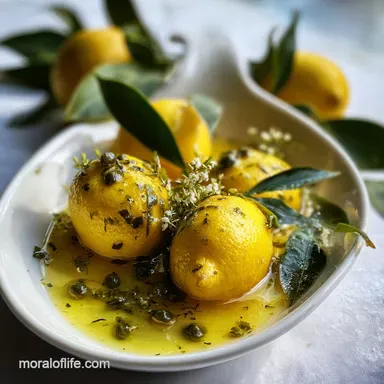
Lemon Caper Sauce in 11 Minutes

- Time: 5 min active + 6 min cooking
- Flavor & Texture: Zesty, buttery, and glossy
- Perfect for: Weeknight fish or chicken dinners
Lemon Caper Sauce
Have you ever noticed how professional pan sauces have that glossy sheen and coat the food perfectly? The secret isn't expensive gear; it's all in the timing of how the fat is incorporated at the final stage.
This lemon caper sauce elevates a simple protein into a gourmet dish. It only takes roughly ten minutes and relies on common pantry ingredients.
It pairs beautifully with salmon, white fish, or even a basic pasta. It's a reliable method for bringing a zesty, bright flavor to your plate without spending an hour in the kitchen.
Why This Method Works
- Slow Butter Incorporation: Whisking cold butter in at the end helps create a stable emulsion with the lemon juice, which reduces the risk of separation.
- Aromatic Base: Sautéing garlic and capers first wakes up the oil-soluble flavors before the liquid hits the pan.
Quick Recipe Specs
Depending on your preference, you can adjust the base for a different result.
| Base Choice | Texture | Flavor Profile | Best For |
|---|---|---|---|
| Butter (Standard) | Thick and glossy | Rich and creamy | Salmon or Chicken |
| Olive Oil | Lighter, thinner | More herbal/clean | White fish or Pasta |
The right balance of ingredients is what makes this work.
| Component | Purpose | Substitute Notes |
|---|---|---|
| Unsalted Butter | Creates the emulsion | Salted butter works; just reduce added salt |
| Capers | Adds salty, briny pops | Chopped green olives; use less as they are less tart |
| Lemon Juice | Provides brightness | White wine vinegar; start with half and adjust |
| Vegetable Stock | Builds the body | Chicken stock; provides a deeper, meatier taste |
The Ingredient List
- 4 tbsp unsalted butter, divided Why this? Essential for the glossy emulsion.
- 2 tbsp drained capers Why this? Adds the necessary salt and brine.
- 2 cloves garlic, minced
- 1/4 cup vegetable stock with a splash of lemon juice
- 2 tbsp fresh lemon juice Why this? Fresh is brighter than bottled.
- 1 tbsp fresh parsley, finely chopped
- 1/8 tsp salt
- 1/4 tsp cracked black pepper
Kitchen Tools Needed
You only need a small non-stick skillet or a saucepan and a whisk. A whisk is better than a spoon for the final step to keep the sauce smooth.
The Cooking Process
Phase 1: Sautéing the Aromatics
Melt 1 tablespoon of butter over medium heat in your skillet. Once the butter foams, add the minced garlic and drained capers. Sauté for 60 seconds until the garlic is fragrant and the capers slightly pop. Do not let the garlic turn brown or it will taste bitter.

Phase 2: The Reduction
Pour in the 1/4 cup vegetable stock with a splash of lemon juice and the 2 tablespoons of fresh lemon juice. Increase the heat slightly to bring the mixture to a simmer. Stir frequently for 2-3 minutes until the liquid has reduced by about one-third and looks slightly syrupy.
Phase 3: Finishing the Emulsion
Reduce the heat to low. Whisk in the remaining 3 tablespoons of butter, adding one tablespoon at a time. Stir constantly until the sauce is velvety and glossy.
Remove the pan from the heat immediately. Stir in the chopped parsley, salt, and black pepper.

When It Does Not Turn Out
If the sauce looks like a pool of oil rather than a creamy glaze, the butter has "broken." This happens when the pan is too hot, causing the fat to separate from the water-based liquid.
If it tastes too salty, remember that capers and stock both carry sodium. You can balance this by adding an extra squeeze of fresh lemon juice.
For a thicker sauce, let the liquid reduce for an extra minute before adding the butter.
| Problem | Root Cause | Solution |
|---|---|---|
| Separated oil | Heat too high | Whisk in 1 tsp cold water off-heat |
| Too salty | Excess brine/stock | Add more fresh lemon juice |
| Too runny | Under-reduced | Simmer for 1-2 more minutes before butter |
Best Pairing Ideas

This sauce is a classic for salmon or white fish like cod and tilapia. For the fish, USDA guidance puts the safe internal temperature at 145°F.
It also works great on pan-seared chicken breasts. If you are using it for pasta, toss the noodles in the sauce with a tablespoon of the pasta cooking water to help it stick.
Fridge and Reheating Guide
Store the cooled sauce in an airtight container and keep it refrigerated for 3 days. It will solidify due to the butter.
Avoid reheating in the microwave, as the intense heat can break the emulsion. Instead, warm the sauce in a small skillet over low heat, whisking in a splash of vegetable stock as it melts.
Do not freeze this sauce. The freezing and thawing process ruins the emulsion, leaving the sauce grainy and the oil separated.
Simple Swaps and Add-Ins
To put a spin on the lemon caper sauce, add a pinch of red pepper flakes while sautéing for a subtle heat.
Fresh tarragon or dill are also great alternatives to parsley. Dill is a particularly wonderful pairing if this is served with salmon.
If you prefer a creamier texture, whisk in a tablespoon of heavy cream along with the final bit of butter to create a richer, more mellow finish.
Good to Know
Can I use this sauce for fish or chicken?
Yes, this sauce works well for both. The acidity and saltiness cut through the richness of these proteins.
How to prepare this lemon caper sauce?
Sauté minced garlic and capers in butter, then simmer with vegetable stock and lemon juice. Finish by whisking in cold butter on low heat for a glossy texture.
Why is this sauce so creamy?
Whisking in cold butter at the end creates a stable emulsion. This technique gives the sauce a velvety, glossy finish.
Is it possible to use olive oil instead of butter?
Yes, you can use olive oil for a lighter, thinner result, but it will not form the same glossy butter emulsion. This version is especially good for white fish or pasta.
Lemon Caper Sauce in 11 Minutes