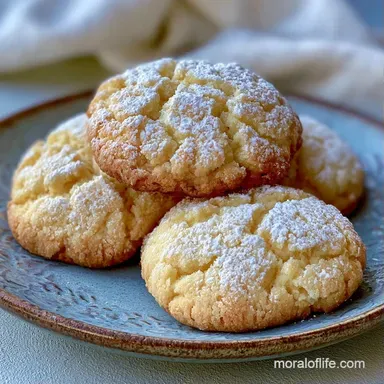
Traditional Italian Lemon Cookies in 27 Minutes
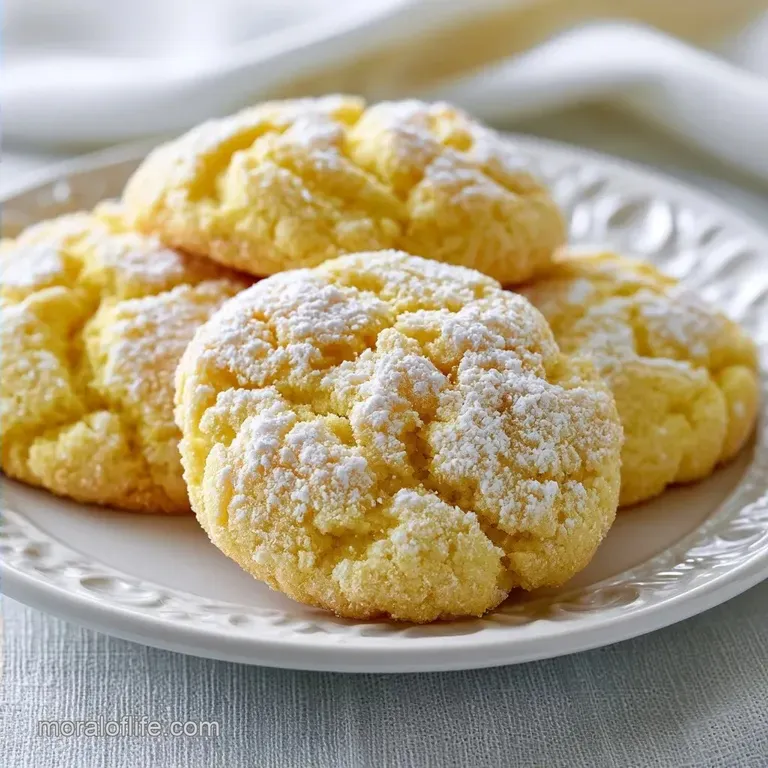
- Time: 15 min active + 12 min baking
- Flavor/Texture Hook: Tangy glaze with a soft, cake like center
- Perfect for: Holiday dessert platters or afternoon tea
These cookies usually show up at family gatherings where three generations are crammed into one kitchen. I remember the scent of zested lemons filling the air long before the oven even preheated. They aren't just desserts, they're a piece of heritage that reminds people of home.
You can expect a treat that feels like a cross between a sugar cookie and a tiny cake. The Traditional Italian Lemon Cookies aren't overly sweet, thanks to the punchy lemon glaze that hits you first.
They hold their shape well, making them a reliable choice for when you need something that looks a bit fancy but doesn't require professional training.
The goal here is a pale top and a barely golden bottom. If you overbake them, you lose that soft, melt in-your mouth feel. We're aiming for a delicate balance where the citrus pops and the butter carries it all together.
Traditional Italian Lemon Cookies
Many people struggle with the shape of these cookies, often ending up with flat discs instead of knots. The trick is in the butter temperature. If your butter is too soft, the dough spreads. If it's too cold, you can't roll the logs. You want it pliable but still cool to the touch.
I once tried to rush the process by melting the butter in the microwave. It was a disaster. The dough turned into a sticky mess that clung to my fingers, and the cookies pancaked in the oven. Now, I always pull the butter out an hour early and let it soften naturally.
Another detail is the glaze timing. If you dip the cookies while they're still warm, the glaze will melt and run right off. You need them completely cool so the icing sets into a crisp, white shell. It takes a bit of patience, but the result is a clean look that doesn't smudge.
What Nobody Tells You
Egg Volume: Using three eggs for this amount of flour is a lot, but it's what gives the cookies their structure. The extra protein helps the knot stay tight so it doesn't flatten out.
Acid Balance: The combination of lemon zest in the dough and lemon juice in the glaze creates a layered flavor. The zest provides the aromatic oils, while the juice adds the sharp acidity.
Temperature Control: Baking at 350°F is a sweet spot. Any higher and the bottoms brown too fast, leaving the tops looking raw.
| Feature | Fresh Ingredients | Shortcut Versions | Impact |
|---|---|---|---|
| Lemon Zest | Grated fresh peel | Bottled lemon oil | Fresh is more aromatic |
| Lemon Juice | Freshly squeezed | Bottled concentrate | Fresh is brighter, less bitter |
| Butter | Unsalted, softened | Margarine/Shortening | Butter adds rich flavor |
The Building Blocks
When measuring your flour, don't scoop directly with the cup. This packs the flour down and makes the cookies dry. I prefer using a digital scale for accuracy, as suggested by King Arthur Baking to ensure the hydration ratio stays consistent.
What Each Ingredient Does
| Ingredient | What It Does | Best Swap |
|---|---|---|
| Unsalted Butter | Provides richness and tenderness | Salted butter (omit salt) |
| 3 Large Eggs | Binds dough and adds lift | 2 eggs + 1 yolk (richer) |
| Baking Powder | Creates the cakey rise | 1 tsp baking soda + cream of tartar |
| Lemon Extract | Boosts the citrus punch | Extra lemon zest |
For those wondering about the nutrition of citrus, USDA FoodData notes that the zest contains concentrated essential oils that provide the bulk of the lemon scent.
Equipment Needed
You'll need a few basic tools to get this right. A stand mixer, like a KitchenAid, is great for creaming the butter, but a hand mixer works just as well.
- Large mixing bowl
- Sifter or fine mesh strainer
- Parchment paper (don't skip this or they'll stick)
- Wire cooling rack
- Small whisk for the glaze
How to Make It
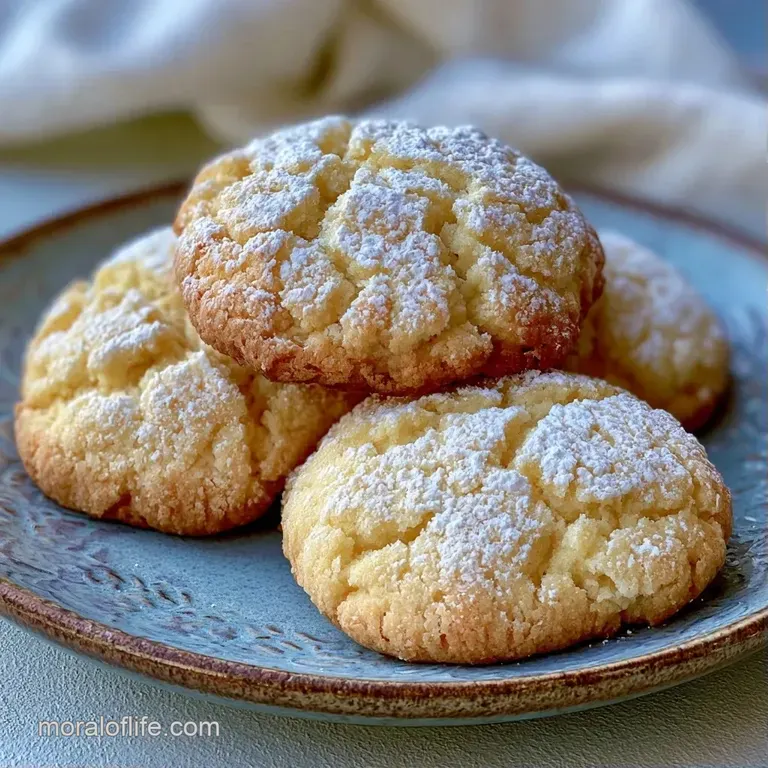
Follow these steps closely to keep the texture consistent.
- Cream the softened butter and granulated sugar. Beat for 3 mins until the mixture is pale and fluffy.Note: This incorporates air for a lighter cookie.
- Beat in the eggs one at a time. Stir in the lemon extract and fresh lemon zest.
- Sift the all purpose flour, baking powder, and salt into a separate bowl.
- Gradually add the dry mixture to the wet ingredients on low speed. Mix only until the flour streaks disappear.Note: Overmixing makes the cookies tough.
- Preheat your oven to 350°F (175°C).
- Scoop 1 tablespoon of dough and roll it into a 2 inch log. Twist the log into a knot and press the ends to secure.
- Place the knots on parchment lined baking sheets.
- Bake for 10–12 minutes until the bottoms are barely golden and tops remain pale.
- Whisk powdered sugar, lemon juice, and milk until smooth.
- Once cooled, dip the top half of each cookie into the glaze. Let set on a wire rack for 15 minutes.
Common Mistakes & Troubleshooting
The most common issue is dough that feels too wet to handle. This usually happens if your eggs are room temperature or your butter was too soft. If the dough is sticking to your hands, pop it in the fridge for 20 minutes.
| Issue | Solution |
|---|---|
| Why Your Knots Flatten | If your cookies spread into discs, your butter was likely too warm or your oven temperature was too low. This prevents the edges from setting quickly. |
| Why Your Glaze Runs | A runny glaze usually means too much milk or juice was added. The glaze should be thick enough to coat the back of a spoon. |
| Why Your Cookies Browned | Browning happens if the oven is too hot or the baking sheets are dark colored. Dark pans absorb more heat and scorch the bottoms. |
Mix It Up
You can easily swap the flavor profile of these Traditional Italian Lemon Cookies without changing the method. For a winter twist, use orange zest and orange juice in the glaze. Almond extract also pairs beautifully with lemon, so try adding 1/2 tsp of almond extract to the dough.
If you're looking for other cookie ideas for a dessert spread, my Classic Snickerdoodles offer a great cinnamon contrast to these citrus treats.
For those avoiding gluten, you can use a 1:1 gluten-free flour blend. Be aware that the dough may be slightly more fragile, so handle the knots gently.
Decision Shortcut
- If you want more tang → add 1 tsp extra lemon juice to the glaze.
- If you want a softer bite → pull them out at 10 minutes.
- If you want a glossy finish → add a tiny drop of milk to the icing.
Storage and Waste
Store these cookies in an airtight container at room temperature for up to 5 days. If you live in a humid area, the glaze can get sticky, so adding a piece of parchment paper between layers helps.
For long-term storage, you can freeze the baked and glazed cookies for 2 months. Just wrap them tightly in plastic wrap and then foil. Let them thaw on the counter for an hour before eating.
Don't throw away your leftover lemon peels. You can freeze the remaining zest in a small bag for future bakes or infuse them into a bottle of vodka for a homemade liqueur.
Presentation Tips
These cookies look best when piled in a white ceramic bowl or arranged on a tiered platter. Since they have a bright, clean look, they pair well with fresh berries or mint leaves for a pop of color.
If you're planning a full meal, these are a great way to end a dinner. I've found they balance out a heavy meal, like my Cajun Alfredo Sauce pasta, by providing a light, acidic finish.
For a more formal look, use a piping bag to add a tiny dot of glaze on top of the dipped section. Serve them with a glass of cold Prosecco or a strong espresso to cut through the sweetness of the powdered sugar.
Recipe FAQs
How to shape the cookies into knots?
Scoop 1 tablespoon of dough and roll it into a 2-inch log. Twist the log into a knot and press the ends firmly to secure them before placing on the baking sheet.
What to do if the dough feels too wet to handle?
Chill the dough in the fridge for 20 minutes. This firms up the butter and makes the cookies much easier to shape. If you enjoyed mastering the dough consistency here, see how we manage fat ratios in our peanut butter buckeyes.
Why did my lemon cookies flatten into discs?
Your butter was likely too warm or the oven temperature was too low. Ensure your oven is fully preheated to 350°F so the edges set quickly and hold the knot shape.
How to fix a glaze that is too runny?
Whisk in additional powdered sugar a little at a time. The glaze should be thick enough to coat the cookie without dripping off the sides.
Is it true these cookies must be stored in the refrigerator?
No, this is a common misconception. Store these in an airtight container at room temperature for the best texture.
How long do these cookies stay fresh?
They last up to 5 days at room temperature. In humid areas, place a piece of parchment paper between layers to prevent the glaze from getting sticky.
How to freeze these cookies for long-term storage?
Wrap the baked and glazed cookies tightly in plastic wrap and then foil. They will stay fresh in the freezer for 2 months; simply thaw them on the counter for an hour before eating.
Traditional Italian Lemon Cookies for 36