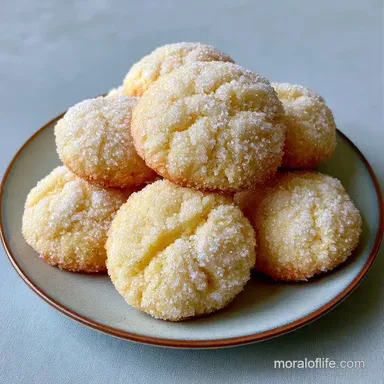
Traditional Italian Lemon Drop Cookies with Glaze

- Time: 15 min active + 12 min baking
- Flavor/Texture Hook: Tangy, soft baked with a sugary snap
- Perfect for: Afternoon tea or a bright dessert platter
The smell of fresh lemon zest hitting softened butter is enough to wake up any kitchen. I remember the first time I tried these, thinking they'd be like a standard sugar cookie. But the first bite is different, a sharp citrus zip that cuts right through the sweetness of the glaze.
These treats are essentially little clouds of lemon. You get that soft, cake like interior and a crisp exterior that holds onto the icing. They aren't overly sweet, which makes them dangerous to leave in a jar.
If you're looking for something that feels fancy but takes under an hour, these Italian Lemon Drop Cookies are the way to go. They're reliable, bright, and always a hit when I bring them to a potluck.
Baking Better Italian Lemon Drop Cookies
The trick to these is not overworking the dough. If you beat the flour in too long, you develop too much gluten and the cookies turn into little rocks instead of soft drops. I learned this the hard way after a batch that felt more like hockey pucks than dessert.
Keep your mixer on the lowest setting. Once you see the last streak of flour disappear, stop. Your goal is a gentle mix, not a heavy batter. This ensures the cookies stay tender and light.
Right then, let's talk about the glaze. It needs to be thick enough to sit on top of the cookie without sliding off. If it's too thin, it just soaks into the dough and you lose that beautiful white contrast against the yellow zest.
Why We Don't Overmix
Low Stir Method: Stirring the flour by hand or on low speed prevents gluten buildup, keeping the cookies soft.
Room Temp Butter: Softened butter traps air during creaming, which helps the cookies rise and stay light.
| Lemon Source | Flavor Profile | Texture Impact | Best For |
|---|---|---|---|
| Fresh Squeezed | Bright, acidic, complex | Thinner glaze | Authentic taste |
| Bottled Juice | Consistent, sharp, sweet | Thicker, stable glaze | Quick baking |
What Each Ingredient Does
| Ingredient | What It Does | Best Swap |
|---|---|---|
| Unsalted Butter | Adds richness and structure | Coconut oil (solid) |
| Baking Powder | Provides the lift/rise | 1/4 tsp baking soda + cream of tartar |
| Lemon Extract | Deepens the citrus punch | Extra lemon zest |
| Powdered Sugar | Creates the smooth glaze | Cornstarch + granulated sugar (blended) |
Essential Kitchen Gear
You don't need a professional setup for this, but a few things make it easier. A stand mixer such as KitchenAid is great for the creaming stage, though a hand mixer works just fine.
Use a cookie scoop. It keeps the size consistent, which means they all finish baking at the exact same time. Nothing is worse than having half your batch burnt while the others are raw.
Parchment paper is a must. These cookies have a high sugar content in the glaze and dough, so they can stick to greased pans. Parchment ensures a clean release every time.
The Cooking Process
Phase 1: Creating the Emulsion
Preheat your oven to 350°F (175°C). In a large bowl, cream the softened butter and granulated sugar until the mixture looks pale and fluffy. This takes about 2-3 minutes.
Beat in the eggs one at a time. This is important because adding them all at once can break the emulsion. Stir in the lemon extract until the batter is smooth.
Phase 2: The "Low Stir" Fold
Whisk together the all purpose flour, baking powder, and salt in a separate bowl. This ensures the leavening agent is spread evenly so you don't get weird lumps.
Slowly add the dry ingredients to the wet mixture. Use a spatula or the lowest mixer setting. Stir only until the flour streaks disappear. Trust me on this, stop as soon as it looks combined.
Phase 3: Precision Baking
Line your baking sheets with parchment paper. Use a cookie scoop to drop rounded tablespoons of dough, keeping them 2 inches apart.
Bake for 10-12 minutes. You're looking for the bottoms to be slightly golden, but the tops should stay pale. If they turn brown on top, they'll be too dry.
Phase 4: The Glazing Finish
Let the cookies cool completely on a wire rack. If you glaze them while warm, the icing will melt and run.
Whisk powdered sugar, lemon juice, and milk until the glaze is smooth and thick. Dip the top of each cooled cookie into the icing. While the glaze is still wet, hit them with the nonpareil sprinkles and fresh lemon zest.
Chef's Note: To get a really sharp look, dip the cookie straight down and lift it quickly. Don't swirl it, or the glaze will pool at the edges.
Troubleshooting the Bake

If your Italian Lemon Drop Cookies aren't coming out right, it's usually a temperature or mixing issue.
| Issue | Solution |
|---|---|
| Why Your Cookies Spread Too Much | This usually happens if the butter was too soft or even melted. If the butter is oily, the dough can't hold its shape in the oven. |
| Why Your Glaze Is Too Thin | Too much milk or lemon juice will make the glaze transparent and runny. It won't sit on top of the cookie. |
| Why Your Cookies Feel Dry | Overbaking is the main culprit here. Because these cookies stay pale on top, it's easy to leave them in too long. Pull them out the second the bottoms are golden. |
Making Dietary Changes
If you need to tweak this for guests, there are a few ways to do it. For a gluten-free version, you can use a 1:1 GF baking flour. Note that the texture will be slightly grittier, but the flavor stays the same.
For a dairy-free alternative, use a high-quality vegan butter stick. Avoid the tub margarine if you can, as the water content is higher and might make the cookies spread more.
If you want a more traditional feel, you can look at Lemon Cookies for 36 recipe for a different take on the crumb. For those who prefer a softer, denser treat, Almond Flour Lemon Cookies are a great alternative.
For a Zesty Punch
Add a pinch of citric acid to the powdered sugar in the glaze. It adds a sharp, professional style tartness that balances the sugar.
For a Low Sugar Option
You can replace half the granulated sugar with a monk fruit sweetener. Keep the powdered sugar in the glaze, as sugar substitutes often don't set into a glossy finish.
Adjusting the Batch Size
Scaling these is pretty straightforward, but baking is a science, so be careful with the leavening.
Cutting the recipe in half: Beat one egg, then use half of it (about 2 tablespoons). Reduce the baking time by about 20% since there's less mass in the oven, but still watch for those golden bottoms.
Doubling or tripling: Do not triple the baking powder exactly. Use 1.5x the amount for a double batch to avoid a metallic aftertaste. Work in batches; overcrowding your counter with dough can lead to the butter warming up too much.
Baking larger batches: If you have two trays in the oven, lower the temp to 325°F (160°C) and extend the time by 2-3 minutes. This ensures the heat circulates evenly around both pans.
Debunking Baking Myths
You might hear that you need to "cream" butter and sugar for 10 minutes for the best results. That's not true for these. Too much air will make the cookies rise and then collapse, leaving you with a wrinkled top. Three minutes is plenty.
Some people say you must use "cake flour" for a soft cookie. While cake flour is lighter, all purpose flour works perfectly here because the high ratio of butter and the low stir method already keep the gluten in check.
Storage and Freezing
Keep these in an airtight container at room temperature for up to 5 days. If you live in a humid place, the glaze might get sticky, so a piece of parchment paper between layers helps.
For the fridge, they'll last about a week. Just let them sit out for 20 minutes before eating so the butter softens back up.
Freezing for Freshness: Freeze the baked, unglazed cookies. Place them on a tray first so they don't stick, then move them to a freezer bag. When you're ready for them, thaw at room temperature and apply the glaze fresh. This keeps the glaze from cracking.
Zero Waste Tip: Don't throw away your lemon peels after zesting. Toss them in a jar with sugar to make oleo saccharum, or freeze them to add to your next batch of lemonade.
Serving and Garnish
To make these look like they came from a bakery, focus on the color balance. I like to use three distinct accents: the stark white of the glaze, the bright yellow of the fresh zest, and the multi colored pops of the nonpareils.
Add the zest last. If you mix it into the glaze, it disappears. By sprinkling it on top of the wet icing, the yellow stays vibrant.
These are a great addition to a dessert board. Pair them with something rich, like Strawberry Cheesecake Cookies, to provide a tart contrast.
Decision Shortcut: If you want more tartness, double the lemon zest. If you want a crunchier edge, bake for 13 minutes. If you want a thicker glaze, skip the milk and use only lemon juice.
- Butter Temp
- 65-68°F (soft but not melting).
- Bake Time
- 11 minutes is usually the sweet spot.
- Oven Temp
- 350°F (verified with an oven thermometer).
Recipe FAQs
What's the secret to a perfect lemon drop cookie?
Avoid overbaking them. Bake for exactly 10–12 minutes so the bottoms are slightly golden but the tops remain pale for the best texture.
Can I make these cookies without butter?
No, butter is essential for the structure and flavor. If you enjoyed the rich, creamy mouthfeel created by the fat here, see how we use similar high-fat bases in our heavy cream pasta.
Why are my cookies feeling dry?
You likely left them in the oven too long. Since these cookies stay pale on top, it is easy to overbake them and lose the interior moisture.
Why did my cookies spread too much?
Your butter was likely too soft or melted. When the butter is too oily, the dough cannot hold its shape once it hits the oven heat.
Why is my lemon glaze too thin?
You added too much milk or lemon juice. Excess liquid makes the glaze transparent and runny, preventing it from sitting firmly on top of the cookie.
How to freeze these cookies for later?
Freeze the baked, unglazed cookies. Set them on a tray first to prevent sticking, move them to a freezer bag, and apply the glaze only after they thaw.
Is it true I should beat the batter until it's completely smooth after adding flour?
No, this is a common misconception. Stir only until the flour streaks disappear to avoid overworking the dough and making the cookies tough.
Italian Lemon Drop Cookies in 42 Minutes