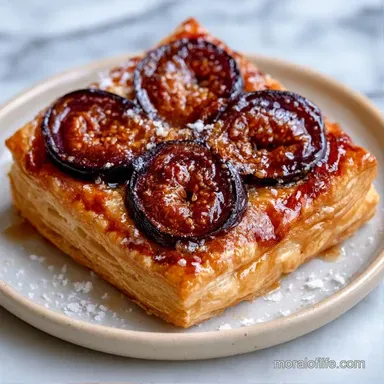
Fig Tarte Tatin with Fresh Figs
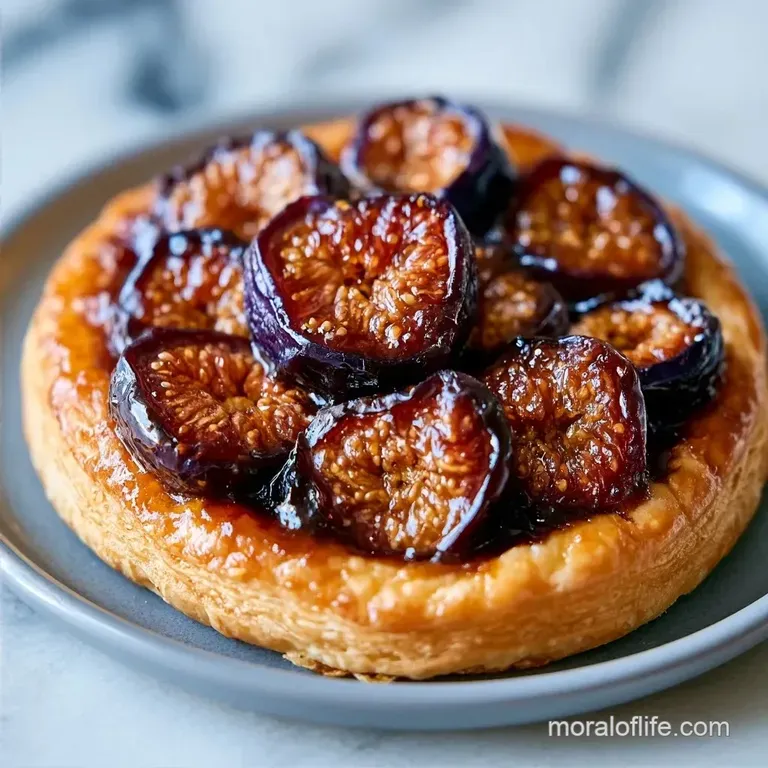
- Time: 15 min active + 80 min cook
- Flavor/Texture Hook: A crisp, buttery pastry paired with jammy, deep amber figs
- Perfect for: Autumn dinner parties or an elegant Sunday treat
What is it that makes some desserts feel like a French bistro classic, while others feel like pure comfort? There is something about the sight of bubbling sugar in a pan that completely transforms the mood of the room.
My first experience with an upside down tart was a nerve wracking one, where the anxiety of the flip nearly spoiled the evening.
I once believed a professional setup was necessary to achieve that glossy, glass like finish on the fruit. In reality, a heavy skillet and a bit of patience do the heavy lifting. You simply have to trust the bubbles.
This Fig Tarte Tatin is less about prestige and more about that specific moment when the warm caramel hits the plate and the crust shatters under your fork. It is a balanced blend of sweet and tart that feels sophisticated without requiring a degree in pastry arts.
Why This Recipe Works
The Sugar Melt: Heating sugar and butter together creates a syrup that clings to the fruit. This keeps the figs from sliding around and gives them a deep, mahogany color.
Steam Release: Pricking the pastry lets moisture escape. Without those little holes, the steam would trap under the crust, making it soggy instead of crisp. You can learn more about how fruit pectin behaves by looking at a Fig Jam recipe, which helps explain why these figs get so jammy.
The Resting Gap: Letting the pan sit for 5 minutes after baking allows the caramel to thicken slightly. This ensures the tart stays together when you flip it.
| Method | Time | Texture | Best For |
|---|---|---|---|
| Fast (Puff Pastry) | 95 mins | Airy and flaky | Quick dinner parties |
| Classic (Pâte Brisée) | 180 mins | Short and crumbly | Traditional feasts |
Essential Recipe Specs
Right then, let's talk about the logistics. You'll want a pan that can go straight from the stove to the oven. If you use a pan with a plastic handle, you're going to have a bad time once it hits 375°F.
I usually use a 9 or 10 inch cast iron skillet. It holds heat evenly, which is a lifesaver for the caramel phase. If you're feeling unsure about the pastry, check out King Arthur Baking for tips on handling chilled dough so it doesn't shrink.
The timing here is key. Most of your "cooking" time is actually the caramelization and the bake. The active work is minimal, meaning you can actually hang out with your guests while the oven does the heavy lifting.
Ingredient Deep Dive
I don't suggest using low-fat butter here. You need the fat to create that silky mouthfeel and to stop the sugar from crystallizing into a grainy mess.
| Component | Purpose | Substitute Notes |
|---|---|---|
| Fresh Figs | Main flavor/base | Dried (soaked) for deeper taste |
| Butter | Caramel richness | Coconut oil for dairy-free |
| Puff Pastry | Crisp topping | Pie dough for a denser crust |
| Granulated Sugar | Caramel base | Brown sugar for molasses notes |
The Full List:
- 4 tbsp unsalted butterWhy this? Adds richness and stabilizes the sugar
- 1/2 cup granulated sugarWhy this? Standard for a clean, amber caramel
- 1 lb fresh figsWhy this? Ripe figs soften and glaze beautifully
- 1 tsp lemon juiceWhy this? Prevents the caramel from recrystallizing
- 1 sheet puff pastry (8 oz)Why this? Provides a light, shattering crunch
- 1 large eggWhy this? Creates a golden brown wash
- 1 tsp cane sugarWhy this? Adds a slight crunch to the top
Quick Swaps:
- Fresh Figs → Pears (Cut into chunks, takes 5 mins longer to sizzle)
- Puff Pastry → Shortcrust pastry (Less lift, more like a traditional pie)
- Unsalted Butter → Salted Butter (Just omit any extra salt you might add)
The Gear You Need
While a commercial setup isn't required, a few key tools will simplify the process. First, an oven safe skillet is essential. Cast iron is the top choice, though stainless steel is perfectly fine provided there are no plastic components.
A sharp paring knife is necessary for the figs. You need clean halves so they lie flat in the pan; uneven cuts can cause them to tilt, leaving gaps in your Fig Tarte Tatin.
Finally, use a fork to dock the dough. It might seem trivial, but ignoring this step is the quickest way to produce a gummy crust.
The Cooking Process
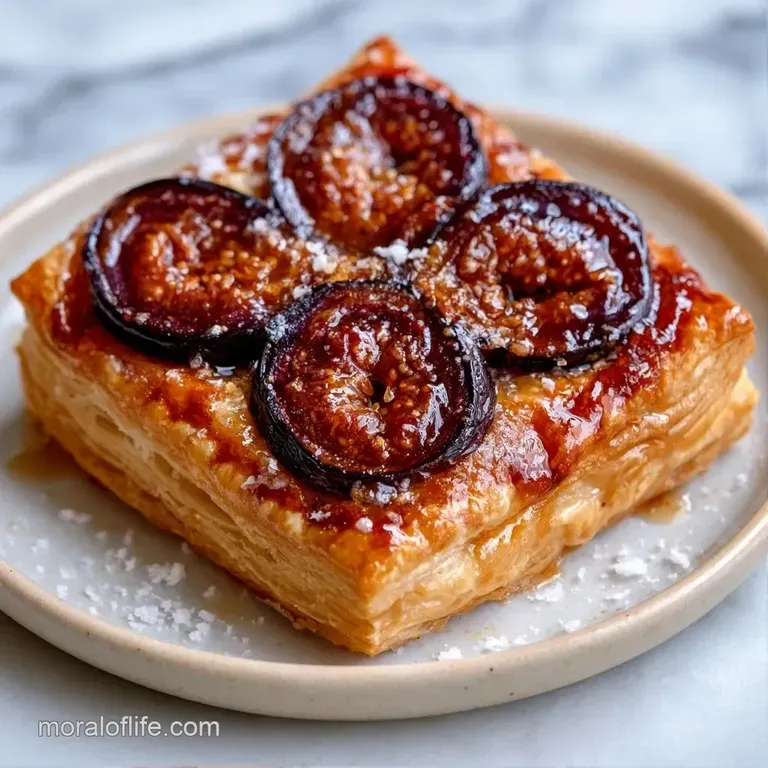
Phase 1: Building the Mahogany Base
Place the butter and sugar in your ovenproof skillet over medium heat. Stir occasionally until the butter is melted and the sugar transforms into a rich, amber colored syrup. It should smell nutty and look like liquid gold. Stir in the lemon juice to stabilize the caramel.
Phase 2: Arranging the Fruit
Carefully arrange the halved figs cut side down in the skillet. Pack them tightly together, as they will shrink slightly. Let them sizzle in the caramel for 2-3 minutes until they smell fragrant and start to soften.
Phase 3: The Pastry Cap
Roll out the chilled puff pastry and cut a circle slightly larger than the pan. Lay the pastry over the figs, tucking the edges down the sides of the pan. Prick the top of the pastry with a fork to let steam escape. Brush the surface with the beaten egg and sprinkle with cane sugar.
Phase 4: The Bake and Flip
Transfer the pan to a preheated oven at 375°F (190°C) and bake for 20-25 minutes until the crust is a deep golden brown. Remove from the oven and let it rest for 5 minutes before flipping.
Trust me on the rest time, or the caramel will run everywhere.
Chef's Note: When flipping, place your serving plate over the skillet and move it in one quick, confident motion. If you hesitate, you risk the figs sliding.
Fixing Common Issues
The most stressful part of a Fig Tarte Tatin is the caramel. If you've never made one, the sugar can go from "perfectly amber" to "burnt charcoal" in about thirty seconds. Keep your eyes on the pan.
If the pastry isn't browning, you might have too much moisture from the figs. This usually happens if the fruit wasn't packed tightly or if the oven temperature was too low.
Another common issue is the "slide." This happens when the caramel is too thin or the tart was flipped while it was still screaming hot.
Handling Burnt Caramel
If the sugar turns black or smells acrid, it's gone too far. It's better to wipe the pan and start over than to serve a bitter dessert. Use medium heat and stir consistently to avoid hot spots.
Solving Soggy Crusts
Sogginess usually comes from trapped steam. Make sure you prick the dough thoroughly. Also, ensure your oven is fully preheated to 375°F before the pan goes in.
Managing Sticking Fruit
If the figs stick to the pan during the flip, it's usually because the caramel didn't encapsulate them fully. Let the figs sizzle a bit longer in the syrup before adding the pastry.
| Problem | Root Cause | Solution |
|---|---|---|
| Burnt Caramel | Heat too high | Start over, use medium heat |
| Soggy Bottom | Pastry not docked | Prick top with fork |
| Figs Sticking | Not enough caramel | Sizzle fruit 2 mins longer |
Serving Suggestions
This dessert is rich, so you need something to cut through the sugar. A dollop of cold crème fraîche or a scoop of vanilla bean ice cream is the classic choice. The cold cream against the hot caramel is a winner every time.
For something a bit more unexpected, try a side of sharp goat cheese. Since you've already got the figs, this mimics the flavor profile of a Goat Cheese Fig Appetizer, but in a sweet context.
If you're serving this for a crowd, slice it while it's still slightly warm. It's much easier to get clean cuts through the pastry before the caramel sets completely.
Decision Shortcut:
- Tarter flavor? → add 1 tsp apple cider vinegar to caramel
- More crunch? → double sprinkle cane sugar on top
- Softer fruit? → increase sizzle time to 5 mins
Storing Your Tart
Leftovers are rare, but if you have some, keep them in a container in the fridge. It stays good for about 2 days. The pastry will lose its crunch, but the figs stay jammy.
To reheat, don't use the microwave. That'll turn your pastry into a sponge. Instead, pop a slice in a 350°F oven for 5-8 minutes. This brings back some of the crispness and loosens the caramel.
As for zero waste, if you have leftover puff pastry scraps, roll them into little twists, sprinkle them with cinnamon sugar, and bake them at the same temperature. It's a great way to avoid wasting dough.
Different Flavor Ideas
This Fig Tarte Tatin is versatile enough to adapt to any season. To evoke an autumnal feel, stir a pinch of cinnamon or cardamom into the sugar before melting it. These warm spices complement the figs' natural earthiness beautifully.
For a different fruit combination, try an Apple and Fig Tarte Tatin by using a mix of Granny Smith apples and figs. The acidity and firmer structure of the apples provide a wonderful contrast to the honeyed sweetness of the figs.
To create a Maple Fig Tarte Tatin, replace half of the granulated sugar with maple sugar. This introduces a rich, woodsy depth that is perfect for November. You can even finish the tart with a light drizzle of maple syrup just before serving.
Pro tip: If the figs feel overly sweet, sprinkle a small pinch of flaky sea salt over the pastry before baking. This enhances the overall flavor profile and makes the dessert taste more balanced.
Recipe FAQs
What's the secret to preventing soggy pastry?
Prick the top of the pastry with a fork to let steam escape. This keeps the crust crisp while the figs bake underneath.
Can I use dried figs instead of fresh ones?
No, and here's why. Dried figs lack the necessary moisture to create a jammy texture and will likely burn in the caramel.
What is the best way to reheat leftover tart slices?
Heat slices in a 350°F oven for 5-8 minutes. Avoid the microwave to prevent the pastry from becoming spongy.
How to achieve a rich amber caramel without scorching the sugar?
Stir the butter and sugar over medium heat occasionally. This prevents hot spots and ensures a deep, even color.
Which cheese pairs well with these caramelized figs?
Soft cheeses work beautifully. You can see how we use similar flavor profiles in our baked brie.
Is it true that a specialized Tatin pan is required for this recipe?
False. Any ovenproof skillet works perfectly for melting the sugar and baking the pastry.
Fig Tarte Tatin Recipe