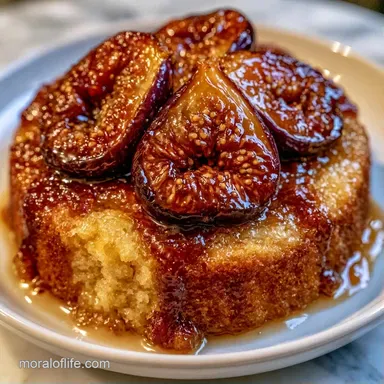
Lighter Caramelized Fig Upside Down Cake
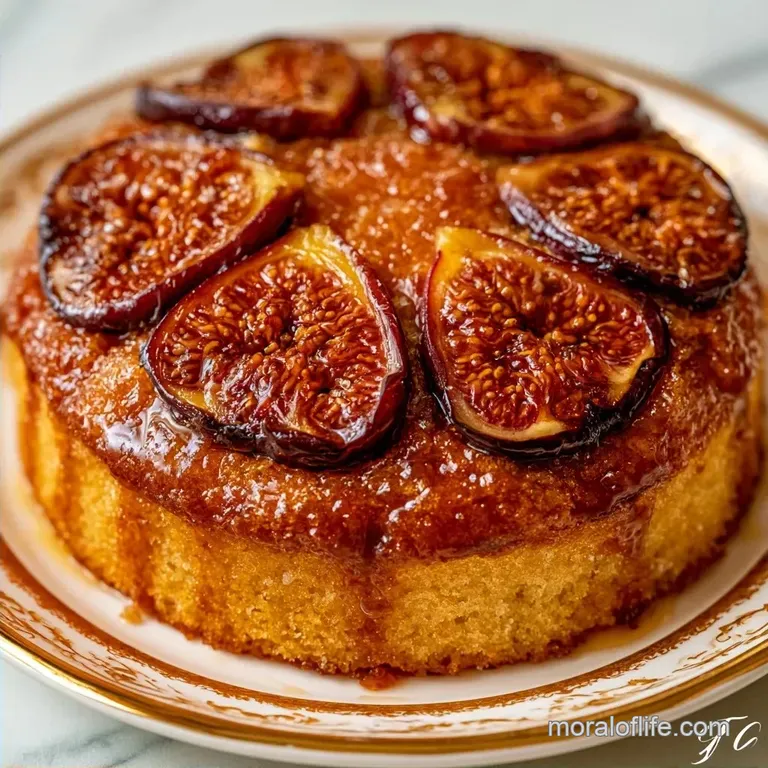
- Time:20 minutes active + 45 minutes bake
- Flavor/Texture Hook: Sticky caramelized top with a tender, zesty sponge
- Perfect for: Late summer dinner parties or a fancy brunch treat
The smell of roasting figs is something else. It fills the kitchen with this warm, jammy aroma that reminds me of old Mediterranean villages where fruit cakes are a staple of the harvest season.
In those regions, figs aren't just a snack, they are a symbol of abundance, often baked into rustic tarts or preserved in honey for winter.
I wanted to bring that tradition into a modern home kitchen. For a long time, I struggled with fruit heavy cakes that ended up feeling like a wet sponge. But after swapping out some ingredients and focusing on the glaze, I found a way to get that mahogany color without the mush.
This Fig Upside Down Cake gives you that classic caramelized look but stays light and airy. It's a crowd pleasing treat that feels fancy but actually comes together with simple mixing and basic pantry staples.
Quick Summary Specs
Let's review the details before we dive into the prep. This recipe is designed for a 9 inch cast iron skillet, which is the best option because of how evenly it maintains heat.
| Goal? | Exact Change |
|---|---|
| Nuttier base? | Add 1/4 cup chopped walnuts to glaze |
| Deeper color? | Swap coconut sugar for dark brown sugar |
| Softer crumb? | Increase Greek yogurt by 2 tbsp |
Regarding the technique, some prefer a stovetop start for the caramel, but the oven method is much more foolproof for the home baker.
| Feature | Oven Method | Stovetop Start |
|---|---|---|
| Time | 45 minutes | 55 minutes |
| Texture | Even, airy rise | Denser, fudgy base |
| Best For | First timers | Experienced caramel makers |
Why This Cake Works
I’ve done extensive testing on the way fruit behaves in batter. Here is the science behind why this Fig Upside Down Cake turns out so well.
- Cornstarch Slurry: Figs contain a high water content. Adding cornstarch to the glaze thickens those juices into a syrup, ensuring the bottom of the cake doesn't become soggy.
- Greek Yogurt Acidity: The yogurt triggers the baking powder to provide a better lift. This ensures a tender crumb and prevents the cake from feeling too dense.
Pay close attention to the cooling time it is vital. If you flip it too quickly, the caramel remains too fluid. Wait too long, and the sugar will harden, causing the figs to stick to the pan.
The Ingredient Breakdown
Choosing the right fruit is everything. I prefer black mission figs because they have a deeper color and a more concentrated sweetness. For those who like to weigh their ingredients for better results, the King Arthur Baking ingredient weight chart is a great resource to keep handy.
| Ingredient | Role | If You Don't Have It |
|---|---|---|
| Fresh Figs | Main flavor and texture | Dried figs (soak in warm water first) |
| Greek Yogurt | Moisture and lift | Sour cream (adds more richness) |
| Cornstarch | Thickens fruit juices | Arrowroot powder (1:1 ratio) |
| Coconut Sugar | Earthy sweetness | Light brown sugar (sweeter taste) |
The Pantry List
For the Caramel Base 1 lb fresh figs, halved lengthwise Why this? Fresh figs provide the best jammy texture 3 tbsp unsalted butter, melted 1/4 cup light brown sugar, packed 2 tbsp honey Why this? Adds a floral depth to the figs 1 tsp
Cornstarch 1 tsp lemon juice
For the Cake Batter 1 1/2 cups all purpose flour 1 tsp baking powder 1/4 tsp salt 1/2 cup unsalted butter, softened 1/2 cup coconut sugar Why this? Lowers the glycemic index and adds caramel notes 2 large eggs 1 tsp pure vanilla extract 1/2 cup low-fat Greek yogurt
Why this? Creates a tender, moist crumb 1 tbsp orange zest
Equipment Needed
A few key pieces of equipment will make this process much smoother.
- 9 inch cast iron skillet: I consider this essential. Its superior heat distribution is key to achieving those perfectly crisp edges.
- Large mixing bowl: To cream together the butter and sugar.
- Medium mixing bowl: To hold your dry ingredients.
- Electric hand mixer: A KitchenAid or Cuisinart works well to ensure the butter and sugar are light and fluffy.
- Spatula: For leveling out the batter.
Bringing the Cake Together
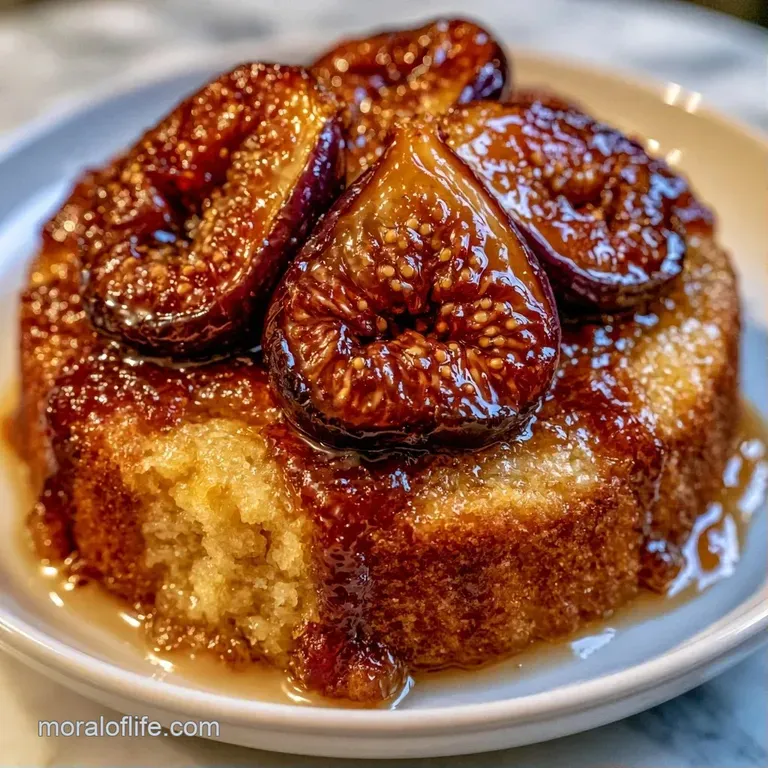
Time to get started. This is the exciting part. Stay mindful of your timers and watch for the visual signs I've described.
1. Preparing the Fig Foundation
Set your oven to 350°F (175°C). Combine the melted butter, brown sugar, honey, cornstarch, and lemon juice in a small bowl, whisking until the glaze is silky. Pour the mixture into a 9 inch skillet, spreading it evenly across the bottom.
Place the fig halves cut-side down in a tight, circular pattern, pressing them lightly into the glaze to secure them.
2. Mixing the Aerated Batter
Sift or whisk the flour, baking powder, and salt together in a medium bowl. In a larger bowl, cream the softened butter and coconut sugar. Beat for roughly 3 minutes until the texture is light and airy. Incorporate the eggs one by one, then mix in the orange zest and vanilla.
3. Folding and Baking
Slowly incorporate the dry ingredients and Greek yogurt into the butter mixture. Alternate the two, stirring on a low setting. Stop mixing immediately once combined to avoid a tough cake and ensure a velvety crumb. Spread the batter over the figs with a spoon, smoothing the surface with a spatula to fill any gaps.
Bake for 40–45 minutes. The cake is ready when a toothpick inserted in the middle comes out clean and the edges are bubbling and golden.
4. The Final Flip
Take the pan out and allow it to cool for exactly 10 minutes to let the structure set. Carefully run a knife around the perimeter. Place a serving plate over the skillet and flip it over in one quick motion. Slowly lift the skillet to unveil your Fig Upside Down Cake.
Why This Recipe Works
Wait, I already covered the science, but let me add one more thing. The orange zest is a subtle addition, but it cuts through the heavy sugar of the figs. It creates a balance that makes the cake feel lighter.
If you're into fruit based desserts, you might also like my homemade strawberry cake, which uses a similar approach to balancing fresh fruit with a tender sponge.
Fixing Common Bakes
Even experienced bakers deal with cakes that don't cooperate. Here is some help if your Fig Upside Down Cake doesn't go as planned.
Stuck to the Pan
This typically occurs if you delay the flip. As the caramel sugar cools, it can bond to the pan. To resolve this, return the skillet to a warm oven for 2-3 minutes. This will liquefy the sugar enough for the cake to release.
Sunk Center
A collapsed middle is often caused by a sudden drop in oven temperature or expired baking powder. To prevent this, verify that your powder fizzes when mixed with water. For now, simply mask the dip with a bit of honey or a dollop of whipped cream.
Mushy Figs
If your figs are overly wet, they may have been too ripe or the lemon juice was too generous. In the future, use a paper towel to pat the fig halves dry before they go into the skillet. This encourages roasting over steaming.
Keeping the Cake Fresh
Thanks to the yogurt, this cake remains moist. Store remaining pieces in an airtight container in the refrigerator, where they'll last for 3 to 4 days.
For long term storage, divide the cake into slices before freezing. Wrap each piece securely in parchment paper followed by aluminum foil. Keep the wrapped slices in a freezer safe bag for a maximum of 2 months. To warm up, microwave a slice for 20 seconds or use a toaster oven for 5 minutes.
To reduce waste, save the fig stems and fruit scraps. Simmer them with sugar and a splash of water to create a simple syrup, perfect for oatmeal or pancakes.
Different Flavor Twists
After mastering the original Fig Upside Down Cake, feel free to experiment with these flavor variations.
- The Honey Walnut Twist: Mix 1/4 cup of toasted walnuts into the caramel glaze. The added crunch provides a wonderful contrast to the tender figs.
- The Citrus Variation: Use lemon zest instead of orange and stir a teaspoon of almond extract into the batter for a taste reminiscent of a wedding cake.
- Vegan Fig Upside Down Cake: Substitute the butter with coconut oil and use a flax substitute (1 tbsp ground flax mixed with 3 tbsp water) instead of eggs. Use cashew yogurt as a vegan alternative.
- gluten-free Fig Upside Down Cake: Swap the flour for a 1:1 gluten-free baking blend. Since the texture is slightly denser, increase the baking time by an additional 5 minutes.
If you love these deep, caramelized notes, I highly recommend my Dulce De Leche Cake, which offers a similar sense of warmth and richness.
Serving and Color Strategy
Since this cake has a deep, mahogany brown top, the presentation depends on color balance. You want colors that pop against the dark figs.
- 1. Mint Green
- Place a few fresh mint leaves on top of the figs right before serving.
- 2. Raspberry Red
- Scatter a few fresh raspberries around the plate for a bright, tart contrast.
- 3. Snow White
- A light dusting of powdered sugar over the edges of the cake makes the colors of the fruit stand out more.
Serve a slice warm with a scoop of vanilla bean ice cream. The cold cream melting into the warm, sticky glaze of the Fig Upside Down Cake is honestly the best part of the whole experience. Trust me, your guests will love it.
Recipe FAQs
Can I bake it ahead for guests?
Bake the cake completely and allow it to cool before serving.
Tip: Warm individual slices briefly in the oven to loosen the honey glaze.
How to make a honey cake glaze?
Whisk honey with melted butter, brown sugar, cornstarch, and lemon juice until smooth.
Tip: Use a small bowl to ensure no lumps remain before pouring the mixture into the skillet.
Is it true that honey makes the sponge soggy?
This one's false: The cornstarch in the glaze binds the moisture to keep the crumb tender.
Tip: Press the fig halves firmly into the glaze to prevent air pockets from forming.
What is the trick for a clean flip?
Run a knife around the edges and invert the pan onto a plate in one quick motion.
Tip: Wait exactly 10 minutes after baking so the cake sets but the glaze stays fluid.
Which fruits are best for this type of cake?
Pears or apples offer a similar structure and sweetness to the figs.
Tip: If you enjoyed balancing the sweet tart flavors here, see how we use a similar acid technique in our lemon sugar cookies.
What ensures a fluffy crumb in this recipe?
Beating the softened butter and coconut sugar for 3 minutes creates the necessary aeration.
Tip: Mix the final batter on low speed to avoid overworking the flour.
Do I really need a cast iron skillet?
Actually, no.
Tip: A standard heavy cake pan works, though cast iron distributes heat more evenly.
Fig Upside Down Cake