Lemon Pasta Recipe with Garlic Basil
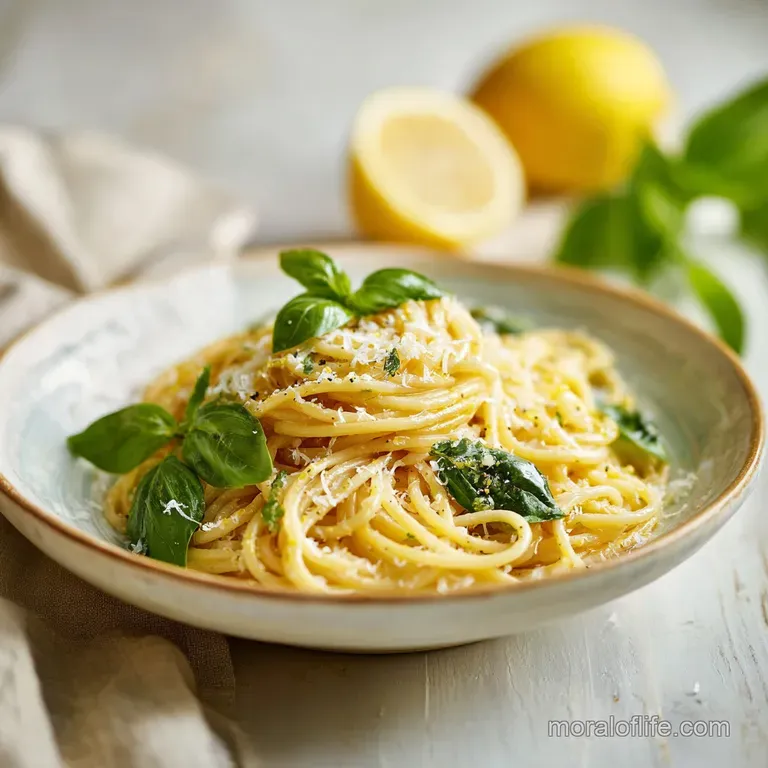
- Time: Active 5 minutes, Passive 10 minutes, Total 15 minutes
- Flavor/Texture Hook: Zesty, velvety, and bright
- Perfect for: A dependable weeknight dinner or an impressive last minute guest meal
Lemon Pasta Recipe with Garlic Basil
The first time I made this, it was a total accident born of a bare pantry and a very long Tuesday. I remember the sharp, clean scent of lemon zest hitting the warm olive oil - it practically woke up my kitchen.
There’s something rhythmic about the way the garlic begins to sizzle, turning from raw and pungent to mellow and golden in just seconds. It’s a sensory reset that reminds me why home cooking is so much better than takeout.
This lemon pasta recipe with garlic, basil, and parmesan is a simple yet delightful dish you'll want to make again and again. You don't need a pantry full of fancy imports to make this work; you just need a few dependable staples and a bit of confidence in your pasta water.
It’s become my go to when I want something that feels like a hug but tastes like a summer afternoon in Italy. We’ve all had those nights where we want a "real" meal without the "real" effort, and trust me, this is exactly that.
The magic happens when the citrus tang meets the salty, nutty depth of the cheese. It isn't just a bowl of noodles; it's a balance of brightness and richness that somehow feels light and indulgent at the same time. You’ll see the sauce transform from a thin liquid into a velvety coating that grips the spaghetti.
It’s brilliant, really, how a few humble ingredients can create such a sophisticated result. Let's crack on and get this on your table.
Why This Works
- The Physics of the Glossy Emulsion: Starchy pasta water acts as a binding agent, allowing the lemon juice and fats to merge into a cohesive, velvety sauce instead of separating.
- Triple Layered Citrus Profile: Using both zest and juice ensures a deep, aromatic lemon flavor that survives the heat while providing necessary acidity.
- Carryover Infusion: Finishing the pasta in the pan allows the noodles to absorb the garlic infused oil directly into their pores as they finish cooking.
- Enzyme Preservation: Adding the fresh basil at the very last second prevents the heat from bruising the leaves, keeping the herbal notes sharp and peppery.
| Method | Time | Texture | Best For |
|---|---|---|---|
| Stovetop | 15 mins | Silky, glossy, and light | Traditional weeknight speed |
| Baked (Casserole style) | 35 mins | Crispy edges, melted top | Crowd pleasing potlucks |
| Instant Pot | 12 mins | Soft, fully infused strands | One pot minimal cleanup |
Choosing your method depends entirely on how much you value those crispy parmesan bits versus a traditional silky sauce. While the stovetop is my dependable Tuesday night standard, the oven method works wonders if you want to prep it ahead and just slide it in when guests arrive.
Both versions highlight the Garlic Basil and Parmesan combination beautifully, but the stovetop version definitely wins for that fresh, zesty finish we're looking for.
Component Analysis
| Ingredient | Science Role | Pro Secret |
|---|---|---|
| 1 lb Spaghetti | Starch provider | Pull it 1 minute before "al dente" to finish in the sauce. |
| 2 Large Lemons | Acid catalyst | Zest first, then juice; the oils in the skin provide the real aroma. |
| 1 Cup Parmesan | Protein/Fat binder | Grate it yourself from a wedge to avoid anti clumping wood pulp. |
| 1/4 Cup Olive Oil | Flavor carrier | Use your best cold pressed oil here; the flavor is prominent. |
Each part of this pasta recipe with garlic basil and parmesan plays a structural role. The fats (butter and oil) provide the mouthfeel, while the parmesan provides the savory backbone. If you've ever tried a similar One Pot Pasta recipe, you know how important that starch balance is for a sauce that doesn't just slide off the noodle.
Essential Ingredients
- 1 lb spaghetti or linguine: These long strands provide the maximum surface area for the sauce to cling to. Why this? Essential for creating that classic twirlable pasta experience. (Substitute: Fettuccine for a wider, heavier bite)
- 2 tbsp kosher salt: Used exclusively for the pasta water to season the noodles from the inside out. Why this? Pasta is bland without salted water; it's your only chance to season the dough. (Substitute: 1 tbsp fine sea salt)
- 1/4 cup extra virgin olive oil: The base of our aromatic infusion. Why this? Provides a fruity, peppery depth that butter alone lacks. (Substitute: Grapeseed oil for a more neutral flavor)
- 2 tbsp unsalted butter: Adds a creamy finish and helps stabilize the emulsion. Why this? Butter contains milk solids that help thicken the sauce naturally. (Substitute: Vegan butter or extra olive oil)
- 6 cloves garlic, finely minced: The aromatic heart of the dish. Why this? Six cloves might sound like a lot, but they mellow significantly in the oil. (Substitute: 1 tsp garlic powder in a pinch, but fresh is vastly superior)
- 2 large lemons, zested and juiced: For that essential bright acidity. Why this? Fresh juice provides a sharp tang that bottled juice simply cannot replicate. (Substitute: 1.5 tbsp white wine vinegar if lemons are unavailable)
- 1 cup fresh basil, chiffonaded: Provides a peppery, sweet herbal finish. Why this? Basil and lemon are natural partners that cut through the richness of the cheese. (Substitute: Fresh parsley or a small amount of dried oregano)
- 1 cup freshly grated parmesan cheese: The salty, savory glue of the sauce. Why this? Real Parmigiano Reggiano melts into the sauce rather than clumping. (Substitute: Pecorino Romano for a saltier, funkier punch)
- 1/2 tsp red pepper flakes: For a subtle, background warmth. Why this? It balances the citrus without making the dish "spicy." (Substitute: A pinch of cayenne or skip for a milder version)
- 1/2 tsp freshly cracked black pepper: Adds a sharp, woody bite. Why this? Pre ground pepper lacks the volatile oils needed for this bright dish. (Substitute: White pepper for a fermented, earthy note)
step-by-step Instructions
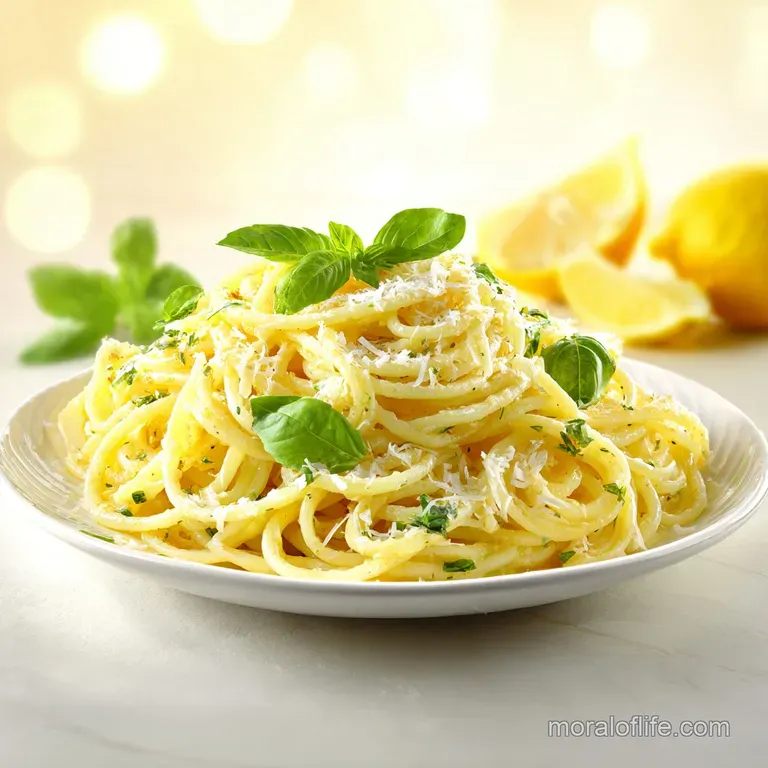
- Boil the water. Fill a large pot with water and add the 2 tbsp kosher salt. Bring to a rolling boil. Note: The water should taste like the sea to properly season the pasta.
- Cook the pasta. Add the 1 lb spaghetti to the water. Cook for about 8 minutes until slightly firm to the bite (undercook by 1-2 minutes from the package directions).
- Save the liquid. Before draining, dip a measuring cup into the pot and reserve 2 cups of the starchy pasta water. Do not skip this step.
- Sizzle the aromatics. In a large skillet or wide pan, add the 1/4 cup olive oil and 2 tbsp butter over medium low heat. Add the 6 cloves minced garlic and 1/2 tsp red pepper flakes. Cook for 2 minutes until the garlic is fragrant and pale gold.
- Deglaze the pan. Pour in the juice of the 2 lemons and 1/2 cup of the reserved pasta water. Increase heat to medium and whisk until the liquid is bubbling and slightly thickened.
- Combine. Transfer the drained spaghetti directly into the skillet. Toss vigorously with tongs to coat every strand.
- Emulsify the sauce. Slowly add the 1 cup parmesan cheese and another 1/2 cup of pasta water. Continue tossing over medium heat until the cheese has melted into a glossy, creamy coating.
- Add the zest. Stir in the lemon zest and the 1/2 tsp black pepper. If the pasta looks dry, add more pasta water 1/4 cup at a time.
- Finish with herbs. Turn off the heat. Fold in the 1 cup chiffonaded basil. Note: Adding the basil last preserves its bright green color and fresh flavor.
- Serve immediately. Plate the pasta while it's hot and glistening. Garnish with an extra sprinkle of Garlic Basil and Parmesan if you're feeling indulgent.
Troubleshooting
Sauce Is Too Thin or Watery
If your sauce looks like soup at the bottom of the pan, you likely added too much pasta water too quickly or didn't let the cheese fully emulsify. This is a common hiccup when you're first learning a recipe with garlic basil and parmesan. The starch in the water needs heat and agitation (tossing) to bond with the fats.
Pasta Is Sticky or Clumpy
This usually happens if the pasta sits in the colander for too long before hitting the pan. The surface starches dry out and act like glue. To avoid this, time your sauce so it's ready just as the pasta reaches that under al-dente stage.
If it does clump, a splash of hot pasta water and a vigorous stir will usually break it apart.
The Garlic Tastes Bitter
Garlic turns bitter the moment it crosses from golden to dark brown. If your pan was too hot, the 6 cloves of garlic will scorch in seconds. If you see dark brown bits in your oil, it's best to wipe the pan and start the oil/garlic step over; you can't mask that burnt flavor once it's there.
| Problem | Root Cause | Solution |
|---|---|---|
| Oily/Greasy Finish | Sauce didn't emulsify | Add 1/4 cup hot pasta water and whisk vigorously over heat. |
| Dull Lemon Flavor | Zest was omitted or juice was old | Add fresh zest at the very end to revive the aromatics. |
| Grainy Texture | Pre shredded cheese used | Use freshly grated parmesan and melt it over medium low heat. |
Common Mistakes Checklist
- ✓ Never rinse your pasta after boiling; you need that surface starch for the sauce to stick.
- ✓ Use a microplane for the lemon zest to avoid getting any of the bitter white pith.
- ✓ Don't add the basil to a screaming hot pan, or it will turn black and lose its punch.
- ✓ Always reserve more pasta water than you think you need - it's liquid gold.
- ✓ Taste your pasta water; if it’s not salty enough, the entire dish will taste flat.
Scaling Instructions
If you’re cooking for a smaller household, this recipe scales down beautifully. For two people, use 1/2 lb of pasta and exactly half of the remaining ingredients. You’ll still want to reserve a full cup of pasta water, though, as smaller batches of sauce tend to evaporate faster in a large pan.
It’s a great way to enjoy this Pasta Recipe with Garlic Basil and Parmesan without having too many leftovers.
When scaling up for a dinner party of eight, use 2 lbs of pasta and double all ingredients, but be cautious with the red pepper flakes and salt. I suggest using only 1.5x the red pepper flakes (about 3/4 tsp) to avoid overwhelming the delicate lemon.
You will need a very large heavy bottomed pot or a Dutch oven to have enough room to toss the pasta and emulsify the sauce properly. Work in batches with the cheese to ensure it melts smoothly rather than forming one giant clump.
For those looking for a similar vibe with a bit more creaminess, you might enjoy the technique in my Ricotta Pasta with Lemon recipe. It uses a similar citrus base but adds a velvety cheese element that’s perfect for when you want something even more comforting.
| Servings | Pasta Amount | Lemon Count | Pan Size | Cook Time |
|---|---|---|---|---|
| 2 People | 1/2 lb | 1 Large | 10 inch skillet | 12 mins |
| 4 People | 1 lb | 2 Large | 12 inch skillet | 15 mins |
| 6 People | 1.5 lbs | 3 Large | Large Dutch Oven | 18 mins |
| 8 People | 2 lbs | 4 Large | Stock Pot | 22 mins |
Common Kitchen Myths
One of the biggest misconceptions is that adding oil to the pasta water prevents sticking. In reality, oil just floats on top and then coats the pasta as you drain it, which prevents your beautiful lemon and garlic sauce from actually sticking to the noodles.
Just use plenty of water and give it a stir in the first two minutes of boiling.
Another myth is that you must use expensive "finishing" butter for the sauce. While high fat European butter is lovely, a standard dependable unsalted butter works perfectly here because the primary flavors are the lemon and Garlic Basil and Parmesan. Save the fancy butter for a piece of crusty sourdough on the side.
Finally,, many people believe that lemon juice alone provides the "lemoniness" of the dish. Science tells us that the citric acid provides the sourness, but the limonene (the essential oil in the skin) provides the floral, citrus aroma. If you skip the zest, you lose half the personality of the dish.
Storage Guidelines
Storage: Keep leftovers in an airtight container in the fridge for up to 3 days. Because pasta continues to absorb moisture as it sits, the noodles will likely be a bit softer the next day. To revive it, add a tiny splash of water or a knob of butter when reheating to bring back that silky texture.
Freezing: I generally don't recommend freezing this specific dish. Pasta with oil and cheese based sauces tends to get grainy and mushy upon thawing. The fresh basil will also turn a muddy brown. Since it only takes 15 minutes to make from scratch, it’s best enjoyed fresh.
Zero Waste Tip: Don't throw away those lemon halves after juicing! Toss them into your garbage disposal to freshen it up, or put them in a jar with white vinegar for two weeks to create a natural, citrus scented kitchen cleaner. Also, if you have leftover basil stems, toss them into your next batch of Roma Tomato Recipe sauce for extra depth. Even the parmesan rind can be frozen and dropped into a soup or stew later to add a massive hit of umami.
Recipe FAQs
Can I use dried herbs instead of fresh basil?
No, substitution is not recommended for the basil. Dried herbs lose the bright, peppery notes crucial for balancing the lemon and garlic in this specific recipe.
How to achieve the glossy, emulsified sauce consistently?
Vigorously toss the hot pasta with the reserved starchy water and cheese off the heat. This agitation forces the fat, water, and cheese proteins to bind together into a stable emulsion.
Is it true I must use only olive oil for the fat base?
No, using both butter and olive oil yields the best texture. The olive oil carries the garlic flavor, while the butter solids help thicken the sauce and add richness; if you want an even richer sauce, consider the technique used in Heavy Cream for recipe.
Why did my sauce separate into an oily slick after sitting?
False. Separation means the emulsion broke, usually because it was cooked too long over high heat or you added the cold lemon juice directly to hot oil without enough pasta water buffer.
How to know when the spaghetti is perfectly al dente for this sauce?
Pull the pasta about one minute before the package suggests and finish cooking it in the sauce. This ensures the noodles absorb the lemon garlic infusion and helps thicken the final sauce as the starches release.
What protein pairs best with this lemon basil flavor profile?
Grilled shrimp or pan-seared chicken breast are excellent choices. If you are looking for a richer, savory pairing that complements the garlic base, try slicing the meat thin after searing and spooning some of the extra pan drippings over the top, much like we build flavor in our Steak Sauce Recipe.
How can I increase the volume of garlic flavor without burning it?
Infuse the oil slowly over low heat for a longer duration. Instead of cooking the minced garlic for 2 minutes, try gently heating it for 5 7 minutes until it's barely golden, then remove the pan from the heat while you prep the remaining ingredients.
Garlic Basil Lemon Pasta
Ingredients:
Instructions:
Nutrition Facts:
| Calories | 692 kcal |
|---|---|
| Protein | 23.2 g |
| Fat | 27.1 g |
| Carbs | 86.8 g |
| Fiber | 3.8 g |
| Sugar | 2.6 g |
| Sodium | 780 mg |
