Gouda Grits with Smoky Brown Butter Shrimp
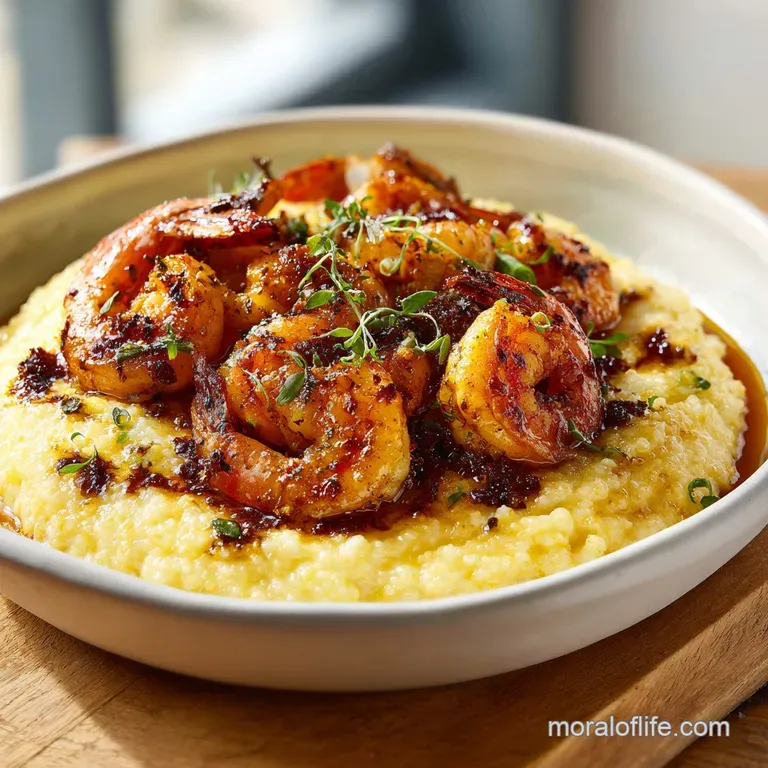
- Time: Active 15 minutes, Passive 45 minutes, Total 1 hour
- Flavor/Texture Hook: Velvety, smoky grits paired with snappy, butter basted shrimp
- Perfect for: A cozy weeknight dinner or an impressive weekend brunch
- Mastering Gouda Grits with Smoky Brown Butter Shrimp
- Understanding the Recipe Specs
- The Alchemy of the Pantry
- Standard Tools for Success
- Steps to Kitchen Victory
- Fixing Common Cooking Errors
- Scaling for Different Crowds
- Debunking Kitchen Tales
- Proper Storage and Reheating
- Plating for Maximum Impact
- Decision Shortcut
- High in Sodium
- Recipe FAQs
- 📝 Recipe Card
Mastering Gouda Grits with Smoky Brown Butter Shrimp
I still remember the first time I tried to make shrimp and grits for a group of friends on a rainy Tuesday. I was so focused on the shrimp that I completely neglected the grits, resulting in a texture that felt more like wet sand than the silky comfort food I was aiming for.
It was a humbling moment, but it sparked my obsession with getting the hydration and the cheese ratio just right. Dive into this recipe for Gouda Grits with Smoky Brown Butter Shrimp, a dish that's guaranteed to become a new favorite.
There is something undeniably primal about the smell of butter browning in a pan. That transition from yellow to a deep, toasted amber, followed by the sizzle of fresh shrimp hitting the heat, is the kind of kitchen magic that makes everyone wander toward the stove.
This isn't just a meal; it’s about the contrast between the earthiness of stone ground corn and the sophisticated punch of smoked Gouda.
We aren't looking for fancy techniques here, just dependable methods that work every single time. We have all been there staring at a pot of lumpy grits wondering where it went wrong. Today, we are going to fix that.
I have tested this version dozens of times in my own kitchen to ensure the results are consistent, whether you are a seasoned pro or just trying to get a decent dinner on the table after a long day.
The Physics of Velvet
Starch Gelatinization: As the grits simmer, the starch granules absorb liquid and burst, creating a thick, creamy matrix that traps the fats from the milk and cheese. This ensures the texture remains silky rather than gritty or watery.
| Method | Time | Texture | Best For |
|---|---|---|---|
| Stovetop | 45 minutes | Ultra creamy and controlled | Maximum silkiness and flavor |
| Oven Bake | 1 hour | Set and consistent | Hands off meal prep |
| Slow Cooker | 7 hours | Very soft and broken down | Busy days with zero stirring |
The stovetop method remains my favorite because you can monitor the hydration. If the grits look thirsty, you simply whisk in another splash of stock. It gives you a level of control that the oven just cannot match.
Understanding the Recipe Specs
When we talk about a dependable recipe, timing and temperature are everything. Grits are notorious for being deceptive; they look done long before the corn has actually softened. You want to look for a consistency that resembles thick lava slow, heavy bubbles that pop with a distinct sound.
If the grits are still crunchy, they simply need more time and likely a bit more liquid.
Precision matters when you are working with protein like shrimp. Overcooking them by even 60 seconds turns a tender morsel into a rubbery disappointment. We are looking for that specific moment when the translucent grey turns into an opaque white with pink curls. As soon as they form a "C" shape, they are done.
If they curl tightly into an "O", you have gone too far.
| Component | Science Role | Pro Secret |
|---|---|---|
| Stone Ground Grits | Provides structure and corn flavor | Rinse first to remove the floaty hulls |
| Smoked Gouda | Adds fat and complex aromatics | Grate it yourself for better melting |
| Unsalted Butter | Creates the nutty sauce base | Use a light colored pan to see the browning |
The Alchemy of the Pantry
Selecting the right ingredients is the difference between a flat dish and one that sings. For this Gouda Grits with Smoky Brown Butter Shrimp, I always reach for stone ground grits. They have more soul than the "quick" variety, holding onto their texture even after a long simmer.
If you are in a rush, you could use polenta, but the flavor profile will shift slightly toward a sweeter corn note.
For the shrimp, bigger is usually better here. Large or jumbo shrimp (16-20 count) hold up best against the heat of the brown butter. I also highly recommend using a Cajun Alfredo Sauce Recipe style of seasoning if you want even more heat, but for this specific dish, the smoked paprika and onion powder provide a more subtle, sophisticated warmth.
- 1 cup stone ground grits: Use white or yellow. Why this? Stone ground offers superior texture compared to instant varieties.
- 2 cups whole milk: For richness. Sub: Half and half for extra decadence.
- 2 cups low sodium chicken stock: Adds depth. Sub: Vegetable stock or water.
- 1 cup smoked Gouda cheese: Freshly shredded. Why this? Pre shredded cheese has anti caking agents that prevent smooth melting.
- 8 tbsp unsalted butter: Divided. Sub: Salted butter (reduce added salt).
- 1 lb large shrimp: Peeled and deveined. Sub: Scallops or firm white fish.
- 1 tsp smoked paprika: For that fire grilled flavor. Sub: Liquid smoke (2 drops).
- 2 cloves garlic: Minced fresh. Sub: 1/2 tsp garlic powder.
- 1 tbsp fresh lemon juice: To cut the richness. Sub: Apple cider vinegar.
Standard Tools for Success
You don't need a kitchen full of gadgets, but a few specific items make this much easier. A heavy bottomed saucepan, like a 3 quart Le Creuset or a Lodge Dutch oven, is essential for the grits. The thick walls distribute heat evenly, which prevents the bottom from scorching while the corn slowly tenderizes.
For the shrimp, a stainless steel or cast iron skillet is the way to go. You want a surface that can handle high heat to get a quick sear without overcooking the center. A whisk is your best friend here not just a spoon.
Whisking the grits vigorously at the start prevents those dreaded clumps that no amount of simmering can fix.
Chef's Tip: If you find your grits are sticking to the bottom, don't scrape it! Leave the scorched bit at the bottom and pour the good grits into a new pot. Scraping will just introduce a burnt flavor to the whole batch.
Steps to Kitchen Victory
1. Hydrating the Grits
In your heavy saucepan, combine 2 cups whole milk and 2 cups low sodium chicken stock with 1 tsp kosher salt. Bring this to a gentle boil over medium high heat. Note: Using a mix of milk and stock provides a better balance of creaminess and savory flavor than using just one or the other.
2. The Low Slow Simmer
Slowly whisk in 1 cup stone ground grits. Reduce the heat to the lowest setting and cover. Cook for 45 minutes, whisking every 10 minutes. Cook until the texture is creamy and the grains are tender to the bite. If they get too thick before they are soft, whisk in a splash of warm water.
3. Emulsifying Smoked Gouda
Once the grits are tender, remove from heat. Stir in 4 tbsp unsalted butter and 1 cup freshly shredded smoked Gouda. Stir until the cheese is completely melted and the grits look glossy. Season with 1/2 tsp freshly cracked black pepper.
4. Preparing the Shrimp
While the grits rest, pat 1 lb large shrimp completely dry with paper towels. Toss them in a small bowl with 1 tsp smoked paprika and 1/2 tsp onion powder. Note: Drying the shrimp is the secret to getting a sear rather than steaming them in their own moisture.
5. Developing Brown Butter
In a large skillet over medium heat, add the remaining 4 tbsp unsalted butter. Cook, swirling the pan occasionally, for about 3-5 minutes. Wait until the butter foams, then turns amber with a nutty aroma. Watch closely as it can turn from brown to burnt in seconds.
6. Searing Smoky Shrimp
Increase the heat to medium high and add the shrimp to the brown butter in a single layer. Sizzle for 2 minutes on the first side until a golden crust forms. Flip and add 2 cloves minced garlic.
7. The Final Emulsion
Cook for another 1-2 minutes. Squeeze in 1 tbsp fresh lemon juice and add 2 tbsp chopped fresh parsley. Note: The lemon juice reacts with the butter to create a light, bright sauce that binds everything together.
8. The Assembly
Spoon a generous portion of the Gouda grits into shallow bowls. Top with the shrimp and drizzle the remaining smoky brown butter from the pan over the top. Serve immediately while the butter is still bubbling.
Fixing Common Cooking Errors
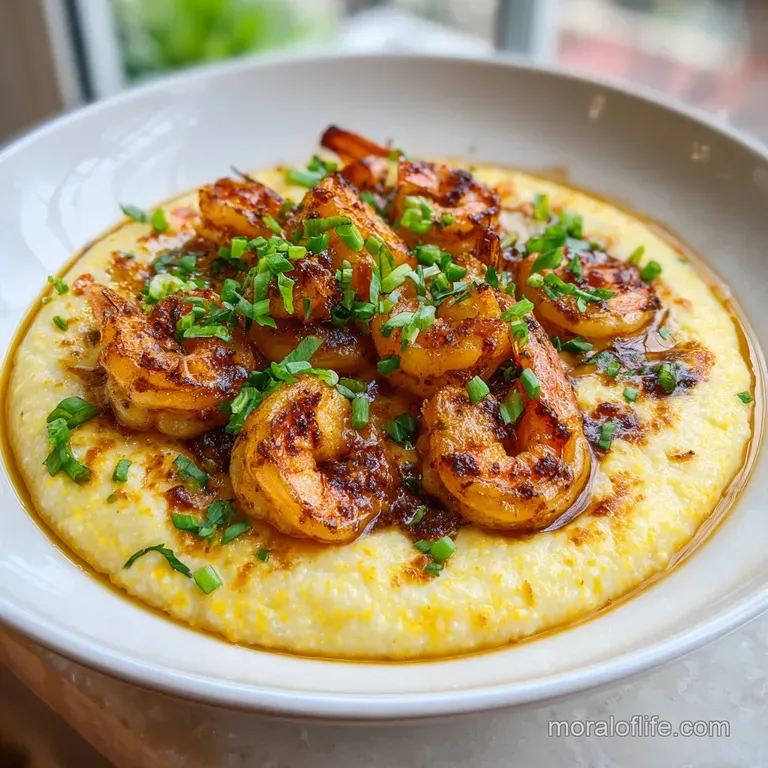
The most common issue people face with this recipe is the texture of the grits. If they feel like they have a "bite" or a crunch, they aren't done. Grits are a lesson in patience. On the flip side, cheese can sometimes "split," leaving you with a pool of oil on top of your grits.
This usually happens if the heat is too high when the cheese is added.
Why Your Grits are Lumpy
If you dump the grits into the boiling liquid all at once without whisking, they will form dry pockets of starch that never hydrate. The only way to fix this is to use an immersion blender to smooth them out, though this will change the texture from rustic to ultra smooth.
| Problem | Root Cause | Solution |
|---|---|---|
| Gritty Texture | Underdone or old grits | Add 1/2 cup liquid and simmer longer |
| Oily Surface | Heat too high for cheese | Remove from heat before stirring in cheese |
| Bland Flavor | Lack of salt in the water | Season the liquid before adding the grits |
Common Mistakes Checklist
- ✓ Always whisk the grits in a slow stream into the boiling liquid.
- ✓ Never use pre shredded cheese; it won't emulsify properly.
- ✓ Don't walk away from the brown butter; it requires your full attention.
- ✓ Pat the shrimp bone dry before they hit the pan.
- ✓ Let the grits sit covered for 5 minutes after cooking to finish hydrating.
Scaling for Different Crowds
Adjusting this recipe for a smaller or larger group is relatively straightforward, but the liquid ratios are the most important part to monitor.
- Scaling Down (2 Servings): Use 1/2 cup grits and 2 cups total liquid. You may need to reduce the cooking time by about 10 minutes as a smaller volume heats more quickly.
- Scaling Up (8 Servings): Double everything but be careful with the salt. Use 1.5x the salt initially and adjust at the end. Use a very large pot to ensure the grits have room to expand. You will likely need to cook the shrimp in two batches to avoid overcrowding the pan, which would cause them to steam.
| Original Ingredient | Substitute | Why It Works |
|---|---|---|
| Smoked Gouda | Smoked Cheddar | Similar meltability and smoky profile. |
| Whole Milk | Heavy Cream | Makes the grits significantly richer and thicker. |
| Fresh Parsley | Scallions | Adds a sharper, onion like bite that cuts the fat. |
Debunking Kitchen Tales
There is a long standing myth that you must soak stone ground grits overnight. While soaking can reduce the cooking time slightly, it isn't necessary for a great result. If you have the time, go for it, but don't let a lack of prep stop you from making this on a whim.
Another misconception is that you can't overcook grits. While they are very forgiving, if you simmer them for two hours, the starch will eventually break down so much that they lose all character and become a paste. Stick to the 45-60 minute window for the best balance of creaminess and grain integrity.
Proper Storage and Reheating
If you have leftovers, the grits will firm up significantly in the fridge. They can stay fresh in an airtight container for up to 4 days. The shrimp are best eaten within 2 days, as they can become quite tough when reheated multiple times.
To reheat the grits, place them in a small saucepan with a splash of milk or stock. Whisk over medium low heat until they loosen up and become creamy again. For the shrimp, I recommend a quick 30 second zap in the microwave or a fast toss in a hot skillet.
Zero Waste Tip: If you have leftover cold grits, spread them into a square pan and chill. The next day, cut them into squares, dredge in a little flour, and pan fry them in butter until crispy. These grit cakes are incredible when served under a Fire Roasted Chicken recipe or with a fried egg.
Plating for Maximum Impact
For a dish this rich, presentation is about creating a visual balance. I like to use wide, shallow bowls rather than deep ones. This allows the shrimp to sit proudly on top of the grits rather than getting buried.
Start with a large ladle of the velvety grits, making a slight well in the center with the back of the spoon.
Arrange the shrimp in a circular pattern, then spoon that glorious amber brown butter over the top. The contrast between the pale, creamy grits and the dark, speckled butter is beautiful. If you have extra time, a few homemade crackers made from Empanada Dough Recipe remnants can add a nice crunch to the side.
Creative Flavor Variation Ideas
Once you have mastered the base, you can start playing with the profile to suit your mood.
1. The Chorizo Kick
Swap half the butter for the rendered fat from 4 ounces of Mexican chorizo. The spicy, red oil creates a stunning visual contrast against the white grits and adds a deep, meaty heat that complements the smoked Gouda perfectly.
2. The Green Heat Swap
If you prefer a brighter, fresher heat, fold in 2 tablespoons of finely minced jalapeños and a handful of fresh cilantro at the very end. The acidity from an extra squeeze of lime juice will make the whole dish pop. This variation is particularly good if you are serving this for a summer brunch.
Decision Shortcut
- If you want it creamier: Increase the milk ratio and add a tablespoon of mascarpone at the end.
- If you want it faster: Use "quick grits" (not instant), which will cut the cooking time to 15-20 minutes, though you will lose some of that rustic texture.
- If you want it lighter: Replace the milk with additional chicken stock and reduce the cheese by half, adding a handful of fresh spinach at the end to wilt into the heat.

High in Sodium
1120 mg mg of sodium per serving (49% % of daily value)
The American Heart Association recommends limiting sodium intake to about 2,300mg per day for overall cardiovascular health.
Smart Swaps for Lower Sodium Shrimp and Grits
-
Broth Boost-30%
Swap the 2 cups of low-sodium chicken stock for unsalted homemade stock or water. This can significantly reduce the sodium content without sacrificing flavor.
-
Cheese Choice-15%
Smoked Gouda is delicious but higher in sodium. Reduce the amount used or replace half with a lower sodium cheese like Swiss or Monterey Jack to lessen the sodium impact.
-
Salt Smarts-25%
Reduce or eliminate the added kosher salt. Taste the dish after cooking the grits and shrimp before adding any additional salt. Remember you can always add, but can't take away! Start with 1/4 tsp and adjust to taste.
-
Lemon Lift-5%
Enhance the flavors with more lemon juice and freshly cracked black pepper. A squeeze of lemon can brighten the dish and reduce the need for salt.
-
Herb Heaven
Don't underestimate the power of fresh herbs! Increase the parsley and add other sodium free herbs like thyme or chives to boost flavor without adding sodium.
Recipe FAQs
Is it necessary to use stone ground grits instead of quick cooking grits?
No, you can use quick cooking grits if time is critical. Stone ground grits provide a superior, rustic texture, but quick grits will work, reducing the simmer time to about 15-20 minutes.
How can I prevent the Gouda cheese from becoming oily or splitting when added to the grits?
Remove the grits from the heat source before adding the cheese. Cheese splits when added to liquid that is too hot; stir the cheese in off the burner until it is fully melted and glossy.
How to achieve perfectly brown butter for the shrimp topping?
Melt the butter over medium heat, swirling until it foams, then turns amber with a nutty aroma. Watch constantly because the transition from brown to burnt is very fast; use a light colored pan to monitor the color.
Can I prepare the grits ahead of time for easier dinner preparation?
Yes, grits can be made up to two days in advance. Store them airtight and reheat gently on the stovetop with a splash of milk or stock until they return to a creamy consistency.
How to ensure the shrimp are tender and not rubbery when added to the brown butter?
Pat the shrimp completely dry, season them, and cook them quickly over medium high heat for only 2-3 minutes per side. You want them to curl into a 'C' shape; if they curl into an 'O', they are overcooked.
What is the best liquid substitution if I want a richer, more decadent texture?
Substitute half the chicken stock with heavy cream or half and half. This adds significant fat content, similar to the richness found when making a velvety Alfredo Sauce recipe, leading to a silkier mouthfeel.
How can I utilize leftover Gouda grits instead of just reheating them?
Chill the cooked grits until firm, slice them into squares, dredge them in flour, and pan fry them in butter. If you enjoyed the process of managing texture in this dish, you will appreciate the technique control required for successfully How to Cook recipe where resting time is crucial.
Gouda Grits With Shrimp
Ingredients:
Instructions:
Nutrition Facts:
| Calories | 649 calories |
|---|---|
| Protein | 36g |
| Fat | 42g |
| Carbs | 31g |
| Fiber | 2g |
| Sugar | 7g |
| Sodium | 1120mg |
