Homemade Cinnamon Rolls with Cream Cheese Icing
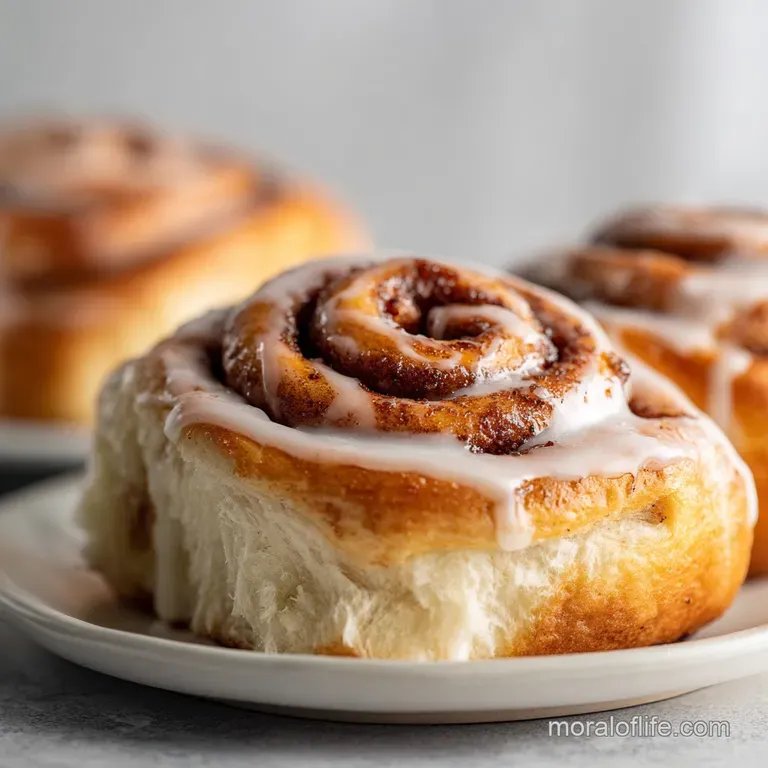
- Time: Active 45 minutes, Passive 2 hours 40 mins, Total 3 hours 25 mins
- Flavor/Texture Hook: Pillowy dough with a velvety cream cheese finish
- Perfect for: Holiday brunch or a slow Sunday morning ritual
- Simple Steps for Soft Homemade Cinnamon Rolls
- The Secret to a Velvety Dough Texture
- Essential Specs for Baking Success Every Time
- The Pantry Staples for a Gooey Filling
- Essential Tools for Rolling and Cutting Dough
- A Complete Guide to Baking Your Rolls
- Solving Common Issues with Your Yeast Dough
- Creative Flavors to Make the Recipe Yours
- How to Store and Reheat Your Treats
- Vibrant Toppings for a Beautiful Breakfast Spread
- Recipe FAQs
- 📝 Recipe Card
Simple Steps for Soft Homemade Cinnamon Rolls
The smell of blooming yeast always takes me back to my grandmother’s kitchen on a rainy Tuesday. There was something magical about how she turned a pile of flour into those golden, swirling knots of joy.
I remember standing on a stool, watching the butter melt into the dark sugar, creating a scent so thick you could almost taste it in the air. That sizzle of the oven door opening and the first puff of cinnamon scented steam is a sensory memory I try to recreate every single weekend.
For years, I struggled with rolls that came out either too dry or so soft they collapsed into a puddle of dough. I've made every mistake in the book, from killing the yeast with boiling milk to overworking the dough until it felt like a rubber ball.
But through all those "happy accidents," I found the tricks that actually work for a home cook without a culinary degree. We are going for that specific texture where the outer edge has a slight shatter to the icing, but the center remains almost impossibly tender.
This isn't about perfection pressure; it’s about making something that makes your house smell like a hug. You don't need fancy equipment to get that iconic swirl. We are going to walk through the mixing, the kneading, and that crucial waiting game together.
By the time we’re done, you’ll have a tray of treats that look like they came from a high end bakery but taste like home.
The Secret to a Velvety Dough Texture
The Physics of the Proof: Granulated sugar acts as high energy fuel for the yeast, accelerating carbon dioxide production for a faster rise. Meanwhile, adding an extra egg yolk introduces lecithin, a natural emulsifier that binds fat and water for a crumb that stays soft for days.
- Temperature control: Keep your milk between 105°F and 115°F (40-46°C). Anything hotter will scramble the egg and kill the yeast.
- The cornstarch trick: Adding cornstarch to the filling acts as a moisture sponge, preventing the butter and sugar from leaking out the bottom of the pan.
- The floss method: Using unscented dental floss to "zip" through the dough log prevents the weight of a knife from squishing those beautiful layers.
- Heavy cream splash: Pouring a little heavy cream over the rolls right before they hit the oven creates a steam bath effect for maximum fluff.
Essential Metrics for Baking Success
| Method | Texture | Best For |
|---|---|---|
| Oven Bake | Uniformly soft and tall | Large batches and classic presentation |
| Stovetop Pan | Crispy, caramelized bottoms | Small portions or camping trips |
| Air Fryer | Fast with a firm crust | Reheating or 2 roll snacks |
If you are in the mood for another warm, spiced treat, my Arroz con Leche Recipe hits that same cozy spot with a different texture.
Essential Specs for Baking Success Every Time
Baking is often called a science, but I prefer to think of it as a conversation between you and the dough. You have to listen to how it feels. If it’s too sticky, it’s telling you it needs a dusting of flour; if it’s too tight, it needs a rest.
Using the metric weights provided in the schema is the best way to ensure we’re both looking at the same results. A "cup" of flour can vary by 30 grams depending on how hard you pack it, which is the difference between a cloud and a brick.
Component Analysis Deep Dive
| Ingredient | Science Role | Pro Secret |
|---|---|---|
| Egg Yolk | Emulsification | Use room temp yolks to prevent the butter from curdling |
| Cornstarch | Moisture Stability | Stops the filling from "bleeding" into the dough |
| Dark Brown Sugar | Caramelization | The molasses content keeps the center gooey longer |
We want to aim for a final internal temperature of 190°F (88°C) for the rolls. This ensures the center is fully cooked but still retains enough moisture to stay velvety.
If you pull them too early, the middle will be doughy; too late, and you’ll lose that melt in-the mouth quality.
The Pantry Staples for a Gooey Filling
Getting your ingredients ready is half the battle. I always pull my butter and cream cheese out of the fridge at least two hours before I start. Cold cream cheese is the enemy of a smooth icing it will leave you with tiny white lumps that no amount of whisking can fix. Trust me, I’ve tried.
- 1 cup (240ml) Whole milk: Use full fat for the richest flavor.
- 1 packet (7g) Active dry yeast: Ensure it's fresh and foams up within 10 minutes.
- 0.5 cup (100g) Granulated sugar: Provides sweetness and yeast fuel.
- 1 tsp Salt: Tightens the gluten and balances the sugar.
- 6 tbsp (85g) Unsalted butter: Softened to room temperature.
- 1 Large egg + 1 Large egg yolk: The secret for that golden color.
- 4.5 cups (560g) All purpose flour: Provides the perfect protein balance.
- 1 cup (200g) Dark brown sugar: For a deep, toffee like filling.
- 2.5 tbsp Ground Korintje cinnamon: Known for its intense, sweet aroma.
- 1 tbsp Cornstarch: Our secret stabilizer for the swirl.
- 0.5 cup (113g) Unsalted butter: For spreading inside the dough.
- 6 oz (170g) Cream cheese: Full fat only for the best icing.
- 0.25 cup (56g) Unsalted butter: For the frosting base.
- 1.5 cups (180g) Powdered sugar: Sift this if you want zero lumps.
- 1 tsp Vanilla extract: Pure extract is always better than imitation.
- 1 tbsp Heavy cream: Adjust for your desired icing thickness.
| Original Ingredient | Substitute | Why It Works |
|---|---|---|
| Whole Milk (240ml) | Oat Milk (240ml) | High fat content maintains the tender crumb. |
| Dark Brown Sugar (200g) | Light Brown Sugar (200g) | Lighter molasses flavor; slightly less gooey. |
| AP Flour (560g) | Bread Flour (560g) | More gluten; results in a chewier, breadier roll. |
Essential Tools for Rolling and Cutting Dough
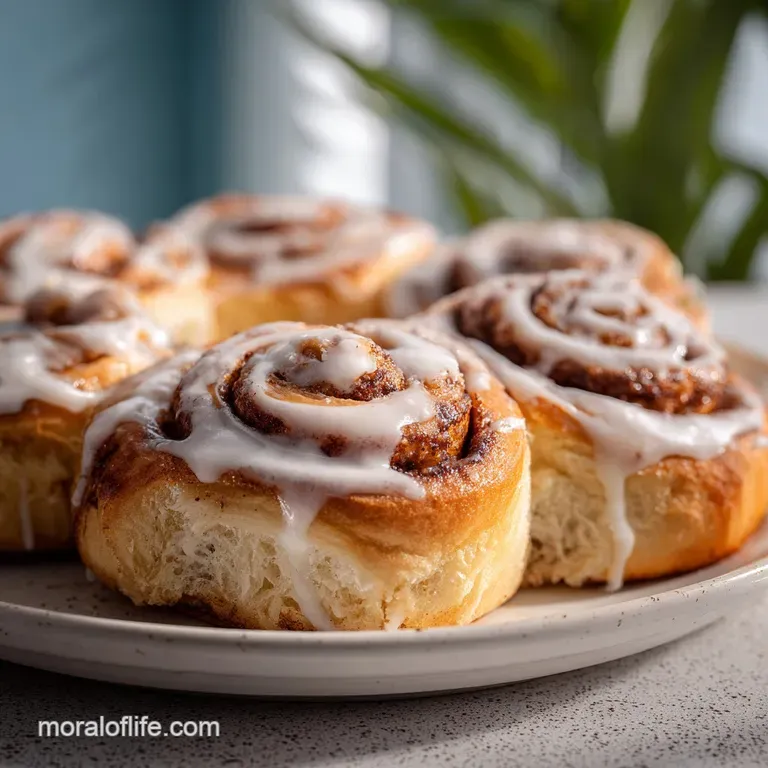
You don't need a professional bakery setup, but a few simple tools make the process much smoother. A heavy rolling pin helps you get an even 12x18 inch rectangle without tiring out your arms. If you don't have one, a clean wine bottle works in a pinch!
For the baking vessel, a 9x13 inch ceramic or glass dish is ideal because it distributes heat gently.
Chef's Tip: Freeze your butter for 10 minutes before mixing the filling. It makes it easier to cream with the sugar without it turning into a liquid mess.
I also highly recommend using a digital scale for the flour. It’s the single best way to avoid "baking failure." If you’re used to more traditional recipes, you might enjoy my Fluffy Cinnamon Roll recipe for a different take on these flavors.
A Complete Guide to Baking Your Rolls
- Warm the milk. Heat 1 cup (240ml) whole milk to 110°F and stir in 1 packet (7g) yeast and 1 tbsp of the sugar. Wait 10 minutes until it looks foamy.
- Mix the base. Add the remaining sugar, 6 tbsp (85g) softened butter, the egg, and the egg yolk to the yeast mixture. Note: The extra yolk adds richness.
- Add the flour. Stir in 1 tsp salt and 4.5 cups (560g) all purpose flour. Note: Use a wooden spoon until a shaggy dough forms.
- Knead the dough. Work the dough on a floured surface for 8 minutes until it's smooth and elastic.Note: It should bounce back when poked.
- First Rise. Place in a greased bowl, cover, and let sit in a warm spot for 1.5 hours until doubled in size.
- Prepare the filling. Mix 1 cup (200g) dark brown sugar, 2.5 tbsp cinnamon, and 1 tbsp cornstarch.
- Roll and fill. Punch down the dough and roll into a 12x18 inch rectangle. Spread 0.5 cup (113g) very soft butter across the surface.
- Shape the rolls. Sprinkle the cinnamon mixture over the butter. Roll tightly from the long edge and cut into 12 even pieces using dental floss.
- Second Rise. Place rolls in a greased 9x13 dish. Cover and let rise for 45 minutes until puffy and touching each other.
- Bake. Heat oven to 350°F and bake for 25 minutes until golden brown and the house smells like a dream.
- Ice the rolls. Beat 6 oz (170g) cream cheese, 0.25 cup (56g) butter, 1.5 cups (180g) powdered sugar, 1 tsp vanilla, and 1 tbsp heavy cream. Spread over warm rolls.
Solving Common Issues with Your Yeast Dough
Sometimes things don't go according to plan, and that’s okay. The most common heartbreak is dough that refuses to rise. Usually, this is because the yeast was either expired or the milk was too hot.
If your dough is still a heavy lump after an hour, try moving it to a slightly warmer spot, like inside the oven with just the oven light turned on.
To Fix Dough That Won't Rise
The ambient temperature of your kitchen plays a huge role. In the winter, my kitchen is a freezer, so I often have to double the rising time. If the dough feels cold to the touch, it won't move. You can also try placing the bowl on top of a warm (not hot) dryer or near a sunny window.
| Problem | Root Cause | Solution |
|---|---|---|
| Dough is too sticky | High humidity or too little flour | Add 1 tbsp of flour at a time during kneading. |
| Rolls are dry/hard | Overbaking or too much flour | Reduce bake time by 3 mins next time; use a scale. |
| Filling leaks out | Butter was too melted | Use "very soft" butter, not liquid/microwaved butter. |
Common Mistakes Checklist
- ✓ Always check the expiration date on your yeast before starting.
- ✓ Use a thermometer for the milk to avoid killing the yeast (110°F is key).
- ✓ Don't skip the second rise; it's what makes the rolls light instead of dense.
- ✓ Measure your flour by spooning it into the cup and leveling it off.
- ✓ Let the rolls cool for 5-10 minutes before icing so the frosting doesn't melt away.
Creative Flavors to Make the Recipe Yours
Once you've mastered the classic version, the kitchen is your playground. I love experimenting with different spice blends or adding textures to the filling. You can swap the cinnamon for a chai spice mix or even add a layer of fruit jam before rolling.
- Scaling Down (6 Rolls): Use half of all ingredients. Use 1 whole egg and skip the extra yolk. Bake in an 8x8 inch pan.
- Scaling Up (24 Rolls): Double all ingredients. Use 1.5x the salt and cinnamon. Bake in two 9x13 inch pans.
- Baking for a Crowd: If doubling the recipe, lower the oven temperature by 25°F and increase the bake time by 5-10 minutes to ensure the centers cook through without burning the edges.
The "If You Want X, Do Y" Guide
- If you want a Crispier Edge, bake the rolls in a dark metal pan instead of glass.
- If you want a Gooier Center, pour 1/3 cup of warm heavy cream over the rolls after the second rise but before baking.
- If you want a Less Sweet Roll, reduce the powdered sugar in the icing to 1 cup and add a pinch of sea salt.
How to Store and Reheat Your Treats
Storage: These are best eaten fresh, but they stay soft in an airtight container at room temperature for up to 2 days. If you want them to last longer, keep them in the fridge for up to 5 days. Always reheat before eating to bring back that velvety texture.
Freezing: You can freeze unbaked rolls! After cutting them, place them on a tray to flash freeze, then bag them. Thaw overnight in the fridge and give them a 1 hour rise before baking. Baked rolls can be frozen for up to 3 months just wrap them tightly in foil.
Zero Waste Tip: If you have leftover icing, it makes an incredible dip for apple slices or a topping for pancakes. If the rolls get truly stale, chop them up and use them as the base for the most decadent bread pudding you’ve ever tasted.
Vibrant Toppings for a Beautiful Breakfast Spread
Presentation is just as important as the bake itself. Since these rolls are mostly shades of brown and white, adding a pop of color makes them look stunning on a breakfast table. I like to focus on three specific color accents that also add a layer of flavor complexity.
- Ruby Red: Add 1/2 cup of dried cranberries to the filling before rolling. The tartness cuts through the heavy sugar and looks like little jewels inside the swirl.
- Emerald Green: Finely chop 1/4 cup of raw pistachios and sprinkle them over the icing while it’s still wet. It provides a beautiful crunch and a professional finish.
- Warm Amber: Right before serving, zig zag a salted caramel sauce over the cream cheese icing. It adds a glossy sheen and a deep, toasted flavor.
By balancing these colors and textures, you transform a simple tray of rolls into a centerpiece. Don't be afraid to get messy with the icing the "homemade" look is part of the charm! Enjoy your baking journey, and remember, the middle roll is always the prize.

Recipe FAQs
What is the secret to the best cinnamon rolls?
Using a high ratio of egg yolk and cornstarch in the filling. The extra egg yolk adds lecithin, which emulsifies fats for a longer lasting soft crumb. The cornstarch absorbs any liquid released by the butter and sugar, preventing the filling from leaking out during the bake.
What does pouring heavy cream over cinnamon rolls do?
It creates steam for extra fluffiness. Pouring about 1/3 cup of heavy cream over the unbaked rolls right before they enter the oven steams the dough slightly. This encourages a softer rise and keeps the exposed dough on top from drying out before the centers are done.
What is the secret ingredient in cinnamon rolls?
The secret ingredient is the extra egg yolk for richness. While many recipes use one egg, adding a single extra yolk introduces more fat and lecithin into the dough structure. This results in a more tender, deeply yellow crumb that stays moist longer, much like the rich dough in our Valentines Brunch recipe.
What is the best cinnamon roll in the world?
The best cinnamon roll is subjective, but many point to a high hydration dough finished with a high cream cheese icing. True excellence comes from perfectly proofed dough that achieves significant height and a swirl that remains distinct after baking.
Focus on temperature control during the initial yeast bloom to achieve this signature texture.
How to ensure my cinnamon roll dough proofs properly?
Heat your milk between 105°F and 115°F (40°C 46°C) before adding the yeast. This specific temperature range wakes up the yeast without killing it, which is crucial for lift.
If the dough doesn't rise after an hour, the environment might be too cold; try placing the bowl inside the oven with only the light on.
Can I use milk instead of heavy cream in the icing?
Yes, but the texture will be less rich and firmer upon cooling. Heavy cream adds necessary fat content to keep the cream cheese frosting luscious and spreadable. If you substitute with whole milk, you might need to reduce the amount slightly, or your final icing may set up too hard, unlike the glossy finish achieved with our Cookie Icing That Hardens recipe.
How to get defined swirls without squishing the dough when cutting?
Use unflavored dental floss or a very sharp, un-serrated knife. Slide the floss under the tightly rolled log and "zip" through the dough using steady, upward pressure.
This technique cleanly separates the layers without compressing the air pockets you worked hard to create, similar to how precise cutting maintains structure in delicate brioche.
Homemade Cinnamon Rolls Recipe
Ingredients:
Instructions:
Nutrition Facts:
| Calories | 477 kcal |
|---|---|
| Protein | 7.7 g |
| Fat | 24.3 g |
| Carbs | 79.1 g |
| Fiber | 2.1 g |
| Sugar | 40.2 g |
| Sodium | 233 mg |
