Homemade Protein Balls: Chewy and Energizing
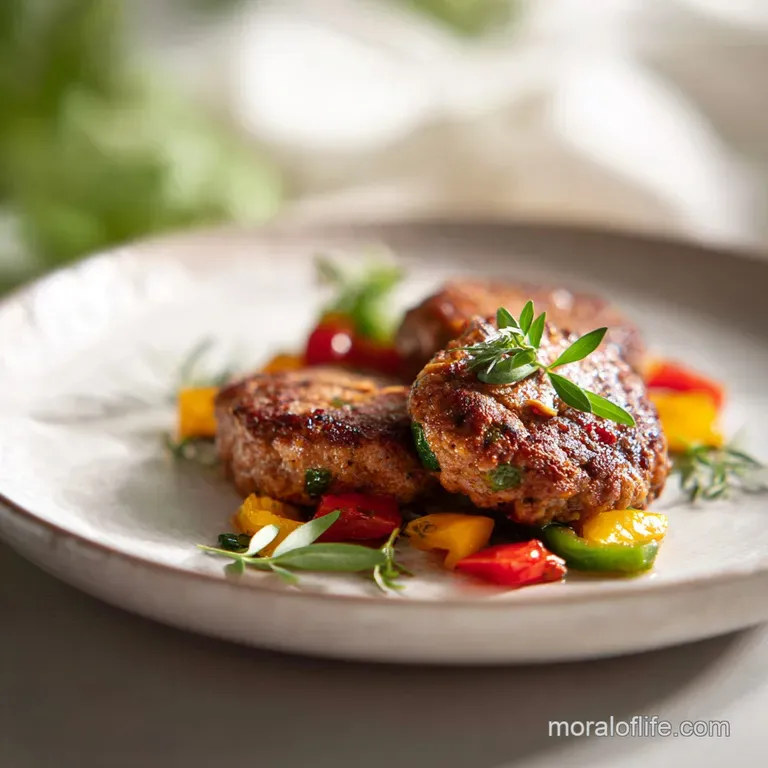
- Time:15 minutes prep + 30 minutes chilling = 45 minutes total
- Flavor/Texture Hook: Chewy, peanut butter-rich, and studded with velvety mini chocolate chips.
- Perfect for: Meal prep and quick post workout snacks.
- Essential Guide To Making Protein Balls
- Logic Behind The No Bake Set
- Component Analysis Of Essential Ingredients
- Minimal Tools For Fast Cleanup
- Step By Step Assembly Process
- Solutions For Common Texture Issues
- Creative Flavor And Size Variations
- Storing And Reducing Kitchen Waste
- Serving Ideas For Busy Schedules
- Recipe FAQs
- 📝 Recipe Card
Essential Guide To Making Protein Balls
You know that feeling when it's 3:00 PM, your energy is dipping, and you're staring at the pantry like it's a puzzle you can't solve? I used to reach for those chalky, store-bought bars until I realized I could whip up something much better in less time than it takes to drive to the store.
The first time I made these, the kitchen smelled like a giant peanut butter cookie, and I knew I was done with the pre packaged stuff. There’s something so satisfying about the way the honey and vanilla swirl into the oats, creating a dough that’s just sticky enough to roll but solid enough to bite into.
If you’ve ever tried a woman protein balls recipe and ended up with a crumbly mess that wouldn't hold its shape, I’ve been there too. This version is all about the balance. We're using Old-Fashioned oats for that hearty chew and mini chocolate chips so you get a little bit of sweetness in every single bite.
It’s practical, it’s efficient, and it actually tastes like a treat rather than a chore. Whether you're fueling up for a workout or just trying to survive a long afternoon of meetings, these little powerhouses are exactly what you need in your fridge.
We aren't just tossing things in a bowl and hoping for the best. I've tested this specifically for meal prep longevity. The addition of ground flaxseeds isn't just for the fiber; it acts as a secondary binder that absorbs excess moisture over time, keeping the balls firm for days.
You’ll find that these get even better after a night in the fridge, as the oats soften slightly and the flavors meld into one cohesive, peanut buttery dream. Let’s get your kitchen fueled and ready for the week.
Logic Behind The No Bake Set
Understanding why these ingredients stick together is the difference between a snack and a pile of granola. It’s mostly about how the fats and sugars interact with the dry fibers.
- Structural Integrity: The ground flaxseeds act as a sponge, soaking up the liquid vanilla and honey to create a gel like bond.
- Cold Solidification: Peanut butter is soft at room temperature but firms up significantly when chilled, which provides the "snap" when you bite in.
- Hydration Timing: Rolled oats need a few minutes of contact with the wet ingredients to soften their outer husks, making them chewy instead of tough.
| Method | Total Time | Texture Result | Best For |
|---|---|---|---|
| Room Temp | 15 minutes | Soft and very sticky | Immediate eating |
| Refrigerator | 45 minutes | Firm and chewy | Standard meal prep |
| Freezer | 30 minutes | Dense and snappy | long term storage |
The choice between chilling in the fridge or the freezer mostly comes down to how much time you have. If you need them ready fast, the freezer is your friend, but the refrigerator provides the best long term texture for daily snacking.
Component Analysis Of Essential Ingredients
When we look at the building blocks of this snack, every item plays a specific role in either the nutrition or the final shape. Using the right type of oat or protein powder can change the entire experience from velvety to gritty.
| Ingredient | Science Role | Pro Secret |
|---|---|---|
| Old-Fashioned Oats | Primary structural fiber | Toast them for 5 mins first for a nuttier flavor. |
| Creamy Peanut Butter | Main fat based binder | Use a processed brand (like Jif) for a smoother, more stable set. |
| Honey | Liquid sugar glue | Warm it for 10 seconds to make mixing much easier. |
| Protein Powder | Dry bulk and amino source | Whey/casein blends absorb more liquid than pure whey. |
Aside from the science, the quality of your vanilla and salt matters. A tiny pinch of sea salt doesn't just make it salty; it cuts through the heavy fat of the peanut butter and makes the chocolate chips taste more intense.
The Dry Base Components
The foundation of our recipe relies on 2 cups (180g) of Old-Fashioned Rolled Oats and 1/2 cup (45g) of Vanilla Protein Powder. These provide the bulk. If you find your protein powder is particularly absorbent, you might need a tiny splash of water later.
We also include 1/4 cup (40g) of Ground Flaxseeds, which are non negotiable for that perfect, non crumbly texture.
Flavor And Texture Boosters
For the "fun" part, we’re using 1/2 cup (85g) of Mini Semi Sweet Chocolate Chips. Minis are better than standard chips because they distribute more evenly. We round this out with 1 tsp (5ml) of Pure Vanilla Extract and 1/4 tsp (1.5g) of Fine Sea Salt.
The salt is the secret to making these taste like a professional snack.
| Original Ingredient | Substitute | Why It Works |
|---|---|---|
| Honey (1/2 cup) | Maple Syrup (1/2 cup) | Similar viscosity. Note: Adds a distinct maple flavor and is slightly thinner. |
| Peanut Butter (1 cup) | Almond Butter (1 cup) | High fat content. Note: Often runnier, so you may need 1/4 cup extra oats. |
| Rolled Oats (2 cups) | Quick Oats (2 cups) | Smaller pieces. Note: Results in a much softer, less chewy ball. |
If you are looking to change up your protein routine entirely, you might also enjoy making a batch of protein pancakes for your Sunday meal prep. It’s a great way to use up that extra vanilla protein powder you have on hand.
Minimal Tools For Fast Cleanup
Efficiency is the name of the game here. You don't need a stand mixer or any heavy machinery. A large, wide bottomed mixing bowl is essential because it gives you the leverage needed to fold the thick peanut butter into the dry oats.
If your bowl is too small, you'll end up flinging oats across the counter, which isn't very efficient.
I also highly recommend a sturdy silicone spatula. Wooden spoons tend to get the dough stuck in the grain, and flimsy plastic ones might snap under the pressure of the honey peanut butter mixture. A 1 tablespoon cookie scoop is your best friend for portioning.
It ensures every ball is the same size, which means they all set at the same rate and look uniform in your storage containers.
Chef's Tip: Lightly mist your cookie scoop with non stick spray or a tiny bit of oil. This prevents the dough from clinging to the metal and makes the "drop" much cleaner.
step-by-step Assembly Process
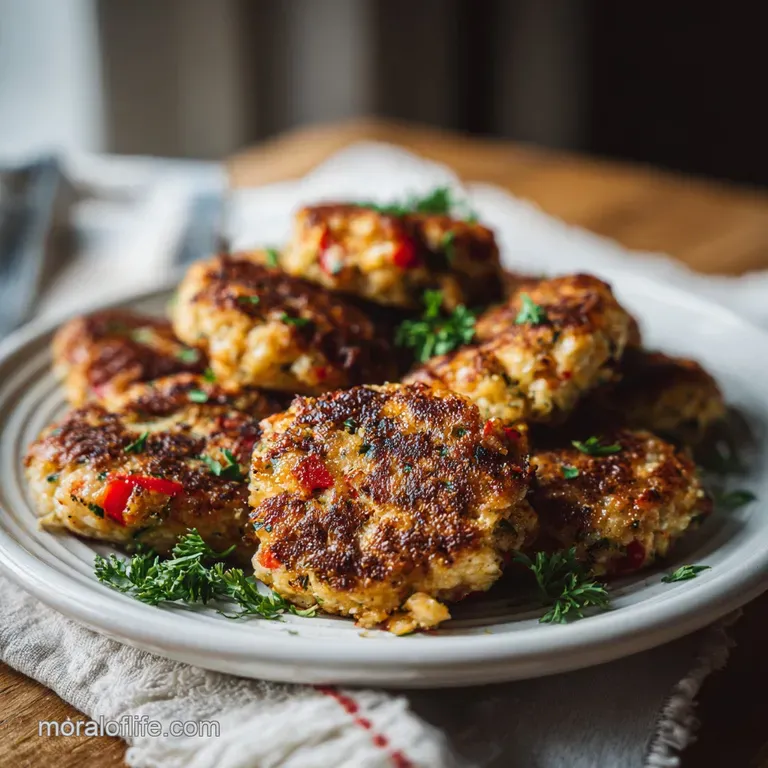
The key to a successful batch of protein balls is the order of operations. If you dump everything in at once, you’ll end up with pockets of dry protein powder that never quite get hydrated.
Mixing The Foundation Correctly
- In a large mixing bowl, whisk together the 2 cups of rolled oats, 1/2 cup of protein powder, 1/4 cup of ground flaxseeds, and 1/4 tsp of sea salt until uniform and free of protein powder clumps. Note: Whisking dry ingredients first prevents "flour pockets" in the finished dough.
Incorporating The Liquid Binders
- Add the 1 cup of peanut butter, 1/2 cup of honey, and 1 tsp of vanilla extract to the center of the dry ingredients.
- Use a sturdy spatula to fold and mix until every oat flake is fully coated and the mixture looks dark and glossy. This should take about 2 minutes of vigorous folding.
Adding The Final Textures
- Gently fold in the 1/2 cup of mini semi sweet chocolate chips until evenly distributed throughout the dough. Note: Adding these last ensures the friction of mixing doesn't melt the chocolate.
Portions And Shaping Techniques
- Using a 1 tablespoon cookie scoop, portion out the mixture into 24 even mounds.
- Roll each portion between your palms into smooth, tight balls. Roll until the surface looks slightly oily and smooth.
Allowing The Structure Set
- Place the balls on a parchment lined baking sheet or a large plate.
- Chill in the refrigerator for 30 minutes to allow the fats to solidify and the structure to set. Note: This is the most important step for a "snappy" texture.
Solutions For Common Texture Issues
Even with a straightforward recipe, variables like the humidity in your kitchen or the specific brand of peanut butter can change the outcome. If your dough feels off, don't panic; it's almost always an easy fix.
Crumbly Dough Fixes
If your mixture looks like wet sand and won't hold a round shape when squeezed, it’s too dry. This usually happens if your protein powder is high in casein or if your peanut butter was from the bottom of the jar where it’s less oily.
Add honey or peanut butter one tablespoon at a time until the dough sticks to itself.
Sticky Dough Corrections
When the dough clings to your hands and refuses to release, it’s likely too wet. This often happens with "natural" peanut butters that have a lot of oil separation. To fix this, fold in an extra 2 tablespoons of oats or flaxseeds and let the dough sit for 5 minutes.
This gives the dry ingredients time to absorb the excess oil before you try rolling again.
| Problem | Root Cause | Solution |
|---|---|---|
| Balls fall apart | Not enough binder (honey/PB) | Add 1 tbsp of honey and mix again. |
| Too sticky to roll | PB was too oily or warm | Chill the entire bowl of dough for 15 mins before rolling. |
| Gritty texture | Protein powder didn't dissolve | Let the finished balls sit in the fridge overnight to hydrate. |
Common Mistakes Checklist
- ✓ Always use "Old Fashioned" oats rather than steel cut (which are too hard) or quick oats (which become mushy).
- ✓ Do not skip the 30 minute chill time; the balls need this to maintain their round shape in a container.
- ✓ Ensure your peanut butter is well stirred before measuring to keep the fat to protein ratio consistent.
- ✓ Use mini chocolate chips specifically; standard chips are too heavy and often fall out of the small balls.
- ✓ If the dough is too tough to stir, microwave the honey and peanut butter together for 15 seconds first.
Creative Flavor And Size Variations
While this classic vanilla and peanut butter version is my go to, you can easily pivot this into different flavors. For a Pioneer Woman protein balls style twist, you can add a half teaspoon of cinnamon and some dried cranberries instead of chocolate chips.
This gives it a "cowboy cookie" vibe that is excellent with a cup of coffee.
If you are scaling this recipe up for a big group, keep in mind that you don't need to double the salt. For a double batch (48 balls), use 1.5x the salt and spices to keep the flavor balanced. If you're looking for a different kind of sweet treat to prep alongside these, these Oreo balls are a fantastic crowd pleaser that use a similar no bake method.
Nut Free Ingredient Swaps
If you have a nut allergy, you can swap the peanut butter for sunflower seed butter (SunButter). It has a very similar fat content and will bind the oats just as effectively. Just be aware that SunButter can sometimes react with baking soda to turn green, but since this is a no bake recipe, you won't have any colorful surprises!
Choosing Better Protein Powders
The type of protein you use matters. Whey protein tends to be thinner, while plant based proteins (like pea or soy) are much "thirstier" and will make a denser ball. If you use a plant based powder, you might find you need an extra tablespoon of honey to keep the woman protein balls from becoming too dry and chalky.
Storing And Reducing Kitchen Waste
These are a meal prepper's dream because they stay fresh for so long. Store your finished balls in an airtight container in the refrigerator for up to 2 weeks. If you want to keep them longer, they freeze beautifully for up to 3 months. Just pull a few out the night before you need them and let them thaw in the fridge.
To reduce waste, don't throw away those last few bits of oats or flaxseeds at the bottom of the bag. I like to toss them into a jar to use for my next batch or sprinkle them over yogurt.
If you have leftover peanut butter clinging to the jar, you can actually mix a half batch of this recipe right inside the nearly empty jar to get every last bit of goodness out.
| Storage Method | Shelf Life | Best Practice |
|---|---|---|
| Countertop | 24 hours | Keep in a cool, dry spot out of direct sunlight. |
| Refrigerator | 14 days | Use a sealed glass container to prevent odor absorption. |
| Freezer | 90 days | Flash freeze on a tray for 1 hour before bagging to prevent sticking. |
Serving Ideas For Busy Schedules
The best way to serve these is straight out of the fridge when they are at their firmest. I like to pack three or four in a small reusable silicone bag for an easy on the-go breakfast. Because they are dense in healthy fats and fiber, they are surprisingly filling.
They aren't just for adults, either kids love these as a "power ball" snack in their lunchboxes, provided your school allows peanuts.
One common myth is that you need to add coconut oil to get these to stay together. While some recipes call for it, it can actually make the balls feel greasy and leave a film on the roof of your mouth. The honey and peanut butter provide plenty of sticking power on their own.
Another misconception is that you have to use a food processor. Honestly, keeping the oats whole provides a much better "granola bar" texture that is far more satisfying than a smooth, processed paste.
When you're arranging these for a brunch spread or a workout group, try rolling some of them in extra flaxseeds or even a bit of shredded coconut. It makes the platter look more varied without requiring extra recipes.
These little bites are all about making your life easier while keeping your energy levels steady practical, efficient, and fueled for whatever your day throws at you.

Recipe FAQs
Are protein balls actually healthy?
Yes, they are a nutrient dense snack. By using rolled oats, flaxseeds, and protein powder, you get a solid balance of fiber, healthy fats, and protein to keep energy levels stable.
What are the Pioneer Woman protein balls?
They are a similar no-bake energy bite. While individual recipes vary, most versions rely on the same foundational mix of oats, nut butter, and sweetener that we use in our signature cookie dough footballs to ensure a chewy, satisfying texture.
How many protein balls can you eat per day?
One to two per day is usually sufficient. Each ball contains roughly 144 calories, so portion them out mindfully depending on your specific daily caloric needs and activity level.
What is the best protein powder to use for protein balls?
A vanilla flavored whey or plant based blend works best. These powders mix most easily with the peanut butter and honey to create a smooth, consistent dough without overpowering the other flavors.
How to fix dough that feels too dry or crumbly?
Stir the mixture more vigorously or add a tiny bit more peanut butter. If the oats are still not coating well, ensure you are using creamy peanut butter and mixing until the fats fully encapsulate the dry ingredients.
How to keep the mini chocolate chips from falling out?
Fold them in as the very last step. Adding them gently ensures they remain evenly distributed, and the 30-minute chill time in the refrigerator helps solidify the fats so the chips stay securely in place.
How to ensure they don't lose their shape in storage?
Keep them in an airtight container in the refrigerator. The chill time is non-negotiable for setting the structure, and keeping them cold prevents the peanut butter from softening, which keeps the balls perfectly round.
Homemade Protein Balls
Ingredients:
Instructions:
Nutrition Facts:
| Calories | 144 kcal |
|---|---|
| Protein | 5.4 g |
| Fat | 7.5 g |
| Carbs | 15.6 g |
| Fiber | 2.1 g |
| Sugar | 8.8 g |
| Sodium | 62 mg |
