Joanna Gaines Mac and Cheese: Ultra Creamy and Baked
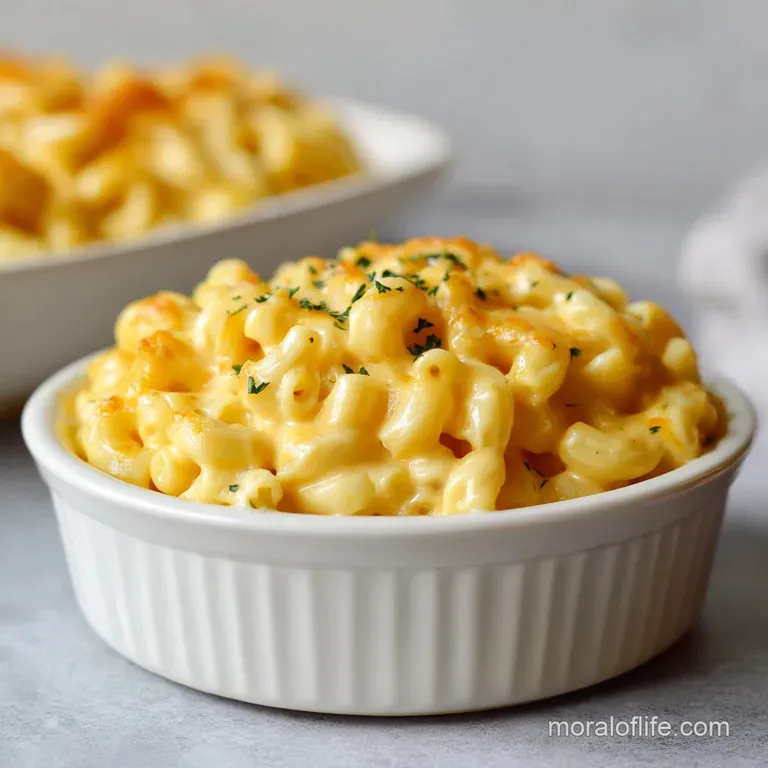
- Time: Active 20 minutes, Passive 45 minutes, Total 65 minutes
- Flavor/Texture Hook: Velvety, sharp, and buttery with a golden crust
- Perfect for: Sunday family dinners and dependable holiday sides
- The Ultimate Joanna Gaines Mac and Cheese Recipe
- Why This Sauce Stays Velvety
- Component Analysis
- The Best Pantry Elements
- Essential Kitchen Hardware
- The Step-by-Step Method
- Solving Texture Problems
- Flavor and Diet Adaptations
- Debunking Common Beliefs
- Preserving Every Single Bite
- What to Serve Alongside
- Very High in Sodium
- Recipe FAQs
- 📝 Recipe Card
The Ultimate Joanna Gaines Mac and Cheese Recipe
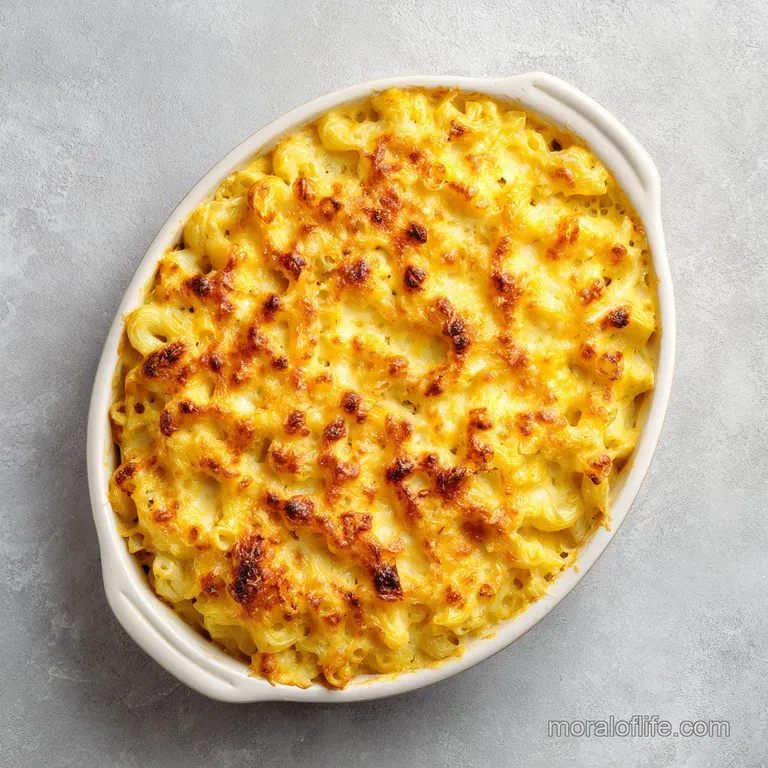
The first time I pulled this out of the oven, the aroma of toasted Gruyère and warm nutmeg hit the kitchen like a giant, cozy blanket. There is something about the way the edges of the pasta get that slight shatter when your fork hits them, while the center remains a molten, velvety pool of gold.
Growing up, macaroni was usually a blue box affair, but this version feels like the kind of dish that builds memories. It’s the centerpiece of a Sunday table, the kind of meal that makes everyone go quiet for the first few bites because they're too busy enjoying the richness.
Southern style baked pasta often relies on a heavy roux, but this Gaines Mac and Cheese Recipe with Cream Cheese introduces a stability that most recipes lack. It doesn't separate into a greasy mess the next day.
I remember a particularly rainy Tuesday when I was testing different cheese blends, and the addition of that block of cream cheese was the moment everything clicked. It acts as a bridge, pulling the sharp cheddar and the nutty Gruyère together into a unified, silky sauce that clings to every single elbow of pasta.
Discover the ultimate creamy, cheesy perfection with Joanna Gaines' standout Mac and Cheese Recipe with Cream Cheese.
You can expect a dish that is deeply savory, with a tiny hint of warmth from the nutmeg that you can't quite name but would definitely miss if it were gone. It’s a dependable staple that works every time because it respects the fundamentals of a good béchamel while adding a few clever safeguards.
Whether you are feeding a crowd or just want the ultimate comfort food for a normal Tuesday, this recipe delivers a result that feels much more sophisticated than the sum of its humble parts.
Why This Sauce Stays Velvety
Fat Emulsification: The addition of full fat cream cheese provides a unique density that keeps the cheddar from separating into oil.
Protein Binding: Using lightly beaten eggs creates a custard like structure that helps the sauce set during the bake without becoming dry.
Gradual Incorporation: Whisking the milk and cream into the roux slowly prevents lumps and ensures a smooth, glossy base.
Acid Balance: The dry mustard adds a subtle acidity that cuts through the heavy fats, brightening the overall flavor profile.
| Method | Time | Texture | Best For |
|---|---|---|---|
| Classic Baked | 65 minutes | Crispy top, set center | Family gatherings |
| Stovetop Only | 25 minutes | Liquid gold, very soft | Quick weeknight cravings |
| Slow Cooker | 4 hours | Dense and ultra rich | Potlucks with limited space |
Choosing the right method depends on how much time you have, but the baked version in this Gaines Mac and Cheese Recipe with Cream Cheese is the gold standard for that specific texture contrast between the crust and the core.
The stovetop method is great in a pinch, but you lose that characteristic golden shatter on top.
Component Analysis
| Ingredient | Science Role | Pro Secret |
|---|---|---|
| Cream Cheese | Emulsifier | Use full fat blocks only for the best structural stability |
| Gruyère | Flavor Depth | Grate it yourself to avoid anti caking starches |
| Dry Mustard | Flavor Catalyst | It enhances the "cheesiness" without adding heat |
| Large Eggs | Structural Binder | Temper them carefully to avoid scrambled eggs in the sauce |
The Best Pantry Elements
- 1 lb elbow macaroni: The classic shape for a reason. Why this? The hollow center traps the maximum amount of cheese sauce in every bite. (Sub: Cavatappi for a more formal look)
- 2 tbsp sea salt: For the pasta water. Why this? It's your only chance to season the pasta itself from the inside out. (Sub: Kosher salt)
- 6 tbsp unsalted butter: The base of our roux. Why this? Using unsalted allows you to control the final sodium level precisely. (Sub: Salted butter, but reduce added salt)
- 0.5 cup all purpose flour: Thickening agent. Why this? Provides the starch needed to turn butter and milk into a thick sauce. (Sub: gluten-free 1:1 baking flour)
- 3 cups whole milk: Liquid base. Why this? The fat content is essential for a rich, creamy mouthfeel. (Sub: 2% milk, but it will be slightly thinner)
- 1 cup heavy cream: Adds luxury. Why this? It elevates the sauce from basic to restaurant quality richness. (Sub: Half and half)
- 8 oz full fat cream cheese, cubed and softened: The stabilizer. Why this? It prevents the sauce from "breaking" or becoming grainy during the bake. (Sub: Mascarpone for a milder flavor)
- 4 cups sharp cheddar cheese, freshly grated: Primary flavor. Why this? Sharp cheddar provides that classic tang that stands up to the cream. (Sub: White cheddar)
- 1 cup Gruyère cheese, freshly grated: Secondary flavor. Why this? Adds a sophisticated nuttiness and incredible meltability. (Sub: Fontina or Swiss)
- 2 large eggs, lightly beaten: The binder. Why this? It gives the baked mac a "soul" and helps it hold its shape. (Sub: Skip for a looser, saucier stovetop style result)
- 1 tsp dry mustard: Spice. Why this? It acts as a flavor bridge between the heavy fats and the sharp cheese. (Sub: 1 tbsp Dijon mustard)
- 0.5 tsp garlic powder: Aromatics. Why this? Adds a savory base note without the bite of fresh garlic. (Sub: Onion powder)
- 0.25 tsp ground nutmeg: The secret ingredient. Why this? A classic French technique for cream sauces that adds depth and warmth. (Sub: Ground mace)
- 0.5 tsp salt: Final seasoning. Why this? Brings all the other flavors into sharp focus. (Sub: Celery salt for a twist)
- 0.5 tsp cracked black pepper: For a little bite. Why this? Provides small bursts of heat to balance the richness. (Sub: White pepper for a cleaner look)
Essential Kitchen Hardware
1. The Dutch Oven
A heavy bottomed Dutch oven is non negotiable for making the sauce. It retains heat evenly, which prevents the milk from scorching as you whisk. I prefer enameled cast iron because the light colored interior makes it easy to see the color of the roux.
If you don't have one, any heavy 5 quart stockpot will work, but avoid thin aluminum pans which create hot spots.
2. high-quality Balloon Whisk
You are going to be doing a lot of whisking, so a comfortable handle is a lifesaver. A balloon whisk helps incorporate air into the sauce and ensures that every bit of flour is hydrated by the milk. For another decadent treat with a similar creamy base, you might want to try this Cream Cheese Alfredo Sauce which also relies on a solid whisking technique.
The step-by-step Method
- Boil the macaroni in 4 quarts of water with 2 tbsp of sea salt for exactly 2 minutes less than the package instructions. Note: The pasta will finish cooking in the oven, so it must be firm to avoid sogginess.
- Melt the butter in your Dutch oven over medium heat until it begins to foam and sizzle gently.
- Whisk in the flour and continue to cook for 2 minutes until it smells nutty and looks like wet sand. Note: Do not let it brown; we want a pale roux for a white sauce.
- Gradually stream in the milk and heavy cream, whisking vigorously after each addition to ensure no lumps form.
- Simmer the liquid for about 5 minutes until the sauce thickens enough to coat the back of a spoon.
- Reduce heat to low and whisk in the cubed cream cheese until completely melted and the sauce is glossy.
- Add the cheeses (3 cups of cheddar and all the Gruyère) using a figure eight motion with your spoon until the mixture is uniform and stretchy.
- Remove from heat and stir in the dry mustard, garlic powder, nutmeg, salt, and pepper.
- Temper the eggs by whisking a half cup of the hot cheese sauce into the beaten eggs, then slowly pour that mixture back into the main pot. Note: This prevents the eggs from scrambling when they hit the hot sauce.
- Fold in the pasta, then transfer to a 9x13 baking dish, top with the remaining 1 cup of cheddar, and bake at 350°F for 30-35 minutes until the top is golden brown and bubbling.
Solving Texture Problems
Why Your Sauce Is Grainy
Graininess usually happens when the cheese is added to a sauce that is too hot. High heat causes the proteins in the cheese to tighten up and squeeze out the fat, leaving behind gritty clumps. Always reduce your heat to the lowest setting before adding your cheese, or even turn the burner off entirely.
The residual heat from the bechamel is plenty to melt the cheddar and Gruyère.
Why Your Mac Is Dry
If your macaroni comes out of the oven looking like a solid block of pasta with no sauce, you likely overcooked the noodles in the initial boiling phase. The pasta acts like a sponge; if it’s too soft, it will drink up all the liquid in the sauce during the bake. Stick to the "2 minutes less" rule to ensure there is plenty of velvety sauce left over. Understanding the Silky Sauce That Never Breaks can help you visualize the correct consistency before it hits the oven.
| Problem | Root Cause | Solution |
|---|---|---|
| Greasy surface | Sauce "broke" due to high heat | Keep heat low; add cream cheese first |
| Mushy pasta | Overboiled in the first step | Reduce boil time by 2-3 minutes |
| Bland flavor | Lack of salt in pasta water | Add 2 full tbsp of salt to boiling water |
Common Mistakes Checklist
- ✓ Never use pre shredded cheese; the cellulose coating prevents a smooth melt.
- ✓ Pat the pasta dry after draining to ensure the sauce clings to the surface.
- ✓ Let the cream cheese soften at room temperature for at least 30 minutes.
- ✓ Don't skip the nutmeg; it’s the secret to that "professional" flavor profile.
- ✓ Allow the dish to rest for 10 minutes after baking to let the sauce set.
Flavor and Diet Adaptations
Scaling for Small or Large Groups
If you need to scale this down for a smaller household, you can easily halve the recipe. Use a smaller 8x8 baking dish and reduce the baking time by about 5-7 minutes. When halving the eggs, beat one egg and use approximately half of the liquid.
For doubling the recipe, work in two separate Dutch ovens if possible to ensure you can whisk effectively. You don't need to double the spices exactly start with 1.5x the amount of nutmeg and mustard and adjust to taste.
Serving Size Calculator
| Servings | Macaroni Amount | Pan Size | Bake Time |
|---|---|---|---|
| 5 People | 0.5 lb | 8x8 square | 25 minutes |
| 10 People | 1 lb | 9x13 rectangular | 35 minutes |
| 20 People | 2 lbs | Two 9x13 pans | 40 minutes |
Doubling the recipe is a great move for holiday parties, but remember that two pans in the oven will change the air circulation. You may need to rotate the pans halfway through the baking time to ensure the tops of both dishes get that beautiful golden color.
Debunking Common Beliefs
One frequent misconception is that you need to rinse your pasta after boiling. This is actually a mistake for this Mac and Cheese Recipe with Cream Cheese. Rinsing removes the surface starch that helps the sauce cling to the noodles. Instead, just drain it well and move straight to the mixing phase.
Another myth is that "more cheese equals better sauce." While it sounds logical, adding too much cheese can actually throw off the fat to liquid ratio, leading to a greasy mess. This Gaines Mac and Cheese Recipe with Cream Cheese uses the specific ratio of milk, cream, and cream cheese to ensure the proteins are suspended correctly in the fat.
Preserving Every Single Bite
Proper Storage
Leftovers will stay fresh in the fridge for up to 4 days. Store them in an airtight container to prevent the cheese from picking up other fridge odors. If you want to freeze this, do it before the baking step.
Prepare the recipe up until the point of putting it in the baking dish, cover tightly with foil and plastic wrap, and freeze for up to 3 months. To bake from frozen, thaw in the fridge overnight and add 10 minutes to the total bake time.
Zero Waste Tips
Don't toss those cheese rinds! If you have the hard end of the Gruyère left over, throw it into a pot of vegetable soup or a homemade stock. It adds incredible savory depth.
Also, if you find yourself with leftover cooked macaroni that didn't fit in the pan, toss it with a little olive oil and store it it's a great base for a quick pasta salad the next day.
What to Serve Alongside
This rich, decadent Mac and Cheese Recipe with Cream Cheese needs a little brightness to balance the plate. I love serving it with a crisp green salad tossed in a sharp lemon vinaigrette. The acidity of the lemon cuts right through the heavy cream and cheddar.
If you're going for a full comfort meal, a side of roasted broccoli or sautéed garlicky kale provides a nice textural contrast to the soft pasta.
For a true Southern style feast, serve this alongside a honey glazed ham or some crispy fried chicken. The sweetness of the ham glaze plays beautifully against the sharp cheddar. Whatever you choose, keep the sides relatively simple so this Mac and Cheese can truly be the star of the show.
It’s a dependable winner that everyone will be asking for the recipe for before the night is over.
| Original Ingredient | Substitute | Why It Works |
|---|---|---|
| Gruyère | Fontina | Excellent meltability with a similar nutty profile |
| Whole Milk | Evaporated Milk | Very stable and rich; less likely to curdle |
| Dry Mustard | Prepared Dijon | Adds the same acidity and depth in liquid form |
The use of cream cheese in this Mac and Cheese Recipe with Cream Cheese is what truly sets it apart from a standard roux based sauce. It acts as a safety net, ensuring that even if you're a bit distracted during the whisking phase, you'll still end up with a result that is silky, rich, and undeniably comforting.
This is the kind of recipe you'll find yourself coming back to Confidently every time you need a win in the kitchen.

Very High in Sodium
845 mg 845 mg (37% 37%)
The American Heart Association recommends limiting sodium intake to less than 2,300mg per day, aiming for an ideal limit of no more than 1,500mg per day for most adults.
Tips to Reduce Sodium
-
Drastically Reduce Added Salt-25%
Eliminate the 2 tbsp of sea salt used for cooking macaroni and the 0.5 tsp salt added to the cheese sauce. This is the biggest contributor to sodium. You can always add a pinch more at the table if needed.
-
Choose Lower Sodium Cheeses-15%
Opt for low-sodium versions of sharp cheddar and Gruyère cheese. If low-sodium options aren't available, using slightly less cheese can also significantly cut down sodium.
-
Amplify Flavor with Herbs & Spices
Boost the savory flavor profile by increasing the use of aromatics like garlic powder and nutmeg. Consider adding fresh herbs like chives or parsley at the end for a burst of fresh flavor without added sodium.
-
Use Unsalted Butter
You're already using unsalted butter, which is great! Ensure you continue to do so, as salted butter can add hidden sodium to your dishes.
-
No Change Needed for Eggs
Lightly beaten eggs do not contribute significantly to the sodium content of this recipe.
Recipe FAQs
Does Joanna Gaines have a mac and cheese recipe?
Yes, she features a highly popular version that uses a classic roux based sauce thickened with eggs for a rich, custard like texture.
What does Gordon Ramsay put in his mac and cheese?
He typically incorporates cauliflower and breadcrumbs for added texture and flavor, which differs from this specific recipe that relies on nutmeg and Gruyère for its signature depth.
What does adding cream cheese to mac and cheese do?
It creates a superior, velvety emulsion that prevents the sauce from breaking or becoming grainy. If you enjoyed the flaky homemade crust technique of building layers, you will appreciate how this dairy base provides a stable foundation for the sharp cheddar and Gruyère.
What is cowboy mac and cheese?
It is a rustic variation that often includes hearty additions like ground beef, bacon, or diced peppers, whereas this traditional version focuses strictly on a smooth, cheesy béchamel and pasta.
Why is my mac and cheese sauce clumpy?
You are likely using pre-shredded cheese. Pre-shredded varieties contain anti caking agents like cellulose that prevent proper melting; always grate your own cheddar and Gruyère fresh.
How to ensure the pasta stays firm after baking?
Boil the macaroni for two minutes less than the package instructions. Since the pasta continues to cook in the sauce while baking at 350°F, this ensures it remains al dente rather than mushy.
How to fix a thin cheese sauce?
Whisk the roux thoroughly during the initial stage. You must cook the flour and butter for 2 full minutes to remove the raw flour taste and activate the thickening power before gradually streaming in your liquids.
Joanna Gaines Mac And Cheese
Ingredients:
Instructions:
Nutrition Facts:
| Calories | 698 kcal |
|---|---|
| Protein | 25.6 g |
| Fat | 46.1 g |
| Carbs | 44.2 g |
| Fiber | 1.8 g |
| Sugar | 5.4 g |
| Sodium | 845 mg |
