Mochaccino: Velvety Microfoam
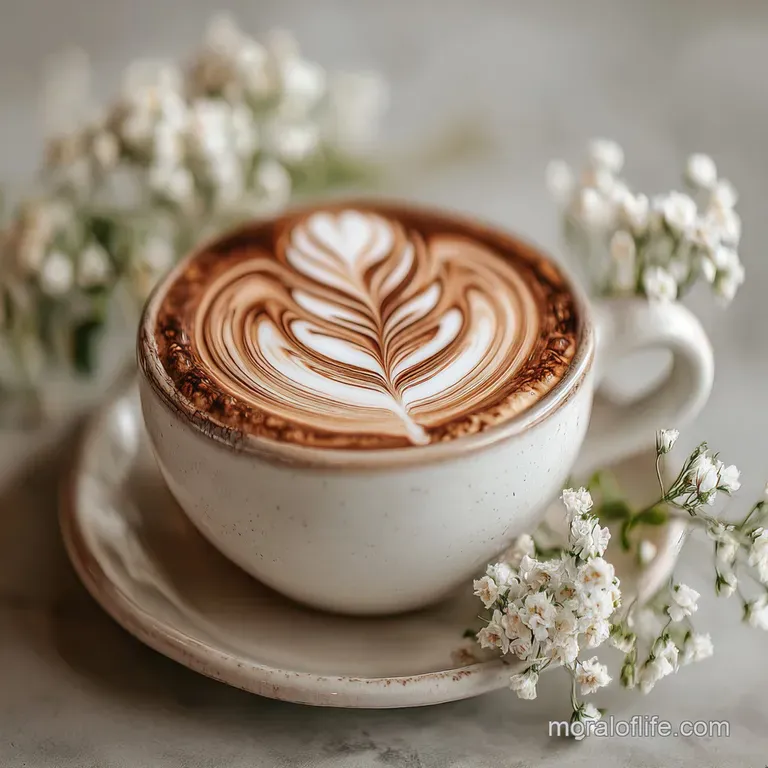
- Time: Active 10 mins, Passive 0 mins, Total 10 mins
- Flavor/Texture Hook: Velvety microfoam over melting dark chocolate
- Perfect for: Slow weekend mornings or a homey afternoon treat
- Crafting the Silky Texture of a Mochaccino
- The Science of Why it Works
- Component Analysis for Peak Flavor
- Selecting the Best Pantry Staples
- Essential Tools for Better Brews
- The Path to Perfect Pours
- Fixes for Common Coffee Mistakes
- Creative Twists and Flavor Swaps
- Storage and Zero Waste Tips
- Serving Ideas for Better Sips
- Recipe FAQs
- 📝 Recipe Card
Crafting the Silky Texture of a Mochaccino
You know that specific, earthy aroma when high-quality dark chocolate starts to melt into a fresh double shot of espresso? It’s basically a hug in a mug. For the longest time, I thought a great Mochaccino was something you could only get at a high end cafe with a three thousand dollar machine.
I’d try to make it at home, but it always ended up either too watery or with a gritty sludge of cocoa at the bottom. Total buzzkill, right?
But what is mochaccino coffee exactly, and how does it differ from a standard mocha? Essentially, what does mochaccino mean is the marriage of a mocha and a cappuccino. It’s about that thick, airy foam layer that a standard mocha often lacks.
After a lot of trial and error in my own kitchen, I realized the secret isn't fancy equipment it's how you handle the temperature and the fat content of your milk.
Trust me on this, once you nail the order of operations, you’ll never want to spend six bucks on a mediocre version again. We’re going to build layers of flavor here, starting with a base of chopped chocolate that creates a foundation so smooth it feels like silk.
It’s bold, it’s homey, and it’s surprisingly easy to pull off using simple pantry staples. Let's crack on and get your caffeine fix sorted properly.
The Science of Why it Works
Lipid Emulsification: The fats in the dark chocolate and whole milk bind with the coffee oils, creating a stable, velvety liquid that prevents the drink from feeling thin.
Protein Denaturation: Heating the milk to exactly 150°F allows the whey proteins to unfold and trap air, resulting in a microfoam that doesn't collapse immediately.
| Method | Time | Texture | Best For |
|---|---|---|---|
| Stovetop Whisk | 8 mins | Frothy but light | No special equipment |
| Handheld Frother | 5 mins | Consistent microfoam | Daily quick fix |
| Steam Wand | 3 mins | Professional density | Latte art fans |
When you are deciding which route to take, remember that the "what is mochaccino homemade" experience is all about that tactile contrast. If you want a denser drink, the stovetop method allows the chocolate to melt more slowly into the milk, creating a unified body.
However, the frother gives you those distinct, cloud like layers that make the drink look like it came from a professional barista.
Component Analysis for Peak Flavor
| Ingredient | Science Role | Pro Secret |
|---|---|---|
| Dark Chocolate (70%) | Provides fat and structure | Chop it until it's almost a powder for an instant melt |
| Double Espresso | Acidic balance to sugar | Use a medium dark roast to cut through the heavy creaminess |
| Whole Milk | Emulsion medium | Never boil it; scorched milk loses its natural sweetness |
Choosing the right chocolate is the biggest hurdle for most home cooks. I used to use chocolate chips, but they contain stabilizers that prevent them from melting smoothly into the liquid.
Switching to a bar of 70% dark chocolate changed everything because it shatters into fine shards that vanish into the espresso the moment they touch.
Selecting the Best Pantry Staples
- 20g dark chocolate (70% cocoa): Finely chopped. Why this? High cocoa butter content ensures a velvety, non gritty finish.
- Substitute: 20g milk chocolate (Note: Reduce the added sugar if you go this route).
- 1 tsp raw cane sugar:Why this? Adds a subtle molasses depth without being cloying.
- Substitute: 1 tsp coconut sugar for a nuttier, toasted profile.
- 60ml double shot espresso:Why this? Provides the necessary concentrated punch to stand up to the milk.
- Substitute: 60ml very strong Moka pot coffee.
- 180ml whole milk:Why this? The 3.5% fat content is vital for creating stable microfoam.
- Substitute: 180ml oat milk (Barista edition) for a similar creamy mouthfeel.
- 1 tsp Dutch processed cocoa powder:Why this? Lower acidity and darker color for a professional looking garnish.
- Substitute: A dusting of cinnamon for a spicy kick.
Essential Tools for Better Brews
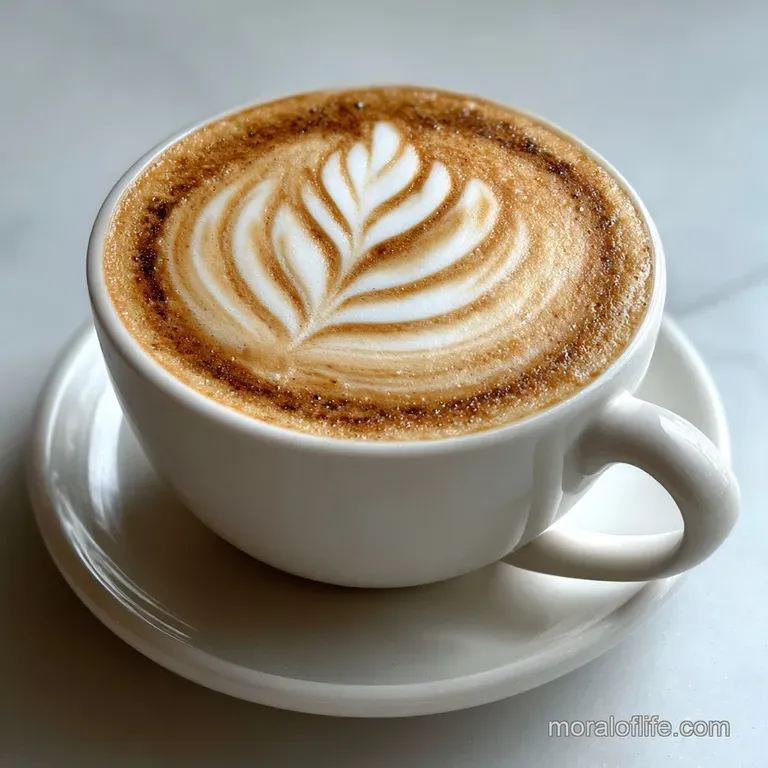
You don't need a massive espresso setup to make a killer Mochaccino recipe work. A simple French press or a handheld battery operated frother (like a Zulay) does wonders for the milk. The most important tool in your arsenal, however, is actually a sharp chef's knife.
You want to chop that dark chocolate so finely that it looks like coarse sand; this ensures it melts the second the hot coffee hits it.
If you are wondering "is mochaccino hot or cold," it is traditionally served hot to keep those fats in a liquid state. If you try to make this cold without melting the chocolate first, you'll end up with hard bits of wax in your drink.
A small milk steaming pitcher or even a glass jar with a tight lid (for the "shake" method of frothing) will work perfectly for the aeration phase.
The Path to Perfect Pours
- Chop the chocolate. Use a sharp knife to finely shave 20g dark chocolate into a heat proof glass or mug. Note: Smaller pieces melt faster and create a smoother ganache like base.
- Add the sweetener. Sprinkle 1 tsp raw cane sugar over the chocolate shavings.
- Brew the coffee. Pull a 60ml double shot espresso directly into the mug over the chocolate. Cook 30 seconds while stirring vigorously until the chocolate has completely dissolved into a dark, glossy liquid.
- Heat the milk. Warm 180ml whole milk in a small saucepan over medium heat until small bubbles form around the edges (about 150°F).
- Aerate the milk. Use your frother or whisk to beat the milk for 45 seconds until it doubled in volume and looks like wet paint.
- Tap and swirl. Tap the milk pitcher on the counter to pop any large bubbles, then swirl it gently to integrate the foam and liquid.
- Combine the layers. Pour the frothed milk slowly into the chocolate coffee mixture, holding back the thickest foam with a spoon until the mug is 80% full.
- Top it off. Spoon the remaining velvety foam over the top to create a thick, insulating layer.
- Garnish the top. Sift 1 tsp Dutch processed cocoa powder over the foam. Look for a clean, dark dusting that covers the white surface.
- Final touch. Give the drink one very gentle stir if you prefer a unified flavor, or leave it layered for a "what is mocha coffee" style visual appeal.
Fixes for Common Coffee Mistakes
Gritty Texture at the Bottom
This usually happens because the chocolate wasn't chopped finely enough or the espresso wasn't hot enough when it hit the cup. If you see chunks, the emulsion hasn't formed correctly. You can fix this by popping the mug in the microwave for 10 seconds and giving it another vigorous whisk.
Flat and Bubbly Foam
If your foam looks like dish soap bubbles rather than a smooth cloud, you've likely overheated the milk or didn't aerate it enough at the start. Milk proteins start to break down above 160°F, losing their ability to hold air. Always aim for that "hot but not boiling" sweet spot.
| Problem | Root Cause | Solution |
|---|---|---|
| Bitter aftertaste | Burned espresso or scorched milk | Pull a shorter shot; keep milk under 150°F |
| Watery mouthfeel | Using low-fat or skim milk | Stick to whole milk or high fat oat milk |
| Chocolate won't melt | Pieces too large | Grate the chocolate bar with a microplane next time |
Common Mistakes Checklist
- ✓ Using "cold" chocolate from the fridge (room temp melts much faster)
- ✓ Not stirring the espresso and chocolate immediately after brewing
- ✓ Boiling the milk (this destroys the creamy sweetness of the lactose)
- ✓ Over frothing until the foam becomes stiff and "dry" like a marshmallow
- ✓ Forgetting to tap the pitcher to remove large, unstable air bubbles
Creative Twists and Flavor Swaps
If you’re looking to change the vibe, the "Mochaccino vs mocha" debate often comes down to how much you want to taste the coffee. For a bolder morning, I sometimes skip the sugar and add a pinch of sea salt. The salt acts as a flavor magnifier, making the chocolate taste deeper and the coffee less bitter.
It’s a total game changer for those who find standard cafe drinks too sweet.
- If you want more decadence, do this: Add a drop of vanilla extract to the milk before frothing.
- If you want a holiday feel, do this: Stir the chocolate base with a peppermint stick.
- If you want a "Mayan" style, do this: Add a tiny pinch of cayenne pepper and cinnamon to the chocolate shavings.
Storage and Zero Waste Tips
Let's be real, coffee is always best fresh. However, if you find yourself with leftover espresso or chocolate coffee base, don't toss it! Pour the leftovers into an ice cube tray. These "mocha cubes" are incredible for iced coffee because they won't dilute your drink as they melt.
You can keep them in the freezer for up to 2 months in a sealed bag.
For the chocolate, if you chop too much, just keep the shavings in a small glass jar in your pantry. They are a great "pantry staple" for topping oatmeal or yogurt. If your milk is nearing its expiration date, you can actually pre steam it and keep it in the fridge for 24 hours.
It won't be as foamy when reheated, but it'll still be rich.
Serving Ideas for Better Sips
Presentation is half the fun with a drink like this. I love using a clear glass mug so you can see the dark chocolate coffee base transitioning into the snowy white foam. If you're hosting, try serving it alongside a small piece of shortbread or a biscotti.
The crunch of the biscuit against the velvety texture of the foam is pure bliss.
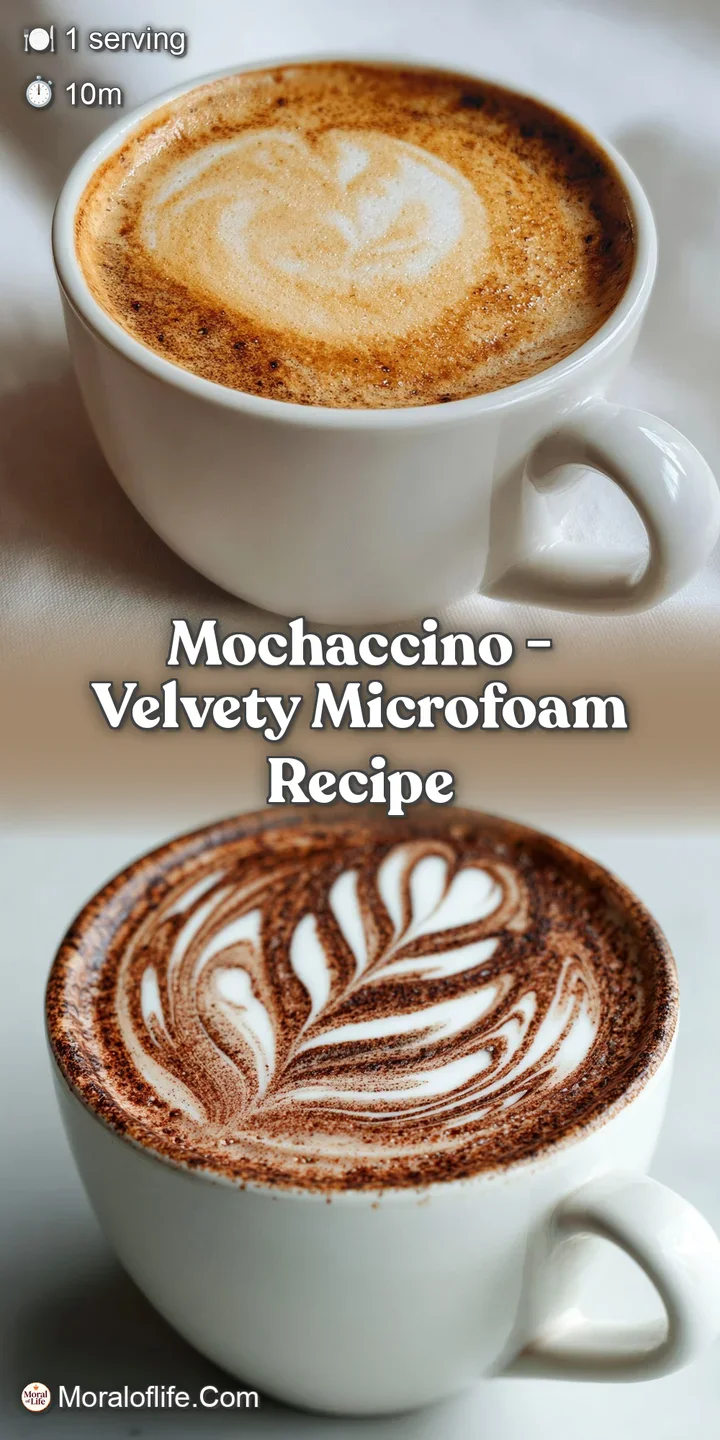
Chef's Tip: To get that perfect "cafe look," hold your cocoa powder sifter about 6 inches above the mug. This allows the powder to disperse evenly and prevents unsightly clumps from falling onto your beautiful microfoam.
Right then, you're all set to dominate your morning routine. Making a Mochaccino at home is one of those small rituals that feels like a luxury but only takes ten minutes of your time. Grab your favorite mug and get to chopping you deserve a drink that actually tastes like the effort you put into it!
Recipe FAQs
What is the difference between a mocha and a mochaccino?
A mochaccino adds a thick, airy foam layer on top. A standard mocha is a chocolate flavored latte, whereas a mochaccino integrates the texture of a cappuccino with the chocolate and coffee base.
What does mochaccino contain?
It contains espresso, dark chocolate, and frothed milk. Typically, it's made with a double shot of espresso, finely chopped dark chocolate that melts into it, and whole milk frothed to create a velvety microfoam topping.
Is mochaccino sweet or bitter?
It can be balanced, leaning slightly sweet or bitter depending on preparation. The dark chocolate provides richness and a potential bitter edge, while added sugar and the milk's natural sweetness contribute to the sweetness.
Is mochaccino coffee strong?
Yes, it's typically made with a double shot of espresso for a strong coffee flavor. The espresso provides the signature kick, which is balanced by the chocolate and milk, but the coffee intensity is definitely present.
Can I make a mochaccino with chocolate chips?
No, it's best to use a chocolate bar. Chocolate chips contain stabilizers that prevent them from melting smoothly, leading to a less velvety texture compared to finely chopped dark chocolate.
How do I get a good foam on my mochaccino?
Heat the milk to around 150°F and aerate vigorously with a frother or whisk. Ensure you use whole milk for best results, and tap the pitcher and swirl gently to integrate the foam after frothing.
Is mochaccino served hot or cold?
Traditionally, mochaccinos are served hot. Serving it hot allows the chocolate to remain fully melted and integrated, ensuring a smooth texture and preventing any solidified chocolate bits.
Mochaccino Recipe
Ingredients:
Instructions:
Nutrition Facts:
| Calories | 258 kcal |
|---|---|
| Protein | 7.9 g |
| Fat | 14.9 g |
| Carbs | 24.2 g |
| Fiber | 2.8 g |
| Sugar | 18.6 g |
| Sodium | 84 mg |
