Moist Lemon Cupcakes: Tender and Zesty
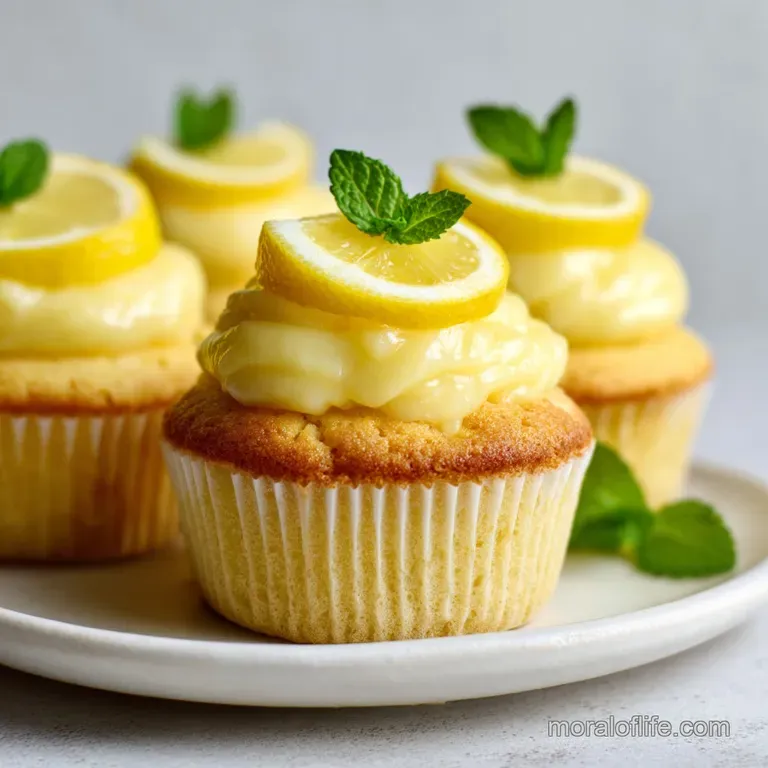
- Time: Active 15 minutes, Passive 20 minutes, Total 35 minutes
- Flavor/Texture Hook: Zesty, velvet soft crumb with a hidden molten citrus core
- Perfect for: Spring garden parties, bright birthday treats, or a simple weekend baking win
- The Secret to Baking Moist Lemon Cupcakes Every Time
- Vital Recipe Specifications for the Best Result
- Every Essential Ingredient for a Bright Zesty Finish
- Essential Kitchen Tools for Making the Best Cupcakes
- A Detailed Guide to the Complete Baking Process
- Troubleshooting Common Mistakes and Fixing Baking Errors
- Creative Ways to Make This Unique Recipe Yours
- The Ultimate Freezing and Reheating Guide for Freshness
- Perfect Pairing Ideas for a Vibrant Citrus Dessert
- Recipe FAQs
- 📝 Recipe Card
The Secret to Baking Moist Lemon Cupcakes Every Time
The moment you pull a tray of these out of the oven, your entire kitchen fills with that sharp, sunny aroma of hot citrus. It is a scent that immediately signals a "quick win" in the kitchen, especially when you realize the whole process takes just 35 minutes from start to finish.
I remember the first time I tried making lemon cupcakes for a friend's baby shower; I was so worried they would turn out dry or, worse, taste like floor cleaner. We have all been there, right? But this specific method changes everything.
You get that bakery style height and a crumb so soft it practically melts, all while hitting those bright, tangy notes that make people reach for a second one before they have even finished the first.
We are aiming for a result that balances the zing of fresh fruit with the rich, buttery sweetness of a classic treat. By focusing on how we handle the fat and the flour, we ensure a successful bake on the very first try. You do not need fancy equipment or a professional pastry degree to get these right.
We are going to lean into simple mixing techniques that prioritize texture and timing. If you have ever felt the pressure of "perfection" when baking, let that go. This is about creating crowd pleasing treats that look as vibrant as they taste.
The payoff here is huge for very little effort. In about 15 minutes of hands on work, you will have a batter ready to go. The rest of the time is just letting the oven do its thing.
We are going to use real, fresh ingredients no boxed mixes or artificial flavorings here because the difference in the final result is night and day. Get your lemons ready and let's get into why this particular formula works so well for that signature citrus pop.
Vital Recipe Specifications for the Best Result
Before we crack the first egg, it helps to look at the "how" and "why" of this recipe. Most people just cream butter and sugar and hope for the best, but we are taking a slightly different path to ensure that velvety texture. We want a cupcake that is sturdy enough to hold a filling but soft enough to feel elegant.
- Fat Coating: By beating the softened butter directly into the dry ingredients first, we coat the flour particles in fat. This acts as a physical barrier that prevents the flour from developing too much gluten once the liquids are added.
- Citrus Oil Release: Rubbing the zest into the sugar is not just for show. The abrasive nature of the sugar granules breaks open the tiny oil sacs in the lemon peel, distributing the flavor much more effectively than just tossing it into the batter.
- Acidic Balance: The buttermilk and lemon juice provide the necessary acid to react with the baking powder, ensuring a reliable rise and a tender crumb.
- Temperature Control: Using room temperature eggs and buttermilk prevents the butter from seizing up, which keeps the batter smooth and emulsified.
| Servings | Ingredient Adjustments | Pan Size | Cook Time |
|---|---|---|---|
| 12 Cupcakes | Standard Recipe (1x) | 12 cup Muffin Tin | 18-20 minutes |
| 24 Cupcakes | Double Ingredients (2x) | Two 12 cup Tins | 20-22 minutes |
| 48 Cupcakes | Quadruple Ingredients (4x) | Four 12 cup Tins | 22-25 minutes (rotate pans) |
When you are scaling this up for a larger crowd, remember that oven heat distribution becomes a factor. If you are baking 24 or 48 at once, you might need to add a couple of minutes to the timer and swap the position of the trays halfway through.
This ensures every single cupcake gets that even, golden finish we are looking for.
Ingredient Deep Dive
Understanding what each component brings to the party helps you become a more intuitive baker. We are not just tossing things in a bowl; we are building a structure. The flour provides the framework, while the sugar and fats provide the tenderness and moisture that keep these treats fresh for days.
| Ingredient | Science Role | Pro Secret |
|---|---|---|
| All Purpose Flour | Provides structure and base | Sift it with the baking powder for a lighter crumb |
| Granulated Sugar | Sweetens and tenderizes | Rub with zest first to maximize citrus aroma |
| Unsalted Butter | Adds richness and moisture | Must be truly "softened" (around 65°F) for easy mixing |
| Buttermilk | Adds tang and breaks down gluten | Use full fat buttermilk for the most luxurious texture |
The interplay between the buttermilk and the lemon juice is particularly important. While both are acidic, the buttermilk brings a creamy depth that balances the sharp brightness of the fresh lemon. This prevents the cupcakes from tasting one dimensional.
Every Essential Ingredient for a Bright Zesty Finish
When shopping for this recipe, the quality of your citrus is the most important factor. Look for lemons that feel heavy for their size and have a thin, smooth skin these are usually the juiciest.
If the skin is thick and bumpy, you will get more bitter pith and less of those fragrant oils we need for the sugar infusion.
- 190g All purpose flour: The foundation of our cupcake. Why this? Provides enough structure to hold the lemon curd filling without being heavy.
- 200g Granulated sugar: For sweetness and browning. Why this? Its crystals are the perfect size for extracting oils from the lemon zest.
- 6g Baking powder: Our primary leavening agent. Why this? Reacts with the acidic buttermilk to create a fluffy, airy rise.
- 2g Salt: A flavor enhancer. Why this? Just a pinch balances the sugar and makes the lemon flavor pop.
- 115g Unsalted butter, softened: The fat source for the batter. Why this? Unsalted allows you to control the exact salt content of the bake.
- 2 units Large eggs: At room temperature. Why this? Eggs provide structure and emulsify the batter for a smooth finish.
- 120ml Buttermilk: The secret to tenderness. Why this? The acidity ensures the crumb stays soft and moist for days.
- 15ml Fresh lemon juice: For the batter's primary tang. Why this? Fresh juice has a vibrant acidity that bottled juice lacks.
- 12g Fresh lemon zest: The source of the aroma. Why this? Contains the essential oils that define the "Lemon Cupcakes" experience.
- 5ml Vanilla extract: A background note. Why this? Vanilla rounds out the sharp edges of the citrus for a "bakery" taste.
- 120g Prepared lemon curd: For the hidden center. Why this? Adds a concentrated burst of flavor and a creamy texture change.
- 225g Unsalted butter, softened: For the velvety frosting base. Why this? Higher fat content ensures the frosting holds its shape when piped.
- 480g Powdered sugar: The bulk of the frosting. Why this? Dissolves quickly for a smooth, non gritty buttercream finish.
- 30ml Heavy cream: To adjust frosting consistency. Why this? Adds a rich, whipped cream like mouthfeel to the buttercream.
- 10ml Fresh lemon juice: For the frosting's flavor. Why this? Cuts through the sweetness of the powdered sugar.
| Original Ingredient | Substitute | Why It Works |
|---|---|---|
| Buttermilk (120ml) | Whole milk + 1 tsp lemon juice | Mimics the acidity needed to activate the baking powder. |
| All purpose Flour | Cake Flour (equal weight) | Results in an even finer, more delicate crumb texture. |
| Granulated Sugar | Caster Sugar | Finer crystals dissolve faster, which can lead to a smoother batter. |
It is worth noting that if you use cake flour as a substitute, your cupcakes might be slightly more fragile. This is fine for eating, but be extra gentle when you are coring them out for the lemon curd filling. The structure of all purpose flour is generally a bit more forgiving for beginners.
Essential Kitchen Tools for Making the Best Cupcakes
You don't need a professional grade kitchen, but a few specific tools make the process much smoother. I personally love using a stand mixer because it allows me to multitask, but a hand mixer works perfectly well for this recipe too.
The key is having tools that allow for even mixing without incorporating too much air at the wrong stages.
For the batter, a large mixing bowl is essential. You want enough room to whisk the dry ingredients without flour flying everywhere. A separate jug for the liquid ingredients is also a pro move; it makes it much easier to gradually pour the egg mixture into the dry base without creating a mess.
When it comes to the lemon zest, a microplane or a fine grater is your best friend. You want tiny, delicate shards of zest that will disappear into the batter while leaving all their flavor behind.
When we get to the filling and frosting stage, a simple apple corer is a game changer for removing the centers of the cupcakes. If you don't have one, a small paring knife works, but the corer gives you a neat, uniform hole every time.
For the frosting, a piping bag with a star tip (like a Wilton 1M or 2D) gives you that professional, swirled look that makes these cupcakes look like they came from a high end bakery.
A Detailed Guide to the Complete Baking Process
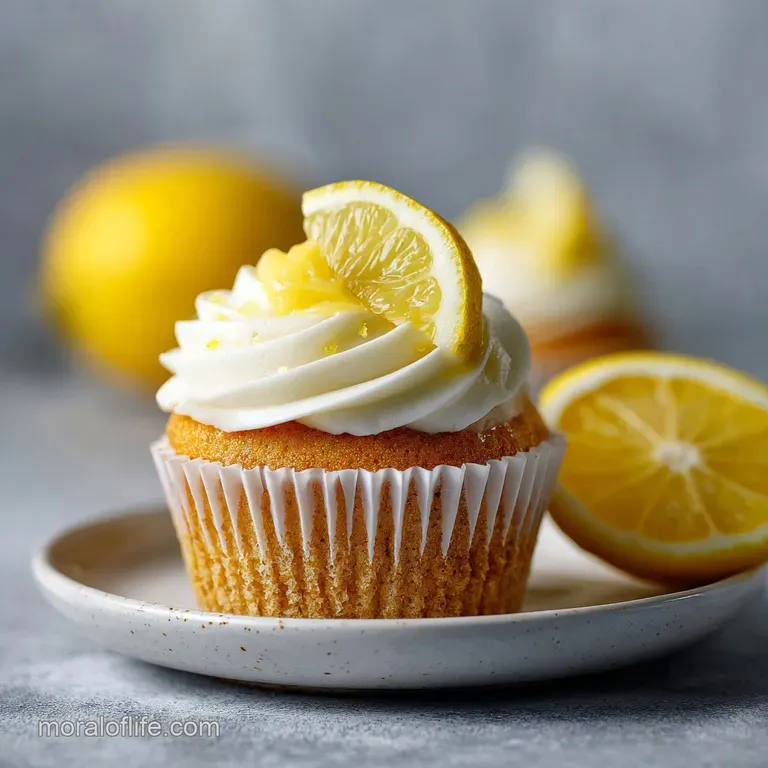
Now, let's get into the actual rhythm of the kitchen. Follow these steps closely, and pay attention to the sensory cues like the smell of the citrus and the visual look of the batter. These are your best indicators of success.
1. Infusion & Dry Base
Preheat your oven to 350°F (175°C) and line a standard 12 cup muffin tin with paper liners. In a large mixing bowl, combine the granulated sugar (200g) and lemon zest (12g).
Rub the zest into the sugar with your fingertips for about 2 minutes until the sugar is damp and smells intensely like citrus. Whisk in the all purpose flour (190g), baking powder (6g), and salt (2g) until fully combined.
2. The Coating Method
Add 115g of softened unsalted butter to the dry ingredients. Use an electric mixer on low speed to beat the butter into the flour mixture for about 1-2 minutes until the mixture resembles fine breadcrumbs.
Note: This coating of the flour particles prevents excessive gluten development, ensuring the cupcakes stay tender.
3. Emulsifying the Liquids
In a separate jug, whisk together the 2 large eggs, 120ml buttermilk, 15ml fresh lemon juice, and 5ml vanilla extract. Gradually pour the liquid into the dry mixture in two stages. Beat on medium speed for about 45 seconds after each addition until the batter is just combined and looks smooth.
Do not overmix, or you will lose that light texture.
4. The Bake & Sensory Cues
Divide the batter evenly among the 12 liners, filling them about two thirds full. Bake for 18-20 minutes. You will know they are done when they are slightly golden on the edges and a toothpick inserted into the center comes out clean or with just a few moist crumbs.
Transfer them to a wire rack to cool completely. They must be cold before you add the filling.
5. Filling and Finishing
Using an apple corer or small knife, remove the center of each cooled cupcake, going about halfway down. Spoon or pipe approximately 10g (2 tsp) of lemon curd (120g total) into each cavity. The curd should sit flush with the top of the cupcake.
6. The Velvety Frosting
For the frosting, beat 225g softened butter until pale and fluffy (about 3 minutes). Gradually add the 480g powdered sugar, 30ml heavy cream, and 10ml fresh lemon juice. Whip on high speed for 3-5 minutes until the frosting is velvety and holds a firm peak.
Pipe onto the cupcakes using a star tip, starting from the outside and spiraling inward.
Chef's Note: If your kitchen is very warm, pop the frosting in the fridge for 10 minutes before piping. This helps it hold those crisp, defined edges from the star tip.
Troubleshooting Common Mistakes and Fixing Baking Errors
Even the best bakers run into hiccups. The key is knowing how to spot the issue before it ruins the whole batch. Most cupcake problems come down to temperature either of the ingredients or the oven itself.
If your ingredients are too cold, the batter won't emulsify, and you'll end up with a greasy or dense cake.
Why Your Cupcakes Sunk in the Middle
This usually happens if the oven door is opened too early or if there is too much leavening agent. When you open the oven door, the sudden drop in temperature can cause the delicate structure of the rising cake to collapse.
Also, check the expiration date on your baking powder; if it is old, it won't provide the "lift" needed to keep the centers held up.
Why the Frosting is Grainy
Grainy frosting is almost always a result of the powdered sugar not being fully incorporated or using a butter that was too cold. If you find your frosting is gritty, keep whipping it on high speed for another 2 minutes. The friction and heat from the mixer will help dissolve those tiny sugar crystals.
If it still won't smooth out, add a tiny splash more of heavy cream.
| Problem | Root Cause | Solution |
|---|---|---|
| Dry, crumbly cake | Overbaked or too much flour | Reduce bake time by 2 mins; use a kitchen scale for flour. |
| Greasy liners | Butter was too melted in batter | Ensure butter is "cool room temp," not oily or shiny. |
| Filling leaking out | Cupcake cored too deeply | Only core halfway down to leave a sturdy base at the bottom. |
Common Mistakes Checklist
- ✓ Always use room temperature eggs and buttermilk to prevent the batter from curdling.
- ✓ Do not overfill the liners; two thirds full is the sweet spot for a flat top perfect for frosting.
- ✓ Let the cupcakes cool 100% before filling; warm cake will melt the lemon curd and make it runny.
- ✓ Sift your powdered sugar if it looks lumpy; this is the only way to get a truly velvety buttercream.
- ✓ Preheat your oven for at least 20 minutes before baking to ensure the heat is stable and even.
Creative Ways to Make This Unique Recipe Yours
Once you have mastered the base recipe, you can start playing with the flavors to suit different occasions. The beauty of these lemon cupcakes is their versatility. You can lean into the floral side or add a bit of spice to change the profile entirely.
If you are looking for a different vibe, you might want to try a version with a different citrus fruit. Lime or orange works beautifully using the exact same measurements. For a more sophisticated twist, try adding a teaspoon of dried culinary lavender to the sugar while you rub in the lemon zest. The floral notes of the lavender pair perfectly with the sharp citrus. If you're planning a celebratory brunch, these would be a fantastic follow up to a Savory Croissant Bake, providing a bright, sweet contrast to the rich, savory flavors of the meal.
2 Flavor Twists
- Lemon Raspberry: Press a single fresh raspberry into the batter of each cupcake before baking. The berry will burst during baking, creating a beautiful jammy pocket that complements the lemon curd.
- Earl Grey Lemon: Steep two Earl Grey tea bags in the buttermilk while it comes to room temperature. This adds a subtle, bergamot scented tea flavor that feels incredibly high end and pairs perfectly with the lemon.
2 Diet Swaps
- dairy-free Version: Use a high-quality vegan butter stick and replace the buttermilk with soy milk mixed with a teaspoon of apple cider vinegar. The texture will be slightly less rich but still very tender.
- gluten-free Version: Swap the all purpose flour for a 1 to-1 gluten-free baking blend (like King Arthur or Cup4Cup). Because this recipe uses the reverse creaming method, the gluten-free version actually turns out remarkably well!
The Ultimate Freezing and Reheating Guide for Freshness
These cupcakes are surprisingly sturdy, but they are at their absolute best on the day they are made. Because of the high sugar and fat content, they stay moist for a few days, but the refrigerator can sometimes dry out the sponge if it's not stored correctly.
To keep them fresh at room temperature, place them in an airtight container. They will stay soft and velvety for up to 3 days. If you need to keep them longer, the fridge is your best bet, but be sure to take them out about 30 minutes before serving.
Cold buttercream has the texture of a stick of butter you want it to soften up so it feels creamy and light on the tongue.
Freezing and Storage Rules
You can freeze the un frosted, filled cupcakes very successfully. Wrap each one tightly in plastic wrap and place them in a freezer safe bag. They will stay fresh for up to 2 months. When you are ready to eat them, let them thaw at room temperature for about 2 hours, then frost them fresh.
I do not recommend freezing the frosted cupcakes, as the buttercream can sometimes take on a strange texture or absorb freezer odors.
Zero Waste Tips
If you find yourself with extra lemon zest, don't throw it away! Mix it with a bit of salt and let it dry out on the counter; it makes a fantastic lemon salt for seasoning grilled chicken or fish. Also, if you have leftover lemon curd, it is wonderful stirred into Greek yogurt or spread on a piece of morning toast.
Never let those bright citrus flavors go to waste.
Perfect Pairing Ideas for a Vibrant Citrus Dessert
When it comes to serving these, I like to think about color balance and garnish strategy. We want the visual to match the flavor. Since the cupcakes are a soft yellow and white, adding a tiny pop of green makes them look professional.
A tiny sprig of fresh mint or a very thin sliver of lime zest on top of the frosting swirl adds that "presentation" factor.
If you are hosting a party, these cupcakes are the ideal finish for a menu that starts with something fruity and light, like a Fresh Cranberry Cake. The tartness of the cranberry and the zing of the lemon create a beautiful citrus themed dessert spread. For drinks, a cold glass of Earl Grey iced tea or a dry Prosecco works wonders. The bubbles in the Prosecco cut through the richness of the buttercream, making each bite feel fresh.
| Method | Time | Texture | Best For |
|---|---|---|---|
| Freshly Baked | 35 mins | Ultra soft and airy | Same day events and parties |
| Fridge Rested | 24 hours | Denser, more set filling | Making ahead for busy mornings |
| Countertop | 2 days | Classic cupcake feel | Casual snacking and lunchboxes |
Color Accents and Garnish
- 1. Primary Yellow
- Ensure your lemon curd is visible by piping a small dot of it on top of the frosting swirl.
- 2. Bright White
- Use the heavy cream in the frosting to get it as white as possible, creating a clean backdrop for the citrus.
- 3. Pale Green
- A single, tiny mint leaf or a micro plane dusting of lime zest provides the essential color contrast that signals "freshness."
Kitchen Myths Debunked
- Myth: Bottled juice is the same as fresh. Truth: Bottled juice is pasteurized and often contains preservatives that dull the flavor. Fresh juice has volatile compounds that provide that signature "zing" which makes the cupcakes stand out.
- Myth: Overmixing makes cakes fluffier. Truth: Overmixing develops gluten and knocks out air, leading to a tough, rubbery cupcake rather than a soft one. Stop as soon as the flour disappears.
- Myth: You must cream butter and sugar first. Truth: The reverse creaming method used here (butter into flour) creates a more level top and a more velvety crumb, which is much better for filled cupcakes.
"If you want a sharper tang, add more zest, not more juice." Adding too much liquid can throw off the chemistry of the bake, but zest adds pure flavor without changing the moisture levels. Trust the process, and you'll have 12 beautiful, bakery quality treats ready to impress!
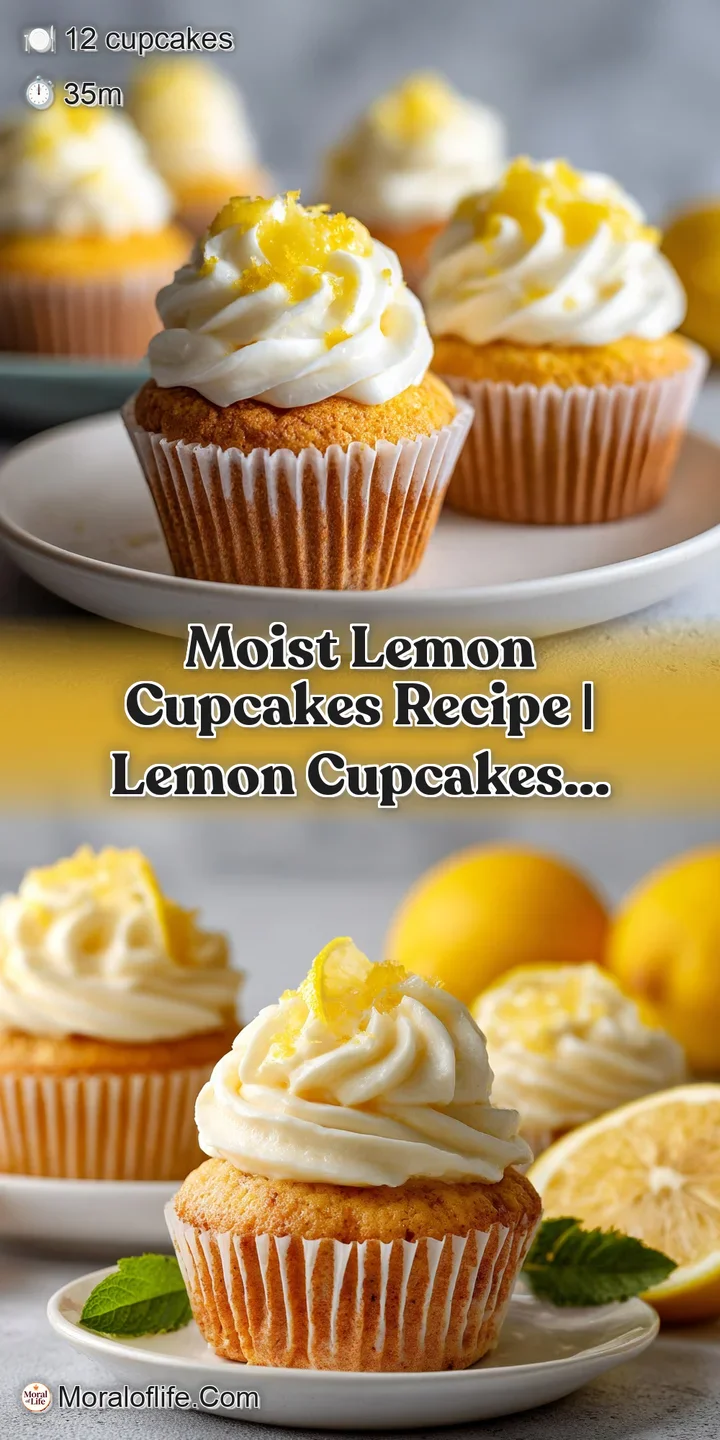
Recipe FAQs
What kind of frosting goes on lemon cupcakes?
A lemon infused buttercream frosting is the standard pairing. It is made by whipping 225g of softened butter with powdered sugar, heavy cream, and 10ml of fresh lemon juice until light and velvety.
What gives lemon cupcakes their flavor?
The primary flavor comes from rubbing fresh lemon zest into the granulated sugar. This technique releases the citrus oils directly into the sugar, which infuses the entire batter, while the 15ml of added lemon juice provides the necessary acidity.
What makes Ina Garten's lemon cake special?
This recipe achieves similar gourmet results by prioritizing fat and acidity balance. If you enjoyed mastering the sensory doneness cues here by checking for a clean toothpick after 18-20 minutes of baking, apply those same observation skills to our citrus forward drink pairings for consistent, professional grade results.
What does lemon juice do to cupcakes?
It provides essential acidity that tenderizes the crumb and brightens the flavor profile. When added to the batter, the juice reacts with the other ingredients to create a light, soft texture while cutting through the richness of the butter.
Is it true I must use cake flour for these to be light?
No, this is a common misconception. You can achieve a delicate, airy crumb using all-purpose flour if you are careful not to overmix the batter once the wet ingredients are added.
How to ensure the cupcakes do not become greasy?
Ensure all your ingredients are at room temperature before mixing. Using cold butter or eggs prevents proper emulsification, which leads to a dense, oily texture rather than a light, airy sponge.
How to tell when the cupcakes are finished baking?
Insert a toothpick into the center of the cupcake. The cupcakes are done when the toothpick comes out clean after 18-20 minutes of baking at 350°F (175°C).
Moist Lemon Cupcakes Recipe
Ingredients:
Instructions:
Nutrition Facts:
| Calories | 535 kcal |
|---|---|
| Protein | 2.9 g |
| Fat | 26.1 g |
| Carbs | 73.9 g |
| Fiber | 0.4 g |
| Sugar | 63.8 g |
| Sodium | 118 mg |
