Pineapple Peach Agua Fresca Recipe
- Time: Active 15 minutes, Passive 0 minutes, Total 15 minutes
- Flavor/Texture Hook: Velvety, sun drenched, and bright
- Perfect for: A normal Tuesday or a backyard gathering
- How to Make Refreshing Pineapple Peach Agua Fresca
- Why This Fruit Blend Works
- Science Behind the Fruit Components
- Gathering Your Fresh Ingredients
- Necessary Equipment for Smooth Blending
- Master the Easy Mixing Process
- Troubleshooting Common Drink Issues
- Flavorful Variations and Substitutes
- Guidelines for Storage and Scaling
- Creative Serving and Presentation Tips
- Recipe FAQs
- 📝 Recipe Card
How to Make Refreshing Pineapple Peach Agua Fresca
Standing in my kitchen on a humid Tuesday, I looked at a bowl of peaches that were approximately ten minutes away from becoming a fruit fly convention. They were soft, heavy with juice, and smelled so fragrant they filled the entire room.
I had some pineapple chunks left over from lunch, and honestly, the thought of standing over a hot stove to make a cobbler felt like a chore I wasn't ready for. I wanted something cold, something that didn't come out of a plastic bottle with a list of ingredients I couldn't pronounce.
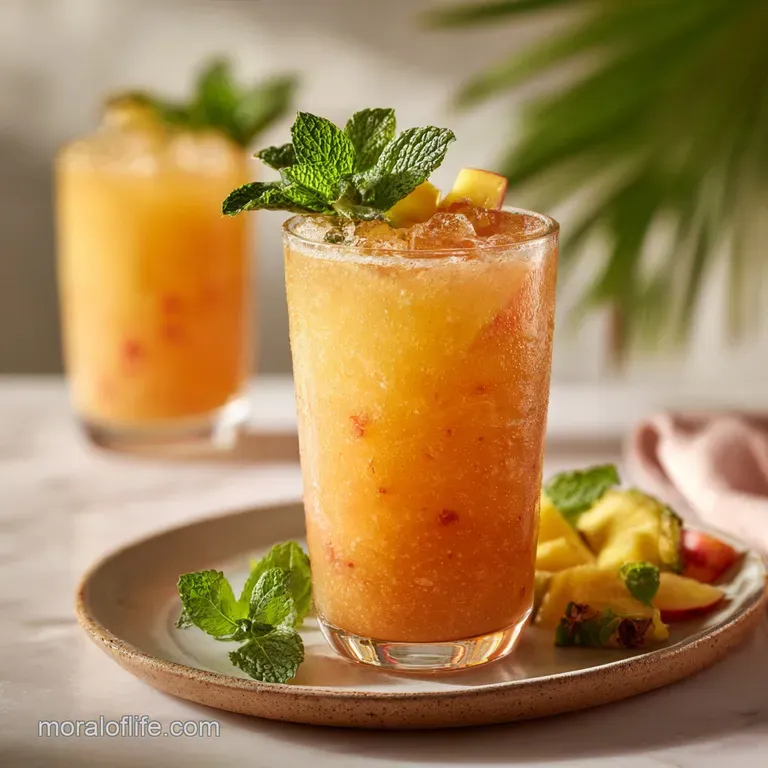
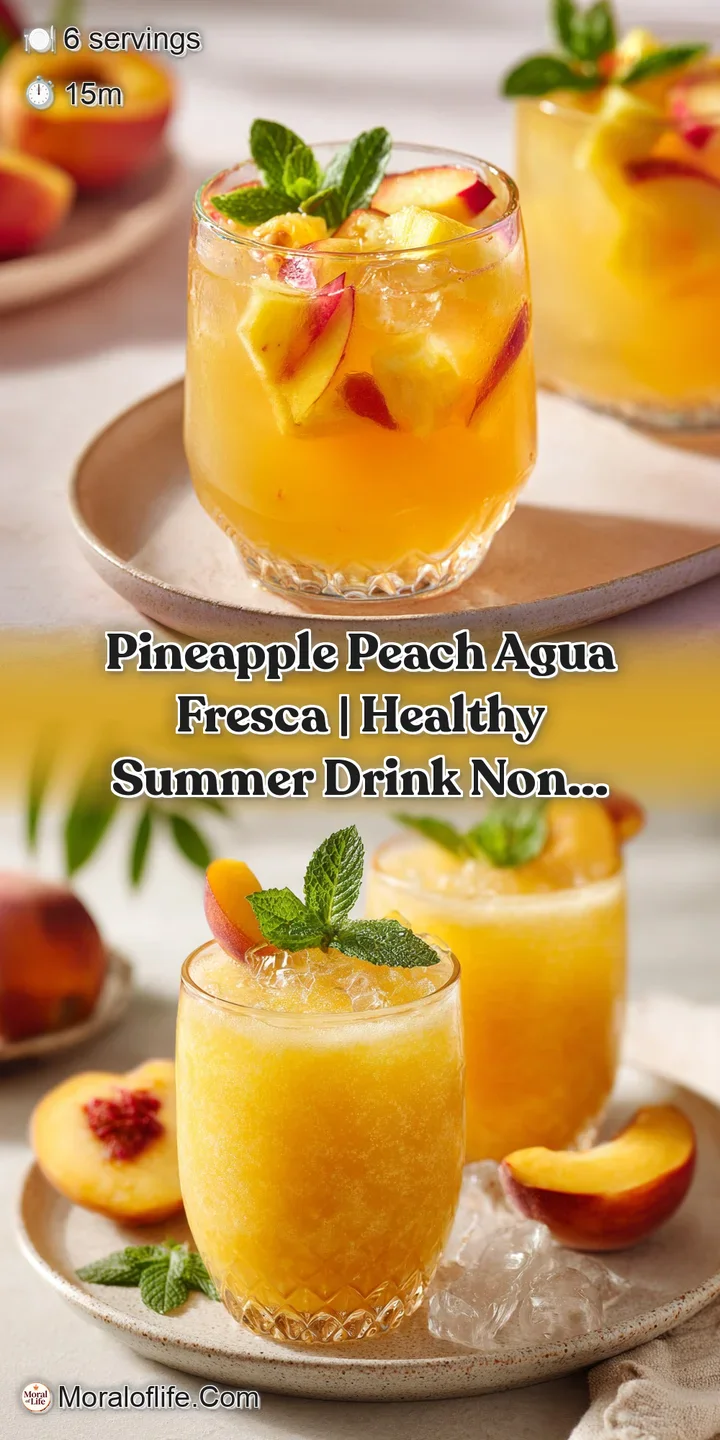
That is how this specific blend was born. I threw the fruit into my blender, added a splash of lime, and watched as it turned into a shimmering, sunset colored liquid. It wasn't just juice; it was lighter, more breathable, and felt like a cold wave hitting the shore.
The way the tart pineapple cuts through the velvety sweetness of a ripe peach is something you simply have to experience to understand.
This recipe is my dependable go to whenever the weather turns warm. We've all had those watered down versions at fairs, but we're moving past that today. You're going to learn how to balance the natural sugars with the right amount of acidity so every glass tastes like a professional bistro drink made in your own kitchen.
It's simple, honest, and uses minimal tools to get you from "thirsty" to "refreshed" in about fifteen minutes.
Why This Fruit Blend Works
Suspension Stability: Blending whole fruit creates a suspended solid solution where the pectin from the peaches acts as a natural thickener, giving the water a velvety body.
Filtering then removes the heavy insoluble fibers while keeping the aromatic compounds that provide that sun drenched flavor profile.
Acidic Brightness: The citric acid in the lime juice doesn't just add flavor; it acts as a pH balancer that prevents the natural sugars in the pineapple from tasting cloying. This creates a crisp finish that cleanses the palate after every sip.
Cold Infusion Extraction: Using filtered water as a solvent allows the volatile aromatic compounds in the mint and fruit to release without the bitterness that often comes from heating delicate ingredients. It keeps the flavors raw and punchy.
If you are planning a weekend spread, this drink sits beautifully alongside a hearty Puerto Rican Rice recipe. The brightness of the peach helps cut through the savory, rich notes of the rice, making it a dependable pairing for any family meal.
| Texture Preference | Blending Time | Strainer Type | Visual Cue |
|---|---|---|---|
| Naturally Thick | 30 seconds | None (No straining) | Opaque with visible pulp |
| Smooth/Bistro Style | 60 seconds | Fine mesh sieve | Translucent and shimmering |
| Silky/Clear | 90 seconds | Cheesecloth | Bright, jewel toned liquid |
Science Behind the Fruit Components
The way these ingredients interact is actually quite fascinating once you get into the chemistry of the kitchen. Pineapple contains an enzyme called bromelain, which usually breaks down proteins, but in a drink like this, it works with the lime to keep the liquid from feeling "slimy." Meanwhile, the peaches provide a dose of soluble fiber that binds the water molecules together, ensuring the drink doesn't separate five minutes after you pour it.
| Ingredient | Science Role | Pro Secret |
|---|---|---|
| Fresh Pineapple | Enzyme carrier | Use the core for extra juice; it’s where the tartness hides |
| Ripe Peaches | Pectin source | Keep the skins on during blending for a deeper sunset hue |
| Filtered Water | Neutral solvent | Temperature matters; start with room temp to dissolve nectar better |
| Agave Nectar | Hygroscopic sweetener | It dissolves instantly in cold liquids unlike granulated sugar |
A paragraph is necessary here to separate these two tables and ensure the layout remains clean and readable for your home cooking journey. We're focusing on how these components create a balanced mouthfeel that isn't just "sweet water" but a complex, layered beverage.
Gathering Your Fresh Ingredients
- 3 cups fresh pineapple: Peeled and cubed (approx. 450g). Why this? Provides the structural acidity and tropical backbone of the drink.
- 3 large ripe peaches: Pitted and sliced (approx. 450g). Why this? Adds a velvety texture and a floral sweetness that lingers.
- 6 cups filtered water: Divided for blending and thinning. Why this? Using filtered water ensures no chlorine taste interferes with the fruit.
- 3 tablespoons agave nectar: For a gentle, low glycemic sweetness. Why this? Agave has a neutral flavor that lets the peach shine.
- 2 tablespoons fresh lime juice: Zesty and bright. Why this? Acts as a preservative and a flavor sharpener.
- 5 fresh mint leaves: For a cool, aromatic finish. Why this? Adds a layer of complexity that keeps the drink from feeling "one note."
Necessary Equipment for Smooth Blending
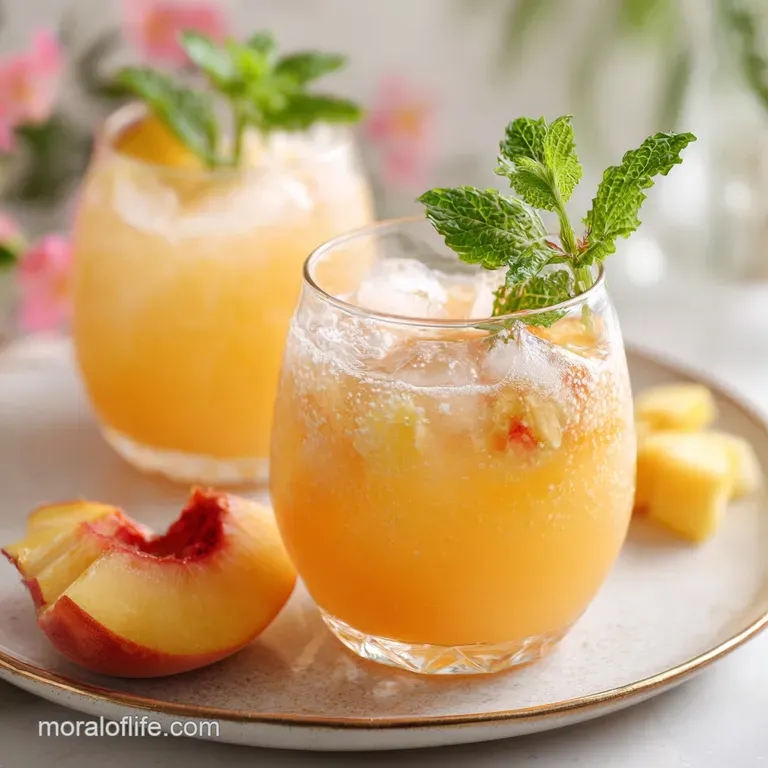
You don't need a professional kitchen for this, but a high speed blender is your best friend here. It helps pulverize the peach skins and pineapple fibers so you get the maximum amount of flavor extraction.
If you're using a standard blender, you might just need to run it for an extra thirty seconds to make sure everything is completely broken down before you move to the straining phase.
A fine mesh strainer is the second non negotiable tool. While some people like the pulp, a true Pineapple Peach Agua Fresca is traditionally smooth. I use a stainless steel sieve that fits right over my large glass pitcher.
This catches the fibrous bits that can make the drink feel "chewy," which is exactly what we want to avoid on a hot day. Finally, a long wooden spoon or a glass stirrer is helpful for incorporating the agave at the end.
Master the Easy Mixing Process
- Prep the fruit. Peel and cube the pineapple, and slice the peaches after removing the pits. Note: Keep the peach skins on for more color.
- Blend the base. Place the pineapple and peach slices into the blender with 2 cups of the filtered water.
- Liquefy the solids. Pulse until the mixture is a consistent, vibrant puree until no large chunks remain.
- Strain the mixture. Pour the puree through a fine mesh sieve into a large pitcher. Note: Use a spoon to press the solids to extract every drop of nectar.
- Incorporate the water. Stir in the remaining 4 cups of filtered water until the color is uniform and shimmering.
- Add the sweetener. Pour in the agave nectar and the fresh lime juice.
- Infuse the aromatics. Slap the mint leaves between your palms to release the oils and drop them into the pitcher.
- Stir and chill. Give it a final whisk with a long spoon until the agave is fully dissolved.
- Taste and adjust. Sip a small amount to see if it needs an extra squeeze of lime or another drizzle of agave.
- Serve cold. Pour over plenty of ice until the glass frosts over.
Troubleshooting Common Drink Issues
One mistake I once made was using peaches that were as hard as baseballs. The result was a drink that tasted more like grass than fruit. If your peaches aren't giving slightly when you press them, they aren't ready for this recipe. You'll end up with a watery, tart mess instead of the velvety nectar we're aiming for.
Impact of fruit ripeness
The texture of your drink depends entirely on the sugar to starch ratio of your fruit. As fruit ripens, starches convert to sugars and pectin softens. If you use underripe fruit, the drink will separate quickly and have a grainy mouthfeel. Trust me on this: wait for the fruit to be soft and fragrant.
| Problem | Root Cause | Solution |
|---|---|---|
| Bitter Aftertaste | Over blended mint or lime pith | Add mint at the end; only use juice, not the lime peel |
| Too Much Foam | High speed blending air bubbles | Let the pitcher sit for 5 mins or skim the top with a spoon |
| Separation in Glass | Not enough peach pectin | Whisk vigorously before pouring or add a teaspoon more agave |
Common Mistakes Checklist
- ✓ Never use canned pineapple in syrup; the metallic taste will ruin the fresh profile.
- ✓ Always slap your mint leaves rather than chopping them to avoid a "grassy" flavor.
- ✓ Use room temperature water for the initial blend to help the sugars dissolve.
- ✓ Don't skip the straining step if you want that professional, bistro style clarity.
- ✓ Taste your fruit first; if the pineapple is very sour, you'll need 1 extra tablespoon of agave.
Flavorful Variations and Substitutes
If you're looking for something with a bit more of a "wow" factor for a party, you can easily turn this into a sparkling version. Instead of adding all 6 cups of still water, use only 2 cups for blending and then top the pitcher off with 4 cups of chilled sparkling mineral water or club soda right before serving.
The bubbles lift the peach aroma straight to your nose.
For those watching their sugar intake, this can easily become a healthy Pineapple Peach Agua Fresca. You can omit the agave entirely if your fruit is peak season sweet, or swap it for a few drops of liquid stevia. If you have extra fruit left over from your prep, they work surprisingly well in my Mountain Dew Apple Dumplings recipe, which offers a completely different way to enjoy those summer flavors.
| Original Ingredient | Substitute | Why It Works |
|---|---|---|
| Agave Nectar | Honey | Thicker texture and a floral note. Note: May not dissolve as easily in cold water |
| Fresh Lime | Lemon Juice | Similar acidity but a slightly sweeter citrus profile |
| Fresh Peaches | Frozen Peaches | Good for off season. Note: Will make the drink colder but slightly less fragrant |
Guidelines for Storage and Scaling
This drink is at its absolute best the moment it's made, but it will keep in the fridge for up to 3 days. Just remember that it is a natural product without stabilizers, so it will separate. A quick stir with a long spoon will bring it back to its original glory.
For zero waste, don't throw away the fruit pulp left in the strainer! You can stir it into oatmeal or mix it with yogurt for a quick breakfast.
If you need to scale this up for a crowd, it's a very forgiving process. For a double batch (12 servings), simply double the fruit and water. However, I suggest only increasing the agave and lime to 1.5x the original amount first. Taste it, then add more if needed. Sometimes, doubling the acid can make the drink a bit too sharp. If you enjoy this type of fruit forward treat, you might also like my Pineapple Upside Down recipe, which uses similar tropical notes in a more indulgent format.
Creative Serving and Presentation Tips
To make this feel like a special treat rather than just a "normal Tuesday" drink, the presentation is key. I like to use wide mouthed jars or tall Collins glasses. Rub a lime wedge around the rim and dip it into a mixture of sugar and a pinch of salt for a professional finish.
It highlights the sweetness of the peach while making the whole experience feel like a vacation in a glass.
Adding a spicy kick
If you want to lean into the traditional Mexican street fair vibe, add a sprinkle of Tajin or chili lime seasoning to the rim of the glass. The heat from the chili against the ice cold Pineapple Peach Agua Fresca is an incredible contrast.
You can also add a few thin slices of fresh jalapeño directly into the pitcher for a slow burning heat that develops as the drink sits.
Incorporating bubbles and fizz
For a lighter, more effervescent experience, try replacing the still water with ginger ale or a light tonic water. This changes the flavor profile significantly, adding a spicy ginger bite that complements the pineapple beautifully.
It's a great way to turn a simple afternoon refresher into a sophisticated non alcoholic mocktail for evening gatherings. Just be sure to pour the carbonated liquid slowly to keep the fizz alive!
Recipe FAQs
Do peach and pineapple go well together?
Yes, they create an excellent balance. The tropical tang of the pineapple cuts through the deep, velvety sweetness of the ripe peach, resulting in a vibrant, layered flavor profile.
Is pineapple water fresca good for you?
Yes, it is generally beneficial in moderation. Made with whole fruit, it provides hydration and vitamins, far surpassing commercial juices. However, be mindful of added sweeteners like agave.
What shouldn't you mix with pineapple in an agua fresca?
Avoid ingredients that brown quickly without acid stabilization. Without enough lime or lemon, the natural enzymatic browning can look unappetizing, though the flavor remains safe.
What is agua fresca peach?
Agua fresca peach is a light, refreshing Mexican beverage. It is made by blending fresh, ripe peaches with water, a sweetener, and often lime juice, resulting in a drink lighter than a juice but richer than plain flavored water.
How to achieve a smooth, bistro style texture?
Blend the fruit for a full 60 seconds and then strain thoroughly. Blending the fruit long enough breaks down the pectin, and a fine mesh sieve removes the fibrous solids that cause graininess.
Can I make this recipe ahead of time?
Yes, but aim to consume it within 72 hours. While it stores well, the natural separation will occur, requiring a vigorous stir before serving. If you master this fresh blending technique, you can apply the texture control principles to our Coconut Cream Ice recipe.
How to scale this recipe for a large party?
Double the fruit and water, but initially increase sweeteners and acid by only 1.5 times. Taste the larger batch before adding more sweetener, as the concentration of natural sugars can vary widely between batches of fruit.
Pineapple Peach Agua Fresca
Ingredients:
Instructions:
Nutrition Facts:
| Calories | 104 kcal |
|---|---|
| Protein | 1.1 g |
| Fat | 0.3 g |
| Carbs | 26.2 g |
| Fiber | 2.2 g |
| Sugar | 22.8 g |
| Sodium | 4 mg |
