Pioneer Woman Cinnamon Bread: Tender and Buttery
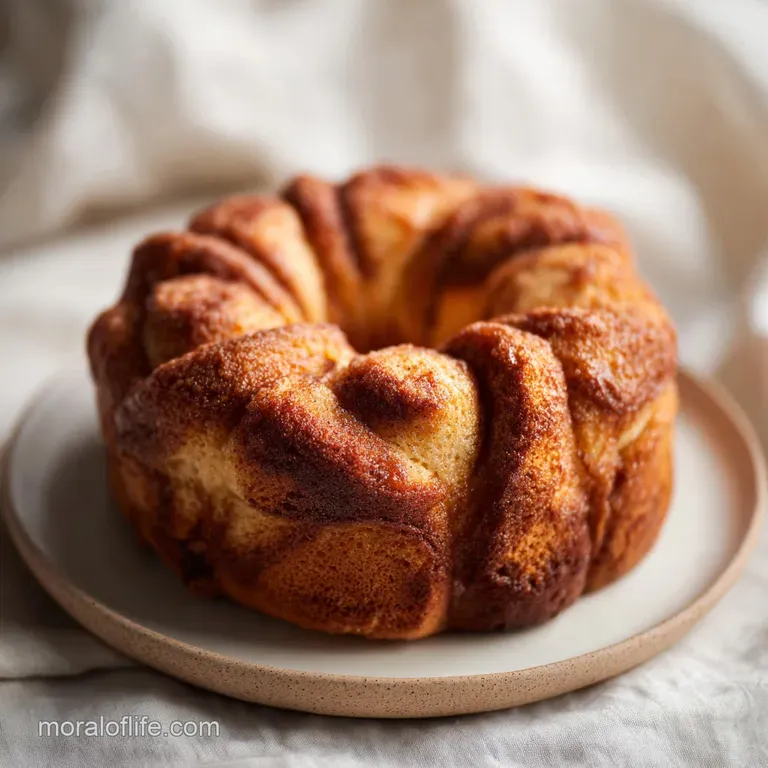
- Time:20 minutes active + 2 hours 15 mins rising/chilling = 185 minutes total
- Flavor/Texture Hook: Sweet, buttery crumb with a syrupy, spicy cinnamon spiral
- Perfect for: Weekend brunch, gifting to neighbors, or the ultimate French toast
- Secrets Behind the Perfect Swirl
- Essential Stats for Better Baking
- Essential Ingredients for Velvety Crumb
- Tools for a Perfect Rise
- Step-by-Step Swirl Bread Mastery
- Fixing Common Dough and Swirl Issues
- Scaling Your Homemade Yeast Bread
- Truths About Yeast and Cinnamon
- Easy Swaps for Different Diets
- Storage Tips for Lasting Freshness
- Creative Ways to Serve Your Bread
- Recipe FAQs
- 📝 Recipe Card
Secrets Behind the Perfect Swirl
When we talk about what makes this recipe tick, it really comes down to how we handle the fats and the yeast. Most people treat bread like a chore, but once you understand why we scald the milk or why the egg matters, it becomes a bit like a fun kitchen experiment.
- Enrichment Power: Adding butter and an egg to the dough interferes with long gluten strands. Instead of a chewy, crusty baguette, this creates a "short" crumb that feels velvety and tender on the tongue.
- The Sugar Feed: Yeast loves the granulated sugar we add at the start. It provides immediate fuel for the carbon dioxide production, which is what gives us those airy pockets and a high, proud rise.
- Moisture Management: Using warm milk (exactly 110°F) helps the yeast wake up without killing it. According to USDA data, whole milk adds a specific fat to protein ratio that keeps the bread from drying out as it bakes.
- Cinnamon Syrup Creation: As the bread bakes, the sugar in the filling melts into the butter. This creates a slightly gooey, syrupy layer inside the swirl that stays moist long after the bread has cooled.
| Servings | Ingredient Adjustments | Pan Size | Cook Time |
|---|---|---|---|
| 6 People | 0.5x all ingredients (use 1 small egg) | 8x4 inch loaf pan | 35 minutes |
| 12 People | Standard recipe (1x) | 9x5 inch loaf pan | 45 minutes |
| 24 People | 2x ingredients (work in 2 batches) | Two 9x5 inch pans | 45-50 minutes |
While the ingredients for this woman cinnamon bread are straightforward, how they interact is where the magic happens. We want to ensure the dough is tacky but not sticky, a balance that depends heavily on how the flour absorbs the liquids. If you find yourself enjoying these warm, spiced flavors, you might also find that Cinnamon Sugar Swirl Cupcakes offer a similar comfort but in a much faster, handheld format for busy afternoons.
| Component | Science Role | Pro Secret |
|---|---|---|
| Active Dry Yeast | Leavening agent | Ensure your water/milk is under 115°F to avoid killing the culture. |
| Whole Milk | Liquid & Fat | The lactose helps with browning (Maillard effect) on the crust. |
| All Purpose Flour | Structure | Stir your flour before measuring to avoid packing too much into the cup. |
| Unsalted Butter | Tenderness | Cold butter makes flakes; melted butter (used here) makes the bread soft. |
Essential Stats for Better Baking
Before we get our hands messy, let's look at the numbers. Baking is as much about timing as it is about taste. This recipe makes one generous loaf, perfect for slicing thick and slathering with extra butter.
- Prep time: 20 minutes
- Cook time: 45 minutes
- Total time: 185 minutes (3 hours 5 mins)
- Yield: 12 servings
Chef's Tip: To get a "shatter" finish on your crust, lightly brush the top with an extra teaspoon of melted butter immediately after taking it out of the oven. It softens the very top layer just enough to make it shine without making it soggy.
Essential Ingredients for Velvety Crumb
Each of these items plays a specific part in the architecture of your loaf. Don't skip the salt it’s the "volume knob" for the sugar and cinnamon.
- 1 cup whole milk: Provides the liquid base and essential fats. Why this? Skim milk lacks the fat needed for a truly tender, bakery style crumb.
- 1 packet active dry yeast: The engine of the bread. Why this? Active dry gives a more reliable, slow rise than rapid rise versions.
- 0.25 cup granulated sugar (for dough): Feeds the yeast and sweetens the bread. Why this? It balances the yeast's fermented notes.
- 4 tbsp unsalted butter, melted (for dough): Softens the gluten. Why this? Unsalted allows you to control the exact sodium level.
- 1 large egg: Acts as an emulsifier and adds rich color. Why this? It binds the fats and liquids for a more uniform texture.
- 1 tsp kosher salt: Tightens the gluten and enhances flavor. Why this? Kosher salt dissolves more cleanly than table salt.
- 3.5 cups all purpose flour: The structural backbone. Why this? Bread flour is too chewy; AP flour keeps things soft.
- 0.5 cup granulated sugar (for filling): Creates the sweet interior. Why this? It melts into a syrup during the bake.
- 2 tbsp ground cinnamon: The star flavor. Why this? high-quality Ceylon cinnamon offers a more complex, floral spice.
- 2 tbsp unsalted butter, melted (for filling): Glues the cinnamon sugar to the dough. Why this? Prevents the filling from falling out when sliced.
- 0.5 cup powdered sugar: For the final glaze. Why this? Dissolves instantly into a smooth drizzle.
- 1.5 tbsp heavy cream: Thickens the glaze. Why this? Adds a richness that milk alone can't provide.
- 0.5 tsp vanilla extract: Rounds out the sweetness. Why this? Adds a professional, aromatic finish.
| Original Ingredient | Substitute | Why It Works |
|---|---|---|
| Whole Milk | Unsweetened Soy Milk | Similar protein content. Note: Slightly nuttier flavor. |
| Unsalted Butter | Virgin Coconut Oil | High fat content. Note: Adds a faint tropical aroma. |
| Granulated Sugar | Light Brown Sugar | Adds moisture and molasses notes. Note: Makes a darker swirl. |
Tools for a Perfect Rise
You don't need a fancy lab, but a few specific tools make this "pioneer woman cinnamon" experience much smoother.
- Stand Mixer: While you can knead by hand, a stand mixer with a dough hook ensures even gluten development without exhausting your arms.
- 9x5 Inch Loaf Pan: This is the standard size for most yeast breads. A metal pan is preferred over glass for a more even, golden brown crust.
- Instant Read Thermometer: This is the only way to be 100% sure your milk is at 110°F and your finished bread is at 190°F.
- Rolling Pin: To get that dough into a precise 12x18 inch rectangle.
step-by-step Swirl Bread Mastery
- Activate the Yeast. Pour the warm milk (110°F) and 1 tablespoon of the sugar into your mixing bowl. Sprinkle the yeast over the top and let it sit for 5–10 minutes until the surface is foamy and smells like fresh bread. Note: If it doesn't foam, your yeast might be old or the milk was too hot.
- Mix the Base. Add the remaining sugar, 4 tablespoons of melted butter, the egg, and salt to the yeast mixture. Whisk gently to break up the egg yolk.
- Incorporate Flour. Gradually mix in 3 to 3.5 cups of flour. Use the dough hook on low speed until the dough pulls away from the sides but remains tacky.
- Knead for Elasticity. Knead the dough for 5–7 minutes until it feels smooth, bouncy, and springs back when poked.
- First Rise. Place the dough in a greased bowl and cover with a damp cloth. Let it rise in a warm, draft free spot for 1 to 1.5 hours until it has clearly doubled in size.
- Shape the Rectangle. Punch down the dough to release air. On a floured surface, roll it into a 12x18 inch rectangle.
- Apply the Filling. Brush the surface with 2 tablespoons of melted butter. Sprinkle your cinnamon sugar mixture evenly, leaving a half inch border at the edges.
- Roll the Log. Roll the dough tightly from the short end (the 12 inch side) to form a compact log. Pinch the seam shut to trap the cinnamon sugar inside.
- Second Rise. Place the log into a greased 9x5 inch loaf pan. Let it rise for another 30–45 minutes until the dough reaches the top of the pan.
- Bake and Glaze. Bake at 350°F (175°C) for 40–45 minutes until the top is deep golden brown. Once cooled slightly, drizzle with the whisked powdered sugar, cream, and vanilla glaze.
Fixing Common Dough and Swirl Issues
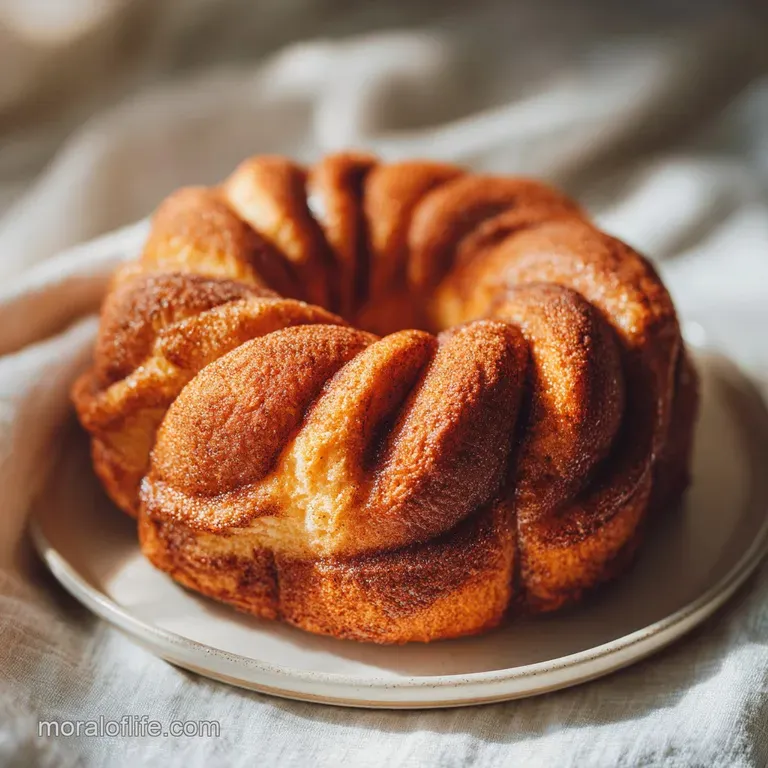
Even with a reliable recipe, yeast can sometimes be temperamental. If things don't go exactly as planned, don't worry most bread mistakes are still delicious when toasted.
Why Your Bread is Dense
If your loaf feels more like a brick than a cloud, the culprit is usually under proofing or "killing" the yeast. If your milk was too hot (above 120°F), the yeast died before it could work. Also, check the expiration date on your packet. For more detailed steps on perfecting your bread, check out these rich resources from King Arthur Baking and Serious Eats.
Why the Swirl Separates
A common frustration is a "gap" between the bread and the cinnamon swirl. This happens if the dough is rolled too loosely or if there is too much excess flour on the surface when you roll it up. The butter helps the sugar stick, but the roll itself needs to be tight.
| Problem | Root Cause | Solution |
|---|---|---|
| Crust is too dark | Oven runs hot or too much sugar | Tent with foil after 25 mins of baking. |
| Dough won't rise | Yeast is inactive or room is too cold | Move to a warmer spot (like inside an OFF oven with the light on). |
| Swirl is leaking out | Seam wasn't pinched | Ensure you pinch the bottom and sides of the log firmly. |
Common Mistakes Checklist
- ✓ Check milk temperature with a thermometer; don't just "feel" it with your finger.
- ✓ Spoon and level your flour instead of scooping directly from the bag.
- ✓ Give the dough the full rise time; rushing the first rise leads to a gummy texture.
- ✓ Use room temperature eggs so they don't shock the warm yeast mixture.
- ✓ Let the bread cool for at least 20 minutes before slicing to set the internal structure.
Scaling Your Homemade Yeast Bread
If you are baking for a crowd or just for yourself, adjusting this recipe is simple. When doubling the recipe, I recommend using two separate loaf pans rather than one giant one, as the center of a double sized loaf rarely cooks through before the outside burns.
When halving the recipe, use a small egg or whisk a large egg and use exactly half of it. You can use a smaller 8x4 inch pan and reduce the baking time by about 10 minutes. For those looking for a similarly moist and reliable bake but without the yeast wait time, my Paula Deen Banana Nut Bread is a fantastic alternative that scales beautifully for gifts.
| Method | Time | Texture | Best For |
|---|---|---|---|
| Stand Mixer | 7 mins knead | Consistent, airy | High volume baking |
| Hand Kneading | 12 mins knead | Slightly denser | Getting a "feel" for the dough |
| Bread Machine | Cycle dependent | Soft, thin crust | Hands off convenience |
Truths About Yeast and Cinnamon
There are a lot of old wives' tales in the baking world that can lead you astray. Let's clear up a few of them so you can bake with confidence.
Myth 1: You must use bread flour for yeast recipes. While bread flour has more protein, all purpose flour is actually better for this specific "woman cinnamon bread". It results in a more tender, pull apart crumb that isn't overly chewy. AP flour is the secret to that "bakery style" softness.
Myth 2: Salt kills yeast on contact. While a massive amount of salt can inhibit yeast, the teaspoon used here is essential. It actually controls the yeast's growth, preventing it from rising too fast and then collapsing. Just don't pour the salt directly onto the dry yeast pile before adding liquid.
Myth 3: You have to scald milk until it boils. In the old days, scalding was necessary to kill bacteria. Today, we "scald" or warm it simply to help the butter melt and to denature specific proteins that can weaken gluten.
You only need to reach 110°F-115°F, nowhere near a boil.
Easy Swaps for Different Diets
You can easily adapt this classic loaf for various needs without losing that signature cinnamon charm.
- dairy-free Swap: Replace the whole milk with full fat oat milk and the butter with a high-quality vegan butter stick. The oat milk provides a creamy texture that mimics dairy quite well.
- Whole Grain Twist: You can replace up to 1 cup of the all purpose flour with whole wheat flour. Note that this will make the bread slightly denser and may require an extra tablespoon of milk.
- Sugar Alternatives: Coconut sugar works beautifully in the filling for a deeper, caramel like flavor, though it won't be quite as "syrupy" as granulated sugar.
Storage Tips for Lasting Freshness
This bread is best on the day it's made, but it keeps surprisingly well if handled correctly. Because of the high fat content from the butter and egg, it doesn't go stale as quickly as a basic sourdough or baguette.
- Fridge: Store in an airtight container or wrap tightly in plastic wrap for up to 5 days.
- Freezer: This bread freezes like a dream. Slice it first, then freeze the slices with parchment paper in between. It will stay fresh for up to 3 months. Just pop a slice directly into the toaster!
- Zero Waste: If you have the "heels" of the bread left over, don't toss them. Chop them into cubes, toss with a little melted butter, and bake until crispy for the best cinnamon toast croutons you've ever had. They are incredible on top of vanilla ice cream or a bowl of yogurt.
Creative Ways to Serve Your Bread
Presentation is the final step in making this dish truly special. Depending on the occasion, you can serve it simply or go all out.
- Level 1: The Simple Toast. Thick cut, toasted until the edges are dark golden, and spread with salted butter. The heat from the toast slightly melts the cinnamon sugar swirl, making it fragrant all over again.
- Level 2: The Polished Brunch. Serve slices at room temperature, drizzled with the vanilla glaze and topped with a handful of fresh raspberries. The tartness of the berries cuts through the rich, sweet bread perfectly.
- Level 3: The Restaurant Presentation. Use 2 day old slices to make French toast. Dip them in a custard of egg, heavy cream, and a pinch of nutmeg. Fry in plenty of butter until a "crust" forms on the sugar swirl. Serve with a dollop of whipped mascarpone and a sprig of mint.
| Plating Level | Main Focus | Best Garnish |
|---|---|---|
| Simple | Warmth & Butter | Flaky sea salt |
| Polished | Glaze & Fruit | Fresh mint or berries |
| Restaurant | Texture Contrast | Toasted pecans & maple |
Alongside the delicious flavors, this bread offers a good dose of carbohydrates for quick energy. The use of whole ingredients ensures you're getting a more satisfying treat than store-bought versions. For more exciting variations, check out AllRecipes or Bon Appétit for inspiration. Whether you enjoy it plain or transformed into an elaborate dessert, this bread is a testament to how a few basic pantry staples can become something truly extraordinary. Just remember to keep an eye on that oven when it's golden and the house smells like a dream, you're ready to eat!
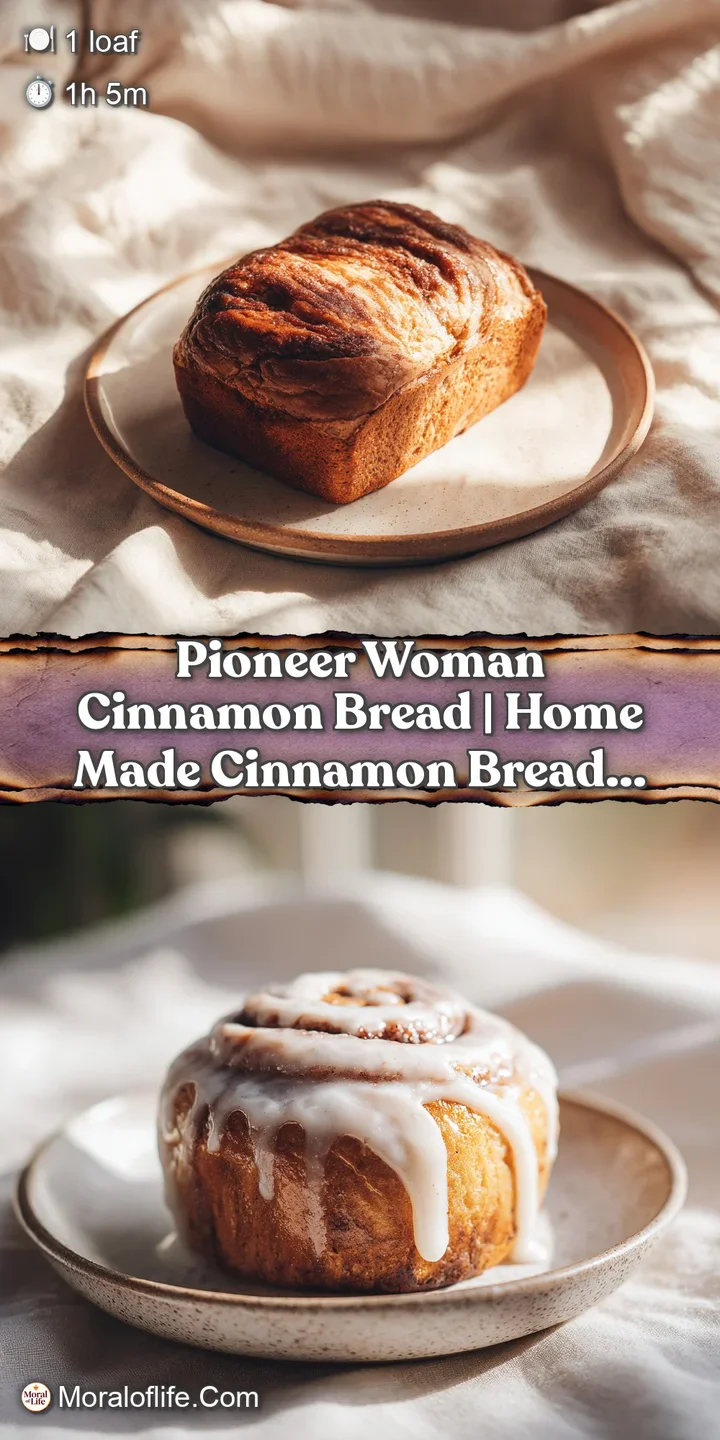
Recipe FAQs
What are common mistakes when baking cinnamon bread?
Overheating the milk or skipping the proofing time. If your milk exceeds 110°F, it kills the yeast, and if you cut the rise time short, your loaf will be dense rather than airy.
Is it true Dolly Parton has a famous bread recipe?
No, this is a common misconception. Dolly Parton is widely celebrated for her southern style coconut cake and stone ground grits, but she does not have a signature cinnamon loaf.
What is the best flour for cinnamon bread?
Standard all-purpose flour is ideal. It provides enough structure to hold the cinnamon swirl while keeping the crumb tender, which is a principle we also apply to our fluffy cinnamon roll pancakes for perfect texture.
Why is monkey bread called that?
It refers to the act of picking apart the dough by hand. The name stems from the way people eat it, piece by piece, similar to how a monkey might forage for food.
How to ensure the dough rises properly?
Place the bowl in a draft free, warm area. Covering it with a damp cloth maintains the humidity needed for the yeast to double the volume effectively within that 1 to 1.5-hour window.
How to tell when the loaf is finished baking?
Tap the bottom or top of the crust to listen for a hollow sound. If it sounds dense or thud like, it needs a few more minutes in the 350°F oven.
How to keep the cinnamon swirl from leaking?
Roll the dough tightly and pinch the seam closed. Ensuring the dough is rolled snugly from the short end prevents large gaps where the butter and sugar mixture can pool and leak during the rise.
Pioneer Woman Cinnamon Bread
Ingredients:
Instructions:
Nutrition Facts:
| Calories | 281 kcal |
|---|---|
| Protein | 5.1 g |
| Fat | 8.2 g |
| Carbs | 47.6 g |
| Fiber | 1.4 g |
| Sugar | 21.8 g |
| Sodium | 212 mg |
