Authentic Rosca De Reyes Traditional Recipe
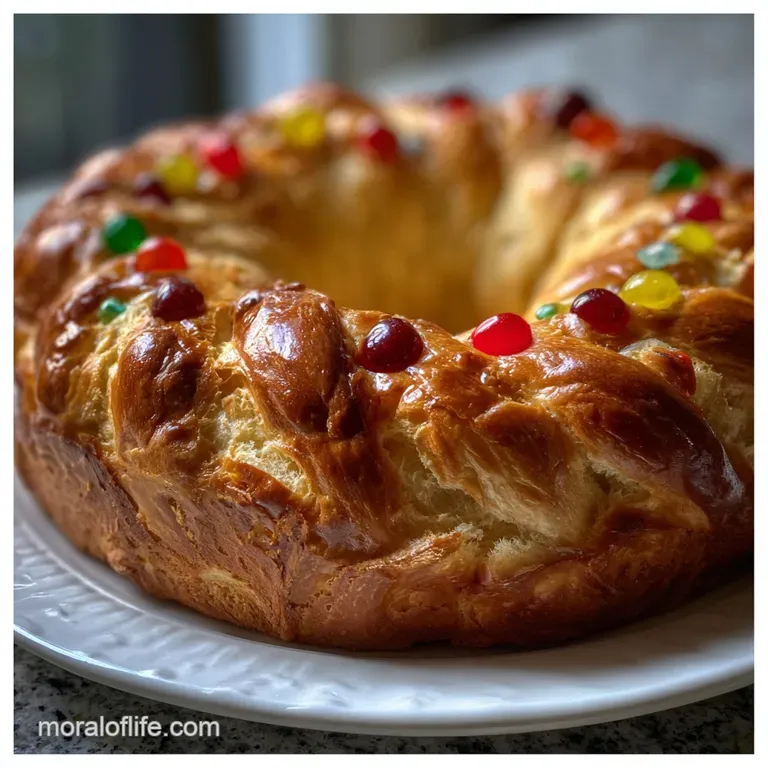
- Time: Active 45 minutes, Passive 2 hours 30 mins, Total 3 hours 15 mins
- Flavor/Texture Hook: Pillowy soft crumb with a crunchy sugar topping
- Perfect for: Three Kings Day celebrations and cozy family brunches
- Baking the Authentic Rosca de Reyes
- Essential Recipe Specifications
- The Science of Why it Works
- Component Analysis
- Ingredients and Quality Substitutes
- Required Baking Equipment
- Detailed Step-By-Step Instructions
- Pro Success Strategies
- Creative Flavor Adaptations
- Scaling for Different Crowds
- Traditional Baking Myths Debunked
- Freshness and Storage Guide
- Serving and Presentation Ideas
- Solving Potential Baking Issues
- Recipe FAQs
- 📝 Recipe Card
Baking the Authentic Rosca de Reyes
You know that smell? That specific, mouth watering mix of toasted yeast, bright orange zest, and sweet sugar? It is the scent of January in a Mexican household. Every year, I wait for that first slice of a fresh rosca de reyes, hoping I do not bite right into the little plastic figurine hidden inside.
Honestly, there is nothing like the homemade version. The store-bought ones are often dry as a bone, but when you make it yourself, the crumb is velvety and the aroma fills every corner of your house.
I remember the first time I tried making this. I was so nervous about the yeast not bubbling or the ring looking like a lopsided tire. But here is the secret: it is just an enriched dough. If you have ever made brioche or cinnamon rolls, you have already got the skills.
We are going to walk through this step-by-step so your first attempt is a total win for your family. No stress, just good baking.
This rosca de reyes recipe is all about patience and a little bit of love. We are using real butter and fresh orange zest to get that authentic flavor that the cheap bakeries skip. Plus, we are going to hide those three tiny babies inside, which is the best part.
Whoever finds one is on the hook for tamales in February, so the stakes are high! Let's get into the details of what makes this bread so special and how you can nail the texture on your very first try.
Essential Recipe Specifications
When we talk about the rosca de reyes history, it goes back centuries, representing the journey of the Three Wise Men. The oval shape is meant to symbolize a crown, and the candied fruits are the jewels. It is a dish steeped in meaning, which is why we want to get the specs exactly right.
This is a large loaf meant for sharing, so clear your counter space.
| Feature | Specification |
|---|---|
| Yield | 15 Hearty Servings |
| Internal Temp | 190°F (Finished bake) |
| Dough Texture | Tacky but not sticky |
| Primary Aromas | Orange Blossom & Citrus |
The High Fat Hydration Science
Enriched doughs like this one rely on a high ratio of fat to flour. The butter and eggs do more than just add flavor, they actually interfere with gluten development. This sounds bad, but it is actually why the bread is so soft.
By coating the flour proteins in fat, we ensure the "strands" stay short and tender rather than chewy like a sourdough baguette.
Double Zest Infusion
We are using the zest of 2 large oranges to really punch through the sweetness. Essential oils in the peel are fat soluble. This means as the butter melts into the dough during the bake, it carries that citrus flavor into every single pore of the bread.
It is much more effective than using just a splash of orange juice.
Rapid Rise Temperature Control
Your milk needs to be exactly 110°F. If it is too cold, the yeast stays asleep. If it is over 120°F, you risk killing the yeast entirely. I always use a digital thermometer because "finger warm" is way too subjective.
Those extra few degrees are the difference between a fluffy crown and a dense brick.
The Science of Why it Works
- Enzymatic Activity: The "sponge" method (mixing a small amount of flour, milk, and yeast first) allows the yeast to hydrate and begin breaking down starches into sugars before the heavy fats are added.
- Protein Denaturation: Eggs provide structure through heat set proteins, ensuring the tall, airy shape doesn't collapse once it leaves the oven's heat.
- Lipid Interference: Softened butter coats glutenin and gliadin, preventing long elastic chains and resulting in a "short" tender crumb that feels like a cloud.
- Hygroscopic Sugar: The granulated sugar draws moisture into the dough, keeping the bread hydrated and soft for days instead of drying out immediately.
Component Analysis
| Ingredient | Science Role | Pro Secret |
|---|---|---|
| 1/2 cup Unsalted Butter | Shortens gluten strands for tenderness | Use European style butter for higher fat content and less water |
| 2 tbsp Orange Blossom Water | Adds floral volatile aromatics | Add it directly to the eggs to ensure even distribution |
| 1 packet Active Dry Yeast | Leavening agent for CO2 production | Always bloom in 110°F milk with a pinch of sugar first |
| 3 Large Eggs | Emulsifier and structure builder | Ensure they are room temp so they don't seize the butter |
Chef's Tip: To get the most fragrance out of your orange zest, rub it into the 3/4 cup of granulated sugar with your fingertips until the sugar looks like damp sand. This releases the oils instantly!
Ingredients and Quality Substitutes
For the Yeast Bloom (The Sponge)
- 1/2 cup warm whole milk (110°F/43°C): Why this? Provides the fat and liquid needed to wake up the yeast.
- 1 packet (7g) active dry yeast: Why this? Reliable leavening for a heavy, enriched dough.
- 1 tbsp granulated sugar: Why this? Feeds the yeast to jumpstart fermentation.
- 1/2 cup all purpose flour: Why this? Creates a stable base for the yeast to multiply.
For the Main Dough
- 4 cups all purpose flour: Why this? Provides the necessary structure without being too "bready" like bread flour.
- 3/4 cup granulated sugar: Why this? Sweetens and helps the crust brown beautifully.
- 3 large eggs, room temperature: Why this? Adds richness, color, and essential structure.
- 1/2 cup unsalted butter, softened: Why this? Gives the rosca its signature velvety, melt in-your mouth feel.
- 1 tsp fine sea salt: Why this? Sharpens all the other flavors and controls yeast growth.
- 2 tbsp orange blossom water: Why this? The key to that "authentic" floral scent.
- Zest of 2 large oranges: Why this? Pure, bright citrus flavor that cuts through the fat.
For the Sugar Paste and Decoration
- 1/2 cup all purpose flour: Why this? The base for the crunchy "concha" style topping.
- 1/2 cup powdered sugar: Why this? Provides a fine, snappy texture to the paste.
- 1/2 cup vegetable shortening: Why this? Creates a shorter, more stable crust than butter alone.
- 1 egg yolk: Why this? Binds the paste and adds a rich golden hue.
- 1 cup mixed crystallized fruits: Why this? Traditional decoration; use Ate de membrillo for authenticity.
- 3 plastic baby figurines: Why this? Essential for the tradition of finding the "Niño Dios".
| Original Ingredient | Substitute | Why It Works |
|---|---|---|
| Orange Blossom Water | 1 tsp Vanilla + 1 tsp Orange Extract | Captures the floral and citrus notes if you can't find the real stuff. |
| Vegetable Shortening | Unsalted Butter (cold) | Same fat content. Note: Paste might spread more in the oven. |
| Ate de Membrillo | Candied Pineapple or Apricots | Similar chewiness and sweetness. Note: Changes the traditional flavor profile. |
| Whole Milk | Full fat Coconut Milk | Matches the fat ratio. Note: Adds a subtle nutty, tropical flavor. |
Required Baking Equipment
You don't need a professional bakery, but a few specific tools make this much easier. I always reach for my KitchenAid Stand Mixer with the dough hook for the heavy lifting. If you are doing this by hand, prepare for a workout!
You'll also need a Lodge Cast Iron Baking Pan or a large rimmed cookie sheet. A Taylor Digital Thermometer is non negotiable for checking that milk temp. Finally, a bench scraper is your best friend for handling the tacky dough without adding too much extra flour.
Detailed step-by-step Instructions
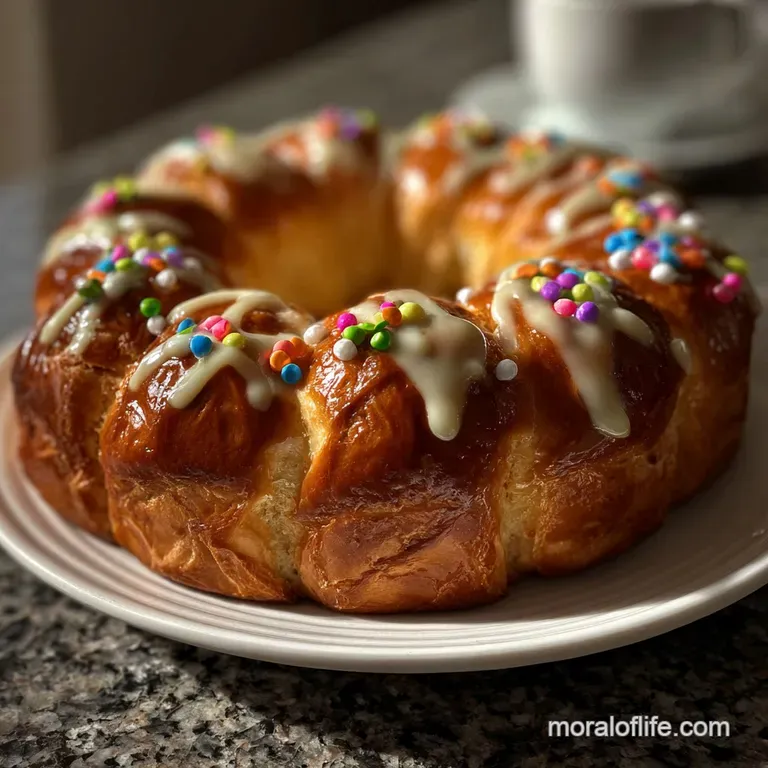
1. Activate the Yeast Sponge
Whisk the 1/2 cup warm milk, 1 packet yeast, 1 tbsp sugar, and 1/2 cup flour in a small bowl. Note: This creates a "pre ferment" that ensures your yeast is healthy and active. Let it sit for 15 minutes until it looks bubbly and foamy like a cappuccino.
2. Build the Enriched Dough
In your stand mixer, combine the remaining 4 cups flour, 3/4 cup sugar, 3 eggs, salt, orange blossom water, and orange zest. Add the bubbly yeast sponge. Mix on low for 2 minutes until a shaggy, messy dough forms.
3. Incorporate the Butter
Add the 1/2 cup softened butter one tablespoon at a time while the mixer is running. Note: Adding butter gradually prevents the dough from becoming greasy and helps it emulsify. Continue mixing for 10 minutes until the dough is smooth, elastic, and pulls away from the sides.
4. The Controlled First Proof
Place the dough in a lightly greased bowl and cover with a damp cloth. Leave it in a warm, draft free spot for 1 hour 30 mins until it has doubled in size and looks airy.
5. Shape the King's Ring
Punch the dough down to release gas. On a floured surface, roll it into a long log about 30 inches long. Join the ends to form a large oval on your baking sheet. Note: Make the hole in the center larger than you think; it will shrink as the dough rises.
6. Hide the Figurines
Lift up parts of the dough and tuck the 3 plastic babies into the bottom of the ring. Note: Make sure they are completely covered so people can't see where they are!
7. Prepare the Sugar Paste Topping
Mix 1/2 cup flour, 1/2 cup powdered sugar, 1/2 cup shortening, and 1 egg yolk in a small bowl. Note: This should feel like soft play dough. Roll into small strips and flatten them with your palms.
8. Decorate for Epiphany
Brush the dough with the beaten egg wash. Arrange the sugar paste strips and the 1 cup of crystallized fruits over the ring. Note: Press the fruit down slightly so it stays attached during the bake.
9. The Second Proof
Let the decorated rosca rest for 45 minutes. Note: This final rise ensures the bread stays light and doesn't crack in the oven. It should look puffy and noticeably larger.
10. Bake to a Mahogany Finish
Bake at 350°F for 30 minutes until the crust is deep golden brown and the internal temp hits 190°F. The house should smell intensely of orange and sweet bread.
Pro Success Strategies
1. The Butter Temperature Trap
Most people use butter that is either too cold or melted. If it's too cold, it won't mix into the dough and you'll have chunks. If it's melted, it destroys the dough's structure and makes it oily.
Your butter should be "pliable" meaning you can press your finger into it with zero resistance, but it still holds its shape.
2. Two Signs of Over Proofing
If you let the dough rise too long, it will collapse in the oven. Watch for these: The Poke Test: If you poke the dough and the indentation stays without springing back, it's ready for the oven immediately. Smell: If the dough smells strongly of beer or alcohol, it has gone too far.
You can still bake it, but the structure will be weaker.
3. Flour Overload
When you are kneading, the dough will be tacky. Your instinct will be to keep adding flour. Don't! If you add too much flour, the rosca will be tough and bready. Use a bench scraper to handle the dough. The stickiness is what keeps it moist. Trust the process.
| Problem | Root Cause | Solution | |||
|---|---|---|---|---|---|
| Bread is dense/heavy | Yeast was old or milk was too hot | Check yeast date and use a thermometer for the milk. | |||
| Sugar paste melted off | Shortening was too warm | Chill the sugar paste for 10 mins before applying to the dough. | |||
| Crust is too dark/burnt | Oven runs hot or too much sugar | Cover loosely with foil after 20 mins of baking. | Fresh Homemade | store-bought Shortcut | |
| ---------------- | ---------------------- | ||||
| Aroma of fresh zest and real butter | Often smells like artificial extracts | ||||
| Stays soft for 3 days | Can be dry and crumbly within hours | ||||
| Customizable fruit and sugar levels | Loaded with preservatives for shelf life |
Creative Flavor Adaptations
1. Chocolate Abuelita Swirl
Before rolling the dough into a log, sprinkle 1/2 cup of grated Mexican chocolate and a dash of cinnamon across the surface. When you roll it up, you'll create a beautiful dark spiral inside. It pairs perfectly with the orange notes already in the dough.
2. Dulce de Leche Filling
For a modern twist, slice the baked and cooled rosca in half horizontally. Spread a thick layer of dulce de leche or sweetened cream cheese inside. It turns the traditional bread into a decadent dessert that is always a crowd pleaser.
3. Almond Crust Variation
Replace half of the flour in the sugar paste with almond flour. This gives the crunchy topping a nutty, macaron like flavor. Sprinkle sliced almonds over the egg washed sections for extra crunch and a more "regal" appearance.
Scaling for Different Crowds
If you want to feed a smaller group: Cut the recipe in half. Use a smaller baking sheet. Reduce baking time by about 5-7 minutes. Beat one egg in a cup, then measure out exactly half of it by weight or volume for the dough.
If you are baking for a massive party: Double the ingredients but work in batches. Most home mixers can't handle 8-9 cups of flour at once. Reduce the salt and spices to 1.5x the original amount to avoid over seasoning. Bake the rings one at a time on the middle rack for even heat distribution.
Traditional Baking Myths Debunked
"The sponge step is optional and can be skipped." This is false. In a heavy dough with eggs and butter, the sponge is critical for giving the yeast a head start. Without it, your rise will take twice as long and the texture won't be as airy.
"Bread flour makes a better Rosca." Actually, all purpose is better here. Bread flour has more protein, which creates more gluten. While great for chewy sourdough, it makes a rosca feel too "rubbery." We want that soft, cake adjacent crumb that only all purpose provides.
Freshness and Storage Guide
Storage: Keep your rosca de reyes in an airtight container or wrapped tightly in plastic wrap at room temperature for up to 3 days. Because of the high butter content, it will firm up when cold.
Freezing: You can freeze the baked rosca for up to 2 months. Wrap it in two layers of plastic wrap and one layer of foil. Thaw it at room temperature, then warm it in a 300°F oven for 10 minutes to bring back that "just baked" softness.
Zero Waste Tip: If the bread gets a little stale, don't throw it out! It makes the absolute best French toast or bread pudding. The citrus and orange blossom notes are incredible when soaked in a custard and fried in butter.
Serving and Presentation Ideas
1. The Traditional Dip
In Mexico, the rosca is almost always served with a steaming mug of Mexican hot chocolate. The spicy cinnamon and rich cocoa are the perfect foil for the floral orange notes of the bread. You're supposed to dip the bread right into the chocolate it's the only way to do it!
2. The Modern Brunch
Serve slices of the rosca alongside a platter of fresh berries and a dollop of whipped mascarpone. It turns the traditional holiday bread into a sophisticated brunch item that feels special enough for any occasion.
Solving Potential Baking Issues
Reasoning for Dough Failure
If your dough didn't rise, it's usually a temperature issue. Check your kitchen temperature; if it's below 70°F, the dough will take much longer to proof. You can create a "proof box" by putting the bowl in the oven (turned off) with a pan of boiling water on the rack below it.
The steam provides the perfect warm, moist environment.
Fixes for Tough Texture
If the bread feels like a regular loaf of sandwich bread rather than a treat, you likely over kneaded it or added too much flour. Next time, stop kneading as soon as the dough passes the "windowpane test" (where you can stretch a small piece thin enough to see light through it without it tearing).
| Problem | Cause | Fix | Pro Tip |
|---|---|---|---|
| Dry Crumb | Over baked | Use a thermometer | Pull it at 185°F; carryover heat hits 190°F |
| Dull Crust | Weak Egg Wash | Use only yolks | Add a splash of heavy cream to the yolk for shine |
| Fruit Sank | Dough too soft | Increase flour slightly | Dredge fruit in flour before placing on dough |
If you want the best results: Use fresh zest instead of bottled juice for the best aroma. Never skip the 15 minute sponge bloom; it's your insurance policy. Don't be afraid of the tacky dough; it's the secret to moisture.
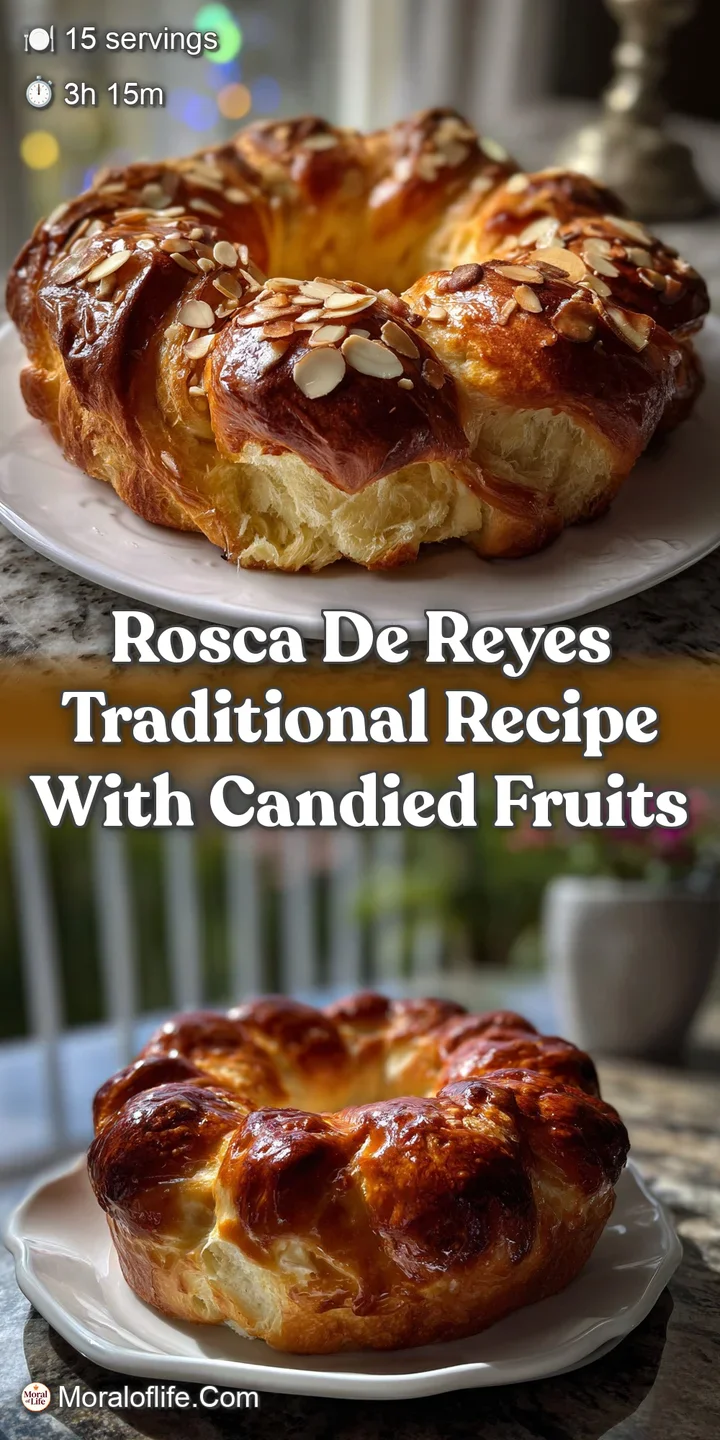
Recipe FAQs
How to make Rosca de Reyes?
Yes, make it from scratch for best flavor. This traditional bread requires an enriched yeast dough, similar to brioche, which benefits greatly from slow proofing and fresh orange zest.
How to make Rosca de Reyes frosting?
Use a simple sugar paste or "costra." Mix all-purpose flour, powdered sugar, vegetable shortening, and one egg yolk until it forms a soft, pliable dough, then lay strips over the final proofed ring.
How to make Rosca de Reyes from scratch?
Yes, the process involves a yeast sponge, kneading in butter gradually, and two proofs. Ensure your milk temperature is exactly 110°F to properly activate the yeast for a fluffy crumb.
How to make Rosca de Reyes cake?
No, it should be a bread, not a cake, for authenticity. While it is rich, the structure relies on yeast development; using all-purpose flour instead of cake flour helps maintain the necessary soft, pillowy bread texture.
How to make Rosca de Reyes bread?
Use an enriched dough recipe with high fat content. The key to its soft bread texture is adding softened butter slowly while the mixer runs to coat the flour proteins and inhibit long gluten strands.
What is the ideal milk temperature for the yeast?
It must be exactly 110°F (43°C) for activation. If the milk is too cold, the yeast will not wake up, and if it is over 120°F, you risk killing the yeast entirely, resulting in a dense loaf.
What is the internal finished temperature?
Pull the Rosca from the oven when it reaches 190°F internally. Due to carryover heat, it will continue to cook slightly after removal, ensuring the rich interior is fully set without drying out the crust.
Rosca De Reyes Traditional Recipe
Ingredients:
Instructions:
Nutrition Facts:
| Calories | 396 kcal |
|---|---|
| Protein | 7.1 g |
| Fat | 14.6 g |
| Carbs | 59.4 g |
| Fiber | 1.6 g |
| Sugar | 25.5 g |
| Sodium | 173 mg |
