Preparation for Turkey Stuffing with Sage
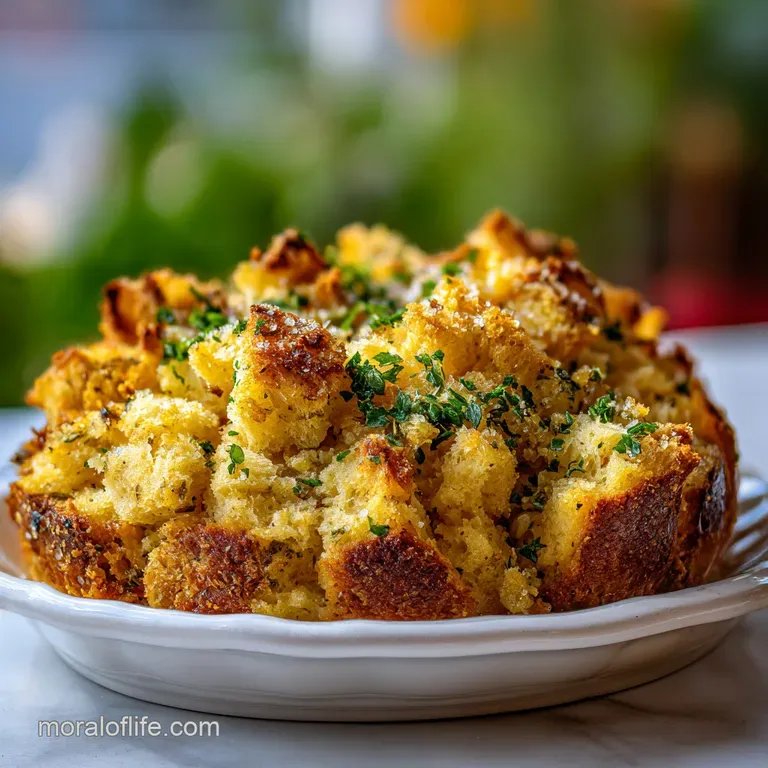
- Time: Active 15 minutes, Passive 45 minutes, Total 60 minutes
- Flavor/Texture Hook: Buttery, herb forward cubes with a custardy center and crispy edges.
- Perfect for: Thanksgiving dinner, family Sunday roasts, and holiday meal prep.
- Preparation for the Stuffing for a Turkey with Sage and Herbs
- Scientific Foundation for Savory Bread Dressing
- Essential Components for Your Herb Stuffing
- Kitchen Tools Required for Successful Prep
- Practical Steps for the Best Results
- Troubleshooting Tips for Perfect Texture
- Ingredient Swaps for Every Holiday Table
- Ingredient Adjustments for Different Groups
- Safe Storage and Smart Leftover Ideas
- Side Dish Pairings for Holiday Dinners
- Debunking Common Stuffing Myths
- Recipe FAQs
- 📝 Recipe Card
Preparation for the Stuffing for a Turkey with Sage and Herbs
There is a specific, buttery sizzle that happens the moment fresh sage leaves hit a hot pan of foaming butter. It is a scent that immediately signals the holidays are here, filling the kitchen with an earthy, peppery aroma that feels like a warm hug.
Discover the ultimate Preparation for the Stuffing for a Turkey with Sage and Herbs recipe to elevate your holiday feast. I still remember the first time I tried to make this for a big family dinner.
I used fresh, soft bread right out of the bag and ended up with something that looked more like savory bread pudding than the textured, hearty side I was dreaming of. It was a mushy mess, but it taught me the most important lesson in holiday cooking: the bread has to be bone dry.
We are going for that dependable, classic flavor that reminds you of a normal Tuesday at Grandma's but feels special enough for the main event. You want those sourdough or brioche cubes to hold their shape while soaking up just enough turkey stock to become tender.
We aren't doing anything too fancy here because, on busy days, you need a recipe that works without constant hovering. This dish is about balance balancing the richness of the butter with the sharp clarity of thyme and rosemary.
We've tested this through many holiday cycles, and it's the one we repeat with confidence every single year.
Trust me, once you see those herbs swirling in the butter and smell the onions softening, you'll know you're on the right track. This isn't just a filler dish; it is the heart of the plate. We'll walk through exactly how to avoid the dreaded soggy bottom and how to get that shatter crisp top that everyone fights over.
Let's get into the details so you can prep this like a pro.
Scientific Foundation for Savory Bread Dressing
Understanding the interaction between starch and moisture is the key to mastering this classic side.
- Starch Retrogradation: Staling bread allows the starch molecules to realign and expel moisture, creating a rigid structure that can later absorb stock without collapsing into mush.
- Aromatic Fat Solubility: The essential oils in sage, thyme, and rosemary are fat soluble, meaning they must be sautéed in butter to fully release their flavor profile throughout the dish.
- Protein Coagulation: Mixing eggs into the warm stock creates a light custard that binds the bread cubes together, providing a velvety mouthfeel and structural integrity when sliced.
- Maillard Reaction: Baking the stuffing uncovered for the final portion of time triggers the browning of proteins and sugars on the surface, creating a complex, toasted flavor.
| Method | Time | Texture | Best For |
|---|---|---|---|
| Traditional Oven | 45 minutes | Crispy top, moist middle | Standard holiday crowds |
| Slow Cooker | 4 hours | Uniformly soft and moist | Saving oven space on busy days |
| In Bird Stuffing | 1.5 hours+ | Deeply savory, very soft | Old school traditionalists |
Using the oven method is generally the most reliable way to achieve the textural contrast we love. While the slow cooker is great for clearing up space, it won't give you those toasted, craggy bits on top. If you decide to go the oven route, make sure your rack is in the center to ensure even heat distribution.
Essential Components for Your Herb Stuffing
Every ingredient in this list serves a specific purpose in the architecture of the dish.
| Ingredient | Science Role | Pro Secret |
|---|---|---|
| Sourdough/Brioche | Structural Base | Use a mix of both for a balance of tang and richness. |
| Unsalted Butter | Flavor Carrier | Brown the butter slightly before adding veggies for a nutty depth. |
| Fresh Sage | Aromatic Core | Fry a few whole leaves in butter first to use as a crispy garnish. |
| Turkey Stock | Hydration Agent | Use a low sodium version so you can control the salt levels perfectly. |
A great dressing starts with the right foundation. Similar to the logic we use in a Steak Sauce Recipe, where aromatics define the final result, the herbs here must be fresh to provide that vibrant, green punch that cuts through the heavy bread and butter.
Kitchen Tools Required for Successful Prep
You don't need a professional kitchen to pull this off, but a few specific tools make the process much smoother. A large, heavy bottomed skillet, like a Lodge cast iron or a stainless steel pan, is essential for sautéing the vegetables without scorching them.
You will also need a massive mixing bowl larger than you think you need to toss the bread cubes without sending them flying across the counter.
For the baking portion, a 9x13 inch ceramic or glass baking dish is the standard. If you want more crispy edges, you can split the mixture between two smaller dishes. A sharp chef's knife is non negotiable for dicing the celery and onions into uniform pieces, ensuring they cook at the same rate.
Finally, a sturdy whisk is needed to emulsify the eggs and warm stock into a smooth liquid binder.
Practical Steps for the Best Results
Follow these steps in order to ensure your bread cubes stay distinct and the flavors are fully integrated.
- Dry the bread. Spread the 1 lb of sourdough or brioche cubes on baking sheets. Note: This prevents a soggy texture by removing internal moisture.
- Sauté aromatics. Melt 1/2 cup unsalted butter in a skillet and add 2 cups diced onion and 1.5 cups celery. Cook 8 minutes until translucent and fragrant.
- Bloom the herbs. Stir in 3 cloves minced garlic, 3 tbsp chopped sage, 1 tbsp thyme, and 1 tsp rosemary. Sauté 2 minutes until the herb aroma fills the room.
- Season the base. Add 1 tsp kosher salt and 1/2 tsp black pepper to the vegetable mixture. Note: Seasoning the veggies now ensures the flavor is even.
- Prepare the liquid. Whisk 2 large eggs into 2.5 cups of warm turkey stock in a separate bowl. Note: Warming the stock prevents the eggs from clumping.
- Combine the elements. Place bread cubes in a large bowl and pour the butter vegetable mixture over them, tossing gently.
- Hydrate the bread. Drizzle the stock and egg mixture over the bread in three additions. Toss carefully until the liquid is mostly absorbed.
- Transfer to dish. Butter your 9x13 dish and pour the mixture in, avoiding pressing down. Note: Packing it too tight makes it dense.
- Bake covered. Cover with foil and bake at 350°F (180°C) for 20 minutes.
- Crisp the top. Remove the foil and bake another 20-25 minutes until the surface is golden and crackling.
Troubleshooting Tips for Perfect Texture
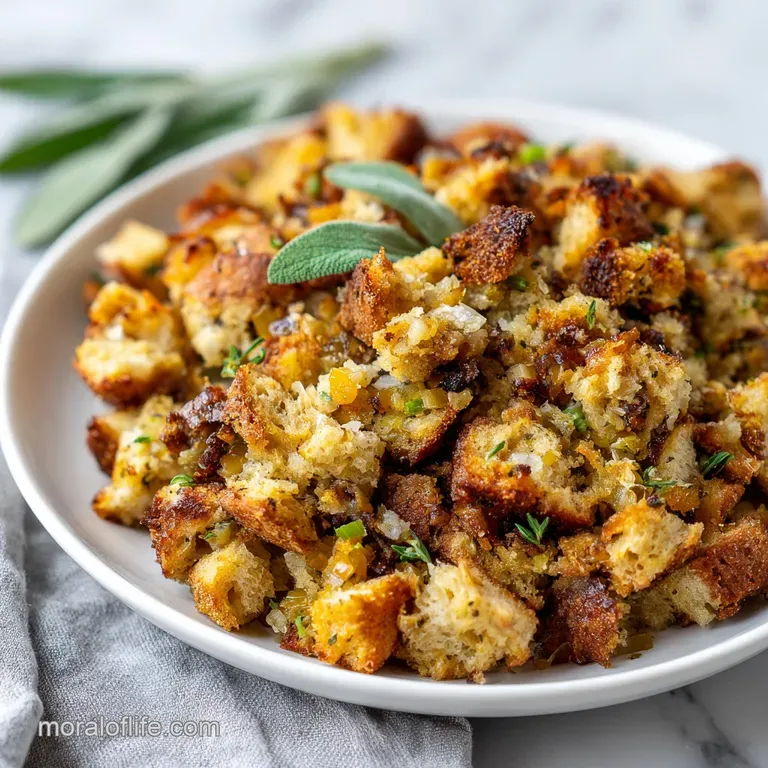
Even with the best plan, things can go sideways when the kitchen gets crowded.
Why Your Stuffing Turned Mushy
This usually happens if the bread wasn't dry enough or if too much liquid was added at once. If the bread is fresh, it acts like a sponge and loses its shape immediately. Always ensure the cubes feel like croutons before you start.
Fixing Dry Or Crumbly Stuffing
If you pull the foil off and the bread looks parched, don't panic. You can drizzle an extra 1/4 cup of warm stock over the top before the final bake. This adds moisture without ruining the crisping process.
| Problem | Root Cause | Solution |
|---|---|---|
| Bland flavor | Under seasoned stock | Add a splash of soy sauce or more fresh herbs to the top. |
| Soggy bottom | Too much liquid at once | Bake uncovered for an extra 10 minutes on the bottom rack. |
| Burnt herbs | Skillet was too hot | Sauté on medium low and add garlic only at the very end. |
A well organized kitchen prevents most of these issues. Just like preparing a Creamy Ground Beef recipe, where timing the liquid addition is key to the sauce consistency, this stuffing requires a patient hand when pouring the stock.
Common Mistakes Checklist:
- ✓ Never use "soft" bread; toast it in the oven at 300°F if you don't have time to air dry.
- ✓ Use fresh herbs instead of dried whenever possible for a cleaner taste.
- ✓ Don't skip the eggs; they are the glue that gives the dish its custardy lift.
- ✓ Avoid over mixing once the liquid is added, or the bread will break down.
- ✓ Let the stuffing rest for 10 minutes after baking to set the structure.
Ingredient Swaps for Every Holiday Table
Sometimes you need to adjust for what's in the pantry or for specific guest needs.
| Original Ingredient | Substitute | Why It Works |
|---|---|---|
| Turkey Stock (2.5 cups) | Vegetable Broth (2.5 cups) | Keeps the savory depth but makes the dish vegetarian friendly. |
| Sourdough Bread (1 lb) | gluten-free Bread (1 lb) | Note: Use 1/4 cup extra stock as GF bread is often thirstier. |
| Unsalted Butter (1/2 cup) | Vegan Butter (1/2 cup) | Provides the necessary fat for sautéing without the dairy. |
If you want to add more texture, consider adding 1/2 cup of toasted pecans or walnuts. If you prefer a bit of sweetness, 1/2 cup of dried cranberries works beautifully against the earthy sage. If you are looking for a more "main course" feel, adding browned sausage is a classic move that never fails to please a crowd.
Ingredient Adjustments for Different Groups
- If you want a meatier version, add 1/2 lb of browned pork sausage.
- If you want a brighter flavor, stir in 1 tbsp of lemon zest before baking.
- If you want a crunchier texture, increase the butter by 2 tbsp and bake uncovered the whole time.
Safe Storage and Smart Leftover Ideas
Proper storage ensures you can enjoy those holiday flavors for days afterward. Leftover stuffing should be cooled completely before being placed in an airtight container. It will stay fresh in the fridge for up to 4 days.
When reheating, I recommend doing it in the oven at 350°F (180°C) with a tiny splash of stock to keep it from drying out; the microwave tends to make the bread rubbery.
For long term storage, you can freeze the cooked stuffing for up to 3 months. Thaw it in the fridge overnight before reheating. If you find yourself with a lot of leftovers, try stuffing them into a grilled cheese sandwich or forming them into small patties and frying them in butter until they are "shatter" crispy.
These stuffing cakes are amazing when topped with a fried egg for a post holiday breakfast. Don't throw away any celery hearts or onion ends during prep either; toss them into a bag in the freezer to make your own stock later.
Side Dish Pairings for Holiday Dinners
This stuffing is the ultimate companion to any roasted bird, but it also stands well next to other holiday staples. It pairs naturally with a tart cranberry sauce, which cuts through the rich, buttery bread.
You might also serve it alongside roasted Brussels sprouts or a honey glazed carrot dish to add some color to the plate.
If you are doing a non traditional feast, this sage and herb preparation works surprisingly well with a crown roast of pork. The earthy notes of the rosemary and thyme complement the pork's natural sweetness perfectly.
Whatever you serve it with, make sure there is plenty of gravy nearby, as a little extra moisture on the plate never hurts.
Debunking Common Stuffing Myths
There are a few "rules" that people swear by which actually don't hold much water in a modern kitchen.
- Myth: You must stuff the bird for the best flavor. While the bread does soak up turkey juices, it often results in uneven cooking and can be a food safety risk if the stuffing doesn't reach 165°F. Baking it separately gives you much better control over the texture.
- Myth: Dried herbs are just as good as fresh. In a dish where herbs are the primary flavor profile, dried versions can often taste "dusty" or overly medicinal. Fresh sage and thyme provide a bright, volatile oil punch that dried herbs simply can't match.
- Myth: Any bread will work. Using a soft, high moisture sandwich bread will almost always result in a gummy texture. You need a sturdy, tight crumbed bread like sourdough to stand up to the stock and eggs.
Recipe FAQs
Is it necessary to use stale bread for this stuffing preparation?
Yes, dry bread is essential for texture. Stale bread cubes expel less moisture when baking, allowing them to absorb the custard binder without collapsing into a mushy mass.
How to ensure the herbs release maximum flavor into the butter base?
Bloom the fresh herbs in hot, foaming butter. Sauté the sage, thyme, and rosemary for about two minutes after the onions soften, but before adding the garlic, to let the fat-soluble oils fully infuse the base fat.
Why must I warm the stock before mixing it with the eggs?
No, adding cold stock will cause the eggs to curdle. Gently warming the turkey stock prevents the eggs from scrambling when they hit the liquid, ensuring a smooth, custardy binder for the bread.
What is the best way to prevent the bottom layer of the stuffing from getting soggy?
Bake it in two shallow dishes instead of one deep one. Increasing the surface area promotes faster evaporation and crisping, similar to how we manage liquid distribution in a Chorizo and Eggs recipe to ensure everything cooks evenly.
How far in advance can I safely prepare the ingredients for the stuffing?
Yes, you can prepare components ahead of time. Cube and dry your bread up to three days prior, and you can sauté the onions and celery mixture 24 hours in advance, storing it tightly sealed in the refrigerator.
Is it safe or advisable to cook the stuffing inside the turkey cavity?
No, separate baking is strongly recommended. Cooking stuffing inside the bird makes it difficult to ensure the stuffing reaches a safe internal temperature of 165°F without overcooking the turkey meat itself.
What can I do if my stuffing seems too dry after it comes out of the oven?
Drizzle a small amount of warm liquid over the top. If the stuffing appears too crumbly after baking, sprinkle about 1/4 cup of warm stock or broth over the surface and return it to the oven covered for 5-10 minutes.
Sage Turkey Stuffing Preparation
Ingredients:
Instructions:
Nutrition Facts:
| Calories | 251 kcal |
|---|---|
| Protein | 6.4 g |
| Fat | 11.3 g |
| Carbs | 29.2 g |
| Fiber | 1.9 g |
| Sugar | 3.1 g |
| Sodium | 531 mg |
