Restaurant Copycat Fried Chicken Recipe
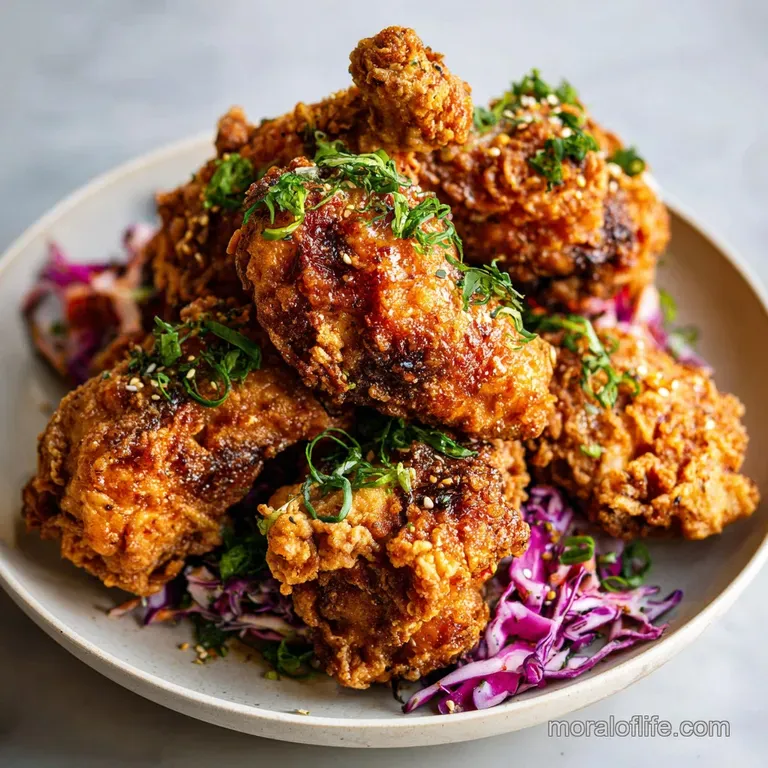
- Time: Active 20 minutes, Passive 15 minutes, Total 35 minutes
- Flavor/Texture Hook: Shatter crisp coating with a savory, peppery punch
- Perfect for: A dependable weekend family feast or a normal Tuesday treat
- Restaurant Copycat Recipe with Signature Fried Chicken
- Science Behind the Perfect Crunch
- Essential Recipe Specs and Timing
- Quality Ingredients and Smart Substitutes
- Professional Equipment for Best Results
- Step-by-Step Cooking and Frying Guide
- Avoiding Common Fried Chicken Mistakes
- Creative Variations and Flavor Swaps
- Storage and Zero Waste Methods
- Serving Suggestions for Your Feast
- Critical High in Sodium
- Recipe FAQs
- 📝 Recipe Card
Restaurant Copycat Recipe with Signature Fried Chicken
The sizzle of cold chicken hitting 350 degree oil is a sound I'll never get tired of hearing. I remember the first time I actually got this right, standing in my cramped apartment kitchen, flour up to my elbows and a stack of failed "soggy" attempts in the trash.
I took a bite of a drumstick, and the crust didn't just crumble it shattered. That crunch was so loud it probably woke up the neighbors, but in that moment, I knew I'd finally cracked the code to the ultimate restaurant copycat recipe with signature fried chicken.
Get ready to make crave worthy fried chicken at home with this restaurant copycat recipe. We've all had those days where the craving for the "Colonel" or a "Popeye" hit hard, but the thought of the drive thru line is just too much.
This recipe isn't about fancy techniques or ingredients you can't find at a normal grocery store. It’s about the science of the dredge and the patience of the brine. I’ve made the mistake of rushing the oil or skipping the cornstarch, and trust me, your taste buds can tell the difference.
We are going to walk through this together, step-by-step. We'll talk about why that specific blend of 11 herbs and spices actually matters and why buttermilk is your best friend for juicy meat. By the time we’re done, you’ll be making this on repeat with confidence.
No more greasy, soft skin or dry, flavorless meat. Just dependable, golden, crispy goodness that makes every Tuesday feel like a special occasion.
Science Behind the Perfect Crunch
Starch Gelatinization: Cornstarch absorbs less oil than flour and creates a brittle, glass like structure when fried. This ensures the coating stays crisp even as the meat releases steam.
Osmotic Brining: The salt in the buttermilk brine breaks down tightly wound protein strands in the chicken. This allows the meat to hold onto more moisture during the over high heat frying process.
Steam Management: As the chicken cooks, water evaporates from the meat. The egg in the wash acts as a binder, creating a protein shield that prevents the steam from softening the crust from the inside out.
Similar to the skin crisping techniques I use in my Air Fryer Chicken Thighs recipe, the key here is managing moisture. If the skin is wet when it hits the oil, you get steam instead of a sear. That’s why the double dredge is so vital it builds a dry barrier.
| Chicken Cut | Internal Temp | Rest Time | Visual Cue |
|---|---|---|---|
| Drumstick | 175°F | 5 minutes | Juices run clear when pierced |
| Thigh | 175°F | 5 minutes | Meat pulls away from bone |
| Breast (if using) | 165°F | 8 minutes | Opaque and firm to touch |
The higher temperature for dark meat (thighs and drums) is intentional. While 165°F is safe, dark meat contains more connective tissue that only starts to become tender and silky at higher temperatures.
Cooking to 175°F ensures that "fall off-the bone" texture we love in signature fried chicken.
Essential Recipe Specs and Timing
| Component | Science Role | Pro Secret |
|---|---|---|
| Cornstarch | Moisture Barrier | Mix it 1:4 with flour for a shatter effect crust. |
| Buttermilk | Protein Tenderizer | The lactic acid gently weakens fibers without making them mushy. |
| MSG | Umami Amplifier | It’s the "missing link" in almost every famous restaurant recipe. |
MSG often gets a bad rap, but in this specific recipe, it is the heavy lifter. It provides that savory, "can't stop eating this" depth that salt alone cannot achieve. If you've ever wondered why homemade chicken tastes "flat" compared to the big chains, this is usually why.
One thing I've learned through trial and error is that the temperature of your ingredients matters. If your buttermilk is ice cold but your flour is room temperature, you might get uneven clumping.
I like to let my marinated chicken sit on the counter for about 15 minutes before dredging so the thermal shock doesn't drop my oil temperature too rapidly.
Quality Ingredients and Smart Substitutes
This recipe uses a specific blend to achieve that signature flavor. Here is exactly what you need:
- 8 pieces chicken: Use bone in, skin on thighs and drumsticks. Why this? Bone in meat stays juicier and provides better flavor during long frying cycles.
- 2 cups whole buttermilk: The base of our tenderizing brine. (Substitute: 2 cups milk + 2 tbsp lemon juice).
- 1 large egg: Acts as the glue for our heavy breading.
- 2 tbsp hot sauce: I prefer Louisiana style for the vinegar kick.
- 1 tbsp fine sea salt: Essential for the brine.
- 2 cups all purpose flour: The structure of our coating.
- 1/2 cup cornstarch: For that extra crispy, restaurant style crunch.
- 2 tbsp smoked paprika: Provides the deep golden color.
- 1 tbsp white pepper: This is the secret "heat" in most copycat recipes.
- 1 tbsp garlic salt: For savory depth.
- 1 tbsp onion powder: Adds sweetness and aroma.
- 1 tsp dried oregano: Earthy notes.
- 1 tsp dried thyme: Classic poultry seasoning.
- 1 tsp ground ginger: A hidden spice that brightens the flavor.
- 1 tsp mustard powder: Adds a sharp, tangy bite.
- 1 tsp celery salt: Essential for that "original recipe" profile.
- 1/2 tsp black pepper: For a different kind of floral heat.
- 1/2 tsp MSG: The ultimate savory booster.
- 2 quarts peanut oil: High smoke point and neutral flavor. (Substitute: Canola or Vegetable oil).
| Original Ingredient | Substitute | Why It Works |
|---|---|---|
| Buttermilk | Plain Yogurt (thinned) | High acidity tenderizes meat similarly to buttermilk. |
| Peanut Oil | Lard | Provides an incredibly rich flavor and high smoke point. |
| Smoked Paprika | Sweet Paprika | Offers the same color but without the smoky undertone. |
Using the right oil is a budget smart move. While peanut oil is the gold standard for flavor, a high-quality vegetable oil works just as well if you're watching costs. The goal is a high smoke point so the oil doesn't burn before the chicken is done.
Professional Equipment for Best Results
You don't need a commercial deep fryer to make this work. In fact, I prefer a heavy bottomed pot. A Cast Iron Dutch Oven (like a Lodge) is my top choice because it holds heat better than stainless steel.
When you drop cold chicken into the oil, the temperature will naturally dip; cast iron helps it recover faster.
You will also need a Digital Meat Thermometer. Guesswork is the enemy of good chicken. If you pull it too early, it's raw at the bone. Too late, and it’s dry. An Instant read thermometer ensures you hit that 175°F sweet spot every time.
Finally, a wire cooling rack is non negotiable. If you set hot fried chicken directly on a paper towel, the bottom will steam and get soggy. Setting it on a rack allows air to circulate, keeping every side crisp.
step-by-step Cooking and Frying Guide
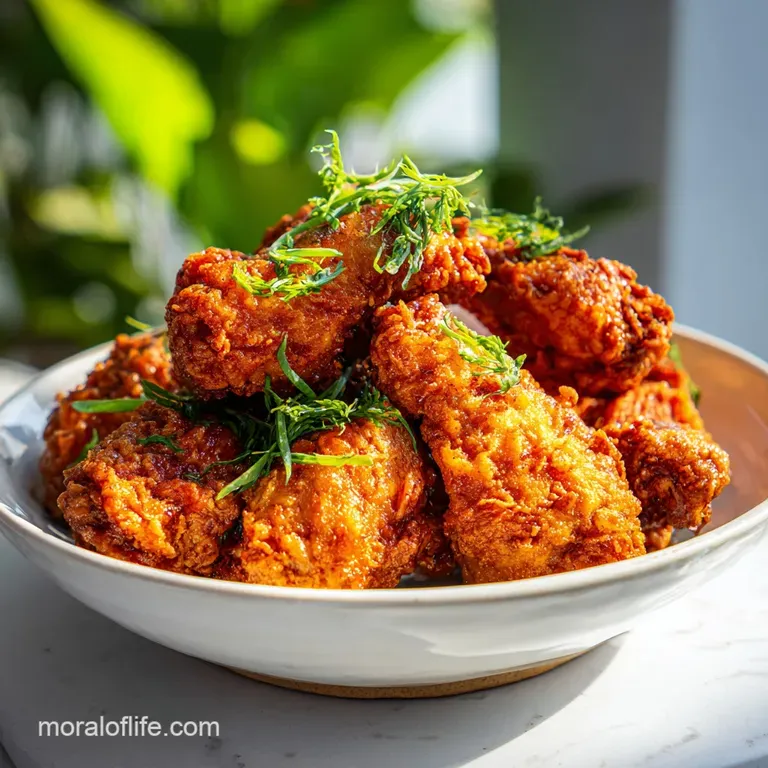
Phase 1: The Accelerated Brine
- Whisk buttermilk, egg, and hot sauce. Combine these in a large bowl with 1 tbsp of sea salt until the egg is fully incorporated.
- Submerge the chicken pieces. Place the thighs and drumsticks into the liquid, ensuring they are completely covered. Note: Let this sit for at least 30 minutes, though 2 hours is better for flavor.
Phase 2: Building the "Crag" Coating
- Mix the dry ingredients. In a separate large bowl or a shallow pan, whisk together the flour, cornstarch, and all 11 spices (paprika, peppers, salts, herbs, and MSG).
- Create the "nubbly" texture. Drizzle 2 or 3 tablespoons of the buttermilk marinade into the flour mixture and toss with a fork. Note: These little wet clumps create the extra crunchy bits on the finished chicken.
Phase 3: The Double Dredge Process
- Dredge each piece thoroughly. Lift a piece of chicken from the brine, let the excess drip off, and press it firmly into the flour.
- Double dip for extra crunch. Briefly dip the floured chicken back into the buttermilk, then into the flour a second time. Press the flour into the meat to ensure it sticks.
Phase 4: The Precision Fry
- Heat oil to 350°F. Use a deep fry thermometer to track this accurately.
- Fry in batches. Carefully lower 3-4 pieces into the oil. Cook for 15 minutes, turning occasionally. Cook until the crust is deep golden and the internal temp hits 175°F.
Phase 5: The Essential Rest
- Drain on a wire rack. Remove the chicken from the oil and let it sit for at least 5 minutes before serving. Note: This allows the juices to redistribute and the crust to fully set.
Avoiding Common Fried Chicken Mistakes
One of the biggest heartbreaks is biting into a beautiful piece of chicken only to find it's still pink inside. This usually happens because the oil was too hot, browning the outside before the heat could reach the bone.
Why Your Coating Falls Off
If your breading slides off like a jacket, it's usually due to moisture. If the chicken skin was too slippery or if you didn't press the flour firmly into the meat, the bond won't hold. Also, moving the chicken too much in the first 3 minutes of frying can break the crust before it sets.
| Problem | Root Cause | Solution |
|---|---|---|
| Sinking Coating | Surface was too wet | Pat chicken dry before the initial brine soak. |
| Burnt Crust | Oil temp too high | Maintain 325°F-350°F; don't let it creep to 400°F. |
| Greasy Meat | Oil temp too low | Ensure oil returns to 350°F between batches. |
If you are looking for a faster way to get your fix without the deep frying, you might enjoy my Spicy Chicken Tenders recipe which uses a similar spice profile but a quicker cook method.
Common Mistakes Checklist:
- ✓ Never crowd the pan; this drops the oil temperature and leads to greasy chicken.
- ✓ Use a thermometer for both the oil and the meat don't wing it!
- ✓ Let the dredged chicken sit on a tray for 10 minutes before frying to help the flour adhere.
- ✓ Always use a wire rack for cooling, never a flat plate or paper towel stack.
Creative Variations and Flavor Swaps
If you want to change things up, the base of this restaurant copycat recipe with signature fried chicken is incredibly flexible.
The "Nashville Hot" Variation
Once the chicken is fried, whisk 1/2 cup of the hot frying oil with 2 tbsp cayenne pepper, 1 tbsp brown sugar, and 1 tsp chili powder. Brush this spicy oil over the hot chicken for a fiery, sweet and salty kick. This is perfect for those who want more than just the "original" spice level.
The gluten-free Swap
You can swap the all purpose flour for a high-quality 1:1 gluten-free flour blend. I've found that blends containing rice flour actually produce a very light, crispy result. However, keep an eye on the color, as GF flours sometimes brown faster than wheat flour.
Chef's Tip: If you want even more "crags," add a little bit of honey to your buttermilk brine. The sugar helps with browning and adds a very subtle sweetness that balances the white pepper.
Storage and Zero Waste Methods
Fried chicken is best fresh, but we've all had leftovers. Do not use the microwave. Microwaving fried chicken turns that beautiful crust into a soggy, rubbery mess. Instead, reheat it in a 350°F oven or an air fryer for about 5-8 minutes.
This will revive the crunch and keep the meat juicy.
For zero waste, don't throw away the bones! Fried chicken bones make an incredibly flavorful, smoky "brown stock" for gravies or stews. Just simmer the leftover bones with some onions and celery for an hour. You can also chop up cold leftover chicken to make the most legendary chicken salad you've ever had.
Storage Times:Fridge: Store in an airtight container for up to 4 days. Freezer: Fried chicken can be frozen for up to 3 months, though the crust may lose some integrity.
Serving Suggestions for Your Feast
To make this a true restaurant experience at home, you need the right sides. I always lean toward something creamy to balance the salt and crunch. A cold, vinegar based coleslaw is classic, but a rich mac and cheese is what my family usually asks for on a normal Tuesday.
If you're looking for a lighter pairing, this chicken goes surprisingly well with a crisp green salad or even some pickled cucumbers. The acidity of the pickles cuts through the fat of the fried coating perfectly. For a heartier meal, you could even serve this alongside my Rice Grilled Chicken recipe if you're hosting a big crowd and want to offer both fried and grilled options.
- If you want it classic: Serve with mashed potatoes and honey biscuits.
- If you want it spicy: Drizzle with extra hot sauce and serve with white bread and pickles.
- If you want it fun: Chop it up and put it on top of waffles with a bit of maple syrup.
Comparison of Frying Methods
| Method | Time | Texture | Best For |
|---|---|---|---|
| Deep Fry | 15 minutes | Thick, craggy crust | Authentic restaurant results |
| Shallow Fry | 20 minutes | Crispy but flatter | Saving oil and easier cleanup |
Frying your own chicken might feel intimidating the first time, but once you hear that crunch, you'll never go back to the bucket. It's about taking the time to do the little things right the double dredge, the temperature check, and that essential 5 minute rest.
Trust me, your kitchen is about to become everyone's favorite restaurant.
Critical High in Sodium
1480 mg mg of sodium per serving (64% of daily value)
American Heart Association recommends limiting sodium intake to about 2,300mg per day.
Sodium Reduction Tips for Fried Chicken
-
Eliminate Added Salt-25%
Remove the 1 tbsp of fine sea salt entirely from the buttermilk marinade. The other seasonings will provide plenty of flavor.
-
Omit Garlic Salt-20%
Replace the 1 tbsp of garlic salt with an equal amount of regular garlic powder. This removes a significant source of sodium.
-
Reduce Onion Powder-10%
Reduce the 1 tbsp of onion powder by half to 1/2 tbsp. This will slightly reduce the overall sodium content without significantly impacting flavor.
-
Skip Celery Salt-10%
Remove the 1 tsp of celery salt. Celery flavor can still be achieved using celery seed or fresh celery (not recommended for fried chicken though).
-
Limit Hot Sauce-5%
Halve the amount of Louisiana style hot sauce used from 2 tbsp to 1 tbsp. This will still impart some flavor and heat.
-
Omit MSG-5%
Consider removing the 1/2 tsp of MSG, or reduce it to 1/4 tsp. It is a source of sodium, though its impact is less than salt.
-
Spice it Up Naturally
Experiment with sodium free herbs and spices like black pepper, smoked paprika, oregano, thyme, white pepper, ground ginger and mustard powder to enhance the flavor profile instead of relying on salt.
Recipe FAQs
What's the secret to the best fried chicken?
Yes, it relies on two key elements: aggressive brining and a starch heavy dredge. The buttermilk brine tenderizes the meat, while mixing cornstarch into your flour creates a brittle, shatter like crust upon frying.
What is the 7/10-7 method for fried chicken?
No, this specific sequence is not used in this recipe; we focus on a consistent 15-minute fry time. The best results come from maintaining the oil at 350°F and frying until the internal temperature of the meat reaches 175°F for dark cuts.
What are the spices in Gordon Ramsay's fried chicken?
This recipe uses a proprietary blend that mimics famous restaurant profiles, not Ramsay’s exact mix. Key components here include white pepper, celery salt, and MSG for savory depth, rather than focusing solely on cayenne heat.
How to make restaurant style crispy chicken?
Press the flour coating firmly onto the chicken twice after a short dip back into the buttermilk. This double dredge creates the desirable craggy texture; if you enjoyed mastering this adhesion technique, see how the same principle works in our Empanada Dough Recipe.
Is it true I must use peanut oil for authentic flavor?
No, this is a common misconception, though peanut oil is highly recommended for its high smoke point. Vegetable or canola oil can be substituted if needed, as the flavor contribution of the coating spices overrides the oil's taste significantly.
How long should the chicken rest after frying?
Rest the chicken for a minimum of 5 minutes on a wire rack before serving. This pause allows the internal juices to redistribute, ensuring moist meat, and prevents the steam from softening the crust you worked hard to build.
Can I use this same spice blend for other poultry dishes?
Yes, the spice mix is highly versatile, especially the savory components like MSG and celery salt. You can apply this flavor profile to bone-in cuts destined for the oven or even incorporate it into a sauce base like our Cajun Alfredo Sauce Recipe.
Signature Fried Chicken Copycat
Ingredients:
Instructions:
Nutrition Facts:
| Calories | 678 calories |
|---|---|
| Protein | 38 g |
| Fat | 42 g |
| Carbs | 36 g |
| Fiber | 2 g |
| Sugar | 3 g |
| Sodium | 1480 mg |
