Dependable Mac N Cheese Recipe
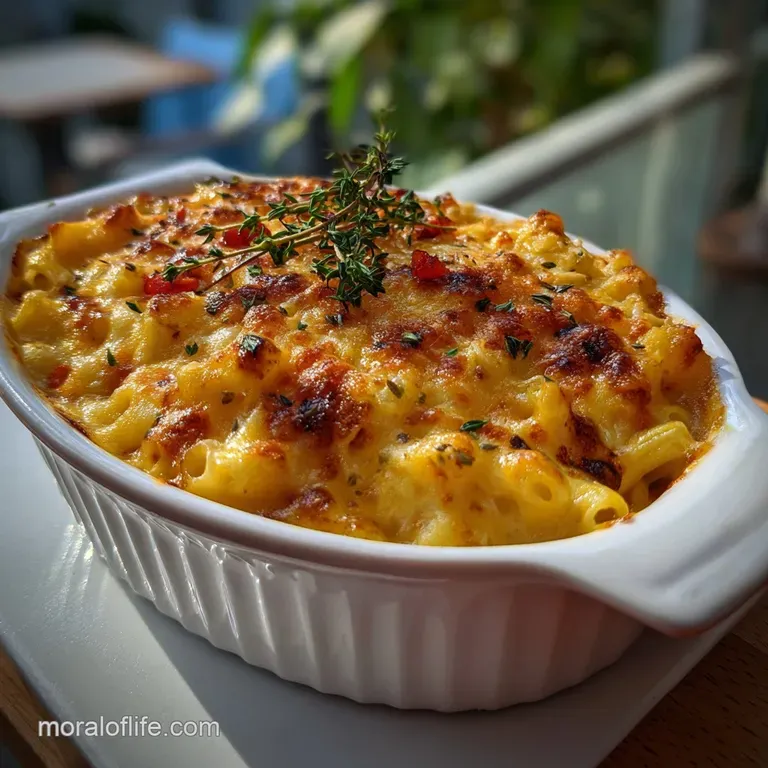
- Effort/Time: 50 minutes total / Intermediate technique
- Flavor Hook: Sharp cheddar punch balanced by earthy Gruyère and a hint of nutmeg
- Perfect for: A normal Tuesday night or a make-ahead holiday side
- Mastering the Ultimate Dependable Mac n Cheese
- The Physics of Emulsification and Starch Gelatinization
- Human-Centric Planning for a Seamless Weeknight Meal
- The Essential Flavor Architecture: Curating Your Elements
- Precision Tools for Optimal Thermal Conductivity
- Action-First Protocol for a Velvet Cheese Matrix
- Solving Texture Failures and Sauce Instability
- Creative Flavor Adjustments and Smart Substitutions
- ⚗️ The Scaling Lab: The Physics of Quantity
- Debunking Common Kitchen Myths
- Thermal Mass Preservation and Reheating Techniques
- Classic Pairings for a Dependable Tuesday Feast
- Recipe FAQs
- 📝 Recipe Card
Mastering the Ultimate Dependable Mac n Cheese
There is nothing quite like the technical failure of pulling a pan out of the oven only to find a gritty, oily puddle of separated cheese and dry noodles. It is an expensive nightmare when $20 worth of high-quality cheddar breaks down into a texture resembling wet sand, leaving the pasta swimming in a yellow slick.
I remember one specific Tuesday where I rushed the process, dumped cold milk into a hot roux, and watched my sauce seize into clumps that no amount of frantic whisking could save. We have all been there, staring at a wasted block of cheese and wondering where the "velvety" promise went wrong.
I spent months iterating on this recipe, destroying at least four batches of béchamel before I understood the thermal limits of milk proteins. I used to think the crunchiest topping was just about the butter, but I learned through trial and error that it's actually about the surface area of the crumb and the timing of the par-boil.
This version is the result of those failures, designed to be repeatable with confidence in any home kitchen. It focuses on stability, ensuring the emulsion holds even when reheated the next day.
The secret to success here is not a secret ingredient; it’s the physics of starch gelatinization and the management of "casein" proteins. By keeping the heat gentle and using room temperature liquids, we create a stable matrix that keeps the fat suspended in the sauce.
This results in a glossy, mahogany topped dish with a center that stays creamy rather than turning into a solid, rubbery brick. When you pull this from the oven, you won't just see a meal; you'll see a perfectly engineered comfort food masterpiece.
The Physics of Emulsification and Starch Gelatinization
- Starch Gelatinization: The all-purpose flour molecules swell and burst in the hot butter, creating a web that traps liquid and prevents the cheese fats from separating.
- Casein Stability: Using room temperature whole milk prevents thermal shock, allowing the cheese proteins to melt smoothly without tightening into rubbery grains.
- Lecithin Integration: The dry mustard acts as a natural emulsifier, helping the fat-heavy cheddar bond with the water based milk for a velvety mouthfeel.
- Par-Cooked Capillary Action: Boiling the macaroni to just before al dente allows the tubes to suck up the sauce during baking without turning into mush.
Human Centric Planning for a Seamless Weeknight Meal
To execute this Mac n Cheese flawlessly, follow this 3 step timeline. Planning the heat transitions is the difference between a broken sauce and a smooth one.
| Phase | Duration | Focus |
|---|---|---|
| Prep Flow | 20 minutes | Grate cheeses by hand; measure room temp dairy. |
| Cooking Flow | 15 minutes | Build the roux and thicken the Béchamel base. |
| Finish Flow | 30 minutes | Bake until the panko reaches a shattering crisp. |
The Essential Flavor Architecture: Curating Your Elements
Selecting the right components for Mac n Cheese is about balancing fat content with structural integrity. Avoid pre-shredded bags; the cellulose coating intended to prevent clumping in the bag will prevent melting in the pot, leading to a gritty sauce.
Ingredient Chemistry Breakdown
| Ingredient | Chemical/Physical Role (Science) | The Pro Secret (Why This Matters) |
|---|---|---|
| Extra Sharp Cheddar | High acid/fat ratio for flavor stability | Aged cheddar has less moisture, providing a concentrated punch. |
| Gruyère | High meltability via low-density protein | Adds a nutty complexity and superior "stretch" to the sauce. |
| Whole Milk | Fat-in-water emulsion base | Provides the necessary hydration for the flour to swell fully. |
| Dry Mustard Powder | Natural emulsifier via lecithin | Bridges the gap between the fat in cheese and the liquid in milk. |
The Elements:
- 1 lb Elbow Macaroni: Use Barilla Elbow Pasta. Why this? The ridges and hollow center maximize the surface area for sauce adhesion.
- 1 tbsp Diamond Crystal Kosher Salt: For the pasta water.
- 4 tbsp Unsalted Butter: I prefer Kerrygold. Why this? Higher fat content and lower water percentage create a more stable roux.
- 1/4 cup All-Purpose Flour: Standard King Arthur works best.
- 3 cups Whole Milk: Must be room temperature. Why this? Prevents the roux from "clumping" upon contact.
- 1 cup Heavy Cream: Adds silkiness.
- 12 oz Extra Sharp Cheddar: Hand grated.
- 4 oz Gruyère: Hand grated.
- 1 tsp Dry Mustard Powder: For emulsion.
- 1/4 tsp Ground Nutmeg: Why this? Enhances the savory notes of the dairy without being "spiced".
- 0.5 tsp Salt & 0.5 tsp Black Pepper: To taste.
- 1 cup Panko Breadcrumbs: Use Ian's Panko. Why this? Large surface area creates a more distinct shatter than fine crumbs.
- 2 tbsp Unsalted Butter: Melted for the topping.
- 1/2 cup Parmesan Cheese: Freshly grated.
- 1/2 tsp Smoked Paprika: For color and depth.
Precision Tools for Optimal Thermal Conductivity
For a dependable Mac n Cheese, the vessel matters as much as the heat. You need tools that distribute energy evenly to prevent the bottom of the sauce from scorching while the top stays cold.
- Lodge 12 inch Cast Iron Skillet: The thermal mass ensures the cheese melts evenly and the bottom crust develops a slight crunch.
- KitchenAid Hand Grater: Essential for avoiding the anti clumping starches found in pre-shredded cheese.
- Stainless Steel Balloon Whisk: Necessary for breaking up flour clumps in the initial roux stage.
- Le Creuset 6 Quart Stockpot: For boiling the macaroni with enough water to prevent starch build-up.
Action First Protocol for a Velvet Cheese Matrix
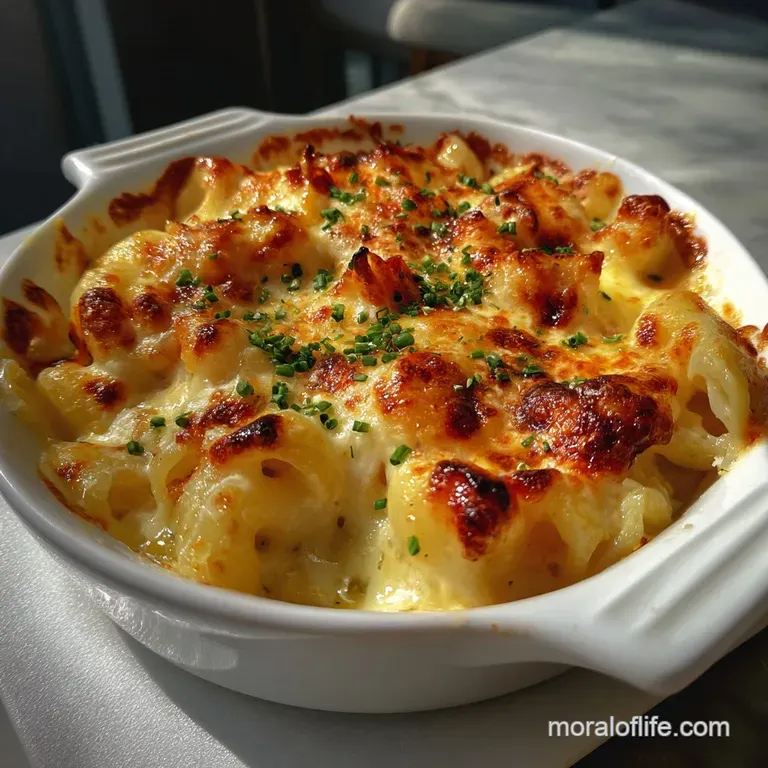
Follow these steps exactly to ensure the Mac n Cheese remains creamy.
- Boil 4 quarts of water in a Le Creuset Stockpot. Note: Sufficient water volume prevents the pasta from becoming gummy.
- Add 1 tbsp Diamond Crystal Kosher Salt once water reaches a rolling boil.
- Drop 1 lb elbow macaroni and cook for 6 minutes until the center is still firm and slightly undercooked. Note: The pasta will finish cooking in the oven by absorbing the sauce.
- Drain pasta and set aside; do not rinse.
- Melt 4 tbsp unsalted butter in a Lodge Skillet over medium heat until the foaming subsides.
- Whisk in 1/4 cup flour and cook for 2 minutes until the mixture smells nutty like toasted crackers and turns pale gold.
- Slowly stream in 3 cups room temp milk and 1 cup heavy cream while whisking constantly.
- Simmer for 5 minutes until the sauce thickens enough to coat the back of a wooden spoon.
- Remove from heat and stir in 1 tsp dry mustard, nutmeg, 0.5 tsp salt, and 0.5 tsp pepper.
- Fold in 12 oz cheddar and 4 oz Gruyèreuntil the cheese is fully melted and the sauce is glossy.
- Combine the cooked macaroni with the cheese sauce until every tube is fully submerged.
- Mix 1 cup panko, 2 tbsp melted butter, 1/2 cup parmesan, and 0.5 tsp paprika in a small bowl.
- Top the skillet with the panko mixture.
- Bake at 375°F for 30 minutes until the edges are bubbling and the top is a deep mahogany brown.
Solving Texture Failures and Sauce Instability
The most common issue with Mac n Cheese is a "broken" sauce where the fat separates. This is usually caused by excessive heat or the use of pre-shredded cheese.
Why Your Sauce is Grainy
When cheese is heated too quickly or too high, the proteins (casein) tighten and squeeze out the fat. This creates a grainy, clumpy texture that feels like sand on the tongue. Once the proteins denature and clump, they cannot be "un-clumped."
| Problem | Root Cause | The Fix | Pro Protocol |
|---|---|---|---|
| Sauce is Oily | Heat was too high during cheese integration. | Add a splash of warm milk and whisk off-heat. | Keep temp under 175°F when adding cheese. |
| Gritty Texture | Used pre-shredded cheese with cellulose. | Use only hand grated blocks of cheese. | Grate cheese 15 mins early to reach room temp. |
| Dry Macaroni | Pasta was overcooked in the water. | Reduce boiling time by 2 minutes. | Pasta should have a white "dot" in the center before baking. |
Creative Flavor Adjustments and Smart Substitutions
If you need to pivot based on what's in your pantry, use these guidelines. Note that changing the fat or protein content will alter the final "cling" of the sauce on the Mac n Cheese.
| Original Ingredient | Substitute | Why It Works |
|---|---|---|
| Gruyère (4 oz) | Fontina (4 oz) | Similar melting point. Note: Milder flavor; add more pepper. |
| Heavy Cream (1 cup) | Evaporated Milk (1 cup) | High protein concentration prevents curdling. |
| Panko (1 cup) | Crushed Ritz Crackers | High fat content in crackers creates a buttery, salty crust. |
- The Smoky Kick: Add 1/2 tsp of chipotle powder to the roux for a lingering heat.
- gluten-free Swap: Use a 1 to-1 gluten-free flour blend for the roux and chickpea based elbows. Note: Chickpea pasta absorbs liquid faster; add 1/4 cup extra milk.
- The Truffle Twist: Drizzle 1 tsp of white truffle oil into the sauce after the cheese has melted.
⚗️ The Scaling Lab: The Physics of Quantity
When you need to double this Mac n Cheese for a crowd, do not simply double every number. Physics dictates how heat and flavor move through a larger mass.
- Flavor Saturation: Scale spices (nutmeg, mustard) to 1.5x, not 2x. Concentrated spices can become overwhelming in large volumes.
- The Evaporation Paradox: If doubling the recipe in two separate skillets, keep the liquid the same. If using one giant deep dish pan, reduce the milk by 10%. The lower surface area-to-volume ratio means less moisture evaporates during the bake.
- Thermal Mass & Pan Crowding: A double batch in a thick ceramic dish will take 45 50 minutes to bubble in the center. To prevent the edges from burning while the middle stays cold, drop the oven temp to 350°F.
- Carry Over Cooking: A larger mass of Mac n Cheese holds more heat energy. Pull it from the oven when the center still has a slight "jiggle" it will continue to set for 15 minutes on the counter.
Debunking Common Kitchen Myths
- Myth: You must rinse the pasta to keep it from sticking.
- Truth: Rinsing removes the surface starch. You want that starch to help the cheese sauce bind to the macaroni.
- Myth: Adding oil to the boiling water prevents sticking.
- Truth: Oil just floats on top and then coats the pasta as you drain it, preventing the sauce from sticking to the noodles.
Thermal Mass Preservation and Reheating Techniques
Storage: This Mac n Cheese stays fresh in the fridge for up to 4 days. Store it in an airtight container with a piece of plastic wrap pressed directly against the surface to prevent a "skin" from forming.
Freezing: You can freeze the assembled, unbaked dish for up to 2 months. Thaw in the fridge for 24 hours before baking. If baking from frozen, add 20 minutes to the cook time and cover with foil for the first 30 minutes.
Reheating: To maintain the emulsion, add a tablespoon of milk per cup of pasta before microwaving. Heat at 50% power to prevent the cheese oils from separating.
💡 ZERO WASTE PHILOSOPHY Don't discard cheese rinds (specifically the Parmesan or Gruyère). Transform: Toss them into your next pot of vegetable soup or marinara.
Science: The rinds are packed with concentrated umami and fats that dissolve slowly, adding a rich savory depth to stocks.
Classic Pairings for a Dependable Tuesday Feast
This Mac n Cheese is a heavy hitter, so it benefits from acidic or bright pairings.
- The Weeknight Standard: Serve alongside a crisp green salad with a heavy lemon vinaigrette. The acid cuts right through the heavy cream and cheddar fats.
- The BBQ Feast: Pair with pulled pork and vinegar based slaw. The smoky paprika in the topping bridges the gap to the BBQ flavors perfectly.
- The Comfort Duo: A simple roasted broccoli with charred edges provides a bitter contrast that makes the nutmeg in the sauce pop.
Building a dependable Mac n Cheese is all about respecting the roux and the quality of your cheese. Once you master the "velvet" stage of the sauce, you'll never go back to the boxed version again. Just remember: low heat, room temp milk, and always grate your own cheese.
Trust me, your Tuesday night depends on it.
Recipe FAQs
Is pre-shredded cheese acceptable for this recipe?
No. Pre-shredded cheese contains cellulose coatings which prevent smooth melting. These anti caking agents prevent proper emulsification, leading to a gritty sauce instead of a velvety texture.
Should I rinse the macaroni after boiling?
No. Rinsing removes essential surface starch. The starch remaining on the pasta is necessary for the cheese sauce to properly adhere to the noodles during baking.
Why does my finished cheese sauce look grainy or separated?
Cold cheese added to hot liquid causes protein clumping. Temperature shock denatures casein proteins, creating grainy texture instead of smooth emulsion.
- Remove pan from heat first
- Add cheese in small handfuls
- Use fresh grated Gruyère (pre-shredded has cellulose coating)
Which butter is superior: salted or unsalted?
Unsalted butter for precision control. Salted brands vary widely in sodium content, making standardization difficult for professional results. Unsalted lets you adjust salt based entirely on the inherent saltiness of your chosen cheeses.
Does the fat percentage of the milk matter for the sauce?
Whole milk is required for proper structural integrity. low-fat milk contains too much water, weakening the starch thickening power and leading to a thinner, less luxurious sauce.
Myth: Baking immediately after mixing ensures the best result.
Myth: Baking immediately after mixing ensures the best result. Reality: Allowing the pasta to sit in the sauce for 10 minutes off-heat permits better starch absorption before the topping is applied and baked.
Myth: Adding baking soda fixes a broken cheese sauce.
Myth: Adding baking soda fixes a broken cheese sauce. Reality: Baking soda is a powerful base that changes pH; it emulsifies briefly but results in a soapy, unpleasant flavor.
Silky Baked Mac N Cheese
Ingredients:
Instructions:
Nutrition Facts:
| Calories | 726 kcal |
|---|---|
| Protein | 28.9 g |
| Fat | 42.8 g |
| Carbs | 57.2 g |
| Fiber | 2.1 g |
| Sugar | 5.4 g |
| Sodium | 565 mg |
