Spaghetti Sauce Seasoning: Pantry Staple Blend
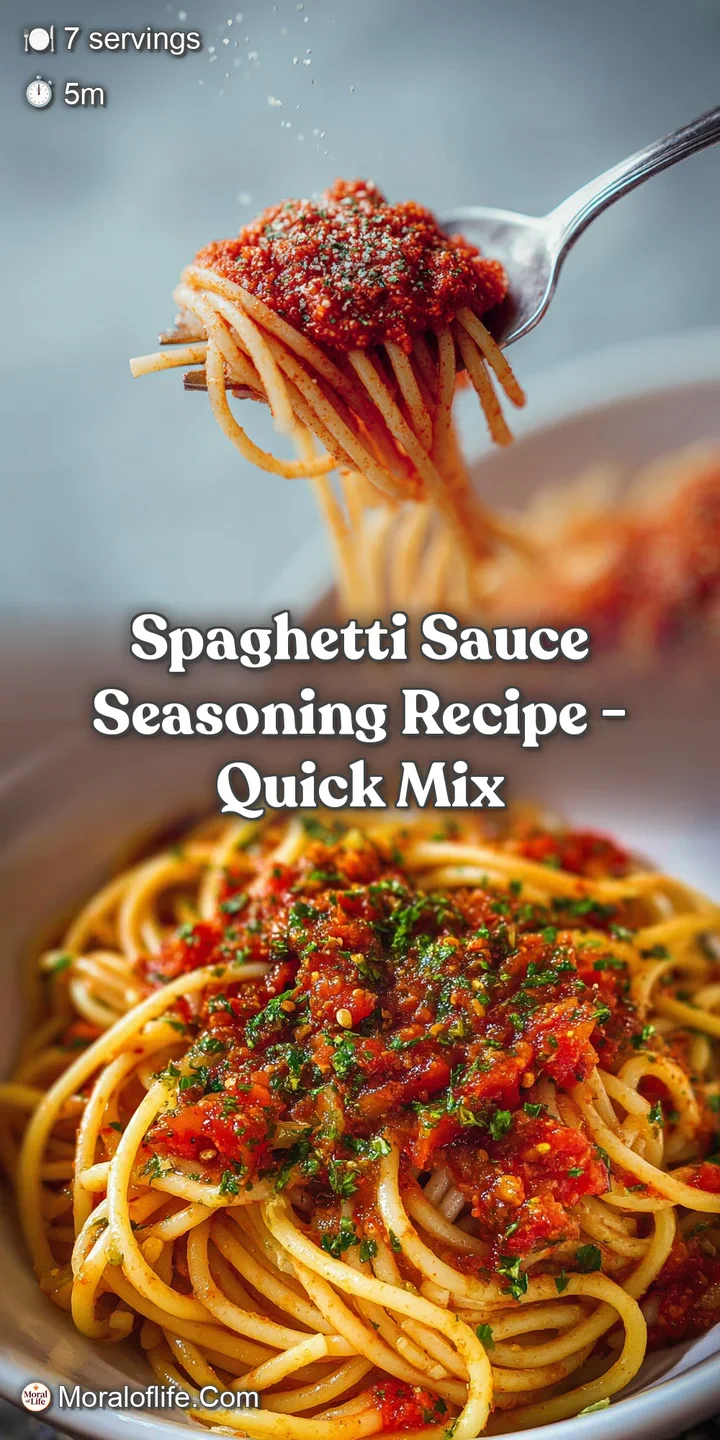
- Time: Active 5 minutes, Passive 0 minutes, Total 5 minutes
- Flavor/Texture Hook: Pungent, herbaceous, and slightly spicy with a velvety powder finish
- Perfect for: Weeknight dinners, budget-friendly meal prep, and DIY gift jars
- Create the Best Spaghetti Sauce Seasoning
- Essential Stats for This Sauce Seasoning
- The Science Behind This Flavorful Blend
- Choosing the Right Herbs and Spices
- Simple Tools for a Reliable Mix
- How to Prepare Your Herb Blend
- Solving Common Dry Mix Issues
- Customizing Your Italian Seasoning Mix
- Keeping Your Herb Blend Pungent
- Great Recipes for This Seasoning
- High in Sodium
- Spaghetti Sauce Seasoning FAQs
- 📝 Recipe Card
Create the Best Spaghetti Sauce Seasoning
You know that specific, mouth watering scent that hits you the second you walk into a traditional Italian deli? It is a mix of dried oregano, sharp garlic, and something slightly sweet.
For years, I relied on those little store-bought packets to get that smell in my kitchen, but they always tasted a bit metallic and way too salty. I finally realized that making a batch of my own seasoning was not just cheaper, it was the secret to making a normal Tuesday feel like a special occasion.
The beauty of this recipe is that it is dependable. You won't find yourself staring at a bland pot of crushed tomatoes wondering what is missing. We are going for a balance that provides a foundation for the sauce to grow.
It is about creating a pantry staple that you can reach for with confidence, knowing it will work every single time.
Most people think you need fresh herbs for a great sauce, but I have learned the hard way that fresh basil often turns muddy and bitter during a long simmer. Dried herbs are actually the workhorse of a great red sauce.
They are concentrated, they stand up to heat, and when they hit that warm oil or bubbling tomato juice, they bloom into something truly spectacular.
Essential Stats for This Sauce Seasoning
Before we get our hands messy, let us look at how this blend performs. Understanding the yield and the timing helps you plan your pantry stocking. This isn't just about one dinner; it is about having a reliable mix ready whenever the craving for pasta hits.
| Method | Time | Texture | Best For |
|---|---|---|---|
| Stovetop Simmer | 20-45 minutes | Silky, integrated | Most weeknight marinara recipes |
| Slow Cooker | 4-6 hours | Deep, mellowed | Heavy meat sauces or ragus |
| Oven Braised | 1-2 hours | Concentrated, rich | Lasagna fillings and thick sauces |
Choosing between these methods depends on how much time you have. If I am in a rush, a quick 20 minute simmer on the stove with this mix does the trick. But if I am making a big batch for a family gathering, I might let it hang out in the oven to really let those flavors meld together.
Chef's Tip: To get the most out of this mix, "bloom" it. Add the seasoning to your sautéing onions and garlic for 30 seconds before adding the tomatoes. The heat wakes up the dried oils and makes the flavor much more intense.
The Science Behind This Flavorful Blend
Volatile Oil Activation: Drying herbs concentrates their essential oils, which require heat and moisture to "bloom" and release their full aromatic potential into the sauce.
Osmotic Balancing: The inclusion of sea salt and sugar helps draw moisture out of the tomato solids, allowing the herbaceous flavors to penetrate the liquid more deeply.
| Component | Science Role | Pro Secret |
|---|---|---|
| Dried Oregano | Earthy Backbone | Rub it between your palms to shatter the leaves and release oils. |
| Granulated Sugar | Acid Neutralizer | It doesn't make it sweet; it rounds out the sharp metallic edge of canned tomatoes. |
| Garlic Powder | Umami Base | Provides a consistent, velvety savory note that fresh garlic alone can't achieve. |
The way these ingredients interact is quite fascinating. While fresh herbs are mostly water, these dried versions are flavor bombs waiting for a liquid medium to explode. The sugar is especially important here because canned tomatoes are naturally quite acidic; the sugar acts as a chemical bridge that balances the pH on your tongue.
Choosing the Right Herbs and Spices
When you are shopping, quality matters, even for dried goods. Look for herbs that still have a bit of green color. If your dried basil looks like grey dust, it probably tastes like it too. I always try to buy spices from a place with high turnover so I know they haven't been sitting on the shelf since the 90s.
- 3 tbsp Dried Oregano (15g): This is the soul of the mix. Why this? Provides that classic "pizza shop" aroma and deep Mediterranean earthiness.
- Substitute: Dried Marjoram (use slightly less as it is sweeter).
- 3 tbsp Dried Basil (15g): Adds a sweet, peppery note. Why this? It is the essential partner to tomatoes in any Italian dish.
- Substitute: Dried Thyme (gives a more French, floral profile).
- 1 tbsp Dried Parsley (4g): Adds brightness and color. Why this? It acts as a bridge between the heavier, pungent spices.
- Substitute: Dried Chervil (more delicate, slightly anise like).
- 1 tsp Dried Thyme (1g): Brings a subtle minty, lemony undertone. Why this? Adds complexity so the sauce doesn't taste "one note."
- Substitute: Dried Summer Savory (very similar flavor profile).
- 1 tsp Dried Rosemary (1g): Must be finely crushed. Why this? Adds a piney, woody depth that makes the sauce taste expensive.
- Substitute: Dried Sage (use half the amount as it can be overpowering).
- 3 tbsp Garlic Powder (27g): For that instant savory hit. Why this? Dissolves perfectly for a smooth, velvety sauce texture.
- Substitute: Granulated Garlic (use the same amount, but texture is slightly grittier).
- 2 tbsp Onion Powder (18g): Provides sweetness and body. Why this? Adds the savory depth of sautéed onions without the prep time.
- Substitute: Shallot powder (adds a more sophisticated, mild bite).
- 1 tbsp Sea Salt (18g): Enhances every other flavor. Why this? Sea salt has a cleaner finish than standard table salt.
- Substitute: Kosher salt (use 1.5 times the amount due to larger flakes).
- 1 tsp Black Pepper (2g): For a gentle, back of-the throat heat. Why this? Freshly ground provides better floral notes than pre ground.
- Substitute: White pepper (milder, keeps the sauce color bright).
- 1 tsp Red Pepper Flakes (2g): Adds a controlled "zing." Why this? Wakes up the palate without making the dish actually "spicy."
- Substitute: Cayenne pepper (use a tiny pinch, it's much hotter).
- 1 tsp Granulated Sugar (4g): The secret weapon. Why this? Tames the harshness of canned tomato acidity instantly.
- Substitute: Honey or maple syrup (add directly to the sauce later, not the dry mix).
Simple Tools for a Reliable Mix
You don't need a high tech lab to make a great seasoning. In fact, most of these tools are likely in your drawer right now. I prefer using glass for storage because plastic tends to absorb the smell of the garlic and onion, which can be a nightmare to wash out later.
- Small Mixing Bowl: Anything that gives you enough room to stir without spilling.
- Whisk or Fork: Essential for breaking up those little clumps that form in onion and garlic powder.
- Mortar and Pestle (Optional): If your rosemary or oregano leaves are very large, a quick grind helps.
- Airtight Glass Jar: Think a small Mason jar or a repurposed (and cleaned!) spice container.
- Measuring Spoons: Accuracy is key to keeping the balance right.
If you don't have a mortar and pestle, don't sweat it. I often just put the dried rosemary in a small plastic bag and give it a چند whacks with a rolling pin or the bottom of a heavy mug. You just want to break those needles down so you aren't biting into a "stick" later in your dinner.
How to Prepare Your Herb Blend
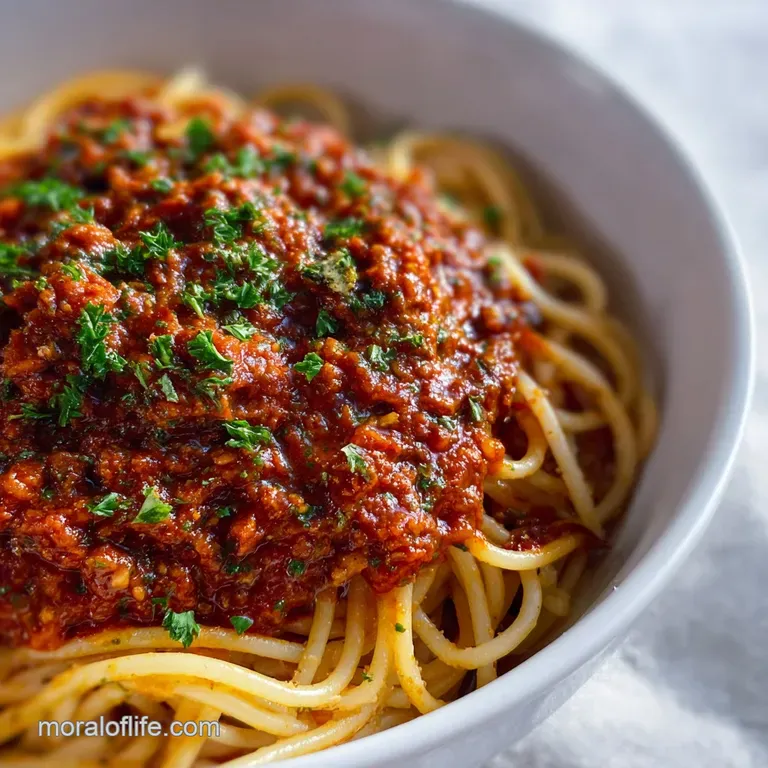
Now, let's get to the actual mixing. It's incredibly satisfying to watch all these different colors and textures come together into one beautiful, aromatic blend. I usually make a double batch because it disappears faster than you'd think, especially once you start using it on garlic bread and roasted veggies.
- Measure the dried oregano. Place it into your dry mixing bowl first. Note: This forms the bulk of your mixture.
- Add the dried basil. Sprinkle it over the oregano until the colors begin to intermingle.
- Incorporate the parsley and thyme. Stir gently with a fork to distribute the smaller leaves.
- Crush the rosemary needles. Use your fingers or a mortar until they shatter into small pieces.
- Sift in the garlic powder. Add it slowly until no large clumps remain.
- Add the onion powder. Continue whisking to ensure a velvety, consistent texture.
- Sprinkle in the sea salt. Use a whisk to make sure the salt isn't all sitting at the bottom.
- Add the black pepper. Grind it directly into the bowl for the most aromatic result.
- Toss in the red pepper flakes. These add beautiful little flecks of red to your mix.
- Finish with the sugar. Stir one last time until the mix looks uniform and combined.
This seasoning works wonders in a One Pot Pasta recipe. I have also found that if you are making a larger meal, you can use it to flavor the meat in a Lasagna Recipe Cooked at 350. It is incredibly versatile once you have it sitting in your cupboard.
Solving Common Dry Mix Issues
Even the simplest recipes can hit a snag. The most common issue I hear about is clumping. Because garlic and onion powders are very fine and slightly "sticky" with natural sugars, they love to grab onto any moisture in the air and turn into a rock.
Why Your Seasoning Clumps
If you open your jar and find a solid brick of seasoning, don't throw it out! This usually happens because of humidity or because the jar wasn't sealed tight enough. It can also happen if you measured the powders over a steaming pot of boiling pasta never do that!
The steam goes right up into the measuring spoon and into your jar.
| Problem | Root Cause | Solution |
|---|---|---|
| Hard Clumps | Moisture or humidity | Add a few grains of dry rice to the jar to absorb moisture. |
| "Dusty" Flavor | Old ingredients | Check "best by" dates; bloom spices in hot oil before adding liquid. |
| Too Salty | Measuring error | Add more dried herbs or a bit more sugar to the sauce to balance. |
Common Mistakes Checklist
- ✓ Always use a bone dry spoon when measuring from your storage jar.
- ✓ Keep the jar away from the stove where heat and steam are highest.
- ✓ Shake the jar before every use to redistribute the heavier salt and powders.
- ✓ Don't skip the sugar it's the bridge that makes the herbs taste "fresh."
- ✓ If the rosemary is too pokey, grind it further before adding to the mix.
Customizing Your Italian Seasoning Mix
One of the best things about making your own is that you are the boss. If you have kids who are sensitive to heat, you can pull back on the red pepper. If you love a smokier profile, you can swap out some of the salt for smoked sea salt.
If you are looking for a Smoked Meat Profile, try adding a teaspoon of smoked paprika to the mix. It adds a deep, ruby color and a hint of campfire that works beautifully if you are using ground beef or Italian sausage in your sauce.
For a Keto Friendly No Sugar Mix, simply omit the granulated sugar. The sauce might taste a bit sharper, but you can always add a splash of heavy cream at the end of cooking to provide that same smoothing effect.
| Servings | Ingredient Adjustments | Jar Size | Cook Time Impact |
|---|---|---|---|
| 7 Servings | Standard Recipe | 4 oz (120ml) | None |
| 14 Servings | Double all quantities | 8 oz (240ml) | None |
| 28 Servings | Quadruple (watch salt!) | 16 oz (480ml) | None |
Keeping Your Herb Blend Pungent
Proper storage is the difference between a sauce that tastes like a restaurant and one that tastes like a cardboard box. Light, heat, and oxygen are the enemies of your herbs. I always keep my spice jars in a dark pantry rather than on a pretty rack on the counter.
It might not look as "Instagram ready," but your taste buds will thank you.
Storage: Keep in an airtight glass jar in a cool, dark place for up to 6 months. After that, the oils start to dissipate and the flavor will fade, though it is still safe to eat.
Freezing: While you don't freeze the dry mix itself, you can freeze the sauce made with it for up to 3 months. The seasoning actually holds up very well to the freezing and thawing process.
Zero Waste: If you have a jar that is getting a bit old and losing its punch, don't toss it. Mix it into some softened butter to make an incredible herb butter for steaks or garlic bread.
You can also toss it with some olive oil and use it as a quick marinade for chicken breasts before they hit the grill.
Great Recipes for This Seasoning
Once you have this mix ready, the possibilities are endless. Beyond just standard spaghetti, I use this for almost anything that needs a savory, Italian lift. It is a fantastic shortcut for when you are tired but want something that tastes like you spent hours in the kitchen.
If you are in the mood for something different, it also works remarkably well in a zesty pasta salad. You can see how I use similar herb profiles in my Nutrition Facts Pasta recipe. The dried herbs rehydrate in the dressing and become incredibly vibrant.
Another favorite is making a Roasted Garlic Bread Infusion. Just mix a tablespoon of the seasoning with some softened butter and a little extra fresh garlic, spread it on a baguette, and toast it until the edges are golden and crackling. The aroma will fill your entire house.
Honestly, once you start making your own blend, those store-bought packets will become a distant memory. Trust me on this your Sunday dinners are about to get a whole lot better.
Chef's Note: If you find the rosemary too intense, you can leave it out, but I find it provides that "secret ingredient" vibe that people can't quite put their finger on. It makes the sauce taste more "authentic" and less like something from a jar.
High in Sodium
1000 mg 1000 mg of sodium per serving (43% 43% of daily value)
The American Heart Association recommends limiting sodium intake to about 2,300mg per day for optimal health.
Tips to Reduce Sodium in This Recipe
-
Reduce Sea Salt-25%
Significantly reduce or eliminate the sea salt. Start by halving the amount and adjust to taste. You may find you don't need it at all with the other seasonings.
-
Cut Garlic Powder-15%
Reduce the amount of garlic powder used. It contributes a significant amount of sodium due to its concentration. Try reducing by 50% and adjust to taste.
-
Cut Onion Powder-10%
Similarly to the garlic powder, onion powder contributes sodium. Reduce the amount used by 50% and adjust to taste, or replace it with fresh onion, finely minced in other recipes.
-
Fresh Herbs
Consider using fresh herbs in addition to or in place of the dried herbs. They offer a brighter flavor and don't contribute sodium.
Spaghetti Sauce Seasoning FAQs
What spices can you add to spaghetti sauce?
Oregano, basil, garlic powder, onion powder, and a pinch of red pepper flakes are classic additions. These provide the foundational savory, herbaceous, and slightly spicy notes that define a traditional spaghetti sauce. You can also add thyme, rosemary, or parsley for more complex flavor profiles.
What does Gordon Ramsay put in his spaghetti sauce?
He emphasizes quality ingredients and foundational aromatics like onions, garlic, and carrots. Gordon Ramsay often advocates for using good quality tomatoes, fresh herbs like basil and oregano, and building flavor through slow simmering.
He also frequently suggests adding a touch of sugar to balance acidity.
What seasonings are in a spaghetti sauce packet?
Typically, spaghetti sauce packets contain dehydrated onion, garlic powder, salt, sugar, and a blend of dried herbs like oregano and basil. They often include modified food starch for thickening and sometimes monosodium glutamate (MSG) for flavor enhancement.
While convenient, homemade blends offer more control over salt and flavor intensity.
What herbs should I add to spaghetti?
Dried oregano and basil are essential for that classic spaghetti flavor. Fresh basil is wonderful for finishing, but dried herbs stand up better to simmering and provide a more robust base flavor. Thyme, parsley, and a hint of rosemary can add wonderful complexity.
Can I use dried herbs instead of fresh in my spaghetti sauce?
Yes, and often it's preferable for simmering. Dried herbs are more concentrated in flavor and withstand longer cooking times without becoming bitter or muddy, unlike some fresh herbs. For a vibrant finishing touch, add fresh basil or parsley just before serving.
How can I make my spaghetti sauce taste richer?
Add a touch of sugar to balance tomato acidity and consider blooming your dried herbs. Blooming involves sautéing your dried herbs in a little oil before adding other ingredients, which awakens their volatile oils for a more intense flavor.
Adding a splash of red wine or a parmesan rind during simmering also deepens the flavor.
What's the secret to authentic tasting spaghetti sauce?
It's all about layering flavors and balancing acidity. Start by sautéing aromatics like onions and garlic, then "bloom" your dried herbs in oil. Using good quality tomatoes and a touch of sugar to cut the acidity are crucial. If you enjoyed controlling flavor balance here, see how we use acid techniques to build flavor in our Vegan Chili Recipe: Velvety Fire Roasted Base.
Spaghetti Sauce Seasoning
Ingredients:
Instructions:
Nutrition Facts:
| Calories | 39 kcal |
|---|---|
| Protein | 1.8 g |
| Fat | 0.4 g |
| Carbs | 8.7 g |
| Fiber | 3.1 g |
| Sugar | 0.6 g |
| Sodium | 1000 mg |
