Swedish Meatballs with Creamy Gravy
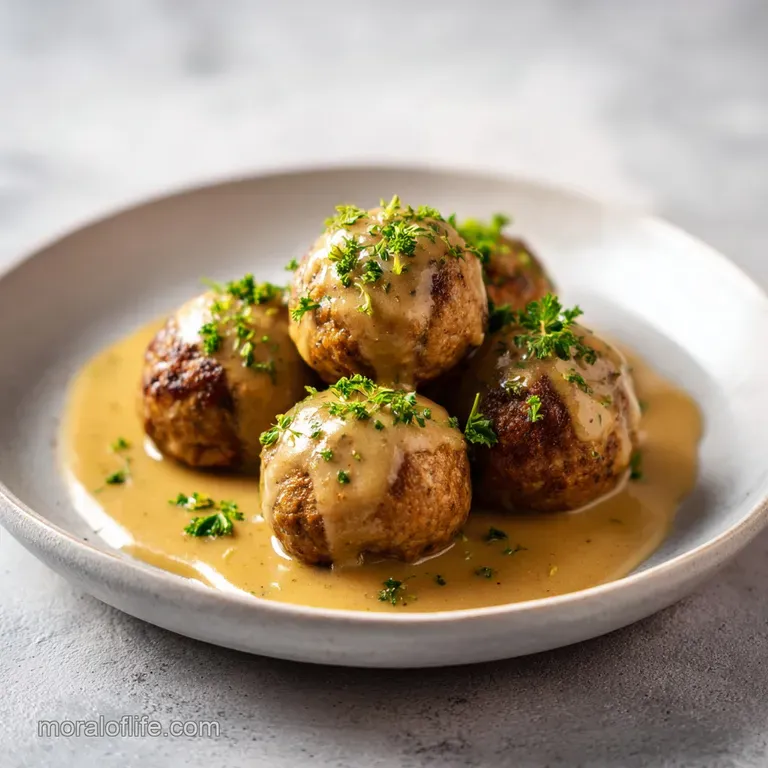
- Time: Active 20 minutes, Passive 25 minutes, Total 45 minutes
- Flavor/Texture Hook: Velvety cream sauce with hints of warm allspice and a mahogany seared crust
- Perfect for: A dependable weeknight dinner that feels like a cozy Sunday afternoon
- The Ultimate Swedish Meatballs With Creamy Gravy Recipe
- The Secret To Tenderness And Flavor
- Essential Components For Success
- Reliable Kitchen Tools For Cooking
- Executing The Perfect Meal Flow
- Solving Common Cooking Obstacles
- Adjusting Ratios For Larger Crowds
- Dispelling Kitchen Legends
- Preservation Secrets And Zero Waste
- Classic Swedish Presentation Ideas
- Very High in Sodium
- Recipe FAQs
- 📝 Recipe Card
The Ultimate Swedish Meatballs With Creamy Gravy Recipe
The sizzle of butter hitting a heavy skillet always signals the start of something special in my kitchen, but nothing fills the house quite like the aroma of this Swedish meatballs with creamy gravy recipe.
It is that specific, nostalgic scent of ground allspice and nutmeg hitting the hot fat that makes everyone wander into the kitchen to ask when dinner will be ready. I remember the first time I tried to make these without the proper spices, thinking a little extra garlic would compensate. I was wrong.
It just tasted like a regular meatball. The true soul of this dish lies in those warm, woody spices that bridge the gap between savory meat and a rich, velvety sauce.
We are focusing on the allspice today because it is the absolute hero of this plate. While many people associate allspice with pumpkin pies or holiday baking, in this context, it provides an earthy, peppery backbone that cuts through the richness of the pork and beef.
If you try to swap it for just extra black pepper, you lose that "Scandinavian" essence that defines the dish. It is the difference between a generic dinner and a meal that feels like a warm hug.
When that spice hits the panade, it hydrates and blooms, ensuring that every single bite has a consistent, comforting flavor profile.
This isn't about fancy techniques or hard to find ingredients; it is about dependable, honest cooking that works every single time you make it. We are going to walk through the prep flow so you can get this on the table in 45 minutes without breaking a sweat.
Whether it is a normal Tuesday or you have friends coming over, this is the kind of meal you repeat with confidence because the results are always consistent. Let's get into why this method actually works and how we can make sure your gravy is never lumpy and your meatballs never dry.
The Secret To Tenderness And Flavor
Moisture Retention: The panade, a mixture of fresh breadcrumbs and milk, acts as a physical barrier that prevents the meat proteins from tightening up and squeezing out their juices during the sear.
Flavor Blooming: Mixing the allspice and nutmeg into the liquid panade first ensures the spices are evenly distributed and "woken up" before they ever hit the heat of the pan.
The Fond Foundation: Searing the meatballs creates a mahogany crust known as a fond, which stays in the pan and dissolves into the broth to provide the primary flavor base for the gravy.
Roux Stability: Cooking the flour and butter into a blond roux before adding liquid ensures the starch granules are coated in fat, which prevents them from clumping together into lumps.
| Meatball Size | Searing Time | Internal Temp | Visual Cue |
|---|---|---|---|
| 1 inch (2.5 cm) | 8-10 minutes | 160°F (71°C) | Deep mahogany crust on all sides |
| 1.5 inch (3.8 cm) | 12-14 minutes | 160°F (71°C) | Firm to the touch with no pink |
| 0.5 inch (1.2 cm) | 5-6 minutes | 160°F (71°C) | Rapid browning, very springy |
When you are choosing your cooking method, you might wonder if you should just throw these in the oven to save time. While the oven is great for large batches, the stovetop method is truly superior for this specific recipe because it allows you to build the sauce in the same pan where the meat browned.
That "fond" or the brown bits at the bottom of the skillet is where the magic happens. If you bake them, you lose all that flavor, and your gravy will taste flat.
Essential Components For Success
| Ingredient | Science Role | Pro Secret |
|---|---|---|
| Fresh Breadcrumbs | Moisture Reservoir | Use soft white bread, not the hard, sandy canned version, for a lighter texture. |
| Grated Onion | Chemical Tenderizer | Grating the onion instead of chopping it releases juices that help soften the meat fibers. |
| Ground Allspice | Aromatic Bridge | This spice provides the "signature" Swedish flavor that distinguishes it from Italian meatballs. |
| Beef Broth | Flavor Solvent | Use low sodium broth so you can control the final salt level as the sauce reduces. |
Choosing the right breadcrumbs is more important than you might think. I have made the mistake of using panko or those very dry, seasoned breadcrumbs from a canister, and the meatballs ended up feeling like little bouncy balls.
Fresh breadcrumbs, which you can make by just pulsing a couple of slices of white bread in a blender, have a much higher capacity to soak up the milk. This creates a soft, pillowy texture that contrasts beautifully with the crispy exterior.
For the meat itself, we are using a 2:1 ratio of beef to pork. The beef provides the structure and the hearty flavor, while the pork adds the necessary fat and a subtle sweetness. If you use all beef, the meatballs can sometimes feel a bit heavy or dry. The pork fat has a lower melting point, which means it starts to render quickly, keeping everything lubricated while you are chasing that perfect sear. If you are looking for a different protein profile, you might enjoy comparing this texture to my Ranch Chicken Meatballs, which use a completely different binding method.
Reliable Kitchen Tools For Cooking
You don't need a kitchen full of gadgets, but a few specific items make this process much smoother. First and foremost, a large, heavy bottomed skillet is your best friend here. I prefer a 12 inch cast iron or a heavy stainless steel pan.
The weight of the pan helps maintain a consistent temperature, which is vital when you are trying to get that mahogany crust on 28 meatballs without burning the butter. If the pan is too thin, you will get hot spots that scorch the exterior before the inside is even warm.
A microplane or a fine box grater is also essential for the onion. We aren't just looking for small pieces; we want an onion pulp. This pulp melts into the meat mixture so you don't have chunks of crunchy onion inside a soft meatball. You will also need a sturdy whisk for the gravy.
A silicone coated whisk is great if you are using a non stick pan, but for stainless steel, a classic metal balloon whisk is best for scraping up those flavorful brown bits from the bottom of the skillet.
Finally, a small cookie scoop (about 1 tablespoon size) can be a real time saver. It ensures that every meatball is exactly the same size, which means they will all cook through at exactly the same rate.
There is nothing more frustrating than having half your meatballs overcooked while the larger ones are still raw in the middle. If you don't have a scoop, just aim for a 1 inch diameter, which is roughly the size of a walnut in its shell.
Executing The Perfect Meal Flow
- Hydrate the panade. Combine 0.5 cup fresh breadcrumbs, 0.25 cup milk, 1 beaten egg, 0.5 cup grated onion, 2 minced garlic cloves, 0.5 tsp allspice, 0.25 tsp nutmeg, 1 tsp salt, and 0.5 tsp pepper in a bowl. Note: Letting this sit for 10 minutes is non negotiable for a tender result.
- Mix the proteins. Add 1 lb ground beef and 0.5 lb ground pork to the bowl.
- Incorporate gently. Use your hands to mix until the panade is evenly distributed through the meat. Note: Stop as soon as it looks uniform to avoid a rubbery texture.
- Shape the meatballs. Roll the mixture into 24-28 small spheres, roughly 1 inch in diameter.
- Sear the batches. Melt 2 tbsp butter in a skillet over medium heat and brown the meatballs for 8-10 minutes until a dark crust forms.
- Start the roux. Remove the meatballs, then melt 3 tbsp butter in the same pan and whisk in 3 tbsp all purpose flour for 1-2 minutes.
- Build the sauce. Slowly pour in 2 cups beef broth while whisking constantly to incorporate the fond.
- Add the finishers. Stir in 0.5 cup half and half, 1 tsp Dijon mustard, and 1 tsp Worcestershire sauce.
- Simmer and serve. Return the meatballs to the pan and cook for 5 minutes until the sauce is thick and velvety.
- Taste and adjust. Add a final pinch of salt or pepper if needed before serving over noodles or mash.
| Original Ingredient | Substitute | Why It Works |
|---|---|---|
| Half and Half | Heavy Cream | Creates an even richer, thicker sauce. Note: Higher calorie count. |
| Beef Broth | Chicken Broth | Lighter flavor profile. Note: Gravy will be paler in color. |
| Fresh Breadcrumbs | Rolled Oats | Provides a similar bind and moisture level. Note: Slightly heartier texture. |
It is important to remember that when you are building the gravy, the temperature of your broth matters. If you pour ice cold broth into a hot roux, it can sometimes seize up and create tiny lumps. I usually let my broth sit on the counter while I am prepping the meat so it isn't straight from the fridge. If you do end up with lumps, don't panic. A vigorous whisking session usually smooths them out as the sauce comes to a simmer. For a completely different but equally comforting sauce experience, you might want to look at my Cajun Alfredo Sauce, which uses similar whisking techniques to achieve a smooth finish.
Solving Common Cooking Obstacles
Why Your Meatballs Are Falling Apart
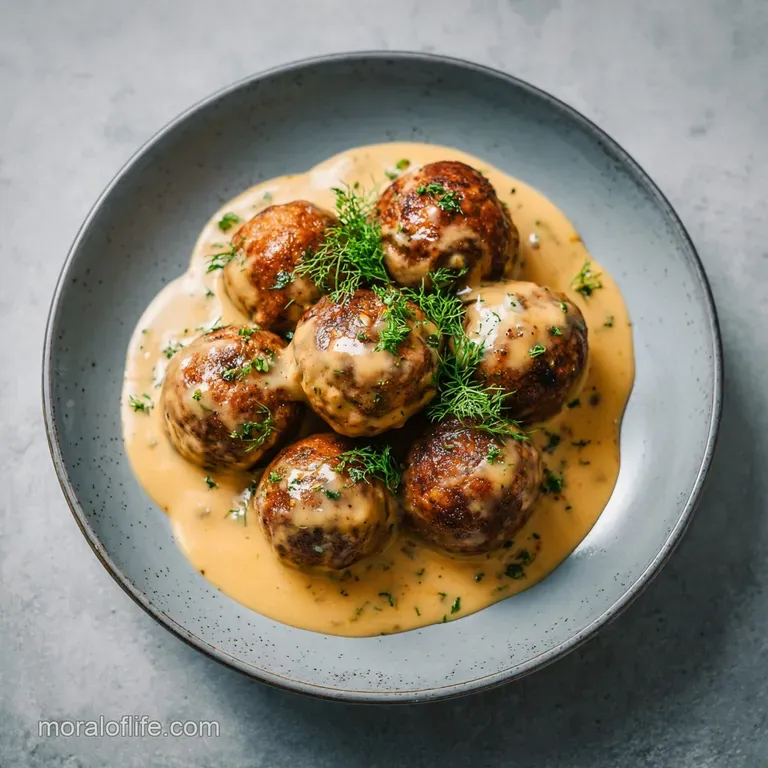
If your meatballs crumble the moment they hit the pan, the culprit is usually a lack of binding or insufficient resting. The egg and the panade act as the "glue" that holds the meat fibers together.
If you skip the 10 minute resting period for the panade, the breadcrumbs haven't had enough time to absorb the liquid and become sticky. Also, make sure you aren't turning them too early.
Let that crust form for at least 2 minutes before you try to nudge them; once the crust is there, they will release naturally from the pan.
Why Your Gravy Is Too Thin
A thin, watery gravy usually means the roux wasn't cooked long enough or the ratio of liquid to flour was slightly off. The starch in the flour needs to reach a certain temperature to "gel" and thicken the liquid.
If your sauce is still runny after five minutes of simmering, you can fix it by mixing a teaspoon of cornstarch with a tablespoon of cold water and stirring that slurry into the simmering sauce. It will thicken up almost instantly. Just be sure to let it cook for another minute to get rid of any starchy taste.
| Problem | Root Cause | Solution |
|---|---|---|
| Tough Meatballs | Overmixing the meat | Mix by hand just until the ingredients are barely combined. |
| Lumpy Gravy | Adding liquid too fast | Whisk in the broth one splash at a time until a paste forms. |
| Pale Gravy | Not enough searing | Ensure the meatballs have a dark brown crust before removing. |
Common Mistakes Checklist
- ✓ Don't use lean ground beef (90/10); the 85/15 ratio provides the fat needed for a tender bite.
- ✓ Always grate the onion; chopped onions will not cook through in 10 minutes and will create voids in the meatball.
- ✓ Avoid overcrowding the skillet; sear in two batches so the meatballs fry rather than steam.
- ✓ Never rinse the pan after searing; those brown bits are the concentrated flavor of the entire dish.
- ✓ Let the meatballs simmer in the sauce for the final 5 minutes to ensure they are cooked to the center.
Adjusting Ratios For Larger Crowds
When you need to feed a bigger group, this Swedish meatballs with creamy gravy recipe scales quite well, but you have to be careful with the spices and liquids. If you are doubling the recipe to serve eight people, don't simply double the salt and spices right away.
Start with 1.5 times the amount of allspice and nutmeg, taste the sauce at the end, and then add more if you think it needs it. Spices can become overwhelming when scaled linearly in large batches.
For the liquid components, if you are making a massive batch, you might find that you need slightly less broth than a 2x calculation would suggest because there is less surface area for evaporation in a large pot. Use a larger Dutch oven if you are doubling or tripling the recipe.
This allows you more room to whisk the gravy without splashing. If you are scaling down for a solo dinner, you can easily use half an egg by whisking it in a small bowl first and then measuring out two tablespoons.
| Method | Time | Texture | Best For |
|---|---|---|---|
| Stovetop Skillet | 25 minutes | Crispy crust, silky sauce | Small batches, maximum flavor |
| oven-roasted | 20 minutes | Evenly cooked, less mess | Large parties, meal prep |
| Slow Cooker | 4 hours | Very soft, fall apart tender | Set it and forget it days |
If you decide to go the oven route for a crowd, I recommend broiling the meatballs for the last 2 minutes to try and mimic that stovetop sear. You won't get the same fond for the gravy, but it is a decent trade off when you are making 60 meatballs at once. For another great crowd pleasing option that uses a different baking technique, check out my Chicken Biscuit Casserole, which is perfect for feeding a hungry family.
Dispelling Kitchen Legends
There is a common belief that you must use veal in an authentic Swedish meatballs with creamy gravy recipe to get the right texture. While older traditional recipes often included it, modern Swedish home cooks almost exclusively use a blend of beef and pork.
Veal is expensive and, quite honestly, doesn't provide significantly better results than a well made panade with high-quality ground pork. The pork provides all the tenderness you need.
Another myth is that the "secret" to the gravy is a massive amount of heavy cream. In reality, most traditional recipes use a mix of milk or half and half, relying on the roux and the reduction of the beef broth for thickness.
If you use only heavy cream, the sauce becomes so heavy that it masks the delicate flavors of the allspice and nutmeg. You want a sauce that is velvety, not a sauce that feels like a bowl of liquid butter.
Finally,, some people think you need to pre cook the onions. In this recipe, because we are grating the onions into a pulp, they essentially liquefy and cook perfectly during the 8-10 minute searing process.
Pre cooking them adds an extra step and can actually make the meatball mixture too wet, causing it to fall apart in the pan. Trust the grating method; it is a game changer for texture.
Preservation Secrets And Zero Waste
This dish actually tastes even better the next day because the spices have more time to permeate the meat. You can store the meatballs and gravy together in an airtight container in the fridge for up to 3 days.
When you go to reheat them, the sauce will likely have thickened into a jelly like consistency due to the gelatin in the broth and the fats. Simply add a splash of water or milk to the pan when reheating to loosen it back up to its original velvety state.
If you want to freeze these, I recommend freezing the seared meatballs separately from the sauce. Meatballs freeze beautifully for up to 3 months. The gravy, however, can sometimes "split" or become grainy when thawed because of the dairy content. If you do freeze the sauce, reheat it very slowly while whisking vigorously to bring the emulsion back together. For a zero waste tip, if you have leftover gravy but no meatballs, it makes an incredible topping for a Garlic Bread Grilled Cheese the following day.
Don't throw away those onion scraps or the ends of the bread! The onion ends can go into a freezer bag for making your own beef broth later, and any leftover fresh breadcrumbs can be toasted with a little butter and garlic to make a crunchy topping for salads or pasta.
Every little bit of flavor counts, and using the whole ingredient is the mark of a truly practical home cook.
Classic Swedish Presentation Ideas
The traditional way to serve this Swedish meatballs with creamy gravy recipe is over a bed of buttery mashed potatoes or alongside some wide egg noodles. In Sweden, you would almost always see a generous dollop of lingonberry jam on the side.
The tart, slightly bitter sweetness of the berries provides a necessary contrast to the heavy, savory cream sauce. If you can't find lingonberries, a high-quality cranberry sauce (the whole berry kind) is a fantastic substitute that offers a similar flavor profile.
For a modern touch, I like to garnish the plate with a heavy sprinkle of fresh dill or parsley. The greenery brightens up the look of the dish, which can otherwise be quite monochromatic. I also suggest serving a side of quick pickled cucumbers.
The acidity of the vinegar cleanses your palate between bites of the rich meat and gravy, making the whole meal feel much lighter than it actually is.
If you are hosting a dinner party, consider serving the meatballs in a large ceramic tureen or a cast iron serving dish placed in the center of the table. There is something incredibly communal and comforting about everyone spooning meatballs and extra gravy onto their own plates.
It is a meal that encourages seconds (and thirds), so make sure you have plenty of bread on hand to swipe up every last drop of that sauce. Trust me, nobody wants to leave a single bit of that mahogany fond behind.

Very High in Sodium
895 mg 895 mg of sodium (39% 39% of daily value)
The American Heart Association recommends limiting sodium intake to no more than 2,300mg per day, with an ideal limit of less than 1,500mg per day for most adults.
Tips to Reduce Sodium
-
Swap Beef Broth-30%
Replace the 2 cups of low-sodium beef broth with no-salt added beef broth or homemade broth without added salt. This is the biggest sodium contributor.
-
Halve the Salt-25%
Reduce the 1 tsp kosher salt to 0.5 tsp. You can always add more salt at the table if needed, but this significantly cuts down the sodium.
-
Lower Sodium Worcestershire Sauce-20%
Substitute the 1 tsp Worcestershire sauce with a low-sodium version or a homemade alternative made with reduced sodium soy sauce and vinegar.
-
Be Mindful of Dairy Sodium-5%
While the milk and half and-half contribute minimal sodium, opt for unsweetened plant based milks (like almond or soy) if you are looking for further reductions, though the impact will be small here.
-
Boost Herbs and Spices
Enhance flavor by increasing the amounts of black pepper and adding other salt free seasonings like garlic powder, onion powder, paprika, or fresh herbs like parsley and chives.
Recipe FAQs
Why is my meatball texture tough?
Overmixing the meat is likely the cause. Combine the ground beef, ground pork, and panade mixture only until just incorporated to keep the meatballs light and tender.
How to ensure the onions incorporate smoothly?
Grate the onion finely before mixing. Using chopped pieces will prevent them from cooking through during the quick sear, which ruins the texture of the meatball.
Is it necessary to let the breadcrumb mixture sit?
Yes, the 10-minute hydration is critical for the panade. This step ensures the fresh breadcrumbs and milk bind correctly with the egg and spices to keep the meatballs moist.
How to get a deep mahogany crust on the meatballs?
Sear the meatballs in batches over medium heat. Overcrowding the pan causes them to steam rather than fry, so give each batch enough space to develop that essential deep color.
What is the secret to a velvety gravy?
Deglaze the skillet properly using the beef broth. If you enjoyed mastering this fond based deglazing technique, see how we use similar principles to build depth in our red wine stew.
Can I rinse the skillet after searing the meatballs?
No, never rinse the skillet. Those flavorful brown bits left on the bottom, known as fond, are the foundation of your creamy gravy and should not be removed.
How to tell when the meatballs are finished cooking?
Simmer them in the gravy for exactly 5 minutes. This final poaching ensures the center of each meatball is fully cooked through while absorbing the sauce.
Swedish Meatballs Creamy Gravy
Ingredients:
Instructions:
Nutrition Facts:
| Calories | 642 kcal |
|---|---|
| Protein | 35.2 g |
| Fat | 46.8 g |
| Carbs | 15.4 g |
| Fiber | 0.9 g |
| Sugar | 3.8 g |
| Sodium | 895 mg |
