Roasted Sweetness
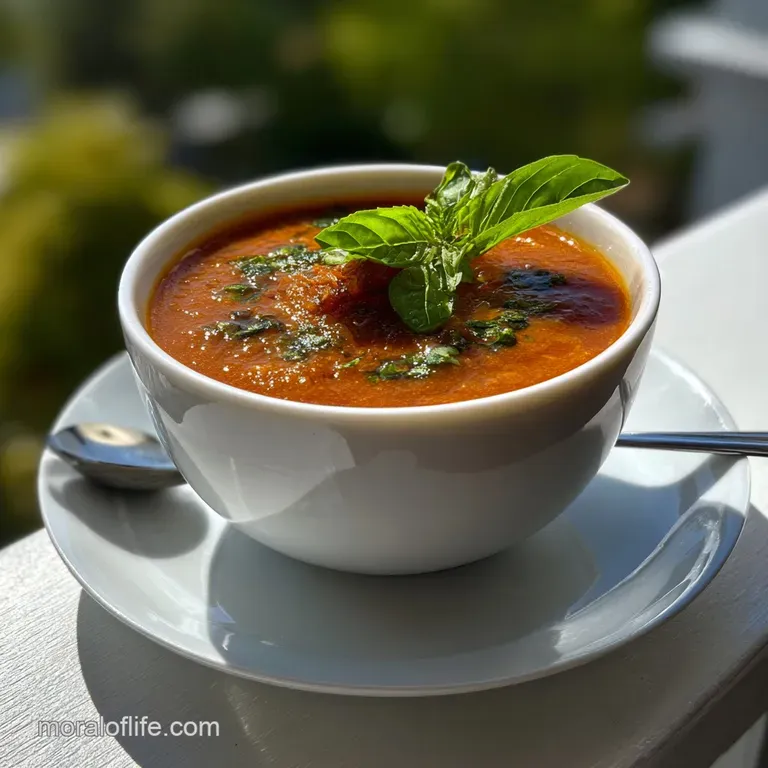
- Time: Active 15 minutes, Passive 45 minutes, Total 1 hour
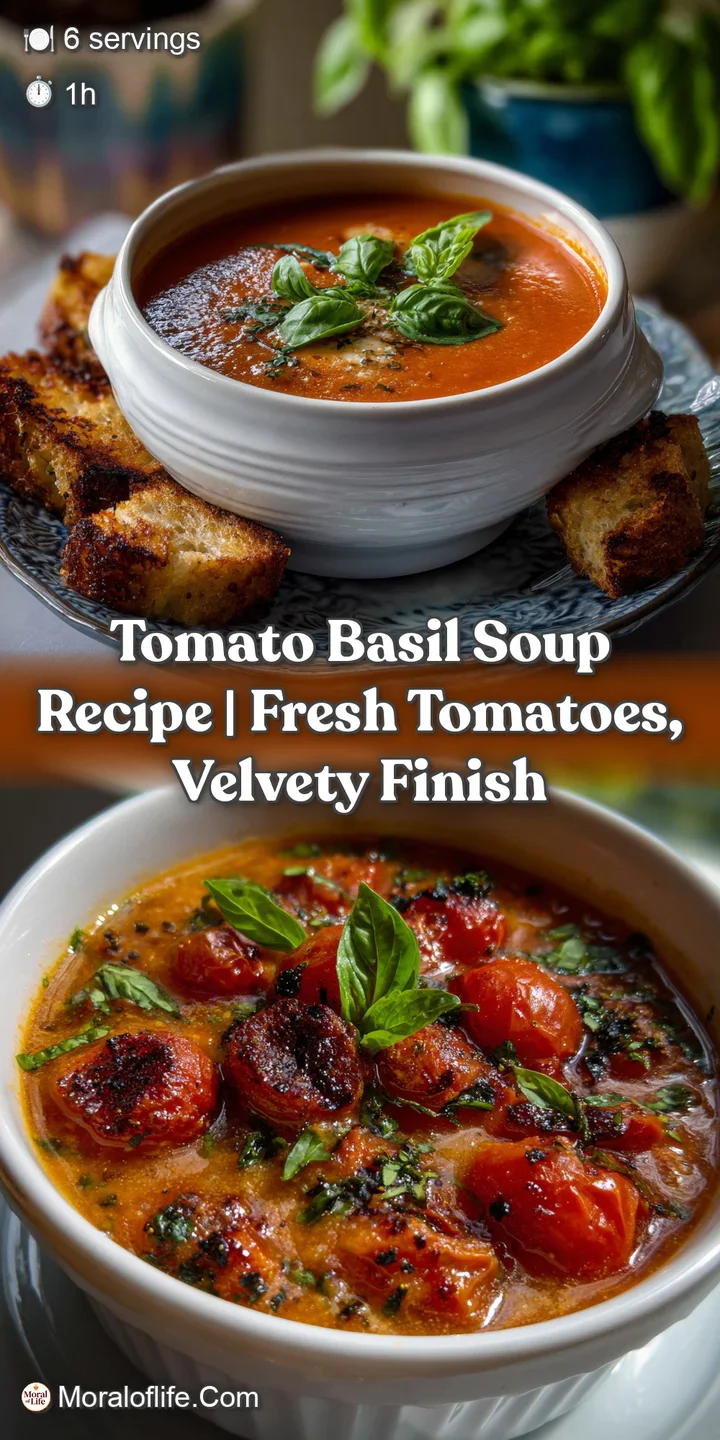
- Flavor/Texture Hook: Smoky sweet roasted tomatoes with a velvety, silk like finish
- Perfect for: A cozy weeknight dinner or a dependable meal prep option
- A Great Soup Recipe with Tomato and Basil
- Why Roasting Creates Better Flavor
- Understanding Your Core Ingredients
- Recommended Tools for Success
- The Path to Velvety Soup
- Fixing Texture and Flavor Issues
- Simple Variations and Diet Swaps
- Best Ways to Save Leftovers
- What to Serve with Soup
- Myths About Tomato Soup
- Recipe FAQs
- 📝 Recipe Card
A Great Soup Recipe with Tomato and Basil
The sizzle of tomato skins bursting under high heat is one of my favorite kitchen sounds. There is something truly magical about taking 3 lbs Roma tomatoes and watching them transform from firm, pale fruits into slumped, charred, and syrupy gems.
If you have ever felt let down by a watery, metallic tasting bowl from a can, this is the solution you have been looking for. It is the kind of meal that makes the whole house smell like a rustic Italian villa, even if it is just a normal Tuesday.
I spent years trying to get that deep, concentrated flavor by simmering pots on the stove for hours, but it always tasted a bit flat. The secret, as it turns out, is not more time, but more heat. By roasting everything together, we are not just cooking the vegetables; we are changing their molecular structure.
We are going to take those onions and garlic cloves and let them bathe in Bertolli Extra Virgin Olive Oil until they are soft enough to spread like butter.
This is a dependable, comforting staple that I find myself repeating with confidence every time the weather turns chilly. We are not doing anything fancy here, just using good techniques to get the most out of every ingredient.
You do not need to be a professional chef to master this, you just need a Lodge baking sheet and a bit of patience while the oven does the heavy lifting. Trust me on this one, once you taste the difference that fresh roasted garlic makes, you will never go back to the store-bought stuff.
Why Roasting Creates Better Flavor
The transformation that happens in the oven is far more complex than just "softening" the food. When we crank the heat, we are initiating a series of chemical changes that provide a much bolder profile than boiling ever could.
- Maillard Reaction: High heat reorganizes amino acids and sugars, creating hundreds of new flavor compounds and that characteristic brown char.
- Hygroscopic Concentration: Roasting evaporates significant amounts of water from the 3 lbs Roma tomatoes, which intensifies their natural acidity and sweetness.
- Sulfur Transformation: The 6 cloves garlic lose their sharp, pungent bite as heat breaks down allicin, turning it into a mild, nutty compound.
- Lipid Infusion: The 0.25 cup extra virgin olive oil acts as a solvent, pulling fat soluble vitamins and flavors out of the vegetables and into the base.
Understanding Your Core Ingredients
Every component in this Soup Recipe with Tomato and Basil serves a specific structural or chemical purpose. It is not just about the taste; it is about how the proteins and fats interact to create that specific mouthfeel we all crave.
| Ingredient | Science Role | Pro Secret |
|---|---|---|
| Roma Tomatoes | Pectin & Body | Leave the skins on for extra fiber and a deeper red hue after blending. |
| Heavy Cream | Fat Emulsification | Use room temperature cream to prevent the cold liquid from shocking the hot soup. |
| Balsamic Vinegar | PH Balancing | The sugar and acid cut through the richness of the 0.5 cup heavy cream perfectly. |
| Fresh Basil | Volatile Aromatics | Never roast the basil; its delicate oils vanish above 110°F, so add it last. |
Recommended Tools for Success
You do not need a kitchen full of gadgets, but a few specific items make the process much smoother. I personally swear by my Lodge Rimmed Baking Sheet because it distributes heat evenly, which is crucial for getting that consistent char on the 1 large yellow onion wedges.
If your pan is too thin, the vegetables might burn on the bottom before they soften in the middle.
A high-quality blender is the other non negotiable. While a standard upright blender works, I prefer a KitchenAid Immersion Blender for this specific task. It allows you to blend right in the pot, which means fewer dishes to wash and less risk of splashing hot liquid across your counters.
If you do use a traditional blender, remember to remove the center plastic piece from the lid and cover it with a towel to let the steam escape. I learned that the hard way after a "tomato soup explosion" painted my ceiling red back in 2015.
The Path to Velvety Soup
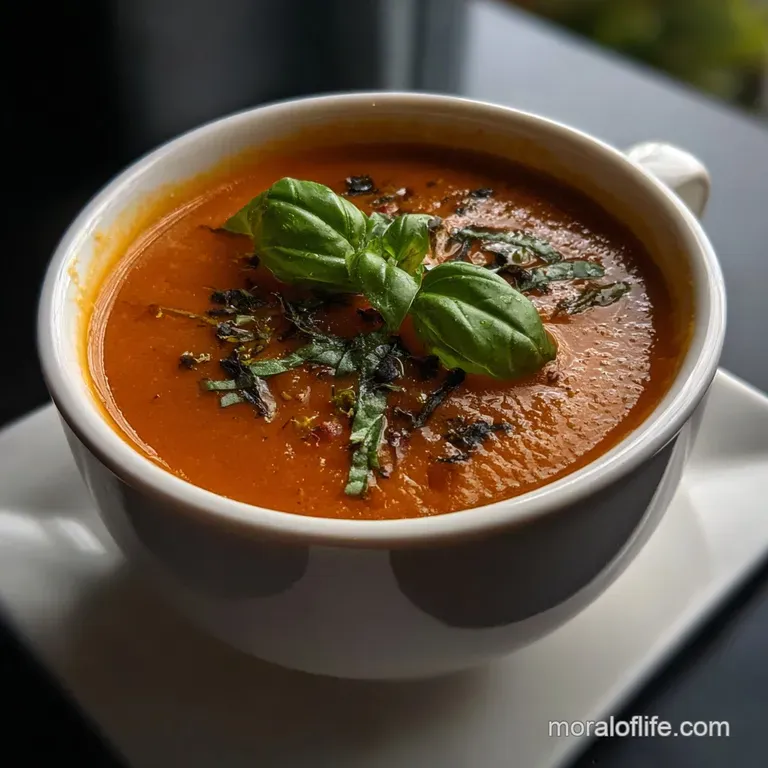
This process is broken down into three distinct phases to ensure you get the most extraction from your produce. We start with high heat, move to a liquid simmer, and finish with a cold emulsified herb hit.
The Initial Char Phase
Start by preheating your oven to 400°F. Take your 3 lbs Roma tomatoes, cut them in half lengthwise, and nestle them onto the Lodge baking sheet. Toss in the 1 large yellow onion wedges and the 6 cloves garlic.
Drizzle the 0.25 cup extra virgin olive oil over everything and sprinkle with 1 tsp salt and 0.5 tsp black pepper. Roasting the garlic inside its skin or tucked under a tomato prevents it from becoming bitter and burnt. You want to see the tomato skins shriveling and turning black at the edges.
The Liquid Extraction Phase
Once your vegetables are soft and charred, scrape everything, including all those golden juices from the pan, into a large pot. Add the 2 cups vegetable stock. This is where the flavors begin to marry. Bring it to a gentle simmer for about 15 minutes. This step is similar to the base technique used in a Kubbeh Hamusta Recipe, where the broth acts as a vehicle for the concentrated vegetable flavors. The simmering allows the pectin from the tomato walls to thicken the stock naturally.
The Final Velvety Finish
Turn off the heat before adding the 1 cup fresh basil leaves. If you boil the basil, it will turn a muddy brown and lose its peppery bite. Use your KitchenAid immersion blender to process the mixture until it is completely smooth. Finally, stir in the 0.5 cup heavy cream and the 1 tsp balsamic vinegar.
The cream should turn the soup a beautiful vibrant orange, while the vinegar brightens the whole profile.
Fixing Texture and Flavor Issues
Sometimes things go wrong, even with the best intentions. Maybe your tomatoes weren't quite ripe, or your oven runs a bit hot. Here is how to handle the most common hiccups.
Fix Your Acidic Soup
If the soup tastes too "sharp" or sour, it usually means the tomatoes were underripe and high in malic acid. You can fix this by adding a tiny pinch of sugar or increasing the 0.5 cup heavy cream slightly. The fat coats the tongue and makes the acid feel less aggressive.
Solving Any Grainy Texture
A grainy soup usually happens if the skins didn't break down enough or the onions weren't roasted until translucent. If your immersion blender isn't doing the trick, you might need to use a high speed upright blender. For a texture similar to a Orange Julius Recipe, blend on the highest setting for a full minute to pulverize every solid particle.
Prevent Your Cream Curdling
Cream curdles when it is added to a boiling liquid that is too acidic. Always turn the heat to low or off before stirring in the 0.5 cup heavy cream. If it does curdle, don't panic. A quick pass with the blender can often emulsify the fat back into the liquid, making it look smooth again.
| Problem | Cause | Fix |
|---|---|---|
| Thin/Watery Soup | Too much stock | Simmer longer without a lid to reduce the liquid content. |
| Bitter Aftertaste | Burnt garlic | Pick out any blackened garlic bits before blending the rest. |
| Dull Color | Overcooked basil | Add a handful of fresh basil and blend again for a color pop. |
Simple Variations and Diet Swaps
I know we all have different needs in the kitchen. Sometimes you want something lighter, or maybe you are out of a key ingredient. This Soup Recipe with Tomato and Basil is quite forgiving if you know which swaps work.
- dairy-free: Use full fat coconut milk instead of the 0.5 cup heavy cream. It adds a slight nutty note but keeps that creamy mouthfeel.
- Protein Boost: Stir in a can of drained cannellini beans before blending. This is a trick I use for a Healthy Dinner Recipe when I want the soup to be a full meal.
- Spicy Kick: Add 0.5 tsp red pepper flakes to the baking sheet before roasting the vegetables.
| Original Ingredient | Substitute | Why It Works |
|---|---|---|
| Vegetable Stock | Chicken Bone Broth | Adds more protein and a savory, meaty depth to the base. |
| Roma Tomatoes | Canned San Marzano | Use 2 cans if fresh aren't in season; drain half the juice first. |
| Heavy Cream | Cashew Cream | Soak 0.5 cup cashews, blend with water; provides identical richness. |
Best Ways to Save Leftovers
This soup actually tastes better the next day because the volatile compounds in the basil and garlic have more time to permeate the liquid. I usually make a double batch just to have lunch sorted for the rest of the week.
Fridge Storage Life Span
Store the finished soup in an airtight glass container for up to 4 days. Glass is better than plastic because tomatoes are highly acidic and can stain or pick up "plastic" flavors over time. When reheating, do it gently on the stove over medium low heat.
Avoid boiling it once the cream has been added, as it can change the texture.
Making Soup Ahead Successfully
If you want to prep this for a big dinner party, roast the vegetables and blend them with the stock, but leave out the cream and basil. Freeze that base in gallon sized bags for up to 3 months.
When you are ready to serve, thaw it in the fridge overnight, heat it up, and then add the fresh basil and cream at the very last second. This ensures the herbs stay vibrant and the cream doesn't separate during the freezing process.
What to Serve with Soup
A bowl of this Soup Recipe with Tomato and Basil is great, but it really shines when paired with something crunchy to soak up the liquid.
The Ultimate Grilled Cheese
Nothing beats a classic. I like using a thick sourdough bread with a mix of sharp cheddar and gruyere. The key is to butter the outside of the bread generously and cook it low and slow so the cheese melts perfectly before the bread burns.
The tang of the sourdough is a brilliant match for the sweetness of the roasted Romas.
Garlic Herb Focaccia Bread
If you have a bit more time, a dimpled focaccia with rosemary and sea salt is the "chef's kiss" pairing. The airy, oily crumb of the bread acts like a sponge for the velvety soup. You can even use some of the roasted garlic from this recipe to mash into a paste and spread over the bread before baking.
It creates a cohesive meal that feels like it came straight from a professional bakery.
Chef's Note: For an unconventional flavor boost, grate a small amount of cold parmesan cheese directly into the blender while processing. The proteins in the cheese will act as a natural thickener and add a salty, umami punch that balances the balsamic vinegar perfectly.
Myths About Tomato Soup
There are a lot of "rules" out there that just don't hold up when you actually get into the kitchen. Let's clear a few up so you can cook with more confidence.
You must peel the tomatoes first. This is a massive waste of time. When you roast 3 lbs Roma tomatoes at 400°F and then use a high speed blender, the skins completely disappear. They actually contain a lot of the pectin that helps give the soup its body.
Unless you are using a sieve for a very formal consommé, leave the skins on.
Seeds make the soup bitter. While it is true that tomato seeds have a different flavor profile, they are not inherently bitter once roasted and blended. Removing the seeds also means removing the "jelly" surrounding them, which is where a huge portion of the tomato's umami (savory) flavor lives.
Keep the seeds for a fuller, more rounded taste.
Canned tomatoes are always inferior. Actually, if it is the middle of winter and the "fresh" tomatoes at the store look like pink baseballs, go for the cans. A high-quality canned San Marzano tomato is often picked and packed at the peak of ripeness, making it a better choice than a mealy, out of-season fresh one.
Just make sure to roast them briefly to get rid of that "canned" flavor.
Recipe FAQs
Is roasting the tomatoes absolutely necessary for the best flavor?
Yes, roasting is crucial. Roasting initiates the Maillard reaction, which develops hundreds of complex flavor compounds and concentrates the natural sugars, yielding a depth you cannot achieve by simply simmering on the stovetop.
Can I substitute the heavy cream with milk or water?
No, you should not substitute cream with milk or water. The half cup of heavy cream is necessary for fat content, which emulsifies during blending and provides the soup with its signature velvety mouthfeel, preventing a thin texture.
When should I add the fresh basil for maximum aroma?
Add the basil after the heat is turned off. Basil's delicate volatile oils are destroyed by high heat; adding it last, right before blending, ensures you retain that bright, peppery aroma.
How do I fix soup that tastes too sharp or acidic?
Add a small amount of sugar or more fat to balance the pH. The acidity is often too high if the tomatoes weren't fully ripe; increasing the heavy cream slightly helps coat the palate and mellow the sharpness.
If I blend the soup in a standard blender, what is the main safety concern?
The main concern is hot liquid steam expansion causing an explosion. Always remove the small plastic center piece from your blender lid and cover the opening securely with a kitchen towel to allow the steam to safely vent during blending.
Can I make this soup vegan by omitting the cream?
Yes, but you need a fat substitute to maintain texture. Full fat coconut milk works well, or you can use a homemade cashew cream to achieve the rich, emulsified consistency this recipe requires for its silky finish.
What is the secret technique to ensure the roasted garlic isn't bitter?
The secret is roasting it gently alongside the tomatoes. By tucking the garlic cloves under the tomato halves, you protect them from direct, intense heat, allowing them to steam and caramelize instead of burning and turning bitter.
Tomato Basil Soup Recipe
Ingredients:
Instructions:
Nutrition Facts:
| Calories | 208 calories |
|---|---|
| Protein | 3.4 g |
| Fat | 16.7 g |
| Carbs | 14.1 g |
| Fiber | 3.3 g |
| Sugar | 8.6 g |
| Sodium | 485 mg |
