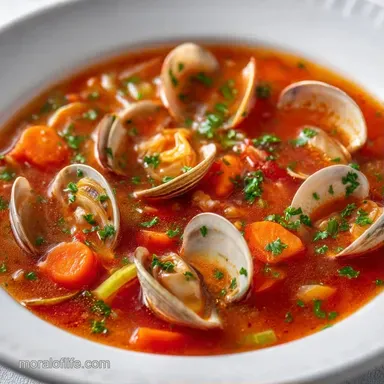
Tomato Clam Chowder: Manhattan Classic
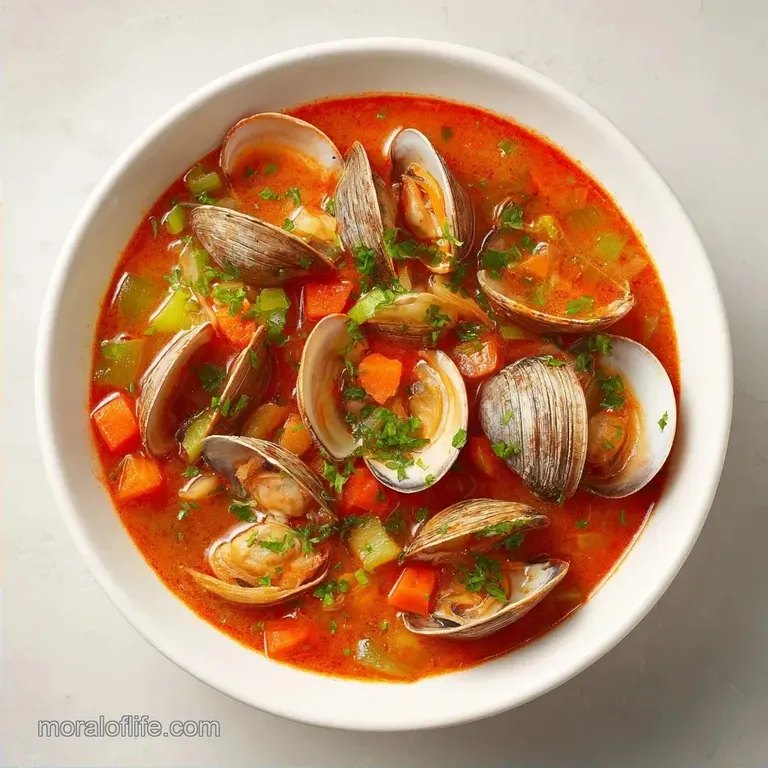
- Time: 15 min active + 30 min cook
- Flavor/Texture Hook: Tangy tomato broth with tender, buttery potatoes
- Perfect for: A rainy Tuesday or a cozy weekend dinner
- Tomato Clam Chowder Secrets for Home Cooks
- Why This Recipe Actually Works
- The Ingredient Breakdown
- Shopping List Breakdown
- Essential Kitchen Tools
- Step by Step Cooking Guide
- Fixing Common Soup Problems
- Troubleshooting Common Issues
- Ways to Customize Your Bowl
- Scaling the Recipe
- Kitchen Myths Debunked
- Keeping and Reheating Leftovers
- What to Serve on the Side
- High in Sodium
- Recipe FAQs
- 📝 Recipe Card
Tomato Clam Chowder Secrets for Home Cooks
That first hit of scent when the garlic and thyme hit the hot butter is everything. It's a warm, savory aroma that fills the whole kitchen and tells you that something hearty is happening. I remember the first time I tried a real Manhattan style soup in a seaside shack.
I was expecting the creamy, white version, but instead, I got this bright red, zesty bowl that tasted like the ocean and a garden all at once.
Most people think you need to spend hours simmering a stock from scratch to get that depth, but you don't. The trick is in how you handle the tomatoes and the timing of the clams. If you rush the tomato reduction, the soup tastes raw. If you boil the clams for too long, they turn into rubber balls.
This Tomato Clam Chowder is all about those small wins. We're using minimal tools and a few smart shortcuts to get a result that feels like it sat on a stove for half a day. It's a dependable meal that doesn't require a professional kitchen, just a decent pot and a bit of patience with the simmer.
Why This Recipe Actually Works
When you're making a soup like this, you're essentially balancing salt, acid, and starch. If one is off, the whole thing feels flat or too sharp.
- Starch Release: Yukon Gold potatoes are the secret here. They hold their shape better than Russets but release just enough starch to give the broth a velvety body without needing cream.
- Acid Concentration: Cooking the tomatoes for a few minutes before adding the liquid removes the "tinny" taste of canned goods and deepens the red color.
- Protein Timing: Clams are lean proteins that tighten up quickly. Adding them at the very end means they only need to heat through, keeping them tender.
- Aromatic Layering: Sautéing the mirepoix (onion, carrots, celery) first builds a foundation of sweetness that offsets the brine of the clam juice.
| Component | Fresh Clams | Canned Shortcut | Impact on Dish |
|---|---|---|---|
| Prep Time | 45+ mins (scrubbing/steaming) | 2 mins (open can) | Huge time saver |
| Flavor | Brighter, more "ocean" taste | Consistent, salty, deep | Canned is more dependable |
| Texture | Plump and juicy | Slightly softer | Canned blends into broth better |
The Ingredient Breakdown
I like to call this my component analysis. Every single item in this pot has a job to do. If you skip the celery, you lose the earthy base. If you forget the red pepper flakes, the soup feels a bit one dimensional.
| Ingredient | Science Role | Pro Secret |
|---|---|---|
| Yukon Gold Potatoes | Thickening agent | Cut them into uniform 1/2 inch cubes for even cooking |
| Crushed Tomatoes | Base and acidity | Use a brand with no added sugar for a cleaner taste |
| Clam Juice | Salt and umami | Stir in a pinch of sugar if the juice is too salty |
| Unsalted Butter | Flavor carrier | Brown it slightly before adding veg for a nuttier taste |
Shopping List Breakdown
When you're at the store, don't just grab the first can of tomatoes you see. The texture of your Tomato Clam Chowder depends on using both crushed and diced varieties. The crushed ones create the thick, velvety liquid, while the diced ones provide little bursts of texture that make the soup feel more like a meal.
For the clams, look for "chopped clams" in the canned aisle. Make sure you aren't buying the ones packed in a heavy sauce, just clams in their own juice. This keeps the flavor profile clean. If you can find a high-quality clam juice in a bottle, grab that too. It's the liquid gold that makes this recipe work.
The vegetables are standard, but don't skimp on the celery. Some people treat it as a filler, but it provides a salty, aromatic bridge between the onion and the seafood. I always pick the pale green stalks because they're less bitter than the dark green ones.
Ingredients and Substitutes:
- 2 tbsp (28g) unsalted butter Why this? Adds richness and helps sauté veg (Sub: Olive oil)
- 1 tbsp (15ml) extra virgin olive oil Why this? Raises the smoke point of the butter (Sub: Avocado oil)
- 1 medium (110g) yellow onion, finely diced Why this? Sweet, aromatic base (Sub: White onion)
- 2 medium (120g) carrots, diced Why this? Natural sweetness (Sub: Parsnip)
- 2 ribs (60g) celery, diced Why this? Earthy depth (Sub: Fennel for a liquorice note)
- 3 cloves (9g) garlic, minced Why this? Sharp, savory punch (Sub: Garlic powder, 1 tsp)
- 1 tsp (2g) dried thyme Why this? Woody, herbal balance (Sub: Dried oregano)
- 1/2 tsp (1g) red pepper flakes Why this? Subtle back end heat (Sub: Pinch of cayenne)
- 1 can (28 oz / 794g) crushed tomatoes Why this? Provides the thick body (Sub: Tomato puree)
- 1 can (14.5 oz / 411g) diced tomatoes Why this? Adds chunks and texture (Sub: Fresh diced Roma tomatoes)
- 2 cups (480ml) clam juice Why this? Essential briny flavor (Sub: Seafood stock + pinch of salt)
- 2 large (300g) Yukon Gold potatoes, cubed Why this? Natural thickener (Sub: Red potatoes, keep skins on)
- 1 bay leaf Why this? Subtle floral note (Sub: 1/2 tsp dried basil)
- 3 cans (6.5 oz / 185g each) chopped clams Why this? The main protein (Sub: Fresh steamed clams)
- 1/4 cup (15g) fresh parsley, chopped Why this? Fresh, green finish (Sub: Fresh cilantro)
Essential Kitchen Tools
You don't need a fancy arsenal for this. I've made this in various pots, but a Dutch oven is the best choice. The heavy bottom prevents the tomatoes from scorching, and the tall sides mean you won't have soup splashing onto your stove. If you don't have one, a heavy bottomed stockpot works just as well.
A sharp chef's knife is the only other "must." Since you're dicing onions, carrots, and celery, having a blade that actually cuts rather than crushes the vegetables makes a difference in how they sauté.
If the vegetables are all the same size, they'll cook at the same rate, which means no weird raw carrot chunks in your final bowl of Tomato Clam Chowder.
I also recommend a wooden spoon or a silicone spatula. You'll be scraping the bottom of the pot during the tomato reduction phase to get all those brown bits (the fond) incorporated into the soup. Those bits are where the concentrated flavor lives.
Step by step Cooking Guide
Right then, let's get into it. Follow these steps, and you'll have a pot of gold on your stove in 45 minutes.
- Heat the butter and olive oil over medium heat in a Dutch oven until the butter foams and starts to sizzle. Note: This prevents the butter from burning while giving the oil some heat.
- Add the diced onion, carrots, and celery. Sauté for 6–8 minutes until vegetables soften and onions are translucent.
- Stir in the minced garlic, thyme, and red pepper flakes. Cook for 60 seconds until the garlic smells fragrant but hasn't turned brown.
- Pour in the crushed and diced tomatoes. Stir and cook for 3–5 minutes until the liquid reduces slightly and the color deepens. Note: This concentrates the flavor and removes the raw tomato taste.
- Add the cubed potatoes, bay leaf, and reserved clam juice. Bring to a gentle boil, then reduce heat to low.
- Cover and simmer for 12–15 minutes until the potatoes are fork tender. Note: Don't overcook the potatoes or they'll turn into mush.
- Remove the bay leaf and stir in the chopped clams. Simmer for 2–3 minutes just to heat the clams through.
- Adjust seasoning with salt and pepper, remove from heat immediately, and garnish with chopped parsley.
Chef's Tip: If you want a deeper, smokier flavor, stir in a teaspoon of smoked paprika during step 3. It mimics the taste of a wood fired seafood boil.
Fixing Common Soup Problems
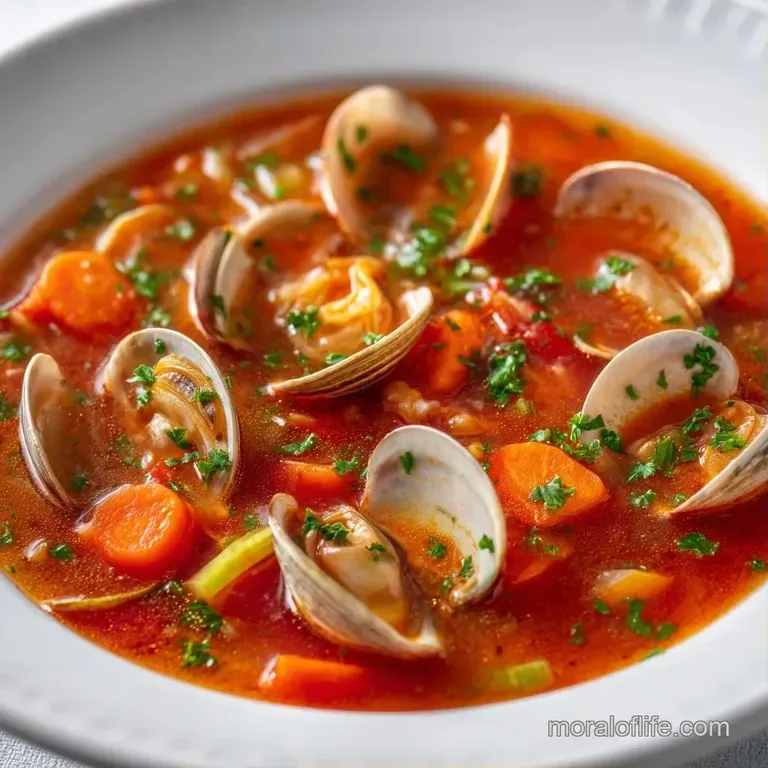
Even the best of us mess up. I once left my clams in for ten minutes and they felt like pencil erasers. It's a common mistake, but easy to fix.
Troubleshooting Common Issues
| Issue | Solution |
|---|---|
| Why are my clams rubbery | This happens when the clams are boiled for too long. Since canned clams are already cooked, they only need to reach a simmer. |
| Chowder too acidic | Some canned tomatoes are more acidic than others. If the Tomato Clam Chowder tastes too sharp or "tangy" in a bad way, don't just add salt. |
| Make the broth thicker | If your soup feels too watery, you can use the "mash method." Take a fork or a potato masher and crush a few of the cooked potato cubes directly against the side of the pot. |
Common Mistakes Checklist:
- ✓ Did you sauté the vegetables until soft? (Raw carrots ruin the texture)
- ✓ Did you reduce the tomatoes before adding liquid? (Prevents "tinny" taste)
- ✓ Are the potatoes cut to 1/2 inch? (Ensures even cooking)
- ✓ Did you add clams at the very end? (Prevents rubbery texture)
- ✓ Did you remove the bay leaf? (Nobody likes biting into a leaf)
Ways to Customize Your Bowl
One of the best things about this based clam chowder is how easy it is to tweak. If you're feeling fancy, you can add some chopped bacon or pancetta at the very beginning. Sauté the bacon until crispy, remove the bits, and use the rendered fat instead of some of the butter.
It adds a smoky, salty layer that pairs beautifully with the tomatoes.
If you want a creamier version without making it a New England style, stir in 1/4 cup of heavy cream or a dollop of sour cream right before serving. It turns the bright red broth into a creamy orange hue and mellows out the acidity.
For those who love heat, a dash of hot sauce or a swirl of Sriracha on top is a great move.
For a different twist, try adding some diced fennel along with the celery. Fennel has a slight anise flavor that is a classic pairing with seafood. If you're looking for other comforting soups to rotate into your meal plan, my Chicken Tortilla Soup recipe is another great one for cold nights.
Decision Shortcut: If you want it smokier → Add 2 strips of chopped bacon at the start. If you want it richer → Stir in 2 tbsp of heavy cream at the end. If you want it zestier → Add a squeeze of fresh lemon juice before serving.
Scaling the Recipe
When you're making this for a crowd, you can't just double everything blindly. If you're doubling the Tomato Clam Chowder for a party, use a much larger pot to ensure the tomatoes reduce properly. If the pot is too crowded, the vegetables will steam instead of sauté, and you'll lose that foundational flavor.
- Liquids
- Reduce the total clam juice by about 10%. Larger volumes of liquid evaporate more slowly, and you don't want a watery soup.
- Spices
- Only increase the red pepper flakes and thyme to 1.5x. These flavors can become overpowering when scaled linearly.
- Cooking Time
- The potato simmer time will stay roughly the same, but it will take longer for the liquid to reach a boil.
Scaling Down (1/2):Pot Size: Use a smaller saucepan. If you use a huge pot for a small batch, the liquid will evaporate too quickly, and you'll end up with a tomato paste instead of a soup.
Time: Reduce the sauté time by about 20% as the smaller volume of vegetables will soften faster.
Kitchen Myths Debunked
There's a lot of old school advice that doesn't actually hold up when you're in the kitchen.
Myth: Searing vegetables "seals in" the flavor. Searing doesn't seal anything. What it actually does is create a chemical reaction that produces new, complex flavors. In this Tomato Clam Chowder, we sauté the vegetables to develop sweetness, not to lock anything inside.
Myth: You must use fresh clams for a "real" chowder. While fresh clams are great, canned chopped clams are a staple in many coastal homes. They are consistent and provide a concentrated briny flavor that's actually easier to balance in a tomato based broth than fresh clams, which can vary in salinity.
Myth: Potatoes must be peeled for a smooth soup. If you're using Yukon Golds or red potatoes, the skins are thin and completely edible. Leaving them on adds a bit of rustic texture and extra nutrients. It's a personal preference, not a rule.
Keeping and Reheating Leftovers
This soup actually tastes better the next day. The flavors have more time to meld, and the potatoes soak up more of that briny tomato broth.
In the Fridge: Store your Tomato Clam Chowder in an airtight container for up to 3-4 days. Make sure it's cooled down slightly before putting the lid on to avoid excess condensation, which can make the broth watery.
In the Freezer: This soup freezes surprisingly well. Store it in freezer safe bags or containers for up to 3 months. Note that the potatoes may soften slightly upon thawing, so you might want to mash a few of them back into the soup to restore the thickness.
The Best Reheating Method: Avoid the microwave if you can. Instead, put the soup back in a pot over medium low heat. Add a splash of water or clam juice if it has thickened too much in the fridge. Heat it gently until it's steaming, but don't let it reach a rolling boil, or you'll overcook the clams.
Zero Waste Tip: If you have leftover clam juice in the bottle, don't toss it. Freeze it in ice cube trays. Whenever you're making a risotto or a seafood pasta, pop one of those cubes in for an instant hit of umami.
What to Serve on the Side
A bowl of Tomato Clam Chowder is hearty, but it needs a crunch to balance the softness of the potatoes and clams. The classic choice is oyster crackers, but I prefer a piece of crusty sourdough bread toasted with plenty of garlic butter. For a more filling meal, a Garlic Bread Grilled Cheese is the ultimate partner. The melted cheese and crispy bread cut through the acidity of the tomato broth perfectly.
If you want something lighter, a simple side salad with a lemon vinaigrette works well. The citrus in the salad echoes the briny notes of the seafood. Another great option is a plate of steamed asparagus or sautéed spinach, which adds a fresh, green element to the table.
When serving, I always put a extra pinch of fresh parsley and a crack of black pepper on top. It makes the red of the soup pop and adds a final layer of freshness that wakes up the whole dish. Just remember to serve it in warmed bowls; seafood soups cool down quickly, and there's nothing worse than a lukewarm chowder.
High in Sodium
940 mg 940 mg of sodium per serving (41% 41% of daily value)
The American Heart Association recommends a daily sodium limit of 2,300mg, with an ideal limit of 1,500mg for most adults to reduce cardiovascular risk.
Tips to Reduce Sodium
-
Swap the Clam Juice-30%
Replace standard clam juice with low-sodium clam juice or a mixture of water and a squeeze of fresh lemon to maintain the briny flavor with far less salt.
-
Rinse Canned Clams-20%
Drain and rinse the chopped clams thoroughly under cold water before adding them to the recipe to wash away the high sodium canning liquid.
-
Use No-Salt Added Tomatoes-20%
Choose no-salt added versions of both the crushed and diced tomatoes to eliminate unnecessary processed sodium.
-
Enhance with Fresh Aromatics
Add freshly chopped parsley or lemon zest at the end of cooking to brighten the flavor and compensate for the reduction in salt.
Recipe FAQs
What are the three types of clam chowder?
New England, Manhattan, and Rhode Island. New England is the classic cream based version, Manhattan uses a tomato base, and Rhode Island is a clear broth style.
Can a chowder be tomato based?
Yes, it can. This style focuses on a savory tomato broth instead of heavy cream, offering a lighter but deeply flavorful alternative.
What type of clam chowder is made with a tomato based sauce?
Manhattan clam chowder. It is characterized by its red color and the use of tomatoes, onions, and celery to create a hearty vegetable forward base.
What are the ingredients in Manhattan clam chowder?
A base of crushed and diced tomatoes, clam juice, and aromatic vegetables. This recipe utilizes Yukon Gold potatoes, carrots, celery, and garlic. For an even more concentrated flavor, see how we prepare our Roma tomato for sauce.
What are some common mistakes to avoid when making clam chowder soup?
Avoid overcooking the clams. Since canned clams are already cooked, simmering them for more than 2-3 minutes makes them rubbery. Also, refrain from over stirring the potatoes to keep the cubes intact.
How can you make different types of clam chowder?
Swap the liquid base. Use heavy cream or milk for New England style, a clear clam broth for Rhode Island, or a concentrated tomato mix for Manhattan.
Is it true that you must use a flour roux to thicken tomato chowder?
No, this is a common misconception. You can thicken the broth naturally by using the "mash method," crushing a few of the cooked potato cubes against the side of the pot.
Tomato Clam Chowder