Traditional Scottish Shortbread Recipe
- Time: Active 20 minutes, Passive 45 minutes, Total 1 hours 5 mins
- Flavor/Texture Hook: Buttery, shatter crisp, and lightly sweet
- Perfect for: Afternoon tea, holiday gifting, or beginner bakers
- Science Behind the Snap
- Critical Recipe Specifications
- Choosing Your Base Elements
- Essential Tools for Success
- Simple Step-By-Step Guide
- Avoiding Common Baking Mistakes
- Simple Recipe Scaling Tips
- Flavor Twists and Myths
- Storage and Waste Prevention
- Garnish and Serving Strategy
- Recipe FAQs
- 📝 Recipe Card
There is nothing quite like the smell of cold, salted butter being worked into flour. It's a clean, creamy aroma that fills the kitchen before the oven even turns on. I remember the first time I tried to make a scottish shortbread recipe years ago.
I thought I could just use regular sugar and softened butter like a chocolate chip cookie. Big mistake. I ended up with a greasy, slumped mess that tasted okay but felt like lead in my mouth.
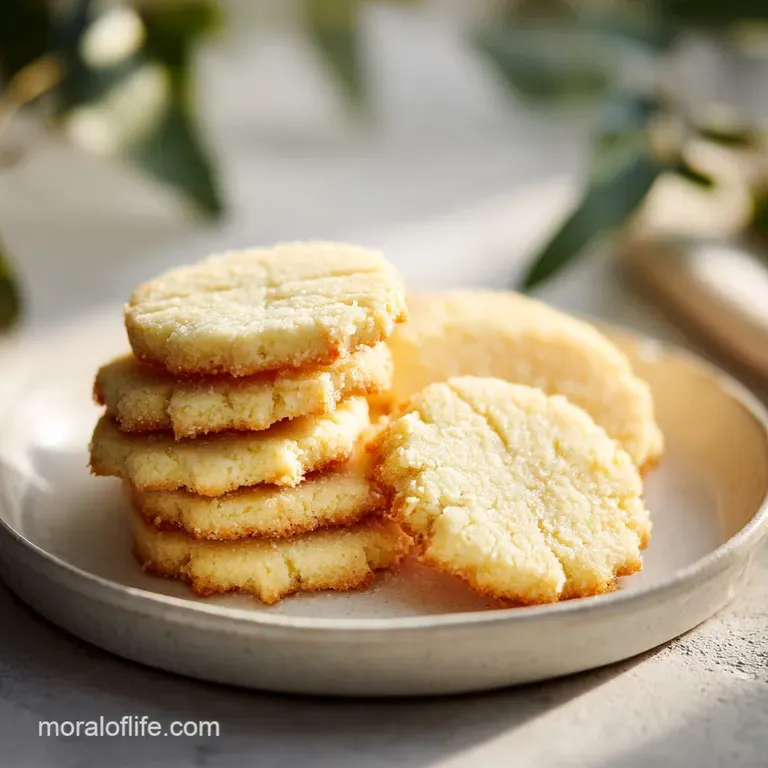
The secret, as it turns out, is all in the temperature and the "shortness" of the dough. When you pull a tray of these out of the oven, the edges should be just barely turning a pale gold, while the center stays the color of local cream.
The way they shatter into sandy, buttery crumbs when you take that first bite is pure magic. We aren't looking for a tough, chewy cookie here. We want something that feels sturdy in the hand but melts away the second it hits your tongue.
In this guide, we are going to walk through the exact steps to get that legendary texture. No fancy equipment is needed - just your hands, a bowl, and a little bit of patience. We'll talk about why rice flour is your best friend and how to avoid the common pitfalls that turn shortbread into a brick.
Trust me, once you nail this simple balance, you'll never buy the boxed stuff again.
Science Behind the Snap
Gluten Suppression: By using a high ratio of fat to flour and avoiding liquid, we prevent gluten from developing. This ensures the biscuit stays crumbly and tender rather than chewy or bread like.
Starch Interference: The addition of rice flour introduces larger starch granules that physically get in the way of flour proteins bonding. This creates that signature sandy "short" texture that distinguishes a true scottish shortbread recipe from a standard sugar cookie.
Moisture Evaporation: A long, low temperature bake allows moisture to escape slowly. This dries out the dough without browning the sugars too deeply, resulting in a crisp snap that lasts for weeks.
Fat Solidification: Using cool butter and then chilling the dough ensures the fat stays in distinct pockets. When it hits the heat, these pockets create a delicate, porous structure that feels velvety on the palate.
| Method | Time | Texture | Best For |
|---|---|---|---|
| Petticoat Tails | 45 minutes | Uniform, very crisp | Traditional gifting |
| Shortbread Fingers | 40 minutes | Dense, sturdy snap | Dipping in hot tea |
| Round Cut outs | 35 minutes | Lighter, airy edges | Detailed decorating |
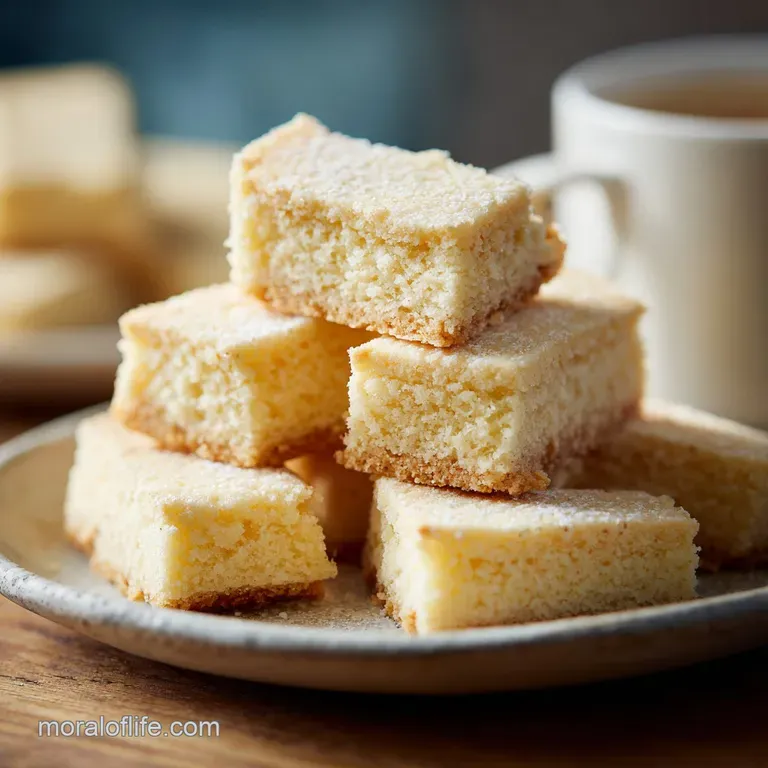
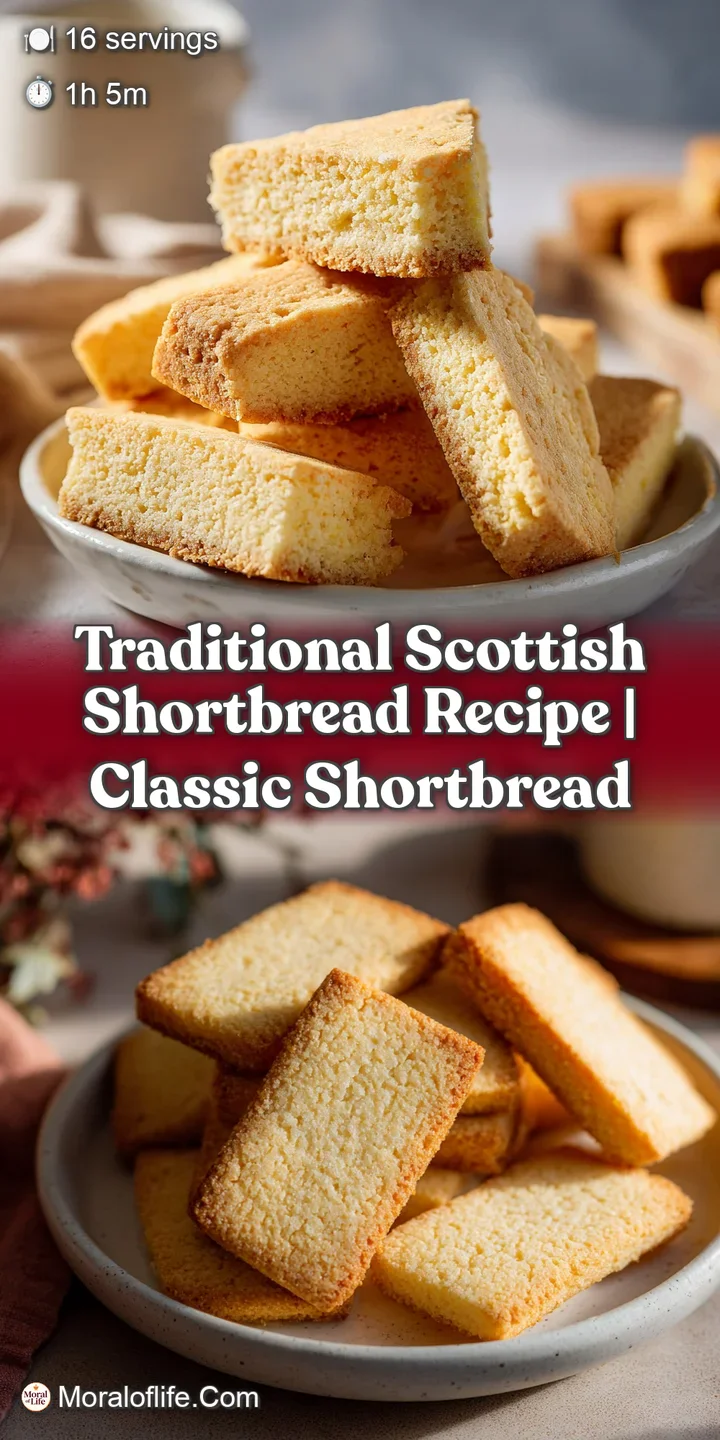
Choosing the right shape isn't just about looks. A thick finger style shortbread will need a few extra minutes in the oven to ensure the center isn't doughy. If you're looking for that classic aesthetic, the petticoat tail (a large circle scored into wedges) is the most forgiving for heat distribution.
Critical Recipe Specifications
| Component | Science Role | Pro Secret |
|---|---|---|
| Salted Butter | Provides structure and fat | Use grass fed for a deeper yellow color |
| Caster Sugar | Dissolves quickly into fat | Pulse granulated sugar in a blender if needed |
| Rice Flour | Breaks up gluten chains | Sift it twice to remove any gritty clumps |
| All Purpose Flour | Provides the main framework | Weigh this to avoid a dry, sandy dough |
Measuring by weight is the single best thing you can do for your baking. Even a few extra grams of flour can turn these treats from meltingly soft to uncomfortably dry. If you don't have a scale, use the "spoon and level" method for your flour to keep things as accurate as possible.
Choosing Your Base Elements
- 227g (1 cup) salted grass fed butter, cool: Why this? Salted butter adds a necessary savory note that balances the rich fat.
- Substitute: Unsalted butter plus 1/4 tsp fine salt.
- 100g (1/2 cup) superfine caster sugar: Why this? The fine crystals blend seamlessly into the butter without leaving a grainy texture.
- Substitute: Granulated sugar pulsed in a food processor for 30 seconds.
- 240g (2 cups) all purpose flour, sifted: Why this? This provides the bulk of the structure without being too high in protein.
- Substitute: Pastry flour for an even more delicate, fragile crumb.
- 60g (1/2 cup) rice flour: Why this? This is the secret to the "crunch" that dissolves into sandiness.
- Substitute: Cornstarch (cornflour) works similarly to inhibit gluten development.
- 1 pinch flaky sea salt: Why this? A tiny amount of topical salt makes the butter flavor pop.
- Substitute: Standard table salt, but use half the amount.
Essential Tools for Success
You don't need a stand mixer for this - in fact, many purists argue that the heat from your hands helps the dough come together more naturally. A large mixing bowl and a sturdy wooden spoon are your primary tools.
You'll also want a sifter to ensure the flours are completely aerated and lump free before they meet the butter.
For the baking, a heavy duty baking sheet or a 9 inch round cake pan works perfectly. If you want those classic "docked" holes, a fork or a skewer is essential. I also highly recommend using parchment paper.
Since shortbread is so high in fat, it can sometimes stick to the pan if it cools too much, and the parchment makes removal a breeze.
Simple step-by-step Guide
- Prep the oven. Heat your oven to 325°F (160°C). Note: A lower temperature prevents the sugar from caramelizing too quickly.
- Cream the butter. Beat 227g of cool butter and 100g of caster sugar until smooth but not fluffy. Note: We want to incorporate the sugar, not add air.
- Sift the drys. Sift 240g of all purpose flour and 60g of rice flour together into a separate bowl.
- Combine the mixtures. Gradually fold the flour into the butter mixture using a wooden spoon.
- Work the dough. Use your hands to gently knead the dough until it just holds together in a ball.
- Shape the dough. Press the mixture into a parchment lined 9 inch round pan, smoothing the top. Handling this dough is a bit different than a flaky Empanada Dough Recipe where you want visible fat chunks; here, we want a homogenous, sandy mass.
- Score and dock. Cut the dough into 16 wedges and prick all over with a fork until you see a pattern of deep holes.
- Chill the pan. Place the pan in the fridge for 20 minutes. Note: This prevents the butter from melting too fast in the oven.
- Bake the shortbread. Bake for 45 minutes until the edges are barely golden and the top is firm.
- Final cut. While still warm, re cut along your score lines and sprinkle with flaky sea salt.
Avoiding Common Baking Mistakes
Why Your Shortbread is Greasy
If your biscuits come out with a puddle of oil or feel unpleasantly slick, your butter was likely too warm when you started, or you over worked the dough. When butter gets too soft, it loses its ability to stay suspended within the flour. The result is a "slumped" cookie that lacks that iconic snap.
Always use butter that is cool to the touch - it should give slightly when pressed but still hold its shape.
Why Your Shortbread is Tough
This usually happens because of gluten development. If you use a stand mixer on high speed or knead the dough like you're making bread, the proteins in the flour will bond together. Shortbread should be handled as little as possible. Stop kneading the very second the dough can be pressed into a ball.
| Problem | Root Cause | Solution |
|---|---|---|
| Browned Bottoms | Oven rack too low | Bake on the middle or upper middle rack |
| Crumbly/Falling Apart | Too much flour | Measure by weight and don't add "extra" for dusting |
| Grainy Texture | Sugar didn't dissolve | Use superfine caster sugar or pulse granulated sugar |
Common Mistakes Checklist
- ✓ Ensure butter is "cool room temperature" (about 60°F) before starting.
- ✓ Don't skip the rice flour; it's what creates the signature Scottish texture.
- ✓ Prick the dough deeply with a fork to allow steam to escape during baking.
- ✓ Let the shortbread cool completely in the pan to prevent shattering.
- ✓ Avoid "whipping" the butter; you want a paste, not a frosting.
Simple Recipe Scaling Tips
If you're baking for a big crowd or a holiday swap, you can easily double this recipe. However, don't just throw everything into one giant bowl. It's better to work in two batches so you don't over knead the dough trying to incorporate all that flour.
When doubling, keep the salt to about 1.5x the original amount to avoid an overly savory bite.
For a half batch, use a smaller 6 inch pan or simply pat the dough into a small rectangle on a baking sheet. Reduce the baking time by about 10 minutes, but start checking at the 30 minute mark. Because the dough is thinner, it will lose moisture much faster.
| Premium Ingredient | Budget Alternative | Flavor Impact | Savings |
|---|---|---|---|
| European Butter | Store Brand Salted Butter | Less creamy, slightly more water | $3.00 - $5.00 |
| Vanilla Bean | Vanilla Extract | Milder aroma, no black specks | $4.00 |
| Caster Sugar | Processed Table Sugar | Slightly grainier if not pulsed | $1.50 |
Saving a few dollars on butter is fine for everyday snacks, but for a special occasion scottish shortbread recipe, the fat quality really is the star of the show. If you use a budget butter, just make sure to chill the dough an extra 10 minutes to compensate for the higher water content.
Flavor Twists and Myths
There is a common myth that you need "special" Scottish water or air to make authentic shortbread. That’s nonsense. What you actually need is high-quality fat. Another myth is that you must use a wooden shortbread mold.
While they look beautiful, a simple cake pan or even a sheet of parchment paper produces the exact same flavor and texture.
If you want to move away from the traditional, try adding a tablespoon of culinary lavender or some finely chopped nuts. If you love this crumbly texture, you'll definitely want to try my Chocolate Pistachio Shortbread Recipe. The addition of cocoa and nuts adds a whole new dimension to that classic snap.
Storage and Waste Prevention
Shortbread is one of the best "make-ahead" treats because it actually improves after a day or two. Store your baked biscuits in an airtight tin at room temperature for up to 3 weeks. The high fat content acts as a natural preservative.
If they start to lose their snap, you can pop them in a 300°F oven for 5 minutes to crisp them back up.
For zero waste, save any broken crumbs or "dust" at the bottom of the tin. These are incredible sprinkled over vanilla ice cream or used as a base for a cheesecake crust. You can also freeze the raw dough for up to 3 months. Just thaw it in the fridge overnight before pressing it into your pan and baking as directed.
Garnish and Serving Strategy
To make these look as good as they taste, focus on a simple but effective color balance. I like to use three specific visual accents to make the tray pop. First, ensure you have that pale golden edge on the biscuits - this is the primary color that signals a successful bake.
- Snow White Dusting: Once the shortbread is cool, a very light dusting of superfine sugar adds a crystalline shimmer that contrasts beautifully with the matte biscuit.
- Emerald Herbs: If you’re serving these on a platter, tuck a few sprigs of fresh rosemary or mint around the edges. The deep green makes the buttery yellow of the shortbread look even richer.
- Amber Honey: For a real treat, serve these with a small ramekin of dark wildflower honey. The amber glow of the honey next to the biscuits is a visual and flavor win.
The best way to enjoy this scottish shortbread recipe is with a strong cup of black tea or a bitter coffee. The fat in the biscuit coats the tongue, making the tannins in the tea feel smoother and the sweetness of the sugar feel more pronounced. It's a simple, reliable pleasure that never goes out of style.
Give it a try this weekend - your kitchen will smell incredible, and your friends will be begging for the recipe. Let's crack on and get baking!
Recipe FAQs
What is the difference between Scottish shortbread and regular shortbread?
Scottish shortbread is typically richer and uses a higher ratio of fat. Traditional Scottish recipes strictly adhere to a 1:2:3 ratio (one part sugar, two parts butter, three parts flour), often incorporating rice flour for a unique sandy texture, which standard shortbread may omit.
What is the 321 rule for shortbread?
The 3-2-1 rule refers to the classic weight ratio of ingredients. It means three parts flour, two parts butter, and one part sugar, which ensures the high fat content necessary for the "short" or crumbly texture.
What is the secret to making good shortbread?
The secret is minimizing gluten development and chilling the dough thoroughly. You must handle the dough very little after the flour is added, mixing only until it forms a mass, and chilling is vital to keep the fat solid before baking.
What makes Scottish shortbread so good?
Its unparalleled tenderness comes from the high butter content and the addition of rice flour. The rice flour physically prevents gluten strands from forming, resulting in a biscuit that shatters beautifully instead of becoming chewy.
Should I substitute cornstarch for rice flour if I don't have any?
Yes, cornstarch is the best substitute for rice flour in this recipe. Both starches serve to interrupt gluten formation, creating that necessary crumbly texture; if you enjoy mastering texture manipulation, you'll see similar principles at play when learning how to develop a flaky crust in our Homemade Apple Pie recipe.
How can I prevent my shortbread from browning too quickly?
Bake at a lower temperature, around 325°F (160°C), and use an ungreased, parchment lined pan. Shortbread should bake slowly to dry out rather than brown deeply, so monitoring the edges for only the palest gold is crucial.
Is it true that using softened butter makes a better shortbread dough?
No, using softened butter is one of the biggest mistakes you can make. The butter should be cool or slightly firm, as whipping softened butter incorporates too much air, which leads to a flat, greasy cookie rather than a dense, short crumb structure.
Traditional Scottish Shortbread Recipe
Ingredients:
Instructions:
Nutrition Facts:
| Calories | 194 kcal |
|---|---|
| Protein | 1.9 g |
| Fat | 11.5 g |
| Carbs | 20.7 g |
| Fiber | 0.5 g |
| Sugar | 6.3 g |
| Sodium | 9.1 mg |
