What is a Transfusion Drink Recipe
- Time: Active 2 minutes, Passive 0 minutes, Total 2 minutes
- Flavor/Texture Hook: Effervescent, zesty, and frosty
- Perfect for: Backyard barbecues, hot summer Tuesdays, or post round relaxation
- Defining the Refreshing Profile of a Transfusion Drink
- The Science Behind This Effervescent Grape Classic
- Essential Measurements for a Dependable Cocktail Build
- Selecting the Right Components for Maximum Flavor
- Tools Required for a Smooth Mixing Experience
- Step by Step Guide for the Perfect Pour
- Navigating Common Mixing Errors for Better Results
- Creative Adjustments for Your Personal Taste Preferences
- Preparation Strategies for Hosting Large Weekend Groups
- Debunking Traditional Beverage Myths
- Ideal Food Pairings for Your Next Social Gathering
- Transfusion Drink FAQs
- 📝 Recipe Card
Defining the Refreshing Profile of a Transfusion Drink
Imagine the sun beating down on a manicured green, the smell of freshly cut grass, and that specific tink tink of ice against a heavy glass. That is where I first encountered this drink.
It was a humid Tuesday, and the clubhouse was buzzing with people clutching these vibrant, purple hued glasses that looked almost too cheerful for a serious game of golf.
I’ll be honest, I thought it was just a fancy grape soda until I took that first sip. The zesty snap of ginger ale hits you first, followed by the deep, nostalgic comfort of Concord grape juice. It’s not cloyingly sweet, thanks to a hit of lime that cuts right through the sugar.
It’s the kind of dependable refreshment you want when the humidity is pushing 90% and you need something that actually works to cool you down.
We've all made the mistake of just throwing random amounts of juice and soda together, but there's a reason this specific ratio has survived decades of country club tradition. It’s about the balance of spirits and fizz. Once you understand the mechanics, you'll find yourself making this Transfusion Drink Recipe for every backyard hang or quiet weeknight on the porch. Trust me, you won't go back to basic vodka sodas after this.
The Science Behind This Effervescent Grape Classic
The Physics of the Fizz: Carbon dioxide in the ginger ale clings to the ice's surface area, creating a steady stream of bubbles that carries the aromatic grape oils to your nose. This effervescence also scrubs the palate, preventing the sugar from feeling heavy or syrupy.
Density Gradient: Concord grape juice has a higher sugar concentration than vodka, making it naturally heavier and prone to sinking. This creates that iconic "cloudy swirl" effect before stirring, which is a hallmark of a properly built drink.
| Mixing Method | Time | Texture | Best For |
|---|---|---|---|
| Built in Glass | 1 minute | Layered & Fizzy | Keeping carbonation at its peak |
| Shaken | 2 minutes | Diluted & Frothy | A colder, less bubbly experience |
| Pitcher Style | 5 minutes | Consistent & Smooth | Serving a crowd on a hot day |
Choosing the right method depends on how much you value those tiny bubbles. I always lean toward building it right in the glass because the "shatter" of the carbonation is what makes the drink feel alive. If you shake it, you risk losing that zing.
Essential Measurements for a Dependable Cocktail Build
Finding the sweet spot between "too strong" and "too sweet" is the goal here. We are using standard metric pours to ensure every glass tastes exactly like the last one you enjoyed. This isn't the time for "eyeballing" it if you want that professional clubhouse finish.
Component Analysis
| Ingredient | Science Role | Pro Secret |
|---|---|---|
| Premium Vodka (60 ml) | Solvent | Use a neutral, grain based vodka to let the fruit shine. |
| Concord Grape Juice (30 ml) | Flavor Base | Must be 100% juice; "grape drink" lacks the necessary tartness. |
| Ginger Ale (120 ml) | Carbonation | Use a brand with high "fizz" stability to prevent a flat drink. |
If you find yourself making this for a morning brunch, you might want to pair it with something lighter, like a Dalgona Coffee Recipe for the non drinkers. The contrast between the whipped coffee and the bubbly grape is a fun spread for guests.
Selecting the Right Components for Maximum Flavor
When we talk about what actually works, it comes down to the quality of your basics. Don't grab the bottom shelf vodka just because it's being mixed; you'll taste that rubbing alcohol burn through the grapes.
- 2 oz (60 ml) Premium Vodka: Why this? A clean spirit ensures the grape and ginger flavors remain crisp and un muddled.
- Substitute: Gin (adds a botanical, herbal note that is surprisingly pleasant).
- 1 oz (30 ml) 100% Concord Grape Juice: Why this? Provides the iconic color and a deep, tannic sweetness.
- Substitute: Cranberry juice (creates a tarter, redder drink often called a "Cape Codder" variation).
- 4 oz (120 ml) Ginger Ale: Why this? Adds the necessary sweetness and essential bubbles.
- Substitute: Ginger beer (adds a spicy, pungent kick use it if you like a Moscow Mule vibe). Note: Makes the drink significantly spicier.
- 0.5 oz (15 ml) Freshly Squeezed Lime Juice: Why this? The acid balances the sugar in the juice and soda.
- Substitute: Lemon juice (slightly sweeter, less "zesty" than lime).
- 3-4 large ice cubes: Why this? Keeps the drink frosty without melting too quickly.
- Substitute: Crushed ice (chills faster but dilutes the drink rapidly).
- 1 lime wheel or fresh Concord grapes: Why this? Adds aromatic oils to the rim of the glass.
Tools Required for a Smooth Mixing Experience
You don't need a fancy bar cart to make this work. In fact, most of the best clubhouses I've been to use very basic gear. The key is how you use them to preserve the "life" of the drink.
- Highball Glass: A tall, narrow glass helps maintain the carbonation by reducing the surface area where gas can escape.
- Bar Spoon: You want a long handled spoon to reach the bottom without needing to shake or stir aggressively.
- Jigger: Essential for getting that 60 ml pour right every single time.
- Citrus Juicer: Hand squeezing the lime is fine, but a press gets more of those fragrant oils out of the peel.
Chef's Tip: Freeze your vodka for at least 30 minutes before mixing. Cold spirits bind better with the carbonation in the ginger ale, preventing the "flat" taste that happens when warm liquid hits ice.
step-by-step Guide for the Perfect Pour
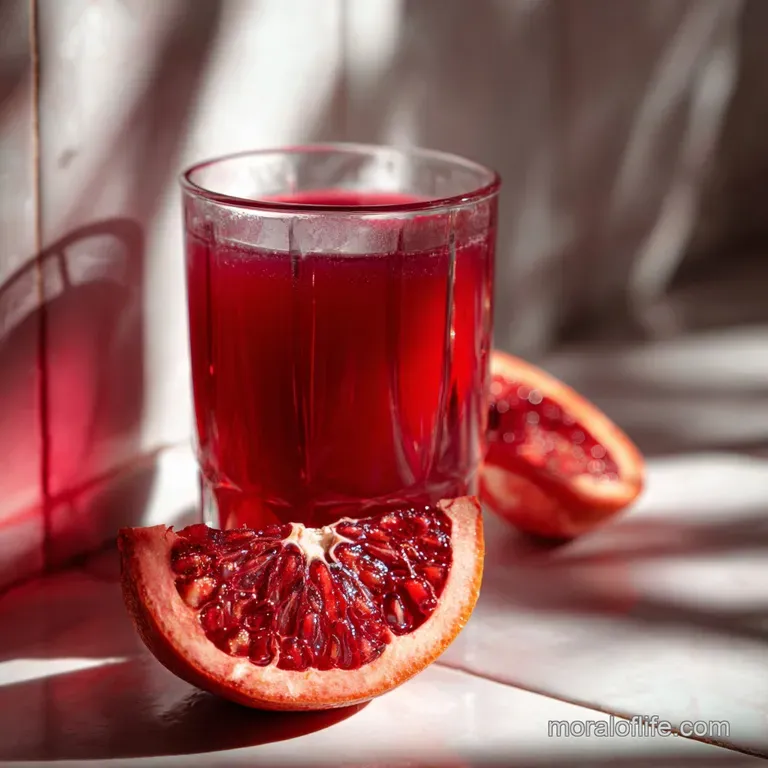
- Chill the glass. Place your highball glass in the freezer for 5 minutes until it develops a frosty haze.
- Add the ice. Drop in 3-4 large cubes. Note: Large cubes melt slower than small ones, preventing a watery finish.
- Measure the vodka. Pour 60 ml of vodka directly over the ice.
- Add the lime. Squeeze 15 ml of fresh lime juice into the glass. Listen for the sizzle as the acid hits the ice.
- Pour the grape juice. Add 30 ml of Concord grape juice. Watch it swirl and sink toward the bottom.
- Top with ginger ale. Slowly pour 120 ml of ginger ale down the side of the glass. Pour gently to preserve the bubbles.
- Give a single stir. Use a bar spoon to pull the grape juice up once. Do not over mix or you'll lose the effervescence.
- Garnish and serve. Slide a lime wheel onto the rim. Smell the zest before you take your first sip.
Navigating Common Mixing Errors for Better Results
The biggest mistake I see? People treat this like a punch and stir the life out of it. You want a "gentle integration," not a whirlpool.
Fixing a Flat or Syrupy Drink
| Problem | Root Cause | Solution |
|---|---|---|
| Drink tastes flat | Over stirring or warm soda | Add soda last and stir only once from the bottom up. |
| Too much "syrup" feel | Low quality grape juice | Ensure you use 100% juice and increase lime to 20 ml. |
| Watery flavor | Using small/crushed ice | Use large cubes and chill all liquids before mixing. |
If you're serving these at a party, I highly recommend making a batch of Grape Jelly Meatballs recipe to go with them. The grape theme is a total crowd pleaser and the savory meatballs balance the sweet tart drink.
Common Mistakes Checklist
- ✓ Never use bottled lime juice; the preservatives ruin the clean finish.
- ✓ Don't use "diet" ginger ale unless absolutely necessary; the aftertaste clashes with the grape.
- ✓ Avoid shaking this drink; the carbonation will cause a mess and leave the drink flat.
- ✓ Ensure the ginger ale is freshly opened for maximum "snap."
Creative Adjustments for Your Personal Taste Preferences
Sometimes you want something a bit different, and that's the beauty of this dependable base. It’s very forgiving if you decide to play around with the ratios or the bubbles.
- For a Lighter Version: Replace half the ginger ale with club soda. You still get the bubbles, but the sugar drops significantly.
- The "Spicy" Route: Use a high-quality ginger beer instead of ale. It turns the drink into something more sophisticated and lingering on the tongue.
- The Mocktail: Simply skip the vodka and add an extra splash of ginger ale. It's a fantastic "virgin" option that doesn't feel like a kids' drink.
Preparation Strategies for Hosting Large Weekend Groups
If you're hosting a crowd, don't stand behind the bar all day. You can pre batch the "heavy" parts of the drink and just add the bubbles as guests arrive.
- Downscaling: If you just want a quick nightcap, you can easily halve the recipe. Just keep the ratio 2 parts soda to 1 part vodka to 0.5 parts juice.
- Upscaling (2x-4x): Mix the vodka, grape juice, and lime juice in a glass bottle and keep it in the fridge. When a guest wants a drink, pour 105 ml of the mixture over ice and top with ginger ale.
- Batching (Large Scale): For 10 drinks, mix 600 ml vodka, 300 ml grape juice, and 150 ml lime juice. Keep the ginger ale separate and open it only when serving to ensure it stays bubbly.
| Servings | Vodka | Grape Juice | Lime Juice | Ginger Ale |
|---|---|---|---|---|
| 1 Person | 60 ml | 30 ml | 15 ml | 120 ml |
| 4 People | 240 ml | 120 ml | 60 ml | 480 ml |
| 8 People | 480 ml | 240 ml | 120 ml | 960 ml |
Debunking Traditional Beverage Myths
One common misconception is that the quality of vodka doesn't matter since the grape juice is so strong. That’s simply not true. While you don't need a $100 bottle, a mid range, dependable vodka prevents that "acetone" smell that ruins the floral aroma of the Concord grapes.
Another myth is that you must use ginger beer for an "authentic" taste. Historically, the country club version has always used ginger ale. Ginger beer makes it a different cocktail entirely closer to a Mule and can overpower the delicate grape notes.
Ideal Food Pairings for Your Next Social Gathering
This drink is surprisingly versatile with food. Because of the carbonation and acidity, it’s a master at cutting through salty or fatty snacks.
- Storage
- Once mixed, this drink does not store well because the ginger ale will go flat. However, you can store the vodka and grape juice mixture in the fridge for up to 3 days.
- Zero Waste
- If you have leftover ginger ale that has gone flat, don't toss it! Use it as a liquid base for braising pork or ham. The sugar and ginger notes work beautifully in a slow cooker.
- Leftover Grapes
- If you used fresh grapes for garnish, freeze the leftovers and use them as "ice cubes" for your next round. They won't dilute the drink as they melt!
This drink is a dependable friend for any occasion. It’s easy to make, hard to mess up, and always leaves your guests asking, "What exactly is in this?" Now you can tell them with confidence.
Transfusion Drink FAQs
What is a transfusion drink made of?
Vodka, Concord grape juice, ginger ale, and a squeeze of lime juice. This core combination creates the signature tart, bubbly, and slightly sweet profile.
Why do golfers drink transfusions?
Yes, it is a popular clubhouse tradition for refreshment. It offers reliable hydration and a pleasant, easy-to-drink cocktail when out on the course on a hot day.
What is the transfusion drink at the Masters?
It is the traditional, iconic cocktail served at Augusta National events. While the exact recipe is proprietary, the standard version relies on those three core ingredients: vodka, grape juice, and ginger ale.
Why do they call it a transfusion drink?
The name suggests rapid replenishment of needed fluids or energy. It implies a restorative quality, like quickly rehydrating after physical exertion on the golf course.
What is the best vodka substitute for a transfusion?
Gin provides a surprisingly good, botanical alternative. Using a high-quality, neutral grain vodka is preferred, but gin adds an herbal layer that still balances the grape.
How do I prevent the transfusion drink from tasting too sweet?
Increase the amount of fresh lime juice used in the recipe. The acidity from the lime cuts through the sweetness of the grape juice and ginger ale, balancing the flavor profile.
Should I shake the components when making a transfusion?
No, shaking is strongly discouraged for this specific cocktail. Building the drink directly in the glass preserves the carbonation from the ginger ale, which is crucial for its texture.
Transfusion Drink Recipe Guide
Ingredients:
Instructions:
Nutrition Facts:
| Calories | 198 kcal |
|---|---|
| Protein | 0.1 g |
| Fat | 0.1 g |
| Carbs | 17 g |
| Fiber | 0.2 g |
| Sugar | 16 g |
| Sodium | 13 mg |
