Easy Tzatziki Recipe with Velvety Texture
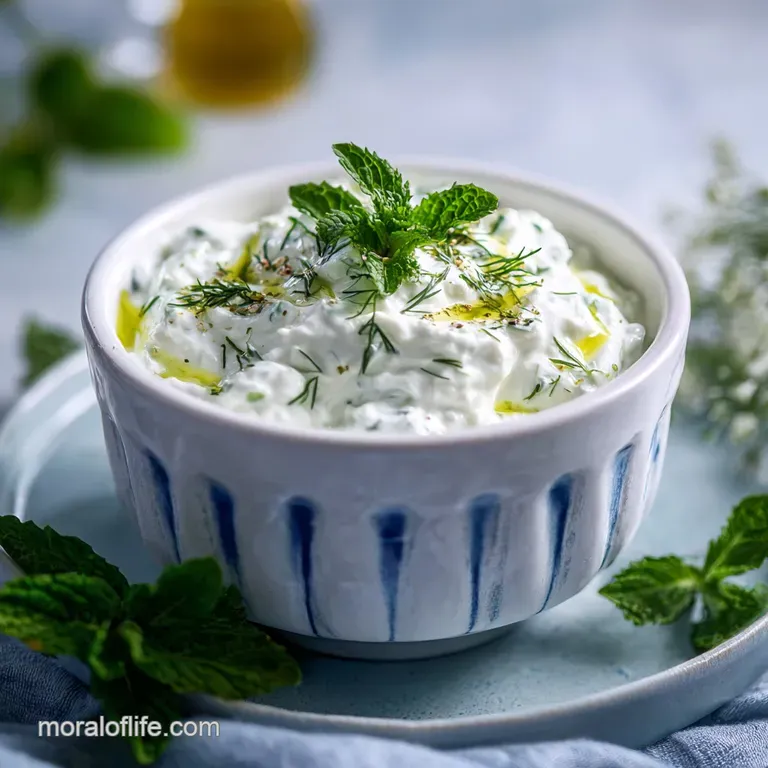
- Time: Active 10 minutes, Passive 30 minutes, Total 40 minutes
- Flavor/Texture Hook: Cooling, garlicky, and incredibly velvety
- Perfect for: Weeknight dinners, meal prep, or beginner friendly entertaining
- Make This Easy Tzatziki Recipe Tonight
- Techniques for a Thick Texture
- Recipe Timing and Basic Specs
- Grocery List and Simple Swaps
- Essential Kitchen Tools for Success
- Reliable Step by Step Instructions
- Fixing Common Texture Problems Fast
- Dietary Changes and Flavor Adjustments
- Storage and Leftover Management Tips
- Serving Suggestions and Meal Pairings
- Kitchen Myths Debunked
- Recipe FAQs
- 📝 Recipe Card
Make This Easy Tzatziki Recipe Tonight
Imagine the first bite of a warm pita dipped into something so cold and creamy it makes your forehead stop sweating on a humid July afternoon. That’s the magic we're after. I used to think I could just stir chopped cucumber into yogurt and call it a day, but I always ended up with a sad, watery puddle that tasted like nothing.
It was frustrating because I knew the ingredients were right, but the execution was lacking.
Right then, I realized that this easy tzatziki recipe isn't just about mixing; it’s about managing water. When you get that velvety, thick consistency just right, it transforms a simple grilled chicken breast into something you’d pay twenty dollars for at a Greek taverna.
We aren't doing anything complicated here, but we are doing things the right way.
Trust me on this, once you nail the squeeze and rest method, you'll never go back to the store-bought stuff that’s mostly thickeners and preservatives. We're keeping things dependable and honest, using full fat yogurt and fresh herbs to create a sauce that stands up on the plate.
Let’s crack on with the details so you can repeat this with confidence every single week.
Techniques for a Thick Texture
The biggest hurdle with any homemade dip is preventing it from becoming a soup by the time it hits the table. We achieve a dependable, thick result by respecting the water content of our vegetables. This isn't about being fancy; it's about basic kitchen logic that saves your meal from being soggy.
- Osmotic Dehydration: Salting the grated cucumber draws out internal moisture through osmosis, preventing the water from leaking into the yogurt later.
- Cell Wall Rupture: Grating rather than dicing increases the surface area, allowing more flavor rich juices to mingle with the garlic before the final squeeze.
- Fat Saturation: Using full fat Greek yogurt provides a stable emulsion that holds the oil and vinegar without separating.
- Cold Infusion: Allowing the garlic to sit in the acidic lemon juice and vinegar "mellows" the raw bite while distributing the flavor evenly.
| Preparation Type | Texture Result | Flavor Intensity | Best For |
|---|---|---|---|
| Hand Grated | Velvety and integrated | High | Traditional dipping |
| Finely Diced | Chunky and crisp | Medium | Topping for burgers |
| Food Processor | Very smooth/thin | Low | Salad dressings |
Choosing the right method depends on how much time you have. If it's a busy weeknight, you might be tempted to skip the salting step, but that's where the "puddle" problem starts. Even a quick 5 minute salt and squeeze makes a massive difference in the final product's integrity. For another creamy base technique, you might notice similarities in how we balance fats in my Cajun Alfredo Sauce Recipe, though here we rely on cold acidity rather than heat.
Recipe Timing and Basic Specs
The beauty of this easy tzatziki recipe lies in its simplicity. You only need about 10 minutes of hands on work. Most of the "cook time" mentioned in the specs is actually passive resting time.
This is a critical step because the garlic needs time to lose its sharp, stinging edge and become a sweet, aromatic part of the creamy whole.
I’ve found that 30 minutes in the fridge is the sweet spot. If you eat it immediately, the garlic tastes disjointed, and the dill hasn't fully "perfumed" the yogurt. By the 30 minute mark, the sea salt has finished its work, and the lemon zest has brightened every corner of the bowl.
It's the difference between a good sauce and a dependable staple you'll make again and again.
Chef Tip: Grate your garlic directly into the lemon juice and vinegar first. This "cooks" the garlic slightly, removing that harsh breath stealing bite that lingers for days.
Grocery List and Simple Swaps
Shopping for this dish is straightforward. You want the freshest produce possible because there’s nowhere for wilted herbs or soft cucumbers to hide. When you’re at the store, look for an English cucumber - the long ones wrapped in plastic.
They have thinner skin and far fewer seeds, which means less bitterness and more crunch.
| Component | Science Role | Pro Secret |
|---|---|---|
| English Cucumber | Structural Crunch | Keep the skin on for color and extra fiber. |
| Full fat Greek Yogurt | Emulsion Base | Never use "Greek style" - look for strained yogurt only. |
| Fresh Garlic | Aromatic Profile | Grate it on a microplane to avoid chunky raw bits. |
| Extra Virgin Olive Oil | Mouthfeel Gloss | Use the "good" stuff here; the flavor really shines through. |
For the produce base, you'll need that 300g English cucumber and a small bunch of fresh dill. If you don't like dill, you can swap it for fresh mint, which gives a very traditional Mediterranean vibe. For the creamy emulsion, ensure your 2 cups (450g) of Greek yogurt is full fat.
low-fat versions often have added starches that change the mouthfeel from velvety to chalky. Honestly, don't even bother with the low-fat stuff if you want that authentic richness.
Essential Kitchen Tools for Success
You don't need a pantry full of gadgets for this. A simple box grater is your best friend here. Use the large holes for the cucumber so you get nice "shreds" that retain some bite. If you use the fine holes, the cucumber turns into mush, and you lose that beautiful texture that makes this recipe stand out.
You'll also need a clean kitchen towel or a few layers of heavy duty cheesecloth. This is the only non negotiable tool. You have to be able to twist and squeeze that cucumber until your knuckles turn white. A fine mesh sieve works in a pinch, but it won't get nearly as much water out as a good old-fashioned squeeze.
A medium mixing bowl and a microplane for the garlic and lemon zest round out the list.
Reliable step-by-step Instructions
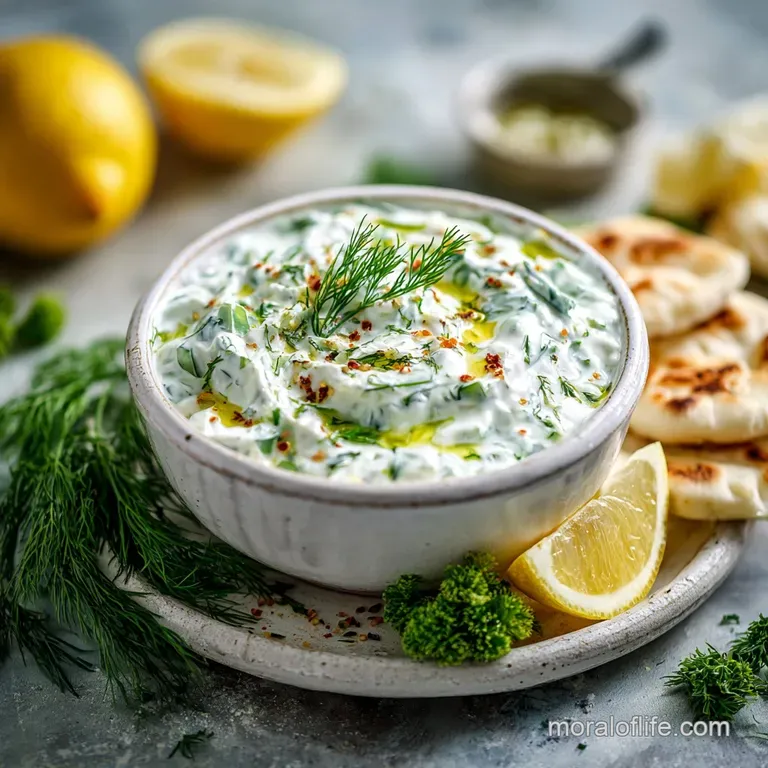
- Grate the cucumber. Use the large holes of a box grater for the 300g English cucumber. Note: Don't peel it; the green skin adds beautiful flecks of color.
- Salt and drain. Toss the grated cucumber with 0.5 tsp sea salt in a bowl and let it sit for 10 minutes. Wait until the water pools at the bottom.
- Squeeze out moisture. Transfer the cucumber to a clean kitchen towel and wring it out until no more liquid drips.
- Macerate the garlic. Grate 3 cloves of garlic into a separate bowl with the juice and zest of 1 lemon. Note: This softens the garlic's sharp flavor.
- Combine the liquids. Whisk in 2 tbsp extra virgin olive oil and 1 tbsp white wine vinegar into the garlic mixture until it looks glossy.
- Add the yogurt. Fold in 2 cups of full fat Greek yogurt gently. Note: Over mixing can make the yogurt lose its body.
- Incorporate the solids. Stir in the squeezed cucumber and the finely chopped bunch of fresh dill.
- Season to taste. Add 0.25 tsp freshly cracked black pepper and adjust salt if needed.
- Rest the sauce. Chill in the fridge for 30 minutes until the flavors are cohesive and bold.
- Final garnish. Drizzle with a tiny bit more olive oil before serving until it looks restaurant ready.
Fixing Common Texture Problems Fast
Even the most dependable recipes can go sideways if the cucumber was extra juicy or the yogurt wasn't as thick as usual. But what about the sogginess? If you find your tzatziki is a bit thin, don't panic.
You can often save it by whisking in an extra dollop of yogurt or, in extreme cases, letting it sit in a sieve lined with a coffee filter for 20 minutes to drain off excess whey.
Why Is My Tzatziki Still Watery?
This almost always comes down to the squeeze. If you just gave it a polite press, there's still a quarter cup of water hiding in those cucumber shreds. The salt needs time to break down the cell walls.
If you're in a rush, use more salt, but be sure to rinse the cucumber quickly before squeezing so the final dish isn't a salt bomb.
Tone Down Strong Garlic
Sometimes garlic cloves are just aggressive. If you taste the sauce and it burns your throat, the best fix is fat and acid. Add another tablespoon of olive oil or a splash more lemon juice. The fat coats your tongue and dampens the garlic's intensity.
Alternatively, adding a pinch of sugar can help balance the sharp aromatics without changing the savory profile.
| Problem | Root Cause | Solution |
|---|---|---|
| Grainy texture | low-fat or "Greek style" yogurt | Whisk in 1 tbsp heavy cream or full fat sour cream |
| Too salty | Excess salt from the draining step | Add more yogurt and a squeeze of fresh lemon |
| Bland flavor | Not enough resting time | Let sit for another 15 minutes at room temp |
Common Mistakes Checklist:
- ✓ Forgot to salt the cucumber (causes immediate watering down)
- ✓ Used dried dill instead of fresh (lacks the vibrant, grassy punch)
- ✓ Peeled the cucumber (loses the textural contrast and color)
- ✓ Skipped the 30 minute rest (flavors won't be fully integrated)
- ✓ Used bottled lemon juice (tastes metallic and flat)
Dietary Changes and Flavor Adjustments
This recipe is naturally vegetarian and gluten-free, making it a dependable crowd pleaser for parties. If you need to make it dairy-free, you can use a thick almond based or coconut based unsweetened yogurt.
Just be aware that coconut yogurt adds a slight sweetness that you might need to counter with extra vinegar or salt.
| Original Ingredient | Substitute | Why It Works |
|---|---|---|
| Greek Yogurt (2 cups) | Thickened Coconut Yogurt | Similar creaminess. Note: Adds a slight tropical hint. |
| Fresh Dill (1 bunch) | Fresh Mint (0.5 cup) | Provides a different but traditional herbal cooling effect. |
| White Wine Vinegar | Red Wine Vinegar | Offers a slightly bolder, fruitier acidity. |
For a low-fat option, you can use 2% Greek yogurt, but I’d recommend straining it through a coffee filter for an hour first to remove excess liquid. This mimics the thickness of full fat yogurt without all the calories. If you're looking for a hearty side to serve with this, it pairs beautifully with my Arroz con Gandules Recipe, where the cooling yogurt cuts through the savory rice perfectly.
Storage and Leftover Management Tips
Store your tzatziki in an airtight glass container in the fridge. It will stay fresh and dependable for about 3 to 4 days. You might notice a little liquid pooling on top after a day; this is just natural separation. Give it a quick stir, and it’ll be as velvety as the first day.
Whatever you do, do not freeze this sauce. The cell structure of the cucumber will shatter, and the yogurt will break, leaving you with a grainy, separated mess once thawed. It’s a tragedy that can’t be fixed.
For zero waste, if you have leftover cucumber ends or dill stems, toss them into a jar of water for a refreshing infused drink, or chop the stems finely and add them to a morning omelet with some feta.
Serving Suggestions and Meal Pairings
This sauce is the ultimate chameleon. While it’s the star of any gyro or souvlaki platter, it also works wonders as a spread on a turkey sandwich or a dip for raw veggies. If you're having a "normal Tuesday" and just need a quick protein, dollop this over some pan seared salmon.
The acidity of the lemon and the fat in the yogurt are a match made in heaven for oily fish.
For a vegetarian feast, serve it alongside roasted cauliflower or as a dressing for a chickpea salad. If you're feeling adventurous, try it with spicy dishes like Chorizo and Eggs recipe. The cooling effect of the yogurt is a brilliant foil for the smoky heat of the chorizo.
Kitchen Myths Debunked
One common myth is that you must remove the seeds from the cucumber. While some people prefer it, a standard English cucumber has such tiny seeds that they actually add to the "juiciness" of the flavor without being intrusive. As long as you salt and squeeze properly, the seeds won't make your sauce watery.
Another misconception is that you need a mortar and pestle for the garlic. While traditional, a microplane or fine grater is actually more efficient for this easy tzatziki recipe because it creates a garlic paste that emulsifies into the yogurt.
This prevents anyone from biting into a large chunk of raw garlic, which is a dependable way to ruin someone's evening. Finally, don't believe the idea that "Greek style" yogurt is the same as Greek yogurt.
Strained Greek yogurt is a physical process that removes whey; "Greek style" often uses thickeners like cornstarch to fake the texture, which won't behave the same way in this recipe.

Recipe FAQs
How to make tzatziki simple?
Grate the cucumber coarsely, salt it heavily, and let it sit for 10 minutes to draw out moisture.
Toss the salted cucumber in a towel and squeeze forcefully until completely dry; this step prevents a watery sauce. Then, gently mix the dry cucumber with full fat Greek yogurt, grated garlic, fresh dill, lemon juice, and olive oil.
What are the ingredients of tzatziki?
English cucumber, full fat Greek yogurt, fresh garlic, fresh dill, lemon juice, olive oil, white wine vinegar, salt, and pepper are essential.
Using full fat yogurt is key for the required velvety mouthfeel.
What's the secret to great tzatziki?
The secret is aggressive moisture removal from the cucumber.
You must salt the shreds, wait for the water to pool, and then physically squeeze out every drop possible using a clean kitchen towel.
If you enjoy mastering ingredient preparation like this, see how the same principle of ingredient preparation applies to balancing flavor ratios in our Lemon Caper Sauce in 15 Minutes.
How to make perfect tzatziki?
Grate the garlic directly into the lemon juice and vinegar first, allowing it to mellow for five minutes before combining it with the yogurt.
This process reduces the raw, biting edge of the garlic, integrating its flavor smoothly into the cool yogurt base.
What is the necessary resting time for tzatziki?
Chill the finished sauce for a minimum of 30 minutes before serving.
This time allows the fresh dill to perfume the yogurt and lets the lemon and garlic flavors truly meld together into a cohesive sauce.
Can I use dried dill instead of fresh dill in tzatziki?
No, using dried dill significantly compromises the flavor.
Dried herbs lack the vibrant, grassy essential oils found in fresh herbs, leading to a duller, muted taste profile.
Is it true that low-fat yogurt ruins the texture of tzatziki?
Yes, low-fat or non-fat yogurt generally results in a chalky or thin texture.
The fat content in full fat Greek yogurt is necessary to create a stable, velvety emulsion that perfectly suspends the cucumber and oil.
Velvety Easy Tzatziki Recipe
Ingredients:
Instructions:
Nutrition Facts:
| Calories | 94 kcal |
|---|---|
| Protein | 5.4 g |
| Fat | 6.3 g |
| Carbs | 4.7 g |
| Fiber | 0.3 g |
| Sugar | 2.4 g |
| Sodium | 168 mg |
