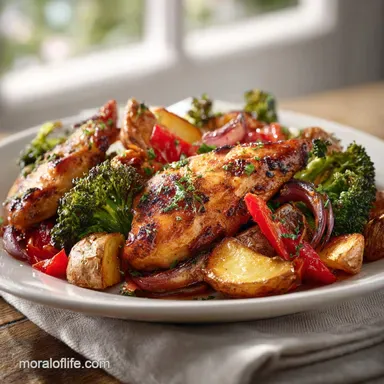
Baked Italian Chicken and Vegetables: One-Pan Meal
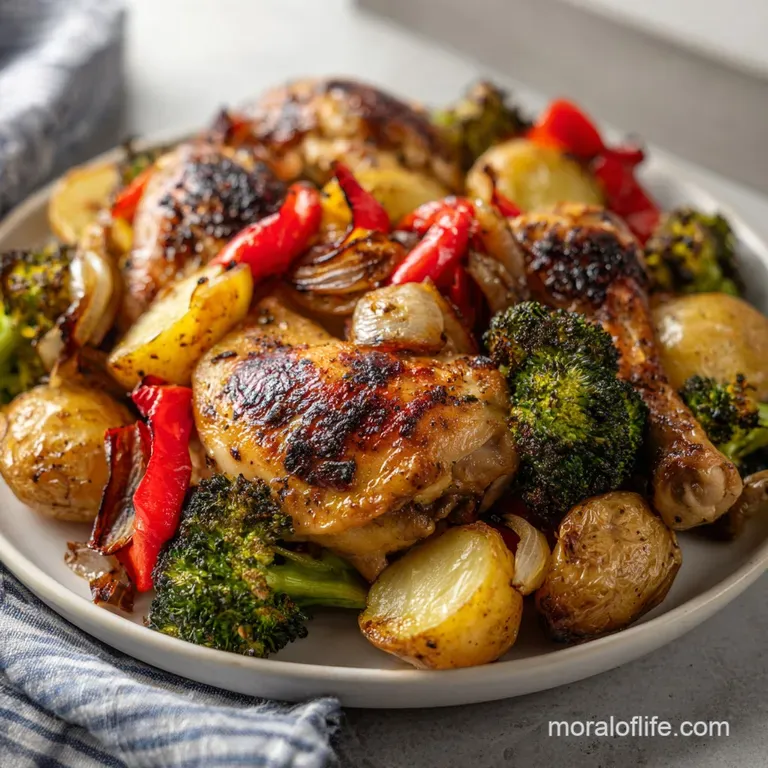
- Time: 10 min active + 30 min cooking = Total 40 mins
- Flavor/Texture Hook: Savory charred broccoli and velvety chicken thighs
- Perfect for: A dependable Tuesday night dinner or healthy meal prep
Baked Italian Chicken and Vegetables
That specific smell hits you the second you open the oven door, a mix of roasting garlic and that sharp, tangy scent of red wine vinegar hitting high heat. I remember the first time I tried to simplify my weeknights, I was leaning way too hard on slow cookers, but everything just came out... mushy.
I wanted that sizzle, that brown crust on the potatoes, and the way broccoli edges get almost crispy, like little burnt lace.
I switched to the sheet pan method because I'm tired of scrubbing five different pots. This baked italian chicken and vegetables dish is my go to when I have zero mental energy but still want something that tastes like I actually put in effort.
It's a dependable meal that doesn't require you to stand over a stove for an hour.
You can expect a meal where the chicken stays tender and the vegetables retain a bit of their bite. We aren't aiming for a stew here, we're aiming for a roast. Trust me on this, the secret is in the spacing on the pan, which we'll get into in a bit.
Why This Works
I've spent a lot of time wondering why some sheet pan meals end up as a soggy mess while others actually roast. Here is what I've figured out about the mechanics of this dish:
Acidic Tenderizing: The red wine vinegar doesn't just add a zip of flavor, it actually helps break down the tough fibers in the chicken thighs, making them more velvety.
Fat Distribution: Using a generous amount of olive oil ensures every nook and cranny of the broccoli and potatoes is coated, which is the only way to get that brown char instead of just steaming the vegetables.
Staggered Density: By cutting the potatoes into quarters and the chicken into 2 inch chunks, everything reaches the finish line at the same time. If the potatoes were whole, the chicken would be dry before the spuds were soft.
Concentrated Seasoning: Whisking the spices into the oil and vinegar first creates a glaze that clings to the food, rather than just sprinkling dry powder on top, which often just falls off during the roast.
| Method | Time | Texture | Best For |
|---|---|---|---|
| Sheet Pan Oven | 40 mins | Charred & Roasted | Large batches, minimal cleanup |
| Stovetop Sauté | 25 mins | Soft & Seared | Small portions, faster turnaround |
| Slow Cooker | 6 hours | Tender & Stewed | Set and forget, softer texture |
Component Analysis
I don't think of these as just ingredients, but as tools to get a specific result. For example, I always use thighs instead of breasts because breasts are too easy to overcook in a 400°F oven.
| Ingredient | Science Role | Pro Secret |
|---|---|---|
| Chicken Thighs | Fat rich protein | Leave them in 2 inch chunks for max juiciness |
| Red Wine Vinegar | pH balancer | Adds brightness that cuts through the olive oil |
| Baby Potatoes | Starch absorber | Quartering them creates more surface area for browning |
| Broccoli | Texture contrast | Add them in their florets to catch the glaze |
Ingredients & Substitutions
I'm all about budget smart cooking, so don't feel like you need the most expensive organic labels to make this work. A basic bottle of olive oil and some frozen broccoli (if it's winter) can still get the job done.
- 1.5 lbs boneless skinless chicken thighs, cut into 2 inch chunks Why this? Higher fat content prevents drying out at high heat
- 1 lb baby potatoes, quartered Why this? They cook faster and have a creamier interior
- 2 cups broccoli florets Why this? High surface area for charring
- 1 large red bell pepper, chopped into 1 inch pieces Why this? Adds a natural sweetness to balance the vinegar
- 1 medium red onion, wedged Why this? Wedges hold their shape better than diced pieces
- 2 medium carrots, sliced into rounds Why this? Adds a root vegetable earthiness
- 1/3 cup extra virgin olive oil Why this? High smoke point for roasting
- 3 tbsp red wine vinegar Why this? The essential "tang" for Italian profiles
- 1 tbsp garlic powder Why this? Distributes more evenly than fresh minced garlic
- 1 tbsp dried Italian seasoning Why this? All in-one herb blend
- 1 tsp smoked paprika Why this? Adds a hint of depth without needing a grill
- 1 tsp salt Why this? Essential for drawing out moisture
- 1/2 tsp cracked black pepper Why this? Adds a subtle heat
If you're missing something, don't panic. You can swap the red wine vinegar for lemon juice, though it'll be more "bright" and less "deep". For the chicken, if you must use breasts, cut them into larger chunks so they don't shrink into pebbles.
| Original Ingredient | Substitute | Why It Works |
|---|---|---|
| Chicken Thighs | Chicken Breast | Leaner protein. Note: Reduce bake time by 5 mins to avoid dryness |
| Red Wine Vinegar | Apple Cider Vinegar | Similar acidity. Note: Adds a slight fruity sweetness |
| Broccoli | Cauliflower | Similar structure. Note: Takes slightly longer to brown |
| Red Bell Pepper | Yellow or Orange Pepper | Same flavor profile. Note: Virtually no change in outcome |
If you enjoy the ease of this sheet pan style, you might also like my Stuffed Pepper Casserole recipe, which uses similar roasting principles to get a deep, savory flavor without much effort.
Key Steps
Right then, let's get into the actual cooking. The most important thing here is not to crowd your pan. If the vegetables are piled on top of each other, they'll steam in their own juices, and you'll lose that roasted texture.
- Preheat your oven to 400°F (200°C) and line a large rimmed sheet pan with parchment paper. Note: This prevents the cheese or glaze from sticking and makes cleanup a breeze.
- In a large mixing bowl, combine the chicken chunks and all chopped vegetables.
- Whisk together the olive oil, red wine vinegar, garlic powder, Italian seasoning, smoked paprika, salt, and pepper to create the glaze, then pour it over the chicken and vegetables.
- Toss vigorously with hands or tongs until all ingredients are fully encapsulated in the glaze. Note: Use your hands to ensure the broccoli florets are coated inside the "trees".
- Spread the mixture in a single layer on the prepared sheet pan, ensuring ingredients are not crowded to allow for roasting rather than steaming.
- Bake for 25–30 minutes, giving the pan a quick shake at the 15 minute mark. Note: Shaking prevents the bottom side from getting too soggy.
- Remove from the oven when the chicken reaches an internal temperature of 165°F (74°C) and the broccoli edges are charred.
According to USDA Food Safety guidelines, 165°F is the gold standard for poultry, but don't let it go much higher or those thighs will lose their velvetiness.
Chef Note: If you have a very large sheet pan, you can spread the ingredients even thinner. The more airflow there is around each piece of chicken, the better the browning will be.
What Can Go Wrong (and How to Fix It)
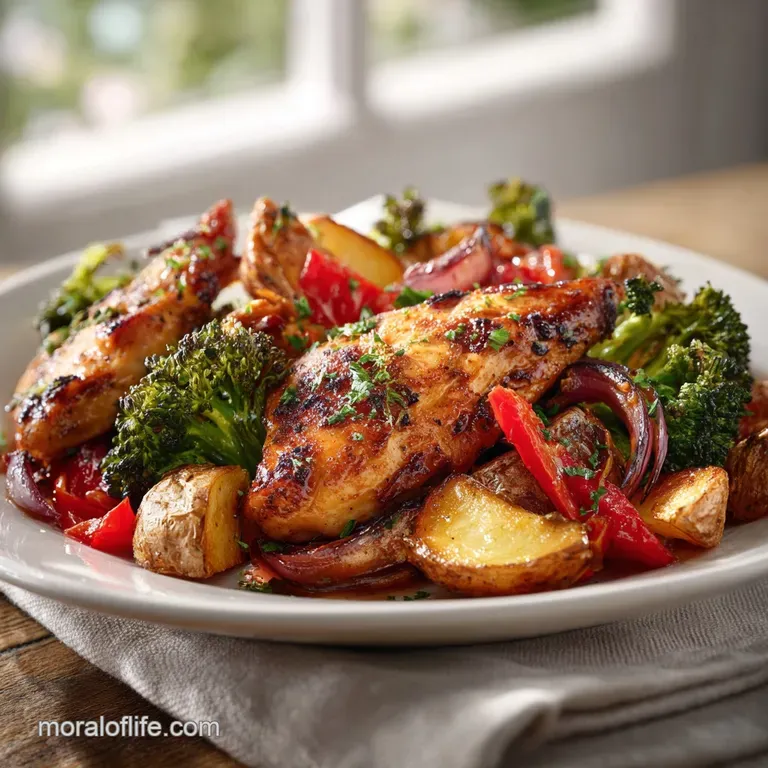
Even the most dependable recipes can hit a snag if your oven runs hot or your vegetables are extra juicy. I've made these mistakes so you don't have to.
Troubleshooting Common Issues
| Issue | Solution |
|---|---|
| Why Your Vegetables Are Soggy | This usually happens because of overcrowding. When you put too much on one pan, the moisture escaping the vegetables creates a steam cloud. Instead of roasting, you're essentially boiling them in the |
| Why Your Chicken Is Dry | Dry chicken usually comes from using breasts instead of thighs, or simply leaving it in for 5 minutes too long. Since we're cooking at a high 400°F, the window between "juicy" and "cardboard" is small |
| Why The Flavor Is Bland | If the dish tastes flat, you're likely missing that hit of acid. The red wine vinegar is key. If it's still bland after cooking, a tiny squeeze of fresh lemon juice right before serving will wake ever |
Adjusting Portion Sizes
When you're cooking for a crowd or just for yourself, you can't always just multiply everything by two. The physics of the oven change when the pan is full.
Scaling Down (Half Batch): If you're only feeding two people, use a smaller baking sheet. I've found that you can reduce the cooking time by about 20%, so start checking the chicken at 20 minutes.
Use half the ingredients, but keep the salt and pepper exactly as listed to maintain the flavor intensity.
Scaling Up (Double Batch): This is where people mess up. Do NOT put double the ingredients on one pan. You'll end up with a soggy mess. Instead, split the mixture between two sheet pans.
I recommend increasing the spices (Italian seasoning, garlic powder) to 1.5x rather than 2x, as high concentrations of dried herbs can sometimes taste medicinal.
If you're baking in a very crowded oven with two pans, lower the temperature to 375°F (190°C) and extend the time by 5-10 minutes. This ensures the heat circulates properly between the two levels.
| Goal | Adjustment | Expected Result |
|---|---|---|
| More Crispy | Higher Temp (425°F) | Faster char, risk of drying chicken |
| More Tender | Lower Temp (375°F) | Slower roast, more uniform cooking |
| Faster Prep | Pre cut Veggies | Saves 10 mins, might lose some flavor |
Common Kitchen Misconceptions
I've heard a lot of "rules" about roasting that just aren't true in a real home kitchen. Let's clear some of these up.
The "Searing First" Myth: Some people say you have to sear the chicken in a pan first to "lock in juices." This is simply not true. Searing adds flavor, but it doesn't create a seal.
In a over high heat oven at 400°F, you'll get plenty of browning and juiciness without the extra step of dirtying another pan.
The "Fresh is Always Better" Myth: While I love fresh garlic, in a over high heat roast, fresh minced garlic often burns and becomes bitter before the potatoes are done. Garlic powder is actually superior here because it distributes evenly and withstands the heat better.
The "Root Veggies Need More Time" Myth: Many believe potatoes need an hour to roast. Not if you cut them small enough. By quartering baby potatoes, they cook in the same 30 minute window as the chicken, making this a true one pan meal.
Storage Guidelines
If you have leftovers, this baked italian chicken and vegetables stays surprisingly good. The chicken thighs keep their moisture better than breasts would in the fridge.
Fridge Storage: Place the leftovers in an airtight container. They'll stay fresh for 3-4 days. I actually think the flavor improves on day two as the vinegar and herbs soak deeper into the potatoes.
Freezing Tips: You can freeze this for up to 2 months. However, the broccoli can get a bit mushy upon thawing. If you plan to freeze it, undercook the broccoli by about 5 minutes so it doesn't turn to mush when you reheat it.
Reheating the Right Way: Avoid the microwave if you can, as it makes the vegetables rubbery. Instead, pop the leftovers back in a 350°F (175°C) oven for 10 minutes.
This brings back that roasted sizzle and keeps the chicken from getting that "microwave taste."
Zero Waste Tips: Don't throw away the leftover glaze in the bowl! I usually brush it over a piece of toasted sourdough or use it as a quick marinade for some tofu. If you have leftover carrot peels, toss them in a freezer bag for your next batch of homemade vegetable stock.
Serving Suggestions
While this is a complete meal on its own, sometimes you want a bit more on the plate. Since the dish is quite savory and tangy, I like to pair it with something that can soak up the extra juices.
For a more filling meal, try serving this over a bed of fluffy quinoa or brown rice. If you're looking for another side that fits the vibe, my Chicken Zucchini Corn recipe provides a great contrast with its buttery garlic notes.
If you want to keep it light, a simple arugula salad with a lemon vinaigrette is the way to go. The peppery greens cut through the richness of the olive oil and chicken thighs. For those who love a bit of indulgence, a dollop of pesto or a sprinkle of fresh parmesan cheese right before serving adds a velvety finish that ties the whole Italian theme together.
Honestly, don't even bother with fancy plating. This is a "scoop it straight from the pan onto the plate" kind of meal. It's dependable, comforting, and makes your kitchen smell like a trattoria without the effort of a five course meal. Trust me, your Tuesday night self will thank you.
Recipe FAQs
Can I use chicken breasts instead of thighs?
No, thighs are highly recommended. Chicken breasts dry out quickly at 400°F, while thighs stay juicy and tender throughout the roasting process.
How to prevent the vegetables from becoming soggy?
Spread the mixture in a single layer on the sheet pan. Avoid overcrowding the pan, which creates a steam cloud that boils the vegetables instead of roasting them.
How long do leftovers stay fresh in the fridge?
Store in an airtight container for 3-4 days. The flavors often deepen by the second day as the vinegar and herbs soak into the potatoes.
Is it possible to freeze this dish?
Yes, for up to 2 months. Undercook the broccoli by about 5 minutes before freezing to prevent it from becoming too mushy upon thawing.
Is it true I must sear the chicken in a pan before baking to get a good crust?
No, this is a common misconception. The combination of olive oil and a 400°F oven provides sufficient browning and flavor without the extra step of searing.
How to tell when the meal is fully cooked?
Verify the chicken reaches an internal temperature of 165°F (74°C). You should also see charred edges on the broccoli and tender potatoes.
What is the best side dish to pair with this?
Serve it alongside a creamy pasta. If you enjoyed the garlic-forward profile here, see how we use similar aromatics in our tomato garlic pasta.
Baked Italian Chicken and Vegetables (4)