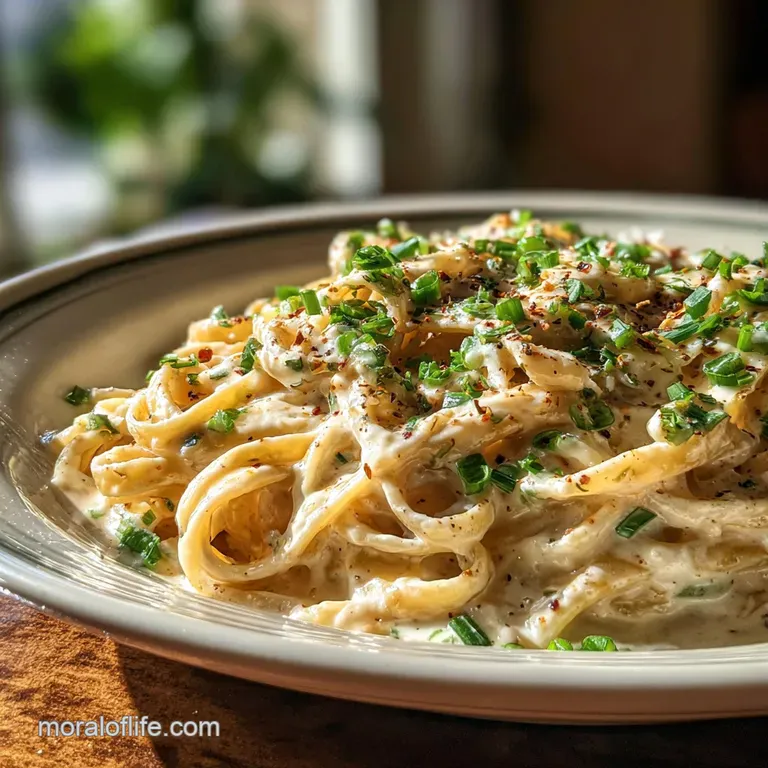
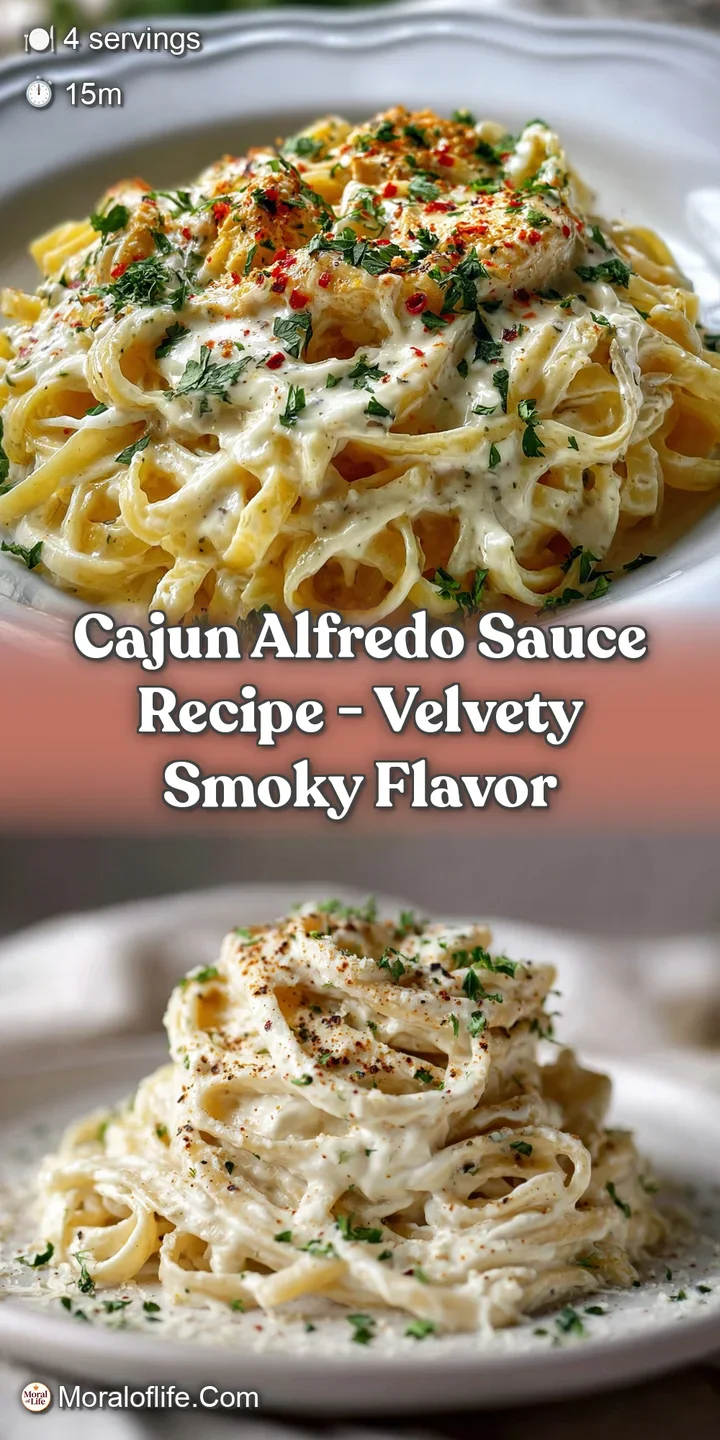
Cajun Alfredo Sauce Recipe: Velvety and Smoky
- Time: Active 5 minutes, Passive 10 minutes, Total 15 minutes
- Flavor/Texture Hook: Velvety, smoky, and bold
- Perfect for: A dependable weeknight dinner that feels like a weekend treat
- Create a Masterful Cajun Alfredo Sauce Recipe
- Essential Smooth Sauce Techniques
- Recipe Specifications and Vital Numbers
- The Complete Shopping List Breakdown
- Required Kitchen Tools for Success
- The Step-by-Step Cooking Process
- Troubleshooting Common Sauce Mistakes
- Creative Flavor Variations to Explore
- Smart Storage and Leftover Tips
- Serving Ideas and Perfect Complements
- Debunking Sauce Myths
- Very High in Sodium
- Recipe FAQs
- 📝 Recipe Card
Create a Masterful Cajun Alfredo Sauce Recipe
The first time I tried to make a homemade alfredo, it was a literal disaster. I ended up with a ball of rubbery cheese floating in a puddle of oily butter. It was discouraging, but it taught me everything about what not to do.
This specific cajun alfredo sauce recipe is the result of those failures, designed to be completely dependable even on a normal Tuesday when you’re tired and just want a comforting meal.
You’ll hear the sizzle of the sliced andouille sausage hitting the pan first, releasing that beautiful red tinted fat that smells like a backyard barbecue. That’s the base of our flavor. We aren't just making a white sauce and throwing spice on top; we’re building layers.
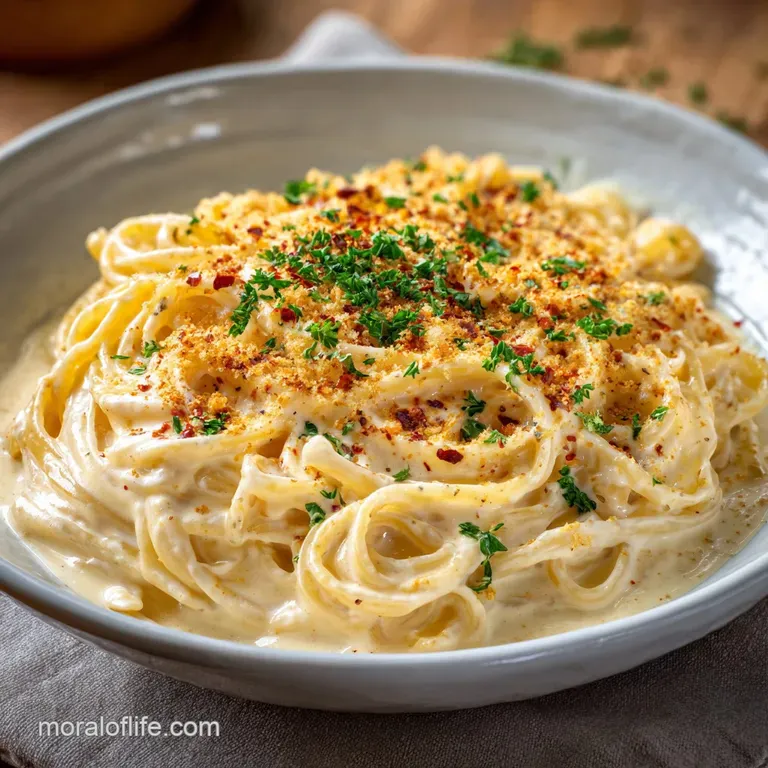
The heavy cream hits the hot pan and starts to bubble, swirling into the garlic and butter until it reaches a velvety consistency that clings to every ridge of your pasta.
This isn't your average, bland white sauce. It’s got a kick, but it’s balanced by the tang of cream cheese, which is my secret weapon for a sauce that never breaks. Whether you're a beginner or have been cooking for years, you’ll find this method works every single time without the stress of "will it or won't it" curdling.
Essential Smooth Sauce Techniques
The Alchemy of the Stable Sauce
Fat Emulsification: The addition of full fat cream cheese acts as a stabilizer, providing lecithin and proteins that prevent the butter and heavy cream from separating under high heat.
Spice Volatility: Heat triggers the release of fat soluble flavor compounds in the cajun seasoning, ensuring the spice is integrated into the liquid rather than just floating on top.
Cheese Suspension: Grating your Parmesan fresh ensures it melts at a lower temperature, preventing the gritty texture caused by the cellulose used in pre shredded bags.
Stovetop vs Oven Preparation
| Preparation Method | Total Time | Texture Outcome | Best For |
|---|---|---|---|
| Stovetop Simmer | 15 minutes | Velvety and fluid | Immediate serving over fresh pasta |
| Oven Baked (Casserole) | 35 minutes | Thick with crispy edges | Family gatherings and meal prep |
| Slow Cooker | 2 hours | Deeply infused spice | Hands off preparation during busy days |
Choosing the right method depends on your schedule. For most nights, the stovetop version is king because it preserves the delicate silkiness of the heavy whipping cream. If you prefer the oven, you'll need to add an extra splash of chicken broth to account for evaporation, much like the moisture balance required in a Sour Cream Chicken recipe to keep things tender.
Chef’s Tip: Freeze your block of Parmesan for 10 minutes before grating. It makes the cheese firmer and easier to shred into fine wisps that melt instantly into the sauce.
Recipe Specifications and Vital Numbers
When we talk about a dependable meal, precision matters. I’ve tested this with various brands and fat percentages, and the numbers below are what I’ve found to be the "golden ratio" for a sauce that isn't too thick to pour but isn't so thin it pools at the bottom of the bowl.
- Yield: 4 generous servings (about 2.5 cups of sauce)
- Ideal Temperature: Serve at 165°F for the best "cling" factor.
- Viscosity Goal: The sauce should coat the back of a metal spoon and hold a line when you run your finger through it.
If you are looking for a different profile, perhaps something more herb forward, you might enjoy the garlic heavy notes of an Alfredo and Pesto recipe, but for today, we are leaning into the smoke and heat of the Bayou.
The Complete Shopping List Breakdown
Component Analysis
| Ingredient | Science Role | Pro Secret |
|---|---|---|
| Heavy Whipping Cream | Primary Fat Source | Use at least 36% milkfat to ensure it reduces without curdling. |
| Andouille Sausage | Flavor Foundation | Brown it until a "fond" forms on the pan for deeper umami. |
| Cajun Seasoning | Aromatic Kick | Check for salt content; if high, reduce the added salt in the pasta water. |
| Full fat Cream Cheese | Stabilizing Agent | Cubing it small allows it to melt evenly without leaving white lumps. |
Ingredients & Substitutes
- 4 tbsp (56g) Unsalted Butter: Use salted if that's all you have, but skip any extra pinch of salt later.
- 3 cloves Garlic, minced (15g): Fresh is non negotiable here; jarred garlic lacks the sharp bite needed to cut through the cream.
- 1.5 tbsp (12g) Cajun Seasoning: Why this? Provides the core "soul" and heat of the entire dish.
- 0.5 tsp (1g) Smoked Paprika: Adds a vibrant red hue and a campfire smoke finish.
- 1.5 cups (360g) Heavy Whipping Cream: You can use half and half, but it will be thinner and take longer to reduce.
- 2 oz (56g) Full fat Cream Cheese: Why this? Acts as a safety net against the sauce breaking or separating.
- 0.5 cup (120g) Chicken Broth: Low sodium is best so you can control the final flavor profile.
- 1 cup (90g) Freshly Grated Parmesan: Why this? High salt and protein content thickens the sauce naturally.
- 0.25 cup (15g) Fresh Parsley: Flat leaf Italian parsley provides the best color and fresh finish.
- 8 oz (225g) Andouille Sausage: If you can't find Andouille, a spicy Kielbasa or Chorizo works well.
Required Kitchen Tools for Success
You don't need a professional kitchen to pull this off, but a few specific tools make the process smoother. I always reach for my heavy bottomed stainless steel skillet. It holds heat better than thin aluminum, which prevents the cream from scorching at the edges.
- 12 inch Skillet: Provides enough surface area for the cream to reduce quickly.
- Silicone Whisk: Essential for incorporating the cream cheese and Parmesan without scratching your pan.
- Microplane or Fine Grater: To get that Parmesan into a "snow like" consistency for instant melting.
The step-by-step Cooking Process
1. Sauté and Bloom
Place your skillet over medium heat and add the 8 oz of sliced andouille sausage. Sauté for about 4 minutes until the edges are browned and the fat has rendered. Note: This fat is liquid gold; don't drain it! Add the 4 tbsp of butter and let it melt into the sausage oil.
2. Infuse the Aromatics
Toss in the 15g of minced garlic and 12g of cajun seasoning. Stir constantly for 60 seconds until the kitchen smells like a spice market. Note: Spices are fat soluble, so this step "blooms" them, making the flavor more intense.
3. Build the Liquid Base
Pour in the 360g of heavy whipping cream and 120g of chicken broth. Bring the mixture to a gentle simmer, not a rolling boil. Note: Boiling too hard can cause the dairy proteins to tighten and grain.
4. Integrate the Stabilizer
Add the 56g of cubed cream cheese. Use your whisk to stir until the cubes are completely melted and the sauce looks uniform.
5. Reduce for Texture
Simmer the sauce for 3 to 5 minutes until it thickens enough to coat a spoon. It should look glossy and opaque.
6. The Cheese Incorporation
Remove the pan from the heat entirely. Sprinkle in the 90g of freshly grated Parmesan in three batches, whisking after each. Note: Residual heat is enough to melt the cheese; direct flame can make it stringy.
7. The Finishing Touches
Stir in the 1g of smoked paprika and half of the chopped parsley. Taste the sauce now if it's too thick, add a tablespoon of chicken broth to loosen it.
8. Combine and Serve
Toss your cooked pasta directly into the skillet. Use tongs to ensure every strand is drenched in that spicy, velvety goodness. Garnish with the remaining parsley.
Troubleshooting Common Sauce Mistakes
Why is my sauce grainy?
Graininess is the number one complaint with homemade alfredo. This usually happens for two reasons: using pre shredded cheese or adding the cheese while the sauce is boiling. Pre shredded cheese is coated in potato starch or cellulose to prevent clumping in the bag, but that starch prevents it from melting smoothly.
If you add cheese to a boiling liquid, the proteins seize up into tiny, hard clumps.
The sauce is too salty!
Cajun seasonings vary wildly in salt content. Some brands are basically flavored salt, while others are all spice. Always taste your seasoning before adding extra salt to the dish. If you find yourself with a salt bomb, don't panic.
You can often save it by adding a tiny bit more cream or a squeeze of lemon juice the acid helps mask the perception of saltiness.
| Problem | Root Cause | Solution |
|---|---|---|
| Separated/Oily Sauce | Heat was too high or sauce sat too long | Whisk in 1 tbsp of hot pasta water or heavy cream to re emulsify. |
| Sauce is too thin | Not enough reduction time | Simmer for 2 more minutes or add an extra 2 tbsp of Parmesan. |
| Muted Flavors | Spices didn't bloom in fat | Sauté a pinch of cajun seasoning in a tiny bit of butter and whisk it in. |
Common Mistakes Checklist
- ✓ Never use "shaky can" Parmesan; it will not melt and will ruin the texture.
- ✓ Ensure the cream cheese is at room temperature before adding to avoid tiny white dots.
- ✓ Don't skip the chicken broth; it provides a savory depth that cream alone can't achieve.
- ✓ Always remove the pan from the heat before adding the final cup of cheese.
- ✓ Keep a cup of pasta water handy to adjust the consistency at the very end.
Creative Flavor Variations to Explore
For a Lighter Kick
If you want the flavor without the heavy gut punch of sausage, try replacing the andouille with sautéed bell peppers and onions. This "Trinity" (onions, celery, peppers) is the backbone of many Louisiana dishes. You'll still get a great flavor profile, but it feels a bit more vibrant.
The Seafood Twist
This sauce is incredible with blackened shrimp or pan seared scallops. If you go this route, I recommend adding a squeeze of fresh lemon at the very end. The citrus cuts through the heavy cream and highlights the sweetness of the seafood. For a classic base, you can always refer back to a standard Alfredo Sauce recipe and simply add your cajun elements from there.
Budget Adjustment Guide
| Premium Ingredient | Budget Alternative | Flavor Impact |
|---|---|---|
| Andouille Sausage | Smoked Kielbasa | Slightly less spicy but still smoky. |
| Parmigiano Reggiano | Domestic Parmesan | Less nutty, but still provides the necessary salt. |
| Heavy Cream | Half and Half + 1 tsp Starch | Thinner mouthfeel but saves significant cost. |
Smart Storage and Leftover Tips
Storage Guidelines
If you have leftovers, store them in an airtight container in the fridge for up to 3 days. I don't recommend freezing this sauce. Because it's an emulsion of fat and water (cream and broth), the freezing process causes the water to turn into ice crystals, which breaks the bond.
When you thaw it, you’ll likely end up with a grainy, separated mess.
Reheating Techniques
To reheat, do not just toss it in the microwave on high. Put it in a small saucepan over low heat and add a splash of milk or chicken broth. Whisk constantly as it warms up. This "re hydrates" the sauce and brings back that velvety texture.
Zero Waste Tips
Don't throw away the Parmesan rinds! Toss them into a freezer bag. The next time you make a soup or a slow cooked sauce, like in a Chile Colorado Recipe, drop the rind in while it simmers. It adds a massive boost of umami and salt that makes any broth taste like it's been cooking for days.
Serving Ideas and Perfect Complements
This sauce is bold, so you want sides that can either stand up to the heat or cool things down. A simple, crisp green salad with a vinaigrette is the perfect palate cleanser between bites of heavy pasta.
- Bread: A crusty baguette or garlic bread is essential for mopping up the extra sauce at the bottom of the plate.
- Vegetables: Roasted broccoli or asparagus with lemon zest provides a nice crunch and acidity to balance the cream.
- Wine Pairing: Look for a high acid white wine like a Chenin Blanc or a dry Riesling. The acidity cuts right through the fat of the cream and the spice of the cajun seasoning.
If you are planning a larger dinner party and need to figure out quantities, remember that this recipe as written serves 4. If you're doubling it, increase the spices to 1.5x rather than a full 2x to ensure the heat doesn't become overwhelming for guests with milder palates.
Decision Shortcuts
- If you want it spicier, add 1/4 tsp of cayenne pepper during the blooming stage.
- If you want it thicker, let the cream reduce for an extra 3 minutes before adding cheese.
- If you want it creamier, increase the cream cheese to 3 oz for an ultra thick consistency.
Debunking Sauce Myths
One major misconception is that you need flour to thicken an alfredo sauce. While a roux (flour and fat) is great for gravies, a true alfredo relies on the reduction of cream and the addition of cheese for its thickness.
Adding flour often leads to a "pasty" mouthfeel that masks the bright spices of the cajun seasoning.
Another myth is that you can't use cold cream. While it’s true that room temperature ingredients incorporate more easily, as long as you are simmering the sauce and whisking properly, cold heavy cream will work just fine.
The real danger is the temperature of the cheese keep that away from boiling liquids at all costs!
Finally, many people think you have to use a specific pasta shape. While Fettuccine is the classic choice, I actually prefer Penne or Rigatoni for this sauce. The hollow centers act like little straws, trapping the andouille infused cream inside every bite.
It’s a game changer for anyone who loves a high sauce to pasta ratio. Enjoy the process and remember cooking is just as much about the sizzle in the pan as it is about the flavor on the plate!
Very High in Sodium
1245 mg mg of sodium per serving (54% of daily value)
The American Heart Association recommends limiting sodium intake to about 2,300mg per day for overall health.
Sodium Reduction Tips
-
Low-Sodium Broth-30%
Replace regular chicken broth with low-sodium or no-salt added chicken broth. This can significantly reduce the sodium content.
-
Reduce Andouille-25%
Use half the amount of andouille sausage or substitute it with a lower sodium alternative like roasted chicken or mushrooms to reduce sodium from processed meat.
-
Less Parmesan-15%
Reduce the amount of parmesan cheese by half (0.5 cup or 45g instead of 1 cup or 90g). Parmesan is high in sodium; using less will help.
-
Control Cajun Seasoning-15%
Use a reduced sodium cajun seasoning, make your own salt free version, or significantly reduce the amount used. Consider adding extra smoked paprika, garlic, and other herbs to compensate for flavor.
-
Fresh Herbs & Spices
Enhance the flavor with fresh herbs like basil, oregano, and thyme, or spices such as black pepper and red pepper flakes. These can add depth and complexity without adding sodium.
Recipe FAQs
Can I add Cajun seasoning to Alfredo sauce?
Yes, absolutely, that's the point. Adding Cajun seasoning is what transforms a standard Alfredo into this spicy, restaurant style dish. You must bloom the spices in the fat (butter/sausage drippings) first to unlock their full flavor potential.
What are the ingredients in Cajun cream sauce?
The core ingredients are heavy cream, Parmesan cheese, garlic, and Cajun seasoning. Many successful versions, including this one, also incorporate cream cheese for stability and smoked sausage (like Andouille) for a smoky flavor base.
How do you make a cajun sauce for pasta?
Sauté smoked meat, bloom the spices, then simmer the cream. Start by rendering Andouille sausage fat, then cook garlic and Cajun seasoning in that fat before slowly whisking in heavy cream and chicken broth until slightly reduced.
What is Cajun Alfredo pasta?
It is classic Alfredo sauce infused with the heat and smoky depth of Cajun spices. This variation typically features smoky sausage and bold seasoning profiles that contrast nicely with the richness of the cream, offering a much bolder flavor profile than traditional versions.
Is it true you must use heavy cream or the sauce will break?
No, this is a common misconception, but heavy cream is highly recommended. While you can substitute with half and-half, it thins out significantly and requires much longer reduction time; the extra fat in heavy cream ensures a stable emulsion when you add the cheese.
Why is my finished Cajun Alfredo sauce grainy instead of velvety?
Graininess is caused by adding cheese when the liquid is boiling too vigorously. The heat seizes the proteins in the Parmesan, causing it to clump; always remove the sauce from the heat before whisking in the grated cheese.
What is the best pasta shape for catching this thick, spicy sauce?
Rigatoni or Penne pasta works best for maximizing sauce-to-pasta ratio. The tubes and ridges of these shapes hold the velvety sauce and bits of sausage beautifully, ensuring every forkful has a perfect balance of flavor.
Cajun Alfredo Sauce Recipe
Ingredients:
Instructions:
Nutrition Facts:
| Calories | 749 kcal |
|---|---|
| Protein | 21.2 g |
| Fat | 71 g |
| Carbs | 5.5 g |
| Fiber | 0.8 g |
| Sugar | 3.1 g |
| Sodium | 1245 mg |
