Traditional Chinese Dumplings Recipe
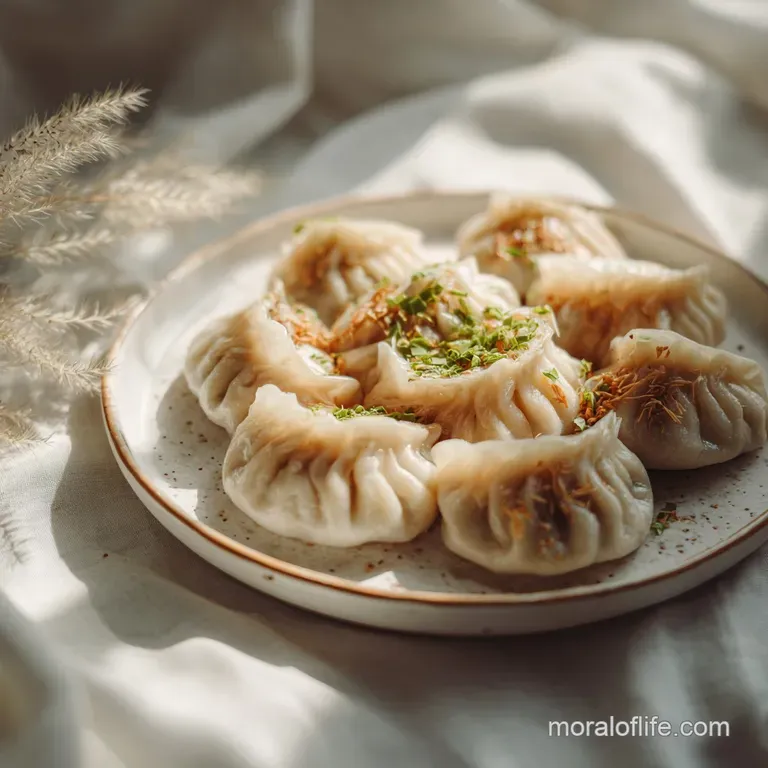
- Time: Active 45 minutes, Passive 15 minutes, Total 1 hour
- Flavor/Texture Hook: Savory, ginger spiked pork in a velvety, tender wrapper
- Perfect for: Weeknight family dinners or beginner friendly meal prep
- Reliable Homemade Chinese Dumplings Recipe from Scratch
- The Science of the Snap
- Precision Planning for Busy Cooks
- Essential Staples for Reliable Flavor
- Simple Tools for Perfect Folds
- Step-by-Step for Golden Results
- Common Hiccups and Quick Fixes
- Scaling for a Crowd
- Dietary Swaps for Every Guest
- Myth: You Must Use Boiling Water
- Myth: Dumplings Should Be Symmetrical
- Safe Storage and Zero Waste
- Serving Suggestions for Weeknight Comfort
- Chinese Dumplings Recipe FAQs
- 📝 Recipe Card
Reliable Homemade Chinese Dumplings Recipe from Scratch
I still remember the first time I tried making these on a whim. The kitchen was a disaster, flour was everywhere, and honestly, the first batch looked more like lumpy meatballs than elegant parcels.
I’d rushed the dough and skipped the step of squeezing the cabbage, which led to a watery mess that soaked right through the wrappers. It was a classic "Pinterest fail" moment that almost made me give up on the idea of homemade comfort.
But I'm stubborn, so I tried again the following week with a bit more patience. I discovered that the magic isn't in some secret, fancy ingredient, but in the resting time of the dough. When you let that gluten relax, the wrappers become supple and easy to pleat.
Now, this chinese dumplings recipe is a dependable staple in our house, something we can pull together for a normal Tuesday night without any stress.
We're going to walk through this together so you can skip the mistakes I made. You'll get that satisfying sizzle in the pan and that specific, aromatic steam that fills the house when the ginger and garlic hit the heat. It’s about creating a meal you can repeat with confidence every single time.
The Science of the Snap
Osmotic Regulation: Salting and squeezing the napa cabbage removes excess moisture that would otherwise make the dough soggy during the steaming process.
Protein Cross linking: Mixing the pork vigorously in one direction develops myosin, which creates a bouncy, cohesive texture rather than a crumbly meat filling.
| Thickness of Wrapper | Internal Temp | Rest Time | Visual Cue |
|---|---|---|---|
| 2 mm (edges thinner) | 71°C (160°F) | 5 minutes | Wrapper looks translucent and matte |
| 3 mm (rustic style) | 71°C (160°F) | 8 minutes | Filling feels firm when pressed |
| 1 mm (delicate) | 71°C (160°F) | 3 minutes | Pleats stay sharp and defined |
I've found that keeping the center of the wrapper slightly thicker than the edges is the best way to prevent the bottom from tearing. If you’re looking for other ways to round out a big family meal, this dish pairs wonderfully with the flavors found in a Puerto Rican Rice recipe, providing a nice textural contrast.
Precision Planning for Busy Cooks
When we talk about a dependable chinese dumplings recipe, we have to talk about timing. You don't want to be standing over the stove for three hours. The key is to prep the filling while the dough is resting. This 30 minute window is your best friend.
It allows the flour to fully hydrate, which means you won't be fighting the dough when it comes time to roll.
Chef Tip: Freeze your fresh ginger for 10 minutes before grating. It makes the fibers much easier to break down, so you get a smooth paste rather than woody chunks in your filling.
Developing Dough with Hydration
Hydration is everything here. We're using 210ml of water for 400g of flour. This specific ratio creates a medium firm dough that is forgiving for beginners. If the air in your kitchen is particularly dry, you might need an extra teaspoon of water, but start with the 210ml and trust the process.
Emulsifying for Maximum Juiciness
Juiciness in a dumpling comes from the fat and the liquid seasoning being properly incorporated into the meat. When you add the 2 tbsp of soy sauce and 1 tbsp of sesame oil, don't just stir them in. You want to beat the meat mixture until it looks almost like a thick paste.
This ensures the juices stay trapped inside the wrapper instead of leaking out.
Essential Staples for Reliable Flavor
| Ingredient | Science Role | Pro Secret |
|---|---|---|
| All purpose flour (400g) | Provides gluten structure | Use filtered water for a cleaner dough taste |
| Ground pork (1 lb) | Main protein and fat source | Choose "lean" but ensure some white fat is visible |
| Napa cabbage (2 cups) | Adds bulk and moisture | Squeeze until it feels like dry paper |
For the dough, you'll need that 400g of all purpose flour and 0.5 tsp of sea salt. If you're out of sea salt, table salt works, though it's a bit more "sharp" in flavor. The 210ml of water should be room temperature; hot water makes a softer dough that's harder for beginners to handle.
The filling is where the personality lives. You'll need that 1 lb of lean ground pork, which provides the hearty base. To brighten it up, we use 1 tbsp of grated ginger and 3 cloves of minced garlic. The 4 stalks of scallions add a mild onion bite that isn't overwhelming.
For seasoning, the 2 tbsp of low sodium soy sauce and 1 tbsp of toasted sesame oil bring that classic umami depth. Don't skip the 0.5 tsp of white pepper; it has a floral heat that black pepper just can't replicate.
For the Handmade Dough
- 400g all purpose flour: The backbone of the wrapper. Why this? AP flour has the right protein content for elasticity.
- 210ml filtered water: Hydrates the flour.
- 0.5 tsp sea salt: Strengthens the gluten bonds.
Healthy Vegetable Base Filling
- 2 cups napa cabbage: Finely minced. Why this? It provides a soft crunch and absorbs the pork juices.
- 1 tbsp fresh ginger: Grated finely.
- 3 cloves garlic: Minced into a paste.
- 4 stalks scallions: Finely chopped for freshness.
Choose Your Favorite Protein
- 1 lb lean ground pork: The traditional choice for this chinese dumplings recipe.
- 2 tbsp low sodium soy sauce: Adds salt and depth.
- 1 tbsp toasted sesame oil: Provides an aromatic, nutty finish.
- 0.5 tsp white pepper: Adds a subtle, warm tingle.
Simple Tools for Perfect Folds
You don't need a kitchen full of gadgets for a successful chinese dumplings recipe. A simple rolling pin is great, but honestly, I've used a clean wine bottle in a pinch and it worked perfectly.
A large mixing bowl is essential for the filling, and a damp kitchen towel is your most important tool for keeping the dough from drying out while you work.
If you have a cast iron skillet, that's my preferred way to cook these. The heavy bottom provides an even, consistent heat that creates that beautiful golden brown crust. If you're using a stainless steel pan, just be sure to use enough oil so the wrappers don't stick and tear when you try to flip them.
step-by-step for Golden Results
- Mix the dough. Combine 400g flour, 0.5 tsp salt, and 210ml water in a bowl. Note: Stir until a shaggy ball forms.
- Knead the dough. Transfer to a flat surface and knead for 8 minutes until the surface is smooth and elastic.
- Rest the dough. Cover with a damp cloth and let sit for 30 minutes. Note: This relaxes the gluten for easier rolling.
- Prep the cabbage. Toss 2 cups minced napa cabbage with a pinch of salt, let sit for 10 minutes, then squeeze out every drop of water.
- Mix the filling. Combine pork, ginger, garlic, scallions, soy sauce, sesame oil, and white pepper. Stir in one direction for 3 minutes.
- Shape the wrappers. Divide dough into 40 pieces and roll each into a 3 inch circle. Note: Keep the center slightly thicker than the edges.
- Fill and fold. Place 1 tbsp of filling in the center and pleat the edges to seal. Ensure there are no air bubbles trapped inside.
- Heat the pan. Add 1 tbsp oil to a skillet over medium heat. Heat until the oil shimmers slightly.
- Sear the bottoms. Place dumplings in the pan and cook for 2 minutes until the bottoms are golden and shatter crisp.
- Steam to finish. Add 60ml water to the pan, cover immediately, and cook for 6 minutes until the water has evaporated and the pork is cooked through.
| Original Ingredient | Substitute | Why It Works |
|---|---|---|
| Ground Pork (1 lb) | Ground Chicken (1 lb) | Similar texture. Note: Chicken is leaner; add 1 tsp extra oil. |
| Napa Cabbage (2 cups) | Green Cabbage (2 cups) | Same crunch. Note: Harder texture; mince more finely. |
| Soy Sauce (2 tbsp) | Tamari (2 tbsp) | Same salty umami. Note: Perfect for making the filling gluten-free. |
Common Hiccups and Quick Fixes
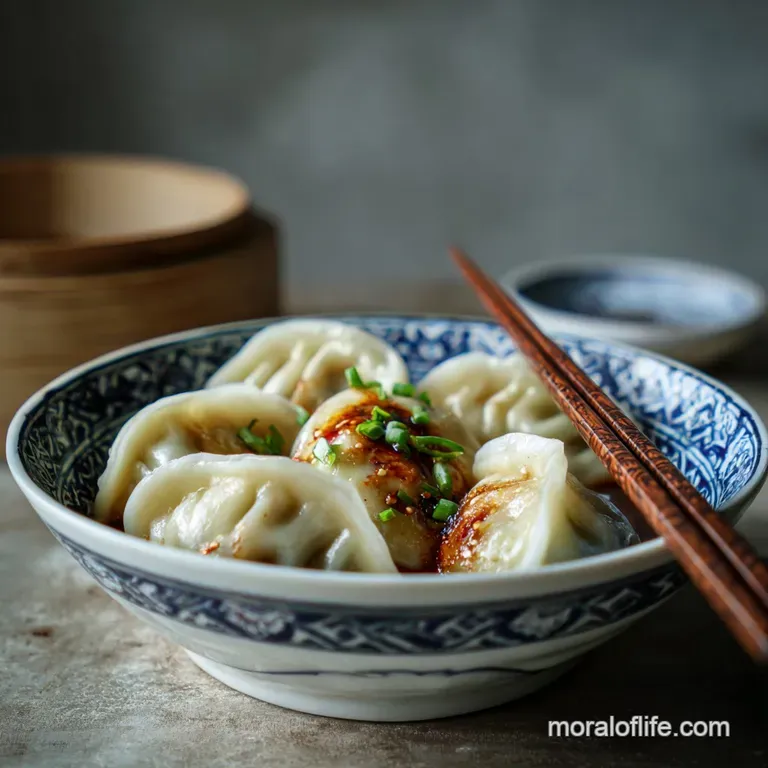
One mistake I once made was overcrowding the pan. I thought I could save time by jamming thirty dumplings into one skillet. They all stuck together and the steam couldn't circulate, so I ended up with a giant, doughy pancake instead of individual crispy bites.
Now, I always leave at least a centimeter of space between them.
Preventing Burst Dumpling Seams
If your dumplings are bursting open in the pan, it's usually because the edges of the wrappers were too floury. When you roll them out, try to use as little flour as possible on the edges. If they won't stick, dip your finger in a little water and run it along the rim before sealing.
Fixing Tough Dough Wrappers
Tough wrappers usually happen when the dough hasn't rested long enough or was over kneaded without enough hydration. If you find the dough is snapping back when you try to roll it, just cover it and walk away for another 15 minutes. Time is the only thing that will fix a stubborn dough.
| Problem | Root Cause | Solution |
|---|---|---|
| Filling is dry | Not enough fat or mixing | Add 1 tbsp water and stir more vigorously next time |
| Soggy bottoms | Too much water in cabbage | Squeeze cabbage in a cheesecloth or clean tea towel |
| Wrappers are gummy | Under cooked or too much water | Increase steam time by 2 minutes and vent the lid |
Common Mistakes Checklist
- ✓ Never skip the 30 minute dough rest (it prevents the dough from being rubbery).
- ✓ Squeeze the cabbage until it's remarkably dry (watery filling ruins the wrapper).
- ✓ Stir the filling in only one direction (this builds the "bounce").
- ✓ Don't overfill the wrappers (1 tablespoon is plenty for a 3 inch circle).
- ✓ Use a non stick or well seasoned cast iron to prevent sticking.
Scaling for a Crowd
If you're making this for a large family gathering, you'll want to double the batch. When doubling the dough, you can use the same ratios, but be prepared to knead for a few minutes longer since there's more mass to work through.
For the filling, you can go up to 2 lbs of pork, but keep the ginger and garlic at 1.5x the original amount so they don't become too aggressive.
When scaling down for just one or two people, it's actually easier to make the full batch of filling and wrappers, then freeze what you don't use. Cutting the dough recipe in half is fine, but measuring out 105ml of water can be a bit finicky.
It’s better to have a few extra dumplings in the freezer for a quick meal later.
| Cook Method | Time | Texture | Best For |
|---|---|---|---|
| Stovetop (Pan Fry) | 8-10 minutes | Crispy bottom, tender top | Maximum flavor contrast |
| Oven (Steam Bake) | 15-18 minutes | Uniformly soft and chewy | Large batches at once |
| Stovetop (Boil) | 5-7 minutes | Silky and slippery | Soup dumplings or cold salads |
Dietary Swaps for Every Guest
If you have friends who don't eat pork, ground chicken or turkey is a dependable substitute. Just remember that poultry is often leaner than pork, so I like to add an extra teaspoon of sesame oil to the mix to keep things moist.
For a vegetarian version, you can swap the pork for finely chopped shiitake mushrooms and firm tofu. Just make sure to brown the mushrooms first to get rid of their moisture.
For those watching their sodium, you can use coconut aminos instead of soy sauce. It has a slightly sweeter profile, but it still gives that dark, savory look to the filling. If you're looking for another crowd pleaser that's easy to adapt, my Sour Cream Chicken recipe is a great option for a different night.
Making a gluten-free Option
Creating a gluten-free wrapper is a bit more advanced because you lose the elasticity of the wheat. You'll need a blend of rice flour and tapioca starch. The dough will be more like playdough and less like elastic, so you'll need to press the wrappers out rather than rolling them.
Myth: You Must Use Boiling Water
Many people believe you need boiling water for the dough to make it "authentic." While hot water dough is great for certain styles, room temperature water is much more dependable for pan frying. It creates a wrapper with more structural integrity that can handle the heat of the skillet without turning into mush.
Myth: Dumplings Should Be Symmetrical
There is a misconception that if your pleats aren't perfect, the dumpling will fail. This isn't true. As long as the edges are sealed tight with no air pockets, your dumpling will taste exactly the same. Don't let the "pretty" versions on social media stop you from enjoying a home cooked meal.
Safe Storage and Zero Waste
Storage: You can keep uncooked dumplings in the fridge for up to 4 hours, but any longer and the dough will start to get soggy from the filling. Cooked leftovers will last in an airtight container for 3 days.
To reheat, I recommend a quick toss in a hot pan with a drop of oil to bring back the crispiness.
Freezing: This is the best way to handle leftovers. Place uncooked dumplings on a parchment lined tray so they aren't touching. Freeze until solid, then transfer to a freezer bag. They'll stay fresh for 3 months. Cook them straight from frozen by adding 2 extra minutes to the steaming time.
Zero Waste: If you have leftover filling, it makes an incredible "egg roll in a bowl" or a savory topping for rice. Leftover dough scraps can be rolled out thin, sliced into ribbons, and boiled as fresh noodles.
Even the cabbage cores don't have to go to waste; they add a great crunch to a quick stir fry.
Serving Suggestions for Weeknight Comfort
The best part of this chinese dumplings recipe is the dipping sauce. I like to keep it simple with a mix of soy sauce, black vinegar, and a drizzle of chili oil. If you want something a bit creamier, you can even experiment with something like a Fried Pickle Dipping Sauce recipe for a fun fusion twist, though the traditional vinegar base is hard to beat.
Serve these on a big platter in the middle of the table and let everyone dive in. They are best eaten while they're still steaming hot, right out of the pan. There's something so satisfying about the sound of that crispy bottom being broken.
It's the kind of meal that turns a normal Tuesday into something that feels a bit more special, without all the fuss of a fancy dinner. Enjoy the process, don't worry about the mess, and definitely don't forget the extra chili oil!
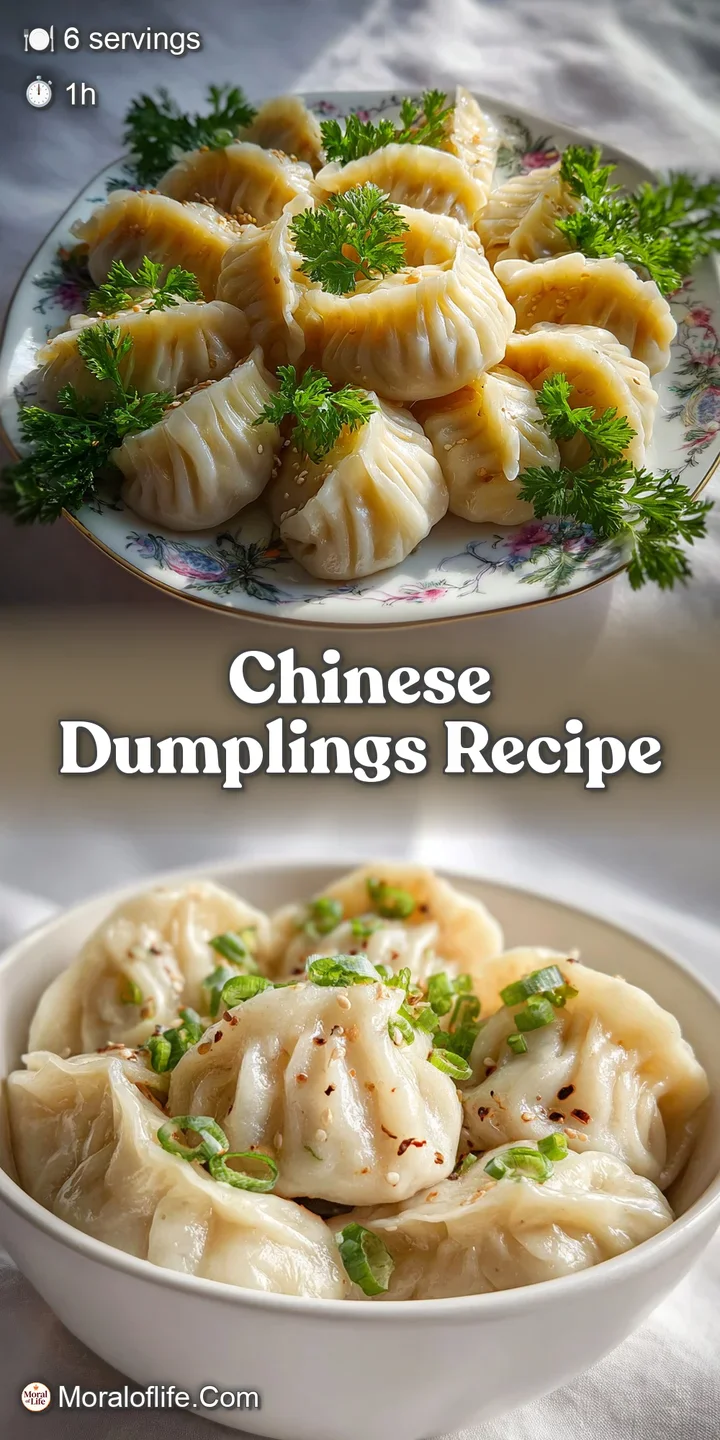
Chinese Dumplings Recipe FAQs
What are the ingredients in Chinese dumplings?
Core ingredients include all-purpose flour, water, and salt for the wrappers, and ground pork, napa cabbage, ginger, garlic, scallions, soy sauce, sesame oil, and white pepper for the filling. The exact ratios and types of ingredients can vary slightly, but this forms the classic foundation.
What's the secret to good dumplings?
The secret lies in proper dough hydration and resting, plus thoroughly squeezing moisture from the cabbage. Letting the dough rest relaxes the gluten, making it pliable and easy to work with. Removing excess water from the cabbage prevents a soggy filling that can tear the wrappers.
What are the ingredients for dumplings?
For the dough, you'll need all-purpose flour, water, and salt. The filling typically uses ground pork, finely minced napa cabbage, grated ginger, minced garlic, chopped scallions, soy sauce, toasted sesame oil, and white pepper. You can explore other flavor profiles or proteins for variations.
What's the difference between a potsticker and a dumpling?
Potstickers are a type of dumpling, specifically pan-fried dumplings. While "dumpling" is a broad term for a filling wrapped in dough, "potsticker" refers to the cooking method, where they are seared on the bottom for a crispy crust and then steamed. If you enjoy the crispy texture, you might also like our Fried Apples Recipe in 25 Minutes | Skillet Apples.
How do I prevent my dumpling wrappers from tearing?
Ensure your dough is adequately rested and that the wrappers are rolled with a slightly thicker center. Overworking or under resting the dough can make it tough and prone to tearing. Keeping the center of the wrapper a bit thicker than the edges provides a stronger base for the filling.
What's the best way to fold dumplings for beginners?
Start with a simple half moon fold, pressing firmly to seal the edges. Place about a tablespoon of filling in the center of the wrapper, moisten the edges of half the wrapper with water, then fold it over to create a semi circle, pressing out any air bubbles.
You can then add pleats if you feel comfortable, but a secure seal is the most important part.
Can I make dumplings ahead of time?
Yes, uncooked dumplings can be frozen for future use. Arrange them in a single layer on a parchment lined baking sheet and freeze until solid, then transfer to a freezer bag. Cook them directly from frozen, adding a few extra minutes to the cooking time. For another slow cooked option, consider our Chile Colorado Recipe: Authentic Slow Cooker.
Chinese Dumplings Recipe
Ingredients:
Instructions:
Nutrition Facts:
| Calories | 511 kcal |
|---|---|
| Protein | 25.5 g |
| Fat | 16.3 g |
| Carbs | 61.6 g |
| Fiber | 3.2 g |
| Sugar | 1.4 g |
| Sodium | 355 mg |
