Coconut Curry Shrimp Recipe with Silky Broth
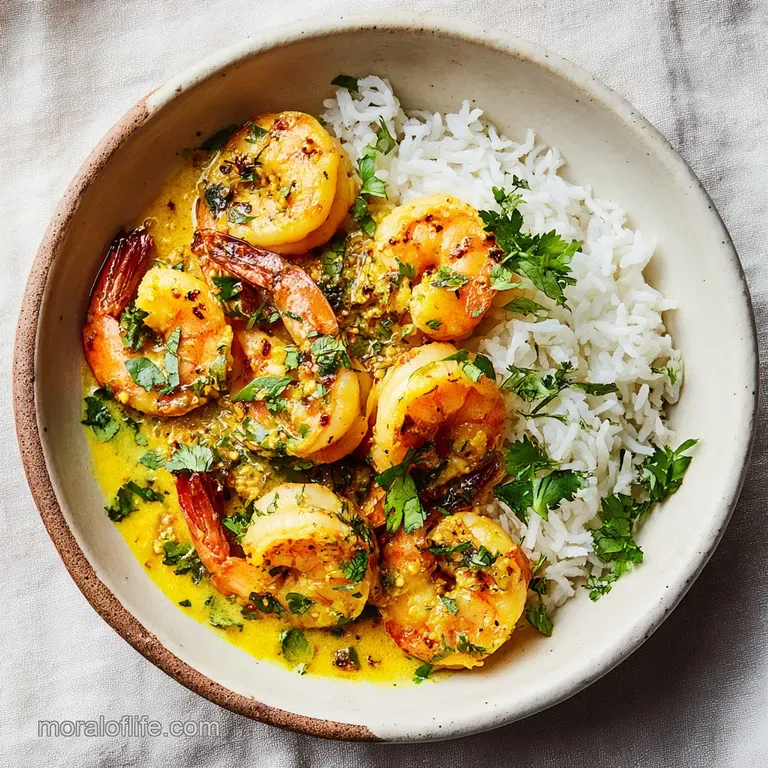
- Time: Active 15 minutes, Passive 10 minutes, Total 25 minutes
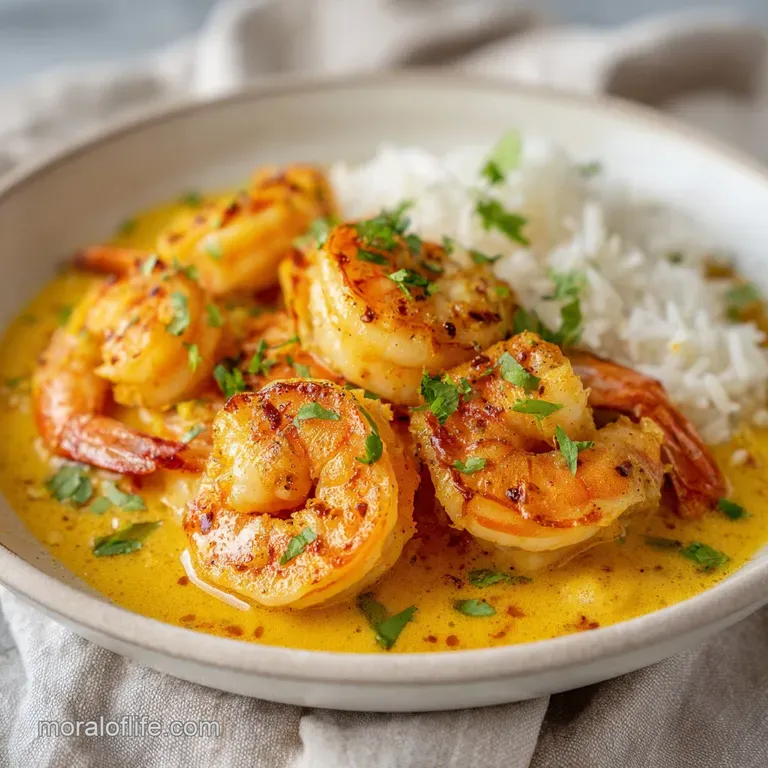
- Flavor/Texture Hook: Silky coconut broth with snap tender shrimp
- Perfect for: Impressive weeknight dinners or flavor obsessed meal prep
- Mastering This Coconut Curry Shrimp Recipe
- Science of the Aromatic Bloom
- Recipe Specs and Timing
- Selecting Your Pantry Staples
- Essential Tools for Success
- Layering Flavors Step By Step
- Solving Common Cooking Hurdles
- Exploring Regional Curry Variations
- Storage and Reheating Guidelines
- Finishing Touches for Presentation
- Recipe FAQs
- 📝 Recipe Card
Mastering This Coconut Curry Shrimp Recipe
The first time I smelled lemongrass hitting a hot pan, I knew my kitchen would never be the same. There is this specific, citrusy floral sizzle that happens when you bruise the stalk and toss it into shimmering oil. It’s not just a smell; it’s an atmosphere.
I remember standing over my stove on a rainy Tuesday, feeling completely uninspired, until that aroma filled the room and suddenly I was transported to a tiny beachside shack I visited years ago.
You know that feeling when you crave something bold but don't want to spend three hours standing over a pot? That is where this dish shines. We are talking about shrimp that "pop" when you bite them and a sauce so velvety you will want to drink it with a straw.
I have made the mistake of using low-fat coconut milk before, and trust me, just don't do it. We want that full fat richness to carry the heat of the chili flakes and the earthiness of the turmeric.
Science of the Aromatic Bloom
Fat Soluble Extraction: Many flavor compounds in curry powder and turmeric are fat soluble, meaning they only release their full aromatic potential when toasted in oil.
Emulsion Stability: The natural proteins in shrimp combine with the medium chain triglycerides in coconut milk to create a stable, creamy sauce that clings to the ingredients.
| Cooking Method | Active Time | Resulting Texture | Best For |
|---|---|---|---|
| Stovetop Skillet | 10 mins | Snappy shrimp, thick sauce | Authentic sear and speed |
| Instant Pot | 3 mins | Very tender shrimp | Hands off convenience |
| Slow Cooker | 2 hours | Deeply infused broth | Developing complex spice notes |
Using a stovetop skillet is my personal favorite because it allows for that beautiful Maillard reaction on the aromatics. If you decide to go the slow cooker route, just remember that shrimp cook incredibly fast you only want to add them in the last few minutes to avoid the dreaded rubbery texture.
Recipe Specs and Timing
Success in the kitchen often comes down to timing, especially with seafood. Shrimp are notorious for going from "just right" to "overcooked tire" in about thirty seconds. This recipe moves fast once you start the heat, so having everything chopped and ready is your biggest win.
- Prep work:15 minutes (mostly chopping and peeling)
- Active cooking:10 minutes
- Resting time:2 minutes (to let the sauce thicken)
- Yield: 4 generous servings
Chef Tip: Freeze your shrimp for 10 minutes before peeling; the slight firming makes the shells slide right off without tearing the delicate meat.
Selecting Your Pantry Staples
Building layers of flavor requires starting with the right building blocks. For this Coconut Curry Shrimp Recipe, the quality of your coconut milk and curry powder dictates the entire outcome.
- 1.5 lbs Large Shrimp: Peeled and deveined. Why this? Large shrimp stay juicy longer than small ones during the over high heat sear.
- 13.5 oz Full fat coconut milk: Provides the creamy base. Why this? Essential for a velvety mouthfeel that low-fat versions can't replicate.
- 1 stalk Lemongrass: Bruised to release oils. Why this? Adds a complex citrus note that lemon juice alone lacks.
- 2 tbsp Yellow curry powder: The main spice profile. Why this? Offers a mild, earthy heat that pairs perfectly with sweet coconut.
- 1 tbsp Fish sauce: The secret umami bomb. Why this? Provides saltiness and depth that grounds the brighter flavors.
- 1 tbsp Brown sugar: Balances the acidity. Why this? Helps caramelize the aromatics and softens the curry's punch.
- 1 small Yellow onion: Finely diced for the base.
- 1 Red bell pepper: Thinly sliced for crunch.
- 3 cloves Garlic: Minced.
- 1 tbsp Fresh ginger: Grated.
- 1 tsp Ground turmeric: For color and anti inflammatory properties.
- 0.5 tsp Chili flakes: Adjust to your heat preference.
| Component | Role in Dish | Pro Secret |
|---|---|---|
| Lemongrass | Fragrance | Use the back of a knife to smash it before adding to the pan |
| Fish Sauce | Umami | Don't smell it straight from the bottle; it transforms in the heat |
| Shrimp | Protein | Pat them bone dry with paper towels to get a better sear |
Always try to find a high-quality yellow curry powder that hasn't been sitting in your cupboard for three years. Spices lose their volatile oils over time, leaving you with a dusty flavor instead of a bold one. If you want to expand your pantry skills, you might find similar flavor balancing techniques in an Empanada Dough Recipe where fat and moisture ratios are key.
Essential Tools for Success
You don't need a mountain of equipment to pull this off, but a few specific items make the process much smoother. A large, heavy bottomed skillet or a wok is your best friend here.
- Heavy Skillet: Cast iron or stainless steel works best for even heat distribution.
- Microplane: For grating that fresh ginger into a fine paste.
- Wooden Spoon: Great for scraping up the "fond" (the brown bits) after blooming the spices.
- Chef's Knife: You'll need this for the fine dice on the onion and pepper.
If you find yourself making a lot of quick seafood dishes, these tools are indispensable. They are the same ones I reach for when whipping up a High Protein Honey Garlic recipe on those nights when I need dinner on the table in fifteen minutes.
Layering Flavors step-by-step
The Aromatic Base
Start by heating your 2 tbsp of neutral oil over medium high heat. Once it shimmers, add the finely diced yellow onion and sliced red bell pepper. Sauté for about 3-4 minutes until the onion is translucent and the pepper starts to soften.
Note: We want the peppers to keep a bit of their snap, so don't let them turn to mush.
Blooming the Spice Profile
Add the 3 cloves of minced garlic, 1 tbsp grated ginger, and the bruised lemongrass stalk. Stir constantly for 1 minute. Now, sprinkle in the 2 tbsp curry powder, 1 tsp turmeric, and 0.5 tsp chili flakes.
Cook for 45 seconds until the room smells like a spice market.Note: This "blooming" step is what prevents the curry from tasting "raw" or grainy.
Creating the Velvety Emulsion
Pour in the 13.5 oz of full fat coconut milk. Use your spoon to scrape any spices stuck to the bottom of the pan. Stir in the 1 tbsp fish sauce and 1 tbsp brown sugar. Bring the mixture to a gentle simmer until small bubbles break the surface.
Poaching to Succulent Perfection
Add the 1.5 lbs of shrimp in a single layer. Season with the 0.5 tsp sea salt and 0.25 tsp black pepper. Cook for about 2-3 minutes per side. Watch for the shrimp to turn opaque and curl into a "C" shape.
The Final Flourish
Remove the pan from the heat. Squeeze in the juice of one lime and stir in a handful of fresh cilantro. The lime juice provides a necessary acidic "cut" to the heavy coconut milk. Give it a quick taste if it needs more salt, add a tiny splash more fish sauce.
| Original Ingredient | Substitute | Why It Works |
|---|---|---|
| Fish Sauce | Soy Sauce (1:1) | Provides salt and umami. Note: Lacks the fermented funky depth. |
| Lemongrass | Lemon Zest (1 tbsp) | Gives the citrus aroma. Note: Missing the woody, floral notes. |
| Brown Sugar | Honey or Maple Syrup | Adds sweetness to balance heat. Note: Honey adds its own floral flavor. |
Solving Common Cooking Hurdles
Even with the best intentions, things can go sideways. The most common issue I see is a sauce that separates or "breaks," usually because it was boiled too aggressively.
Why Your Sauce Separated
If your sauce looks oily or curdled, the coconut milk emulsion has broken. This usually happens if you boil the sauce on high heat for too long. To fix this, turn the heat down to low and whisk in a tablespoon of room temperature coconut milk or a splash of water to bring it back together.
Why Your Shrimp Is Rubbery
If the shrimp are tough and small, they stayed in the pan too long. Remember, they will continue to cook slightly in the residual heat of the sauce even after you turn off the stove. Pull them off the heat the second they lose their transparency.
| Problem | Root Cause | Solution |
|---|---|---|
| Thin Sauce | Too much moisture from veggies | Simmer for 3 extra mins before adding shrimp |
| Bitter Flavor | Spices burned during blooming | Keep heat at medium and stir spices constantly |
| Dull Color | Old turmeric or curry powder | Add a fresh pinch of turmeric at the end |
Common Mistakes Checklist
- ✓ Forget to pat the shrimp dry (extra water dilutes the sauce).
- ✓ Boiling the coconut milk on high (causes the fat to separate).
- ✓ Using pre peeled shrimp that have been treated with phosphates (they won't sear properly).
- ✓ Adding the lime juice too early (the heat can make the citrus flavor turn bitter).
- ✓ Overcrowding the pan (this steams the shrimp instead of searing them).
Exploring Regional Curry Variations
One of the coolest things about this Coconut Curry Shrimp Recipe is how easily it adapts to different global traditions. While this version leans toward a Thai inspired profile with the lemongrass and fish sauce, you can pivot easily.
Jamaican Style Variations
To make a Jamaican Coconut Curry Shrimp, swap the lemongrass for fresh thyme and add a whole scotch bonnet pepper (keep it whole so it doesn't blow your head off with heat). The spice blend often leans more heavily on allspice and thyme, giving it a Caribbean soul that is incredibly comforting.
Indian Flavor Profiles
For an Indian style variation, you might start with a "tadka" of mustard seeds and curry leaves in the oil. Replace the fish sauce with extra salt or a bit of tamarind paste for tang. This version is usually earthier and less sweet than its Southeast Asian cousins.
If you are looking for a dessert to follow these bold spices, a Mango Sticky Rice recipe is the ultimate palate cleanser. The sweetness of the mango and the creamy rice mirror the coconut notes in the shrimp perfectly.
Storage and Reheating Guidelines
Shrimp is best enjoyed fresh, but leftovers can still be a treat if handled with care. The flavors actually deepen overnight as the spices continue to mingle in the fridge.
- Fridge: Store in an airtight container for up to 2 days.
- Freezer: I don't recommend freezing the finished dish, as coconut milk can grain up and shrimp turn mushy when thawed.
- Reheating: Do not use the microwave! It will turn your shrimp into rubber pellets. Instead, warm it in a small saucepan over low heat just until the sauce is liquid and the shrimp are warm through.
Zero Waste Kitchen Tips
Don't throw away those lemongrass tops! The woody green parts that you trim off can be simmered in water to make a fragrant tea or used as a poaching liquid for fish later in the week.
Also, if you have leftover cilantro stems, chop them finely and add them to the onion sauté they have more flavor than the leaves!
Finishing Touches for Presentation
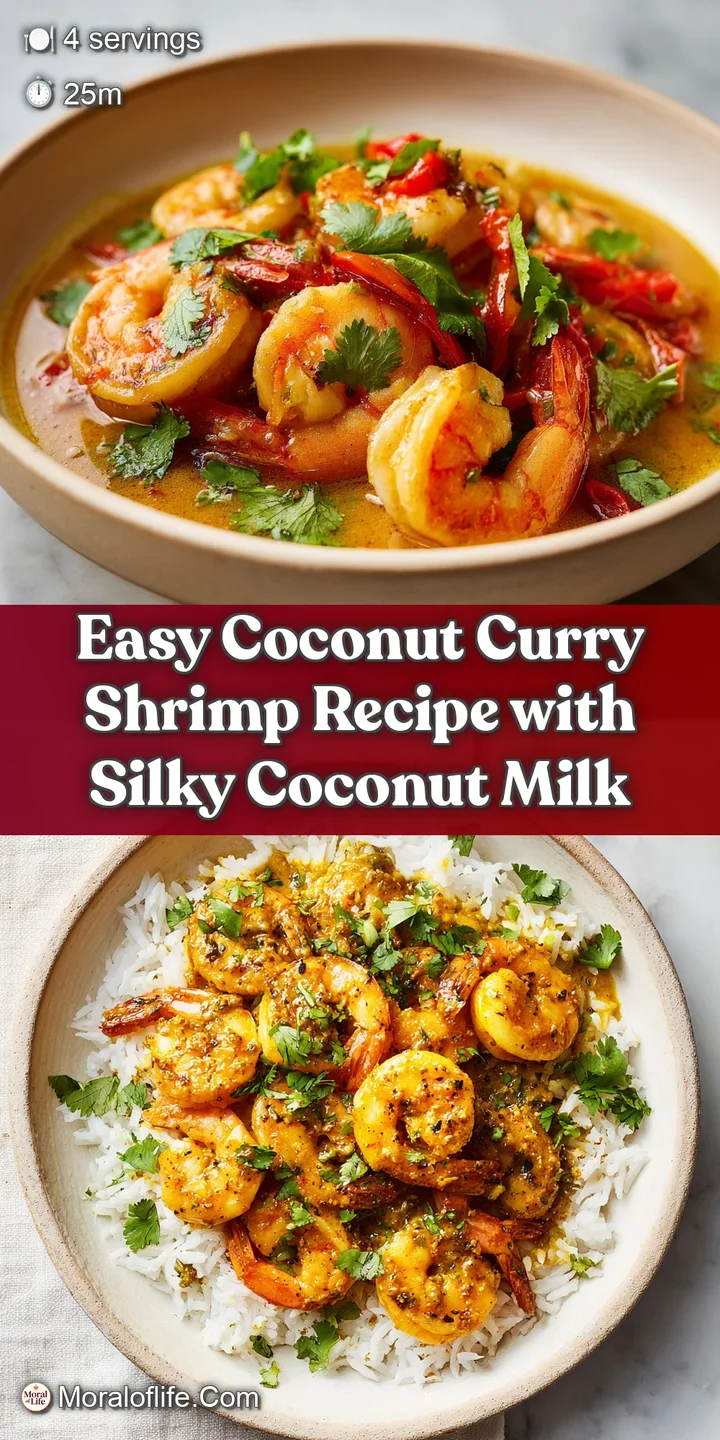
We eat with our eyes first, and a curry can sometimes look a bit "monochrome" without some help. Contrast is your friend here.
The Perfect Bed
Serve this over a mound of fluffy jasmine rice or coconut rice. The rice acts like a sponge, soaking up every drop of that liquid gold. For a low carb option, cauliflower rice works surprisingly well because its slightly nutty flavor complements the curry spices.
The Final Flourish
Don't just sprinkle cilantro on top be intentional. Add a few extra slices of fresh red chili for a pop of color, or a wedge of lime on the side so people can control their own acidity levels.
A drizzle of toasted sesame oil right before serving can also add a "shatter" of toasted aroma that hits you before you even take a bite.
If you are hosting a dinner party, pairing this with a Mango Margarita Mix recipe will make you the hero of the evening. The cold, tart drink cuts right through the rich, spicy sauce of the shrimp. Trust me, your friends will be texting you for this recipe before they even finish their first serving.
Recipe FAQs
What are common mistakes when making coconut curry?
Boiling the coconut milk aggressively. Boiling causes the fats and solids in the milk to separate, resulting in a broken or grainy sauce.
Turn the heat down to a low simmer before adding the shrimp, and never boil it once the liquid is in the pan.
Is it better to use coconut milk or coconut cream in a curry?
Use full fat coconut milk for the base. Coconut cream is often too thick for a sauce that needs to coat ingredients while remaining pourable.
Full fat milk provides the necessary liquid volume and fat content to bloom the spices without making the sauce overly heavy or leading to separation.
What are common shrimp curry mistakes?
Overcooking the shrimp, making them rubbery. Shrimp cook extremely quickly, often in less than five minutes total.
Remove the shrimp from the heat the second they turn opaque and curl into a C-shape, as they will continue cooking in the residual heat.
What goes well with coconut curry shrimp?
Jasmine rice or fluffy coconut rice pairs perfectly. These act as sponges to soak up the flavorful, rich broth.
For a palate cleanser, a tart drink or a simple side salad provides excellent contrast to the curry's richness.
How do I prevent my curry sauce from tasting raw or dusty?
Bloom the dry spices in hot oil before adding liquid. This step releases the fat-soluble flavor compounds locked inside the turmeric and curry powder.
Toast the spices for about 45 seconds until fragrant, stirring constantly to prevent burning, which causes bitterness.
Can I substitute fish sauce with something else if I don't have any?
Yes, substitute with soy sauce at a 1:1 ratio. Soy sauce will deliver the necessary salt and umami backbone that balances the sweetness of the coconut.
However, soy lacks the fermented depth of fish sauce, so your final dish will be slightly less complex, similar to how flavor balancing works in our Chili Sauce and recipe preparation.
How should I adjust the spice level for a milder result?
Omit the chili flakes entirely and use mild curry powder. Heat often comes from fresh chili, so avoiding those keeps the flavor profile intact without the burn.
If you use store-bought paste, ensure it is labeled 'mild' or 'yellow,' which is traditionally the least spicy option.
Coconut Curry Shrimp Recipe
Ingredients:
Instructions:
Nutrition Facts:
| Calories | 468 calories |
|---|---|
| Protein | 38.2g |
| Fat | 27.8g |
| Carbs | 12.2g |
| Fiber | 1.8g |
| Sugar | 4.5g |
| Sodium | 745mg |
