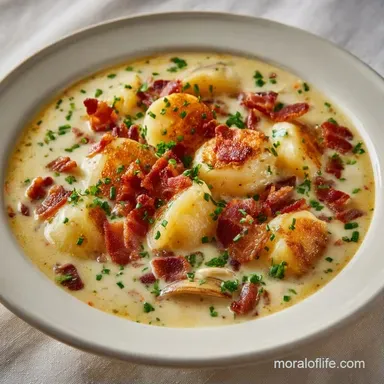
Clam Chowder: Fast Weeknight Comfort

- Time: 15 min active + 25 min cook
- Flavor/Texture Hook: Smoky bacon paired with a velvety, cream based broth
- Perfect for: A comforting weeknight dinner or a rainy day feast
The smell of mahogany brown bacon hitting a hot pot is the only way to start a rainy Tuesday. I remember the first time I tried making this at home, I rushed the onions and ended up with a soup that tasted like raw sulfur. It was a disaster.
But once I learned to let the bacon fat do the heavy lifting and gave the vegetables time to actually soften, everything changed.
You're looking for that specific balance where the brine of the sea meets the richness of heavy cream. This isn't about fancy techniques, just about timing. If you've ever had a version that felt more like a thin broth than a hearty stew, this is the fix.
We're going to focus on a creamy, coastal style that feels like a hug in a bowl. Making Clam Chowder doesn't have to be a weekend project. With a few shortcuts and the right potato, you can get a classic Clam Chowder on the table in under an hour.
How to Actually Nail This Clam Chowder
To get this right, you have to respect the fat. The bacon isn't just a topping, it's the foundation. By rendering the fat slowly, you create a flavor base that carries through the whole pot. I've found that if you don't cook the bacon until it's truly crisp, the final soup lacks that smoky punch.
But the real magic happens with the potatoes. Not all spuds are created equal. I always reach for Yukon Golds because they hold their shape but still release enough starch to thicken the liquid. If you use Russets, they tend to disintegrate, and you end up with a mashed potato soup that happens to have clams in it.
Then there's the cream. Adding it at the very end is non negotiable. If you boil heavy cream for twenty minutes, you risk it breaking or losing that fresh, velvety texture. We want it to gently heat through, blending with the clam juice to create a cohesive sauce.
Why the Base Stays Silky
Roux Stability: Cooking the flour and butter for 2 minutes removes the raw grain taste and prevents the soup from thickening too aggressively.
Starch Release: Yukon Gold potatoes leak a specific type of starch that binds the milk and clam juice together naturally.
Fat Emulsion: The combination of bacon fat, butter, and heavy cream creates a stable emulsion that doesn't separate.
Temperature Control: Keeping the simmer low prevents the proteins in the milk from curdling.
| Method | Prep Time | Texture | Best For |
|---|---|---|---|
| Fast Weeknight | 15 minutes | Smooth/Creamy | Busy Tuesdays |
| Classic Slow | 60 minutes | Thick/Hearty | Sunday Brunch |
| Seafood Boil Style | 45 minutes | Chunky/Brothy | Coastal Parties |
The Essential Recipe Specs
When you're planning your flow, remember that the prep is where the battle is won. Getting your potatoes cubed to exactly half an inch ensures they all finish cooking at the same time. There is nothing worse than a bite of raw potato in a creamy soup.
I usually set my timer for 15 minutes for the prep work. This gives me enough time to dice the aromatics and get the clams ready without feeling rushed. The actual cooking happens fast, so once the heat is on, you need to stay with the pot.
For the best results, use a heavy bottomed pot. A Dutch oven is my go to because it distributes heat evenly. If you use a thin pot, the roux might burn in the center, and you'll get little brown flecks in your creamy white soup.
Ingredient Deep Dive
The heart of a Clam Chowder lies in the contrast between the salty clams and the sweet cream. I've spent a lot of time testing different types of clams, and while fresh is great, high-quality canned chopped clams are incredibly dependable for a Weeknight Clam Chowder.
Yukon Gold Potatoes: These are the gold standard. They have a naturally buttery flavor and a medium starch content that keeps them intact. According to Serious Eats, the choice of potato significantly impacts the final viscosity of the soup.
Thick Cut Bacon: Don't bother with the thin stuff. You need the volume of thick cut bacon to get enough rendered fat to sauté the vegetables. It adds a layer of umami that salt alone can't provide.
Clam Juice: This is the "secret" liquid. Using the juice from the can instead of just water or stock provides a concentrated sea flavor that anchors the Clam Chowder flavor.
| Ingredient | Science Role | Pro Secret |
|---|---|---|
| Yukon Gold | Thickening Agent | Cube to exactly 1/2 inch for even cooking |
| All Purpose Flour | Structure | Whisk thoroughly into butter for a smooth roux |
| Heavy Cream | Mouthfeel | Stir in at the very end to avoid curdling |
| Bacon Fat | Flavor Carrier | Sauté onions in the fat for deeper sweetness |
The Tool Kit
You don't need a professional kitchen for this, but a few specific tools make the process smoother. A sharp chef's knife is essential for those uniform potato cubes. If the cubes are different sizes, the small ones will melt away while the big ones stay hard.
I highly recommend a whisk. Trying to stir flour into melted butter with a spoon usually leaves lumps. A whisk ensures the roux is perfectly smooth, which means your soup won't have any weird flour pockets.
Finally, a slotted spoon is a lifesaver. You'll use it to pull the crisp bacon out of the fat while leaving every drop of that liquid gold in the pot. It keeps the bacon crunchy for the final garnish.
The Cooking Process
Right then, let's get into it. This is a fast flow, so have everything measured out before you turn on the burner.
- Place the diced bacon in the pot over medium heat. Cook until the bacon is mahogany colored and crisp. Remove the bacon bits with a slotted spoon, leaving the rendered fat in the pot. Toss in the onion and celery; sauté until they are soft and translucent.
- Stir in the minced garlic and thyme, cooking for 60 seconds until fragrant. Add the butter, and once melted, whisk in the flour to create a roux. Cook for 2 minutes, stirring constantly, until the mixture smells slightly nutty and loses its raw flour scent.
- Slowly pour in the reserved clam juice and milk, whisking continuously to avoid lumps. Note: Adding liquid slowly prevents the roux from clumping.
- Add the cubed potatoes and the bay leaf.
- Simmer on low medium heat for 12–15 minutes, or until the potatoes are fork tender.
- Stir in the heavy cream and the canned clams.
- Heat through for 2 minutes until the clams are warmed.
- Stir the crisp bacon back in.
- Remove the bay leaf before serving.
Chef's Note: If you want an even deeper flavor, add a pinch of smoked paprika to the roux. It bridges the gap between the smoky bacon and the sweet cream.
Troubleshooting Guide

Even the best recipes can go sideways if the heat is too high or the ingredients aren't balanced. Most Clam Chowder issues come down to temperature or starch management.
My chowder is too thin
This usually happens if the potatoes weren't simmered long enough or if the roux was too lean. If your soup feels more like a milk soup than a chowder, you can mash a few of the cooked potato cubes against the side of the pot.
This releases extra starch into the broth and thickens it instantly without adding more flour.
The base looks curdled or separated
This is almost always a result of boiling the dairy. Milk and cream can break if they hit a rolling boil for too long. To fix it, take the pot off the heat immediately and whisk in a tablespoon of cold milk or a small knob of cold butter. This helps re emulsify the fats.
The flavor feels flat
If it tastes "white" or bland, you're missing acidity or salt. A tiny squeeze of lemon juice or a teaspoon of apple cider vinegar right at the end cuts through the heavy cream and makes the seafood pop.
| Problem | Root Cause | Solution |
|---|---|---|
| Lumpy sauce | Added milk too fast | Whisk vigorously or strain through a sieve |
| Rubbery clams | Overcooked the seafood | Stir clams in at the very last 2 minutes |
| Bland taste | Not enough salt/acid | Add lemon juice or a dash of Worcestershire |
Common Mistakes Checklist
- ✓ Did you cook the roux for at least 2 minutes?
- ✓ Are the potatoes cut into uniform 1/2 inch cubes?
- ✓ Did you add the cream at the end instead of the beginning?
- ✓ Did you remove the bay leaf before serving?
- ✓ Is the bacon truly crisp before removing it from the pot?
Variations and Substitutions
Depending on what's in your pantry, you might need to swap things out. For those looking for something slightly different, a One Pot Creamy Clam Chowder recipe is a great alternative if you want to minimize cleanup.
If you're avoiding dairy, you can use full fat coconut milk, though it adds a tropical note. For a heartier version, some people add corn or diced carrots, but that moves it closer to a corn chowder. I prefer keeping it simple to let the clams shine.
For those who love a bit more "sea" in their soup, you can add a handful of fresh parsley or a pinch of Old Bay seasoning. If you prefer a silky New England style, increase the heavy cream and decrease the potatoes slightly.
| Original Ingredient | Substitute | Why It Works |
|---|---|---|
| Yukon Gold (1.5 lbs) | Russet Potatoes | Works, but texture is softer. Note: Soup will be thicker/grainier |
| Heavy Cream (1/2 cup) | Whole Milk (1/2 cup) | Lighter feel. Note: Less velvety mouthfeel |
| Bacon (4 oz) | Smoked Paprika/Oil | For vegetarians. Note: Lacks the salty crunch |
| Canned Clams | Fresh Chopped Clams | Superior flavor. Note: Requires more prep/cleaning |
Adjusting Your Batch Size
Scaling this recipe is pretty straightforward, but you can't just double everything blindly. When making a larger batch of Clam Chowder, the liquid doesn't evaporate as quickly because the surface area to volume ratio changes.
Scaling Down (Half Batch) Use a smaller pot so the roux doesn't spread too thin and burn. Reduce the simmer time by about 20% since the smaller volume of potatoes will heat through faster. If the recipe calls for one egg or a small amount of butter, just measure it by weight to be safe.
Scaling Up (Double or Triple Batch) Don't double the salt or thyme immediately. Start with 1.5x the spices, taste it, and then add more if needed. If you're making a massive pot, work in batches when sautéing the bacon and vegetables to ensure they actually brown instead of steaming.
Debunking Kitchen Folklore
You'll hear a lot of "rules" about seafood soups, but some of them are just noise.
One big myth is that you must use fresh clams for a "real" chowder. While fresh is great, the canned variety is often steamed in its own brine, which actually concentrates the flavor. For a Weeknight Clam Chowder, canned is not only faster but often more consistent.
Another misconception is that searing the potatoes "locks in the flavor." Searing them just adds a toasted taste. The real flavor comes from the slow simmer in the cream and clam juice, which allows the potatoes to absorb the brine.
Storage and Freshness
Leftover Clam Chowder is almost always better the next day because the flavors have time to meld. Store it in an airtight container in the fridge for up to 3 days.
Reheating Tips Never microwave your chowder on high. The high heat can cause the cream to separate and the clams to turn into rubber balls. Instead, heat it on the stovetop over low heat.
If it's thickened too much in the fridge, stir in a splash of milk or water to bring it back to a velvety consistency.
Freezing Guidelines I generally advise against freezing this specific recipe. The dairy and the potatoes don't freeze well. The potatoes often become grainy, and the cream can separate upon thawing. If you must freeze it, freeze the base without the cream, then stir the dairy back in after reheating.
Zero Waste Ideas Don't throw away the potato peels if you have a compost bin. If you have leftover bacon grease from a larger pack, store it in a jar in the fridge. It's incredible for roasting Brussels sprouts or frying eggs on a normal Tuesday morning.
Perfect Serving Pairings
To make this a full meal, you need something to soak up that creamy broth. A crusty sourdough bread is the classic choice. If you can, toast the bread with a bit of garlic butter to mirror the flavors in the soup.
For a side, a crisp green salad with a sharp vinaigrette works best. The acidity of the dressing cuts through the richness of the Clam Chowder, cleansing your palate between bites. Avoid other creamy sides, or the whole meal will feel too heavy.
If you're feeling fancy, serve the soup in a sourdough bread bowl. Just hollow out a round loaf, toast the inside slightly in the oven, and pour the hot soup in. It's a total crowd pleaser and makes the meal feel like an event.
Whether you're making this as a Simple Clam Chowder Recipe for your kids or as a 5 Star Clam Chowder Recipe for guests, the key is patience with the roux and love for the ingredients. Trust the process, keep the heat low, and enjoy that first, velvety spoonful. This is a dependable, comforting meal that you can repeat with confidence every time the weather turns cold. It's the kind of Quick and Easy Clam Chowder that feels like it took hours, but only takes 40 minutes. Enjoy your home cooked Clam Chowder!
Recipe FAQs
What is clam chowder made of?
A base of clams, potatoes, and cream. It combines sautéed bacon, onions, celery, and garlic thickened with a butter-flour roux and finished with milk and heavy cream.
How to make clam chowder at home?
Sauté bacon and aromatics in a pot before creating a roux. Whisk in milk and clam juice, simmer cubed potatoes until tender, and stir in clams and cream at the very end.
How to cook canned clams?
Add them to the pot during the final two minutes of cooking. Overheating canned clams makes them rubbery, so they only need to be heated through.
What state is known for clam chowder?
Massachusetts is most famous for it. This region perfected the creamy New England style, though other coastal states have their own variations.
Why is New England clam chowder usually sold on Fridays?
It stems from Catholic traditions of abstaining from meat on Fridays. Fish and shellfish became the standard meal for those observing these dietary rules.
How can you make different types of clam chowder?
Change the liquid base or the protein mix. If you enjoyed the thick texture of this roux-based soup, you can apply the same thickening principle to a quick corn chowder.
Is it true you must use fresh clams for the best flavor?
No, this is a common misconception. high-quality canned clams provide consistent flavor and convenience without sacrificing the essence of the dish.
Clam Chowder in 40 Minutes