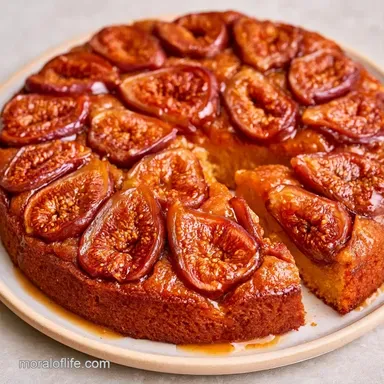
Fresh Fig Yogurt Cake with Greek Yogurt
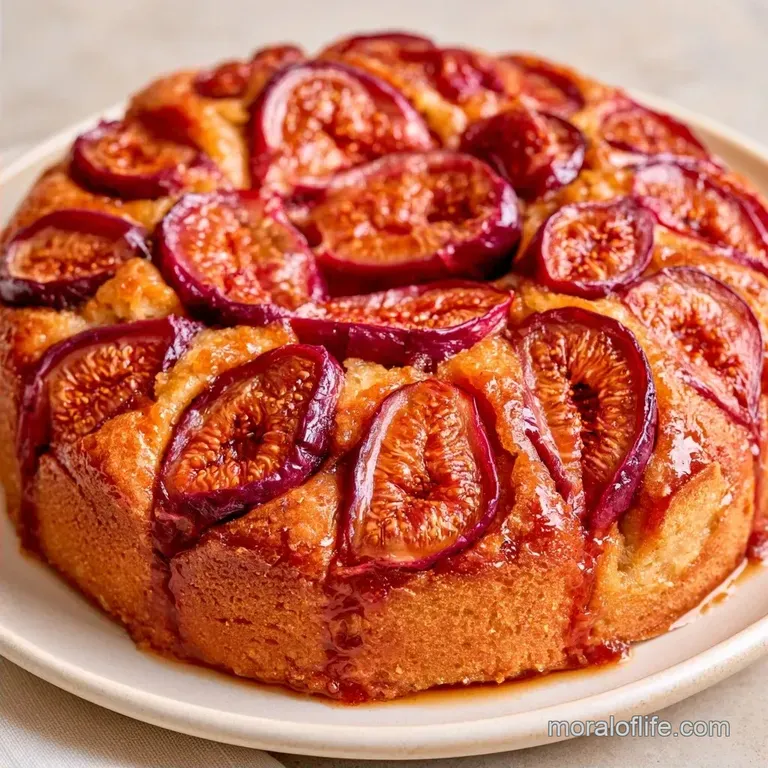
- Time: 15 min active + 50 min baking
- Flavor/Texture Hook: Jammy, honeyed figs paired with a soft, moist crumb
- Perfect for: An autumn tea time or a relaxed weekend brunch
The aroma of roasting figs and honey fills the air the moment this enters the oven. It is a scent that evokes late summer, when the fruit is so ripe it nearly bursts. I used to struggle with fruit cakes becoming too soggy, but the yogurt base completely transforms the cake's structure.
This Fresh Fig Yogurt Cake skips the heavy creams and elaborate frosting. Instead, the earthy notes of olive oil balance the sweetness of the honey. You get a treat that feels airy yet satisfies a craving for something rich and fruity.
The cake stays moist for several days. It is a crowd-pleasing dessert that looks far more complex than it is; the preparation consists mainly of whisking and pressing fresh fruit into the batter.
Fresh Fig Yogurt Cake Guide
The magic here is in the balance. Too much honey and the edges burn, too little and the figs taste bland. I've found that the 350°F (175°C) temperature is the sweet spot for getting the figs jammy without overcooking the center.
For those who love a similar vibe, this is a great companion to a yogurt coffee cake, but it's a bit more refined thanks to the olive oil.
| Fresh Option | Shortcut Option | Texture Result | Taste Impact |
|---|---|---|---|
| Fresh Figs | Dried Figs | Jammy, soft | Chewier, more intense |
| Greek Yogurt | Plain Yogurt | Thicker, taller | Softer, flatter crumb |
| Honey | Maple Syrup | Floral, bright | Woody, deeper sweetness |
Why This Texture Works
- Yogurt Lift: The acid in the Greek yogurt triggers the baking soda, creating air bubbles that lift the batter.
- Oil Advantage: Olive oil stays liquid at room temperature, so the cake feels moister than butter based versions.
- Honey Humidity: Honey holds onto moisture better than granulated sugar, preventing the cake from drying out during the 50 min bake.
Ingredient Role and Swaps
| Ingredient | What It Does | Best Swap |
|---|---|---|
| Greek Yogurt | Provides moisture and lift | Sour cream (for more richness) |
| Olive Oil | Maintains a tender crumb | Melted coconut oil (for a nutty twist) |
| Honey | Sweetens and binds | Maple syrup (slightly more fluid) |
| Fresh Figs | Core flavor and texture | Pears (comparable moisture) |
The Dry Base
- 1.5 cups (190g) All purpose flour The role: Builds a sturdy, reliable structure.
- 1 tsp (5g) Baking powder The role: Ensures a uniform, steady rise.
- 0.5 tsp (3g) Baking soda The role: Activates with the yogurt for added lift.
- 0.25 tsp (1.5g) Sea salt The role: Counteracts the sweetness of the honey.
The Wet Mixture
- 0.75 cup (170g) Plain Greek yogurt The role: Thick consistency keeps the cake from sinking.
- 0.5 cup (120ml) Extra virgin olive oil The role: Adds a touch of Mediterranean fruitiness.
- 0.5 cup (100g) Honey The role: Natural sugar that pairs perfectly with figs.
- 2 Large eggs The role: Binds all the ingredients together.
- 1 tsp (5ml) Pure vanilla extract The role: Deepens the aromatic profile.
- 0.5 tsp (2g) Ground cardamom The role: Brings a warm, citrusy essence.
For the Topping
- 8-10 Fresh figs, quartered (approx. 450g) The role: Provides bursts of jammy flavor.
- 1 tbsp (12g) Sliced almonds The role: Adds a contrasting crunch.
- 1 tsp (5g) Honey The role: Creates a beautiful, glossy finish.
The Gear You Need
Basic kitchen tools are all you need. I recommend a 9 inch springform pan because the cake is quite delicate; this avoids the risk of it breaking when you remove it from the pan.
I stick to a whisk for the wet ingredients and a rubber spatula for the flour. Avoid using a mixer, which can overwork the gluten and make the Fresh Fig Yogurt Cake rubbery instead of fluffy.
Lining the bottom with parchment paper is essential. Since figs are naturally sugary, they can easily stick to the metal surface.
Making the Cake
- Preheat your oven to 350°F (175°C). Prepare a 9 inch springform pan by greasing it and lining the base with parchment paper.
- In a large bowl, whisk the Greek yogurt, olive oil, honey, eggs, and vanilla until the mixture is smooth and well-combined.
- Mix in the ground cardamom. Note: Adding the spice now allows it to bloom in the oil.
- Sift the flour, baking powder, baking soda, and salt directly into the bowl.
- Using a spatula, gently stir the sifted ingredients into the batter until no streaks of flour remain. Stop immediately to prevent overmixing.
- Transfer the batter into the pan and smooth the surface with the back of a spoon.
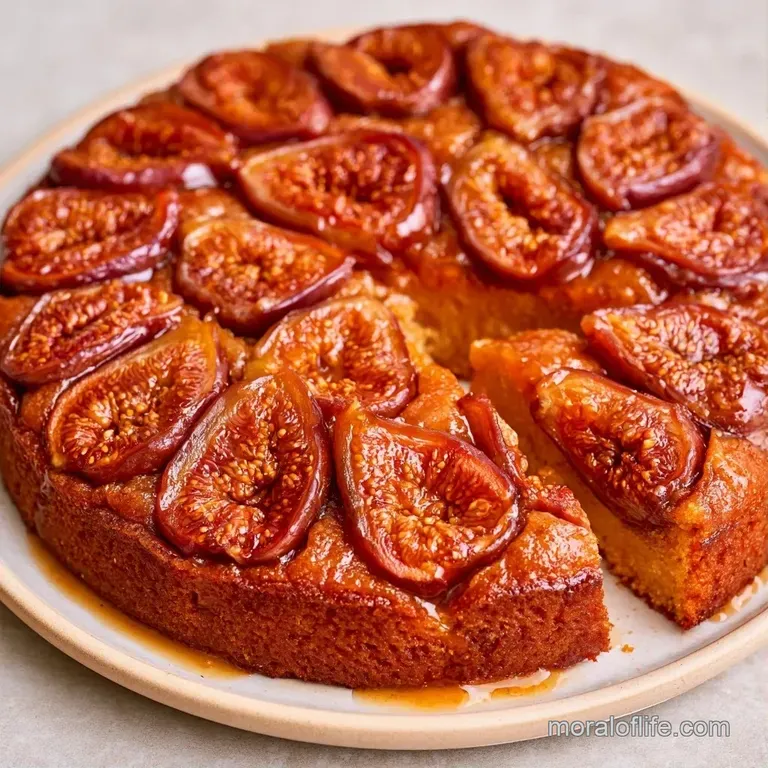
- Arrange the quartered figs in a circle, cut side up. Note: Avoid pressing them too deep or they'll sink.
- Scatter the sliced almonds over the top and finish with a 1 tsp honey drizzle.
- Bake for 45-50 minutes until a toothpick inserted in the center comes out clean.
- Let the cake cool in the pan for 15 minutes before loosening the sides.
Fixing Common Baking Issues
Fixing Sinking Fruit
If your figs end up at the bottom, it's usually because they were too wet or the batter was too thin. Pat the cut sides of the figs with a paper towel before placing them on top. Trust me, removing that excess moisture keeps them perched on the surface.
Solving Dense Texture
A heavy, dense cake happens when you overmix the flour. Once you add the dry ingredients, fold them in gently. You can see the flour disappear in about 10-15 strokes. If you keep stirring, you develop too much gluten, and the cake loses its air.
Stopping Top Browning
Figs have a lot of natural sugar, which can caramelize and burn before the middle is done. If the top looks dark at the 30 minute mark, loosely tent a piece of aluminum foil over the pan. This protects the fruit while the center finishes baking.
Alternative Ingredients
For a more traditional feel, you can swap the cardamom for cinnamon or a pinch of nutmeg. If you're looking for something different, this method works similarly to a strawberry cake, though the figs provide a deeper, earthier taste.
For a nuttier version, replace the sliced almonds with chopped walnuts or pistachios. Pistachios, in particular, look stunning against the purple hue of the figs.
Decision Shortcut:
- For a denser crumb: use plain yogurt instead of Greek.
- For more spice: increase cardamom to 1 tsp.
- For a sweeter crust: add a sprinkle of turbinado sugar on top.
| Plating Level | Presentation | Key Detail | Vibe |
|---|---|---|---|
| Simple | Plain slice | No garnish | Home snack |
| Polished | Dust of sugar | Fresh mint leaf | Sunday Brunch |
| Restaurant | Honey glaze | Toasted almonds | Dinner Party |
Storage and Waste Tips
Keep the Fresh Fig Yogurt Cake under a cake dome or covered loosely with foil on the counter for 2 days. If your kitchen is warm, it's safer in the fridge for 4 days, but let a slice sit at room temperature for 20 minutes before eating to bring back the softness.
You can freeze slices of this cake for up to 2 months. Wrap each slice tightly in plastic wrap and then foil. To reheat, pop a slice in the oven at 300°F (150°C) for 5-8 minutes.
Don't throw away the fig stems or any bruised bits of fruit. Toss them into a freezer bag and use them later to infuse a simple syrup or add them to a fruit compote.
Plating and Serving
While this cake is delicious on its own, a scoop of mascarpone or a swirl of Greek yogurt provides a refreshing tang. For an added touch of luxury, serve it warm with an additional drizzle of honey.
Since the Fresh Fig Yogurt Cake isn't overly sweet, it pairs beautifully with a bold espresso or a glass of chilled dessert wine. The bitterness of the coffee balances the richness of the olive oil and honey.
Resist the urge to slice the cake while it's piping hot. Allow it a few minutes to set so the pieces don't crumble.
What Makes it Work
The success of the Fresh Fig Yogurt Cake comes down to the hydration balance. The Greek yogurt provides a thick, acidic base that doesn't thin out the batter, allowing the figs to sit on top rather than diving to the bottom.
Using oil instead of butter means the cake doesn't feel "heavy" or greasy. It creates a moist, open crumb that lets the flavor of the figs shine through without being masked by a buttery taste. It's a simple approach that prioritizes the fruit.
Recipe FAQs
How do I bake this cake with basic pantry staples?
Whisk Greek yogurt, olive oil, honey, eggs, and vanilla until smooth. Fold in the sifted flour, leavening agents, and cardamom without overmixing.
What makes this honey-based cake different from others?
It uses honey as the primary sweetener and olive oil for moisture. This creates a denser, earthier profile than cakes relying on refined sugar and butter.
Can a beginner successfully bake this fig cake?
Yes, this recipe is very forgiving. Since it uses a simple whisk-and-fold method, you don't need a stand mixer to get a professional result.
Is it true that dried figs work just as well as fresh ones in this batter?
Actually, no. Dried figs lack the moisture and fresh burst of flavor needed to balance the yogurt base.
Which other nuts work best as a topping?
Swap the sliced almonds for chopped walnuts or pistachios. If you enjoyed the crunch here, you might like the texture of our lemon sugar cookies.
Where is the best place to store the cake?
Keep it under a cake dome or covered loosely with foil on the counter for two days. Use the refrigerator for four days if your kitchen is warm.
Why does the batter need to be emulsified?
Combining the oil, honey, and yogurt creates a stable emulsion. This ensures the cake rises evenly and maintains a soft, velvety crumb.
Fresh Fig Yogurt Cake for 8 Servings