Zesty Lemon Shrimp Orzo Recipe
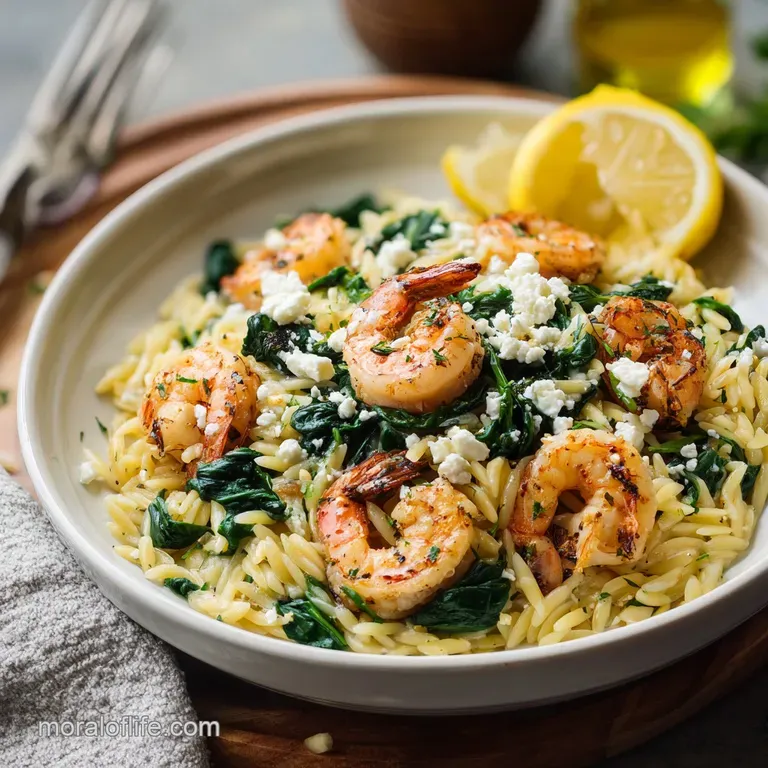
- Time: Active 10 minutes, Passive 20 minutes, Total 30 minutes
- Flavor/Texture Hook: Zesty lemon meets silky, starch rich orzo
- Perfect for: Stress free weeknight dinners or casual hosting
- Simple Shrimp Orzo Recipe Guide
- Flavor Secrets of This Dish
- Ingredient Structural Breakdown
- Pantry Staples and Fresh Finds
- Essential Tools for Success
- Cooking Steps for Best Results
- Fixing Common Cooking Hurdles
- Scaling Guidelines for Families
- Kitchen Myths Debunked
- Storage and Zero Waste
- Best Sides and Pairings
- Recipe FAQs
- 📝 Recipe Card
Simple Shrimp Orzo Recipe Guide
The first time I tried making a shrimp orzo recipe, it was one of those normal Tuesdays where the fridge looked depressing and I was about twenty minutes away from ordering pizza. I had a bag of frozen shrimp and half a box of orzo.
I threw them together with whatever was in the crisper drawer, and the house suddenly smelled like a high end Mediterranean bistro. That sizzle when the shrimp hit the hot oil, followed by the punchy aroma of garlic and oregano, turned a mediocre evening into something special.
You can repeat this with confidence because it is almost impossible to mess up. We are looking for that specific moment where the orzo has absorbed the broth but still feels a bit fluid, creating a natural sauce that coats every grain. It's a dependable meal that feels much fancier than its price tag suggests.
I've made the mistake of overcooking the shrimp before - they turn into rubber erasers - so we'll focus on getting that snap just right.
This isn't just another pasta dish; it’s a masterclass in one pan efficiency. We’re going to build layers of flavor, starting with the shrimp juices and ending with a bright pop of lemon. You'll find that the orzo acts like a sponge, soaking up the white wine and chicken broth until it's plump and tender.
It’s the kind of meal that makes you feel like a pro cook without the pile of dishes to wash afterward.
Flavor Secrets of This Dish
The Science of Starch Friction: Toasting the dry orzo in oil causes the outer starch molecules to stabilize, allowing the pasta to release starch slowly during simmering for a velvety finish.
Carryover Heat Management: Shrimp contains high amounts of connective tissue that shrinks rapidly above 60°C; pulling them early ensures they reach a tender "snap" texture through residual heat.
Acidic Brightness Balance: Lemon juice contains citric acid that physically "shortens" the protein strands in the shrimp, making them feel more tender while cutting through the richness of the feta.
| Method | Time | Texture | Best For |
|---|---|---|---|
| Stovetop | 20 mins | Silky and sauce heavy | Quick weeknight comfort |
| Oven Baked | 35 mins | Toasted and slightly chewy | Hands off meal prep |
| Slow Cooker | 2 hrs | Very soft and creamy | Pre planning a busy day |
Choosing the right method depends on your schedule, but I always lean toward the stovetop for this shrimp orzo recipe. The control you have over the liquid evaporation is much better when you can see it bubbling. If you're looking for another dependable seafood option, my Garlic Shrimp with recipe uses a similar quick sear technique that works wonders on a tight timeline.
Ingredient Structural Breakdown
| Ingredient | Science Role | Pro Secret |
|---|---|---|
| Dry Orzo | Thickening agent | Toast until it smells like popcorn for a nuttier, deeper flavor profile. |
| Large Shrimp | Protein structure | Keep the tails on during cooking to extract extra umami from the shells. |
| White Wine | Deglazing acid | Use a dry wine to dissolve the brown bits (fond) which contain concentrated flavor. |
| Fresh Spinach | Moisture regulator | Add at the very end; the residual steam wilts it without making it slimy. |
The key to a budget friendly but high impact meal is using these components to their full potential. For example, the shallot might seem optional, but its high sugar content allows it to caramelize faster than a standard onion, providing a foundational sweetness that balances the salty feta cheese.
Pantry Staples and Fresh Finds
This list focuses on items that provide the biggest bang for your buck. I always keep frozen shrimp in the freezer because they are often fresher than the "fresh" ones at the counter, which have usually just been thawed anyway.
- 1 lb Large Shrimp, peeled and deveined Why this? Provides the main protein and a satisfying, snappy texture.
- 2 tbsp Extra Virgin Olive Oil, divided
- 1 tsp Dried Oregano
- 0.5 tsp Smoked Paprika
- 4 cloves Garlic, thinly sliced
- 1 small Shallot, finely minced
- 1.5 cups Dry Orzo Pasta Why this? This rice shaped pasta creates a risotto like texture very quickly.
- 3 cups Low Sodium Chicken Broth
- 0.5 cup Dry White Wine
- 0.5 tsp Sea Salt
- 0.25 tsp Cracked Black Pepper
- 2 cups Fresh Baby Spinach
- 0.5 cup Feta Cheese, crumbled Why this? Adds a creamy, tangy saltiness that defines the Greek profile.
- 1 large Lemon, zested and juiced
- 0.25 cup Fresh Parsley, finely chopped
| Original Ingredient | Substitute | Why It Works |
|---|---|---|
| Dry White Wine | Extra Chicken Broth + 1 tsp Vinegar | Maintains the volume and adds the necessary acidic brightness. |
| Feta Cheese | Goat Cheese | Offers a similar tang and creamy melt, though it is slightly milder. |
| Fresh Spinach | Frozen Spinach | Works well if squeezed dry; creates a more integrated "green" sauce. |
If you find you’ve run out of orzo, you can actually use the same liquid ratios for a Chicken Orzo Recipe if you want to switch proteins, though the cooking time for the meat will vary.
Essential Tools for Success
You don't need a kitchen full of gadgets for this, but a heavy bottomed pan is non negotiable. I prefer a wide stainless steel skillet or a cast iron braiser. These materials hold heat evenly, which is vital when you're trying to sear shrimp without boiling them in their own juices.
A microplane or fine grater is also a lifesaver here. You want the lemon zest to be almost like a powder so it disappears into the sauce, leaving only the scent behind. If you use a standard box grater, the bits can be too large and bitter.
Finally,, a sturdy wooden spoon is better than a spatula for scraping the bottom of the pan to ensure no flavorful bits are left behind.
Chef's Tip: Freeze your lemon for 10 minutes before grating. It hardens the skin, making it much easier to zest without hitting the bitter white pith.
Cooking Steps for Best Results
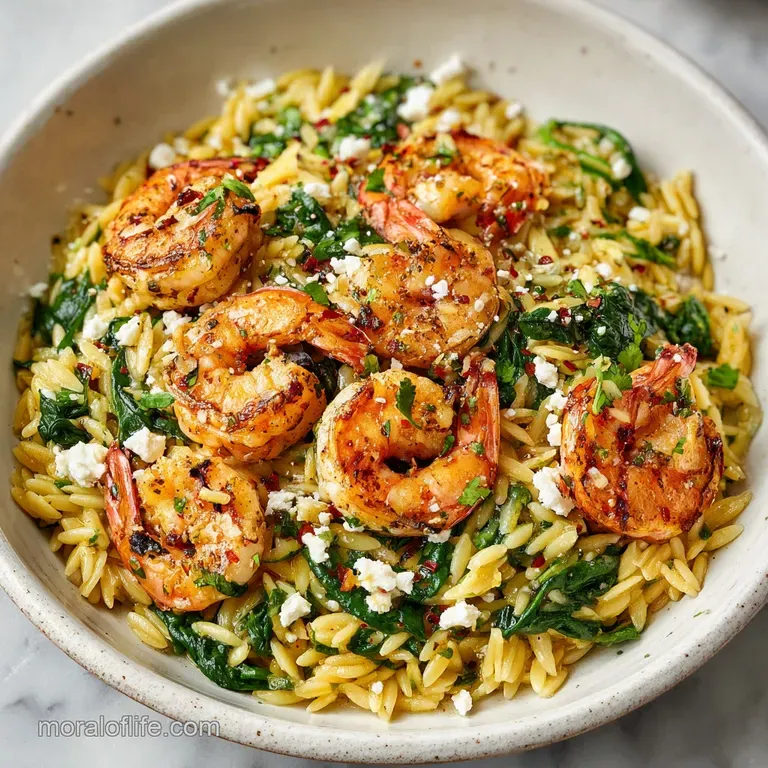
- Pat the 1 lb Large Shrimp dry with paper towels. Note: Surface moisture causes steaming rather than searing.
- Toss shrimp with 1 tbsp olive oil, oregano, and smoked paprika.
- Heat the remaining olive oil in a large skillet over medium high heat.
- Sear the shrimp for 2 minutes per side until pink and just opaque. Remove and set aside.
- Sauté the 4 cloves Garlic and 1 small Shallot in the same pan for 1 minute until fragrant and translucent.
- Add the 1.5 cups Dry Orzo to the pan. Toast for 2 minutes until the edges look golden.
- Pour in 0.5 cup White Wine to deglaze. Scrap the bottom until the liquid has mostly evaporated.
- Stir in 3 cups Chicken Broth, salt, and pepper. Bring to a simmer.
- Cook for 10 minutes, stirring occasionally, until the orzo is tender and liquid is creamy.
- Fold in the 2 cups Spinach, cooked shrimp, lemon juice, zest, and 0.5 cup Feta.
- Garnish with 0.25 cup Parsley and serve immediately while the sauce is velvety.
For those who love a bit of heat, this method works perfectly with the spices found in a Coconut Curry Shrimp recipe, though you would swap the feta for lime.
Fixing Common Cooking Hurdles
The most common issue I see is the orzo sticking to the bottom. This usually happens because the heat is too high or there isn't enough stirring. Orzo is heavy and likes to sink; you need to keep it moving every couple of minutes to ensure the heat distributes evenly.
The Orzo is Too Dry
If the pasta has soaked up all the liquid but still feels crunchy in the center, you simply need more hydration. Orzo brands vary in how much liquid they absorb based on the wheat quality.
The Shrimp are Tough
This is a classic case of overcooking. Shrimp continue to cook for about two minutes after you take them off the heat. If they look like a tight "C" or "O" shape, they've gone too far.
| Problem | Root Cause | Solution |
|---|---|---|
| Gummy Pasta | Too much stirring | Stir only every 2-3 minutes to keep starch release controlled. |
| Bitter Sauce | Burned garlic | Add garlic only after the pan has cooled slightly from the shrimp sear. |
| Thin Sauce | Too much broth | Simmer uncovered for 2 extra minutes to reduce the liquid. |
Common Mistakes Checklist
- ✓ Never add the shrimp at the beginning and leave them in; they will turn to rubber.
- ✓ Don't skip the toasting step for the orzo; it’s the difference between mushy and distinct grains.
- ✓ Avoid using bottled lemon juice; the preservative oils ruin the delicate shrimp flavor.
- ✓ Check the saltiness of your broth before adding the sea salt; some brands are very salt heavy.
- ✓ Ensure the spinach is added at the very last second so it stays bright green.
Scaling Guidelines for Families
If you are cooking for two, simply halve everything. Use a smaller skillet so the liquid doesn't evaporate too quickly. For the egg based binder in some pasta recipes, you'd beat an egg and use half, but here, we don't have that worry.
Just be careful with the lemon; half a lemon can sometimes be more than half the juice of a large one.
Scaling up for a crowd (8 people) requires a bit more care. You’ll want to double the orzo and broth, but only increase the salt and spices by 1.5 times. Large amounts of salt can become overwhelming when concentrated.
Cook the shrimp in two batches to ensure they sear properly rather than crowding the pan and steaming.
| Servings | Orzo Amount | Broth Amount | Pan Size |
|---|---|---|---|
| 2 People | 0.75 cups | 1.5 cups | 20cm Skillet |
| 4 People | 1.5 cups | 3 cups | 30cm Skillet |
| 8 People | 3 cups | 5.5 cups | Large Dutch Oven |
Kitchen Myths Debunked
One common myth is that you must boil orzo in a huge pot of salted water like standard pasta. That’s actually the worst way to make this dish. By cooking it "pilaf style" or "orzotto style," you keep all that beautiful starch in the pan, which creates the creamy sauce.
If you boil and drain it, you're literally pouring the flavor down the sink.
Another misconception is that frozen shrimp are inferior. In reality, unless you live on the coast and are buying from a boat, "fresh" shrimp have usually been frozen and thawed for display.
Buying them frozen allows you to thaw them exactly when you need them, maintaining a much better texture and preventing that "fishy" smell that develops in the grocery store display case.
Storage and Zero Waste
You can keep leftovers in the fridge for up to 3 days. However, orzo is notorious for drinking up every drop of moisture while it sits. When you reheat it, the pasta will likely be a solid block. Add a splash of water or broth before microwaving to bring back that velvety texture.
I don't recommend freezing this dish as the shrimp can become quite mealy and the spinach loses its structure.
To keep your kitchen zero waste, don't throw away those parsley stems! Chop them very finely and add them at the same time as the garlic; they have more flavor than the leaves. If you have leftover feta, store it in its original brine.
If there’s no brine left, a simple mixture of water and a pinch of salt will keep it from drying out for weeks.
Best Sides and Pairings
This meal is quite hearty on its own, but a crisp green salad with a simple vinaigrette helps cut through the richness of the feta. I also love serving it with a side of charred broccoli or roasted asparagus. The earthiness of roasted vegetables complements the zesty lemon perfectly.
If you want to go the extra mile, a piece of crusty sourdough bread is essential for mopping up the leftover sauce at the bottom of the bowl. Trust me, you won't want to leave a single drop of that garlic and wine reduction behind.
It's the kind of meal that feels complete but also invites you to linger at the table just a little longer.
Recipe FAQs
Can I substitute chicken or another protein for the shrimp?
Yes, substitution works well. If you swap shrimp for chicken, sear the chicken first and remove it before starting the orzo; remember to factor in longer cooking times for poultry.
How to achieve that essential creamy texture without adding heavy cream?
Toast the dry orzo first in the oil. This toasting step, often called tostatura, helps the pasta release starch slowly as it simmers, creating a natural, velvety emulsion when combined with the broth.
Is it true that I must use a high sided saucepan, or can I use a wide skillet?
A wide skillet is preferred for flavor concentration. While a saucepan prevents evaporation, a wider pan allows faster liquid reduction and better surface contact for searing the shrimp effectively.
How to make this recipe ahead of time for meal prep?
Cook the orzo slightly underdone, then cool immediately. Store the cooked mixture separately from the shrimp and only combine and reheat gently with extra broth to restore moisture.
What is the purpose of adding white wine during the cooking process?
The wine deglazes the pan and adds necessary acid. Scrape up the browned bits (fond) left after searing the shrimp to incorporate deep flavor, similar to how we build flavor in a Alfredo Sauce recipe.
What should I serve as a side dish to this bright, savory meal?
Serve with something fresh or slightly bitter to balance the richness. Roasted asparagus or a simple green salad complements the dish well, or try a spicy appetizer like our Chili Sauce and recipe if you want heat.
How can I tell when the shrimp is perfectly cooked and not rubbery?
Remove the shrimp right when they turn opaque and form a loose ‘C’ shape. Shrimp continue to cook from residual heat once removed from the pan, so pulling them slightly early prevents toughness.
Lemon Shrimp Orzo Recipe
Ingredients:
Instructions:
Nutrition Facts:
| Calories | 532 kcal |
|---|---|
| Protein | 38 g |
| Fat | 14 g |
| Carbs | 59 g |
| Fiber | 3 g |
| Sugar | 2 g |
| Sodium | 585 mg |
