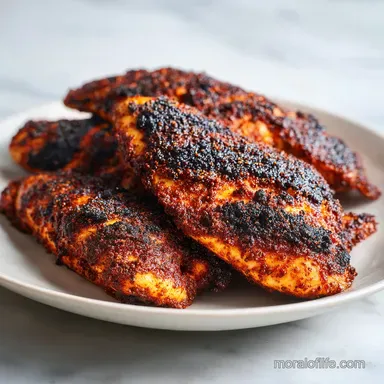
Cajun Chicken: Pan-Seared with Butter Finish

- Time: 10 min prep + 20 min cook = Total 35 min
- Flavor/Texture Hook: Shattering spice crust with a velvety butter finish
- Perfect for: Weeknight dinners, meal prep, or a quick protein hit
- Cajun Chicken: Bold and Fast
- What Actually Makes It Crispy
- Component Analysis
- The Shopping List
- Essential Pan Tools
- Step-by-Step Cooking
- Fixing Common Mistakes
- Troubleshooting Common Issues
- Flavor Swaps and Twists
- Adjusting the Portions
- Debunking Kitchen Myths
- Storage and Scraps
- The Best Side Pairings
- High in Sodium
- Recipe FAQs
- 📝 Recipe Card
Cajun Chicken: Bold and Fast
That first sizzle when the meat hits the cast iron is everything. You know that sound? It's not just a noise; it's the sound of the spices instantly caramelizing. The smell hits you a second later, smoky paprika and pungent garlic swirling together in a cloud of heat that makes your mouth water before the pan is even fully hot.
I remember the first time I tried making this. I was in a rush, so I skipped patting the meat dry. I thought, "who cares, it's just a little moisture." Big mistake. Instead of a crust, I got a steamed, greyish piece of meat that tasted okay but looked sad. Now, I'm obsessive about the paper towels.
That's the difference between a home cooked meal and something that feels like it came from a high end bistro.
This recipe for Cajun Chicken is all about the contrast. You've got that aggressive, spicy exterior and a juicy, tender inside. It's a quick win that doesn't require a trip to a specialty store, just a few spices you probably already have in the cupboard. Let's crack on.
What Actually Makes It Crispy
- Surface Dryness: Removing moisture prevents the chicken from steaming, allowing it to sear instantly.
- High Smoke Point: Using avocado oil lets the pan get hot enough to brown the spices without the oil breaking down or tasting burnt.
- Butter Basting: Adding butter at the end creates a velvety emulsion with the lemon juice, glazing the crust.
- Carryover Heat: Resting the meat allows the internal temperature to stabilize, keeping the juices from running out.
| Method | Time | Texture | Best For |
|---|---|---|---|
| Cast Iron | 20 mins | Shattering Crust | Maximum Flavor |
| Non Stick | 22 mins | Lightly Browned | Easier Cleanup |
| Oven Bake | 30 mins | Softened Spices | Hands off Cooking |
Component Analysis
| Ingredient | Science Role | Pro Secret |
|---|---|---|
| Smoked Paprika | Color & Depth | Use "pimentón" for a more intense smoky hit |
| Avocado Oil | Heat Conduit | Keeps the spices from scorching too early |
| Unsalted Butter | Flavor Carrier | Foams up to create a rich, nutty glaze |
| Lemon Wedge | Acid Balance | Cuts through the fat and brightens the spices |
The Shopping List
For this Cajun Chicken, we're sticking to bold, homey ingredients. Don't bother with low-fat butter; you need the fat for that signature finish.
- 2 tbsp smoked paprika Why this? Gives that deep red color and wood smoke aroma
- 1 tbsp garlic powder Why this? Distributes evenly without burning like fresh garlic
- 1 tbsp onion powder Why this? Adds a savory, base note to the heat
- 1 tsp cayenne pepper Why this? This is where the actual "kick" comes from
- 1 tsp dried oregano Why this? Earthy balance to the smoke
- 1 tsp dried thyme Why this? Adds a subtle floral, herbal note
- 1 tsp salt Why this? Essential for drawing out flavors
- 1/2 tsp ground black pepper Why this? Sharp, biting heat
- 1.5 lbs boneless skinless chicken breasts or chicken thighs Why this? Thighs are juicier; breasts are leaner
- 1 tbsp avocado oil Why this? High smoke point prevents acrid flavors
- 1 tbsp unsalted butter Why this? Creates the final velvety glaze
- 1 wedge fresh lemon Why this? Wakes up all the heavy spices
| Original Ingredient | Substitute | Why It Works |
|---|---|---|
| Avocado Oil (1 tbsp) | Grapeseed Oil (1 tbsp) | Similar high smoke point. Note: Neutral taste |
| Smoked Paprika (2 tbsp) | Regular Paprika (2 tbsp) | Same color. Note: Loses the smoky depth |
| Chicken Breast (1.5 lbs) | Chicken Thighs (1.5 lbs) | Higher fat content. Note: More forgiving, harder to overcook |
Essential Pan Tools
You don't need a professional kitchen, but a few specific tools make this easier. I always use a 12 inch cast iron skillet because it holds heat like a beast. If you don't have one, a heavy bottomed stainless steel pan works too.
Avoid thin aluminum pans; they have hot spots that will burn your spices before the meat is done.
A digital meat thermometer is non negotiable here. According to USDA, chicken is ready when an instant read thermometer inserted in the thickest part of chicken registers 165°F (74°C). Guessing by color is a gamble you don't want to take.
Step-by-step Cooking
1. The Seasoning Phase
Pat the chicken dry with paper towels. This is the most important step for a shattering crust. Combine the smoked paprika, garlic powder, onion powder, cayenne pepper, dried oregano, dried thyme, salt, and ground black pepper in a small bowl.
Rub the spice mixture generously on both sides of the chicken, pressing the spices into the meat so they adhere firmly.
2. The over High heat Sear
Heat the avocado oil in your skillet over medium high heat. Wait until the oil shimmers and just begins to smoke, that's your cue. Place the chicken in the pan. Sear for 5–7 minutes per side without moving them.
Wait until the chicken releases naturally from the pan and a deep mahogany colored crust has formed.
Chef's Note: If the meat sticks, it's not ready to flip. Be patient. The meat "lets go" when the crust is fully developed.
3. The Butter Baste & Finish
Reduce the heat to medium. Add the unsalted butter and a squeeze of lemon juice directly into the pan. As the butter foams and smells nutty, spoon it over the chicken for the final 2 minutes of cooking. This creates a glossy, velvety coating.
4. The Resting Phase
Remove the chicken from the pan once it hits 165°F (74°C). Transfer the meat to a cutting board and let it rest for 5 minutes. This allows the juices to redistribute so they don't all leak out the moment you slice into your Cajun Chicken.
Fixing Common Mistakes

Troubleshooting Common Issues
| Issue | Solution |
|---|---|
| Why Your Spices Burn | If you see black, acrid smoke, your pan was too hot or your oil choice was wrong. Spices like paprika have sugars that burn quickly. If this happens, lower the heat slightly and use a bit more oil to |
| Why Your Meat Sticks | Sticking usually happens because the pan wasn't hot enough when the meat went in, or you tried to flip it too early. Give it time to form that crust. Once the proteins have browned, the meat will lift |
| Why Your Meat Is Dry | Overcooking is the enemy. Even two extra minutes can turn a juicy breast into cardboard. Use your thermometer and pull the meat off the heat exactly at 165°F (74°C). |
Common Mistakes Checklist:
- ✓ Patted chicken completely dry with paper towels
- ✓ Used high smoke point oil (not extra virgin olive oil)
- ✓ Left meat undisturbed for at least 5 minutes per side
- ✓ Pulled chicken at exactly 165°F (74°C)
- ✓ Allowed meat to rest for 5 minutes before slicing
Flavor Swaps and Twists
If you want to turn this into a larger meal, this base recipe is incredibly versatile. For a heartier dinner, you can toss the sliced meat into a creamy sausage rigatoni to add a spicy protein kick to the pasta.
Decision Shortcut: If you want a creamy meal → slice the chicken and toss it into a cajun chicken alfredo sauce. If you want low carb → serve with sautéed cajun chicken and peppers.
If you want a family feast → try the sheet pan method by roasting the chicken with corn and potatoes.
For those who prefer a more succulent piece of meat, swapping breasts for cajun chicken thighs is a total win. Thighs are harder to overcook and the fat renders down into the spices, creating an even more intense flavor. If you're looking for a lighter side, these go great with crispy air fryer french fries for a pub style vibe at home.
Adjusting the Portions
Scaling Down: If you're just cooking for one or two, use a smaller 8 inch skillet. Because there's less meat in the pan, the heat distribution changes, reduce your sear time by about 20% to avoid overcooking.
Scaling Up: When doubling or tripling the recipe, don't just crowd the pan. If you put too much meat in at once, the temperature drops and you'll steam the chicken instead of searing it. Work in batches.
Also, only increase the salt and cayenne to 1.5x the original amount; spices can become overwhelming when scaled linearly.
Debunking Kitchen Myths
Myth: Searing seals in the juices. Truth: Searing doesn't actually "seal" anything. Moisture loss happens throughout the cooking process. However, that mahogany crust is where all the flavor lives, and resting the meat is what actually keeps it juicy.
Myth: You must use a cast iron pan for this. Truth: While cast iron is my go to for the heat retention, any heavy pan works. The goal is a consistent high temperature, not the specific material of the pan.
Storage and Scraps
Storage Guidelines: Store your leftovers in an airtight container in the fridge for up to 3 days. To reheat, I recommend a quick flash in a pan with a teaspoon of butter over medium heat. Avoid the microwave if you can, as it will make the crust rubbery and the meat dry.
Zero Waste Tips: Don't toss the pan drippings! Those brown bits (fond) are liquid gold. Deglaze the pan with a splash of chicken broth or white wine to make a quick pan sauce. If you used thighs and have extra trimmed fat, render it down and use it as the base for roasting vegetables the next day.
The Best Side Pairings
To balance the heat of the Cajun Chicken, you need something cool or starchy. A crisp coleslaw with a lime vinaigrette cuts through the richness of the butter baste perfectly.
For a more traditional Louisiana feel, serve it alongside a corn maque choux or some steamed wild rice. If you're feeling indulgent, this protein is the star of a homemade seafood boil, so feel free to add it to a mix of shrimp and corn.
The bold spices on the chicken complement the briny flavors of the seafood without overshadowing them.
High in Sodium
840 mg 840 mg of sodium per serving (37% 37% of daily value)
The American Heart Association recommends a daily sodium limit of 2,300mg, with an ideal limit of 1,500mg for most adults to reduce the risk of cardiovascular disease.
Tips to Reduce Sodium
-
Omit or Reduce Salt-30%
The primary sodium source is the 1 tsp of salt; omit it entirely or replace it with a salt-free seasoning blend to significantly drop the sodium count.
-
Use Salt Substitutes-20%
Replace the table salt with a potassium-based salt substitute to maintain the salty flavor profile while reducing actual sodium intake.
-
Enhance Acidity-15%
Increase the amount of fresh lemon juice squeezed over the chicken; the acidity mimics the 'brightness' of salt, allowing you to use less of it.
-
Boost Spices and Herbs
Increase the quantity of smoked paprika and dried oregano to add more depth and complexity to the flavor profile without adding sodium.
Recipe FAQs
What is Cajun chicken made out of?
Chicken seasoned with smoked paprika, garlic powder, onion powder, cayenne, oregano, thyme, salt, and pepper. It is seared in avocado oil and finished with butter and fresh lemon juice.
Is Cajun sweet or spicy?
It is primarily spicy and savory. The heat comes from the cayenne pepper, while the smoked paprika and dried herbs provide a deep, earthy flavor profile.
Is Louisiana Cajun seasoning good on chicken?
Yes, it is a classic pairing. The bold, aromatic spices penetrate the meat and create a deep mahogany crust when seared at high heat.
How to achieve a shattering crust?
Pat the chicken dry with paper towels before seasoning. Removing surface moisture prevents the meat from steaming and allows it to sear properly in the oil.
How to prevent the spices from burning?
Lower the heat slightly and ensure the pan is well-oiled. Paprika contains sugars that can burn quickly if the pan is too hot, resulting in acrid smoke.
Why is my chicken sticking to the pan?
The pan likely wasn't hot enough or you flipped the meat too early. Wait for the chicken to release naturally once the proteins have browned and formed a crust.
What is the best way to serve this chicken?
Pair it with a creamy pasta or steamed vegetables. For a decadent meal, serve your breasts or thighs over a Cajun Alfredo to complement the bold spices.
Cajun Chicken in 30 Minutes: Pan-Seared