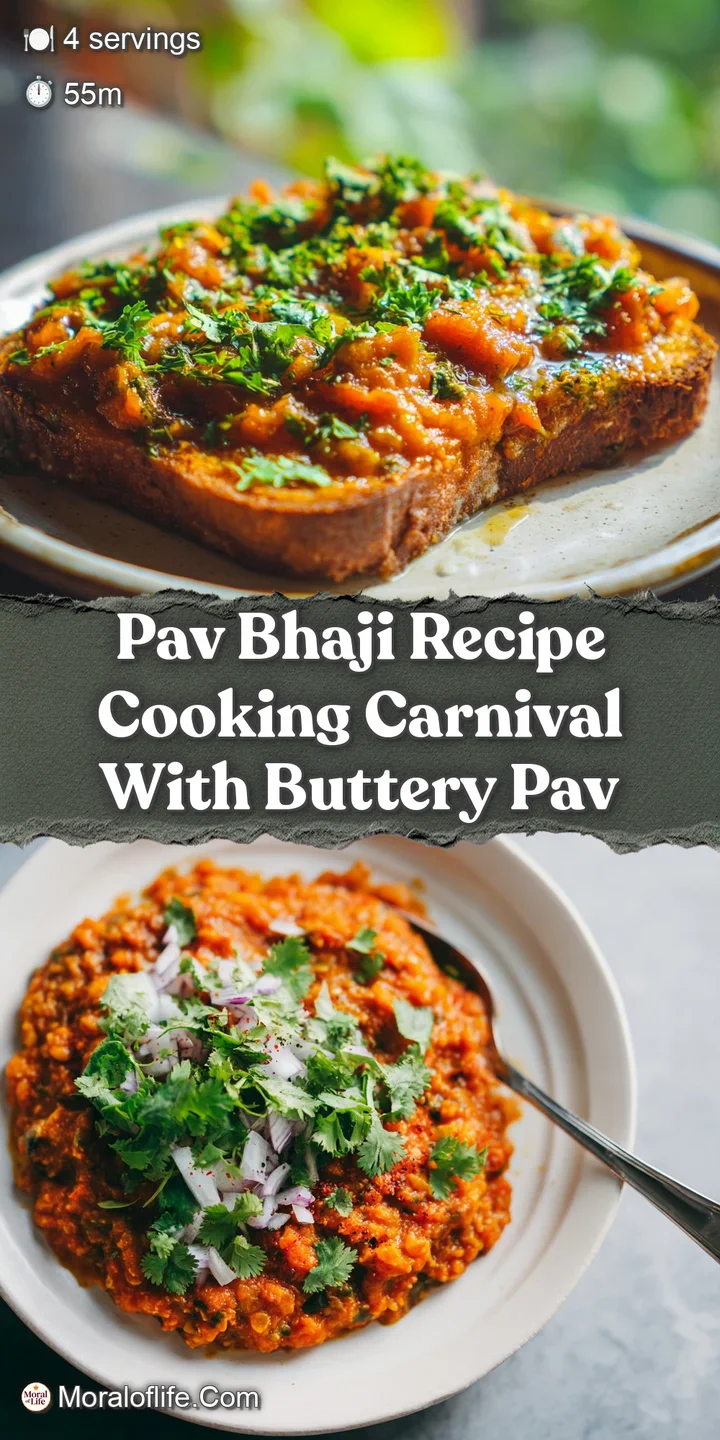
Pav Bhaji Recipe Cooking Carnival
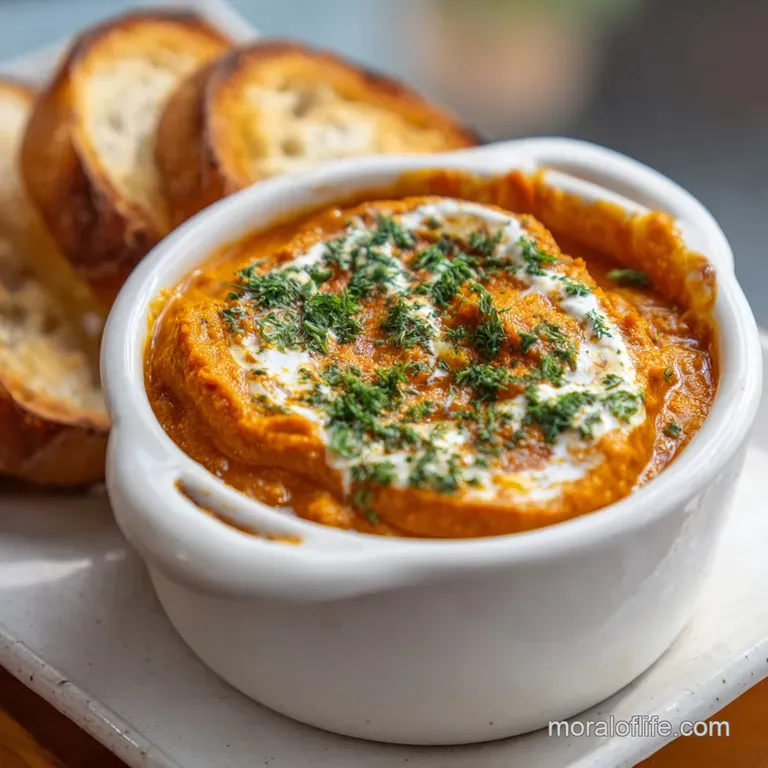
- Time: Active 35 minutes, Passive 20 minutes, Total 55 minutes
- Flavor/Texture Hook: Spices and buttery, velvety mash
- Perfect for: Weekend family gatherings or street food themed parties
- Join the Pav Bhaji Recipe Cooking Carnival
- Why This Works
- Component Analysis
- Selecting the Best Ingredients for Success
- Essential Kitchen Equipment for Smooth Cooking
- Mastering the Mash and Sizzle Process
- Avoiding Disasters with Smart Troubleshooting
- Scaling for Large Gatherings
- Creative Variations for Custom Flavor Profiles
- Kitchen Wisdom Debunked
- Storage Strategies and Zero Waste Tips
- Serving Ideas for the Complete Experience
- Recipe FAQs
- 📝 Recipe Card
Join the Pav Bhaji Recipe Cooking Carnival
The first time I stood in front of a street side stall in Mumbai, the sound was what hit me first. It wasn't just the chatter of the crowd, but the rhythmic thwack thwack thwack of a heavy metal masher against a giant, flat iron tawa.
A cloud of steam rose as the cook tossed a massive slab of butter onto a pile of sizzling spices, and suddenly, the air smelled like every comfort food I'd ever known rolled into one.
It felt less like dinner and more like a theatrical performance, a true Pav Bhaji Recipe Cooking Carnival that I knew I had to recreate in my own kitchen.
I spent months trying to get that specific "red" color without using those tiny bottles of food coloring. I tried more chili powder, which just made it too spicy for the kids, and I tried more tomatoes, which made it too sour. Then, a neighbor shared the secret: a single, humble beetroot.
It doesn't change the flavor, but it gives the dish that deep, ruby glow that makes it look like it came straight from a professional kitchen. It's these little tweaks, the ones born from messy stovetops and "oops" moments, that turn a standard meal into something dependable you'll want to make every Tuesday.
This dish is all about the contrast between the thick, spiced vegetable mash and the soft, buttery buns that "shatter" slightly on the outside when toasted just right. We're going to use simple, honest Pav Bhaji ingredients to build layers of flavor.
Don't worry about it being too complex; we've simplified the flow so you can focus on the fun part the smashing. It's a forgiving recipe that actually tastes even better the next day when the spices have had a chance to really get to know each other.
Why This Works
- Pectin Breakdown: Boiling the cauliflower and potatoes together until they are nearly falling apart allows the pectin to weaken, ensuring a completely smooth, velvety emulsion when mashed.
- Maillard Reaction: Sautéing the ginger garlic paste and onions until they reach a golden hue creates complex flavor compounds that bridge the gap between the sweet vegetables and the sharp spices.
- Starch Gelatinization: As the mashed potatoes cook in the buttery tomato base, the released starches absorb the fat and liquid, thickening the bhaji naturally without flour.
- The Spice Bloom: Adding the Pav Bhaji Masala to the hot butter (fat) rather than the water allows the fat soluble flavor compounds in the spices to "bloom," intensifying the aroma significantly.
Cook Method Comparison
| Method | Time | Texture | Best For |
|---|---|---|---|
| Traditional Tawa | 65 minutes | Chunkier, smoky charred edges | Authenticity purists |
| Pressure Cooker | 55 minutes | Velvety, uniform emulsion | Weeknight efficiency |
| Instant Pot | 50 minutes | Very soft, consistent mash | Hands off prep |
Pressure cooking the hard vegetables first is a non negotiable step for the home cook. It ensures that the cauliflower and beetroot lose their structural integrity, which is exactly what we want for that signature "street style" Pav Bhaji Recipe texture.
Component Analysis
| Ingredient | Science Role | Pro Secret |
|---|---|---|
| Potatoes (300g) | Primary thickener and starch provider | Use older potatoes for higher starch content |
| Beetroot (1 small) | Natural pigment and earthy base | Grate it ultra fine to ensure it melts away |
| Salted Butter | Fat carrier for spice aromatics | Add it in three stages for depth |
| Kashmiri Chili | Color and mild heat | Bloom in warm oil for the best red hue |
Selecting the Best Ingredients for Success
- 300g Potatoes: Peeled and cubed. Why this? They provide the creamy body that holds the spices together.
- Substitute: Yukon Gold potatoes for a naturally more buttery flavor.
- 150g Cauliflower florets: Cleaned well. Why this? Adds bulk and a subtle nutty sweetness without changing the texture.
- Substitute: Broccoflower or extra potatoes if cauliflower isn't your thing.
- 100g Green peas: Fresh or frozen. Why this? Provides little pops of sweetness and a hint of texture.
- Substitute: Frozen edamame for a higher protein twist.
- 1 small Beetroot: Peeled and diced. Why this? This is the secret to that iconic restaurant red color.
- Substitute: A tablespoon of tomato paste, though the color won't be as deep.
- 2 medium Tomatoes: Finely chopped. Why this? The acidity balances the heavy butter and starch.
- Substitute: Canned crushed tomatoes (about 1/2 cup) for a more consistent tang.
- 2.5 tbsp Pav Bhaji Masala: Your favorite brand. Why this? The core flavor profile of the entire dish.
- Substitute: A mix of garam masala, coriander powder, and amchur (mango powder).
- 8 soft Pav buns: Freshly baked if possible. Why this? Their airy crumb soaks up the butter perfectly.
- Substitute: Brioche buns or even the dough used in a standard Empanada Dough Recipe if you want a firmer bread experience.
Essential Kitchen Equipment for Smooth Cooking
For this Pav Bhaji Recipe Cooking Carnival, you don't need fancy gadgets, but a few specific tools make a world of difference. A standard pressure cooker (or Instant Pot) is your best friend here because it forces moisture into the heart of the potatoes and cauliflower, making them easy to pulverize.
You'll also need a heavy bottomed pan or a large cast iron skillet. The heavy base prevents the spices from scorching while you're busy mashing. Speaking of mashing, a sturdy stainless steel potato masher is essential.
If you don't have one, the bottom of a flat glass can work in a pinch, but a masher with small holes will give you that professional, silky finish we're after.
Mastering the Mash and Sizzle Process
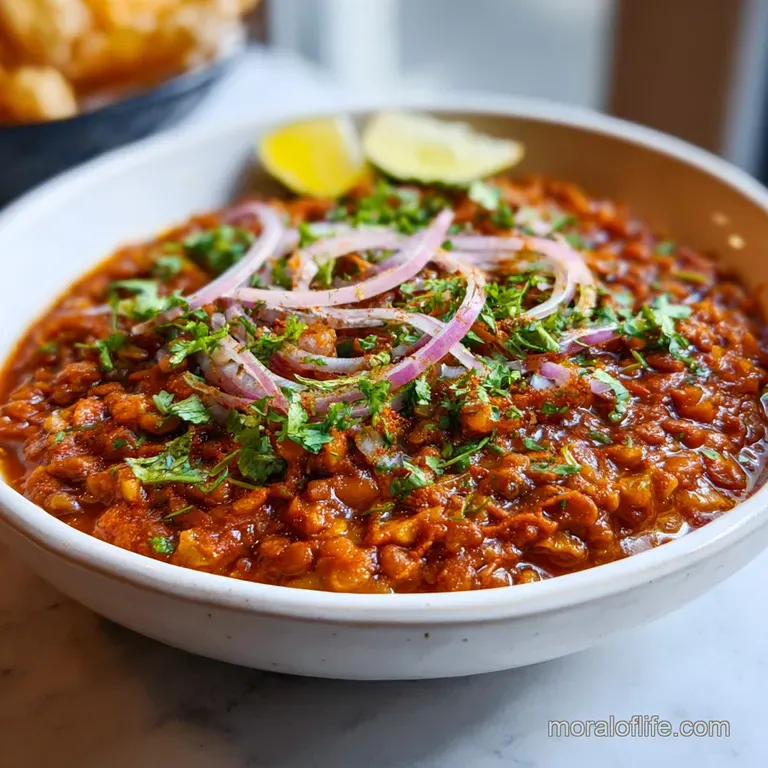
Phase 1: The Pressure Cooked Foundation
- Place the 300g potatoes, 150g cauliflower, 100g peas, and 1 small beetroot into your pressure cooker.
- Add 0.5 tsp salt and enough water to just cover the vegetables.
- Cook for about 3-4 whistles (or 10 minutes on high pressure) until the vegetables are soft enough to crush with a spoon. Note: Overcooking is better than undercooking here; we want zero resistance.
- Drain the excess water but save it in a bowl! This "veggie gold" is packed with flavor and we'll use it to adjust the consistency later.
- Use your masher to turn the boiled veggies into a smooth, thick paste while they are still steaming hot.
Phase 2: The Sizzling Flavor Base
- In a large pan, heat 1 tbsp neutral oil and 2 tbsp salted butter.
- Add the finely minced onion and sauté for 5 minutes until translucent and starting to turn golden.
- Stir in 1 tbsp ginger garlic paste and the diced green bell pepper. Cook for 3 minutes until the raw smell of the garlic vanishes.
- Add the chopped tomatoes and a pinch of salt. Cook until the tomatoes soften and the oil begins to separate at the edges. Note: This "oil separation" is a visual cue that the water has evaporated and the flavors are concentrated.
Phase 3: The Big Carnival Merge
- Lower the heat and add 2.5 tbsp Pav Bhaji Masala, 1 tbsp Kashmiri red chili powder, and the crushed Kasuri Methi.
- Add the mashed vegetable paste to the pan and mix thoroughly.
- Pour in some of the reserved cooking water and use the masher again yes, right in the pan to combine everything into a velvety gravy.
- Simmer for 10 minutes, adding more butter if you’re feeling indulgent, until the bhaji is thick and bubbling.
- Stir in the fresh cilantro and a squeeze of lemon juice for brightness.
Phase 4: Toasting the Pav
- Slice the 8 pav buns in half.
- Melt the remaining 2 tbsp butter on a griddle with a pinch of pav bhaji masala.
- Press the buns onto the griddle until the edges are golden and slightly crispy.
Avoiding Disasters with Smart Troubleshooting
The Science of Starch Emulsion
Sometimes, the bhaji can look "split," where the water separates from the vegetable solids. This usually happens if the vegetables weren't mashed while hot. When the starch is hot, it acts as a natural emulsifier.
If yours looks watery, simmer it uncovered and use the masher aggressively to release more starch, which will bind the liquid back into the mash.
Correcting a Bitter Aftertaste
If your bhaji tastes slightly bitter, it's often because the spices were scorched or the ginger garlic paste was over browned. A tiny pinch of sugar can help, but the real fix is adding a bit more butter and a splash of heavy cream. This coats the tongue and rounds out the sharp edges of the spices.
| Problem | Root Cause | Solution |
|---|---|---|
| Watery Bhaji | Too much reserved water added too quickly | Simmer uncovered and mash more to release starch |
| Dull Color | Beetroot was too small or omitted | Add a tsp of tomato paste or more Kashmiri chili |
| Grainy Texture | Cauliflower wasn't cooked long enough | Use an immersion blender briefly (but don't liquefy!) |
Common Mistakes Checklist
- ✓ Never mash vegetables cold; they become "gummy" rather than velvety.
- ✓ Don't skip the Kasuri Methi; it provides that "restaurant" aroma that spices alone can't achieve.
- ✓ Ensure the onions are finely minced; large chunks of onion ruin the smooth mouthfeel.
- ✓ Sauté the Pav Bhaji Masala on low heat to prevent the delicate spices from burning.
- ✓ Always toast the buns immediately before serving to keep them from getting soggy.
Scaling for Large Gatherings
Scaling Down (For 1-2 People)
When cutting this recipe in half, use a smaller pot to ensure the vegetables are covered by the water. You can reduce the cook time by about 5 minutes. Use a single small potato and a handful of cauliflower florets.
Since you can't easily use half a beetroot, just use a thin slice and save the rest for a salad.
Scaling Up (For a Crowd)
If you're making this for 8-10 people, double the ingredients but be careful with the salt and Pav Bhaji Masala. Spices don't always scale linearly; start with 1.5x the spice amount and taste before adding the rest.
You will likely need to work in a very large pot or two separate pans to ensure you have enough room to mash effectively.
Budget Selection Alternatives
| Premium | Budget | Flavor Impact | Savings |
|---|---|---|---|
| Fresh Garlic/Ginger | store-bought Paste | Slightly less "zing" but very convenient | Save $2-3 |
| Artisan Brioche | Standard Slider Buns | Less buttery, but still delicious when toasted | Save $4-5 |
| Fresh Green Peas | Frozen Peas | Virtually no difference in flavor | Save $2 |
Creative Variations for Custom Flavor Profiles
If you want to experiment, try a Hariyali Pav Bhaji Recipe. This "green" version replaces the tomatoes and red chilies with a vibrant paste of spinach, green chilies, and mint. It’s a refreshing take on the classic that feels a bit lighter but still packs a punch. If you love bold flavors, you might even enjoy the spice profile found in my Cajun Alfredo Sauce Recipe, which uses similar principles of blooming spices in fat.
For those looking for a healthier alternative, the low-fat Lifestyle Swap involves replacing half of the potatoes with boiled bottle gourd (lauki) or more cauliflower. While you lose some of that starchy "heaviness," the flavors of the masala are strong enough to carry the dish.
Just be sure to use at least a little butter at the end, as the fat is what carries the flavor of the spices to your palate.
Kitchen Wisdom Debunked
Many people believe that you need a massive iron tawa to get the right flavor. While the iron tawa helps with heat distribution, the real "street" flavor comes from the constant mashing and simmering of the vegetables in butter.
Your heavy bottomed stainless steel or cast iron pan will do the job perfectly as long as you don't rush the simmering stage.
Another myth is that Pav Bhaji must be incredibly spicy to be authentic. In reality, the "heat" in a good Pav Bhaji Recipe should be secondary to the tang of the tomatoes and the richness of the butter.
The Kashmiri red chili powder is used primarily for its brilliant color and mild, smoky flavor, not for a tongue burning heat.
Storage Strategies and Zero Waste Tips
- Fridge: Store the bhaji in an airtight container for up to 4 days. It actually thickens as it sits, so you may need to add a splash of water when reheating.
- Freezer: You can freeze the bhaji for up to 3 months. Avoid freezing the buns, as they tend to get dry. Thaw the bhaji overnight in the fridge before reheating on the stovetop.
- Zero Waste: If you have leftover bhaji, don't just throw it out! It makes a fantastic filling for grilled sandwiches or even a unique topping for a "Desi Pizza." You can also mix it into paratha dough for a flavorful, spiced flatbread the next morning.
Serving Ideas for the Complete Experience
To truly recreate the "Cooking Carnival" at home, serve the bhaji in a wide, shallow bowl. Place a generous pat of cold butter right in the center so it slowly melts into a golden pool. Garnish heavily with freshly chopped cilantro and serve with a side of finely diced raw onions and a wedge of lemon.
The crunch of the raw onion against the silky mash is essential.
While soft buns are traditional, if you're looking for a different kind of handheld carb to dip into the gravy, you could try serving it with a side of savory biscuits similar to those in my Red Lobster Biscuit recipe. The cheesy, garlicky notes of those biscuits actually complement the bhaji spices surprisingly well. Whatever you choose, make sure the bread is toasted until it's warm enough to melt even more butter on impact. Enjoy the carnival!
Recipe FAQs
What is the secret ingredient for achieving that vibrant, restaurant style red color in Pav Bhaji?
A small, grated beetroot is the key. This vegetable adds intense, natural pigmentation without altering the savory flavor profile of the spices.
How to ensure the bhaji texture is perfectly velvety and not watery?
Mash the potatoes and cauliflower immediately while they are steaming hot. The residual heat keeps the starches active, ensuring they form a natural, stable emulsion when mixed with the tomatoes and butter.
Is it true I must use a heavy iron Tawa to get authentic street food flavor?
No, this is a common misconception. While a Tawa is traditional, a heavy bottomed stainless steel or cast iron pan works fine; the crucial factor is the constant mashing and low-heat simmering of the spices in fat.
How to intensify the flavor of the spices before adding the vegetables?
Bloom the Pav Bhaji Masala by adding it to the hot butter and oil before the vegetables. This process dissolves the fat-soluble flavor compounds in the spices, significantly enhancing the overall aroma and depth.
Can I substitute tomatoes with something else if I want less acidity?
Yes, you can substitute with tomato paste, but be cautious. Use about half the volume of tomato paste as you would fresh tomatoes, and balance the flavor by adding a tiny pinch of sugar to counteract any lingering sharpness; this technique is similar to balancing acidity in a good Lemon Caper Sauce recipe.
How to prepare the Pav buns to maximize their buttery crispness?
Melt butter mixed with a pinch of masala on a griddle and press the cut side of the buns onto it. Toast until the edges are golden brown and slightly crisp, ensuring they are served immediately while hot.
What is the best way to handle the leftover cooked vegetables from the pressure cooker?
Reserve the cooking water before draining, as it contains concentrated vegetable essence. This "veggie gold" is vital for thinning the bhaji to the right consistency later, preventing flavor loss.
Pav Bhaji Carnival Recipe
Ingredients:
Instructions:
Nutrition Facts:
| Calories | 482 kcal |
|---|---|
| Protein | 11.2 g |
| Fat | 18.3 g |
| Carbs | 69.9 g |
| Fiber | 6.2 g |
| Sugar | 8.4 g |
| Sodium | 785 mg |
