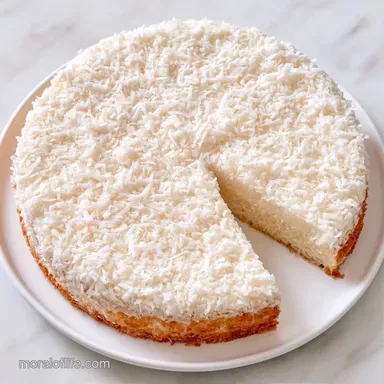
Coconut Coconut Milk Cake: Fluffy Sponge
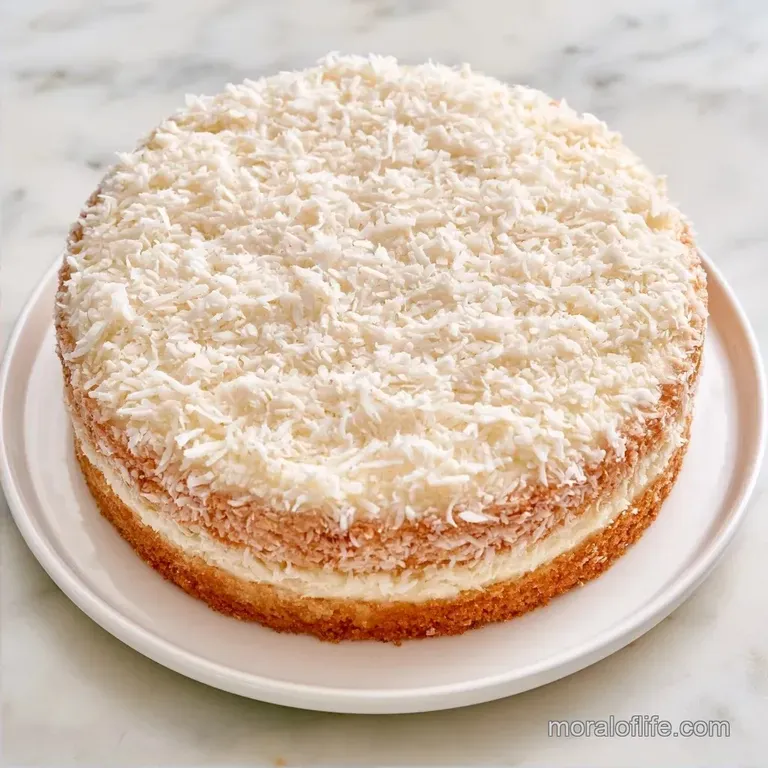
- Time:15 minutes active + 30 minutes bake + 75 minutes cooling
- Flavor/Texture Hook: Tropical, fluffy sponge with a snowy shredded coconut finish
- Perfect for: Summer family reunions or tropical themed birthday parties
The scent of toasted coconut always brings back memories of August birthdays at my aunt's house. I remember us crowding around the kitchen table, waiting for the cake to cool while the humidity made everything feel sticky. It was the one dessert that never felt too heavy, even in the peak of summer.
I've spent a lot of time ensuring this version doesn't become gummy. While coconut milk can often make a cake too dense, this one remains light. The result is a bright, clean coconut taste that tastes like real fruit, not a scented candle.
The key to this bake is balance. We use desiccated coconut in the batter for a sturdy structure and shredded coconut on the exterior for that iconic look. It's a crowd pleaser that looks sophisticated but relies on simple mixing techniques.
Why These Methods Work
- Room Temperature Eggs: These blend into the butter and sugar without curdling the fat. This keeps the sponge airy.
- Alternating Additions: Adding the flour and coconut milk in turns prevents the batter from separating. It ensures a smooth, consistent crumb.
- Desiccated vs Shredded: Using smaller desiccated flakes inside the cake prevents large clumps from weighing down the rise.
| Coconut Source | Bake Time | Texture | Best For |
|---|---|---|---|
| Full Fat Canned Milk | 30 minutes | Rich and tender | Classic flavor |
| Coconut Cream | 32 minutes | Denser, fudgy | Extra decadence |
| Coconut Extract only | 28 minutes | Lighter, airy | Subtle taste |
Tools You'll Need
Equipment needs are minimal for this recipe. You can use either a stand mixer or a handheld one with great results. Just ensure you have two 9 inch round cake pans and some parchment paper on hand. A rubber spatula is essential for folding in the flour to maintain the airiness of the batter.
Picking Your Ingredients
Set your ingredients out an hour before you begin. Using softened butter and room temperature eggs is essential; if the butter is too cold, it won't incorporate the air required for the cake to rise.
| Ingredient | Role | If You Don't Have It |
|---|---|---|
| Coconut Milk | Moisture and flavor | Evaporated milk + 1 tsp coconut extract |
| Desiccated Coconut | Internal texture | Finely pulsed shredded coconut |
| All Purpose Flour | Structure | 1:1 gluten-free baking flour |
| Baking Powder | Lift | 1/4 tsp baking soda + 1/2 tsp cream of tartar |
For the best results, opt for full fat canned coconut milk. The fat content is what creates the cake's characteristic mouthfeel.
| Original Ingredient | Substitute | Why It Works |
|---|---|---|
| Unsalted Butter | Neutral Oil (100ml) | Same fat level. Note: Cake will be moister but less fluffy |
| Granulated Sugar | Coconut Sugar | Similar sweetness. Note: Cake will be brown instead of white |
| Large Eggs | Flax Egg (3 tbsp) | Binding agent. Note: Heavier texture, less rise |
For the Coconut Sponge
Gather 250g all purpose flour, 10g baking powder, and 3g salt, then mix these with 100g desiccated coconut. For the wet ingredients, you will need 115g softened unsalted butter, 200g granulated sugar, 3 room temperature eggs, 240ml full fat coconut milk, and 5ml vanilla extract.
For the Coconut Milk Frosting
The frosting requires 115g softened unsalted butter and 360g powdered sugar. Stir in 30ml coconut milk and 5ml coconut extract for flavor. Complete the cake with 150g shredded coconut for the outer coating.
Quick Recipe Details
- Prep time: 15 minutes
- Bake time: 30 minutes
- Total time: 120 minutes
- Yield: 12 servings
- Oven Temp: 175°C (350°F)
Baking the Cake
Phase 1: Preparing the Batter
- Preheat oven to 175°C (350°F). Butter two 9 inch pans and line the bottoms with parchment paper.
- In a medium bowl, whisk together 250g flour, 10g baking powder, 3g salt, and 100g desiccated coconut.
- Cream 115g softened butter and 200g sugar on medium high for 3 minutes until the mixture is light and fluffy.
- Beat in 3 eggs individually, then mix in 5ml vanilla extract. Note: Adding eggs slowly prevents the batter from breaking.
Phase 2: Integrating the Coconut Milk
- Switch the mixer to low and slowly pour in 240ml coconut milk, mixing until just incorporated.
- Incorporate the dry flour mixture in three additions, alternating with any remaining milk. Mix until just a few flour streaks remain. Note: Stop mixing early to avoid a tough cake.
Phase 3: Baking to Perfection
- Pour the batter evenly between the two pans.
- Bake for 28-32 minutes until a toothpick inserted comes out clean.
- Let the cakes cool in the pans for 10 minutes before transferring them to a cooling rack.
Phase 4: Frosting and Finishing
- Beat 115g butter and 360g powdered sugar. Stir in 30ml coconut milk and 5ml coconut extract.
- Whip until the frosting is smooth and forms a peak.
- Spread frosting on top of one layer, place the second layer on top, and cover the entire cake.
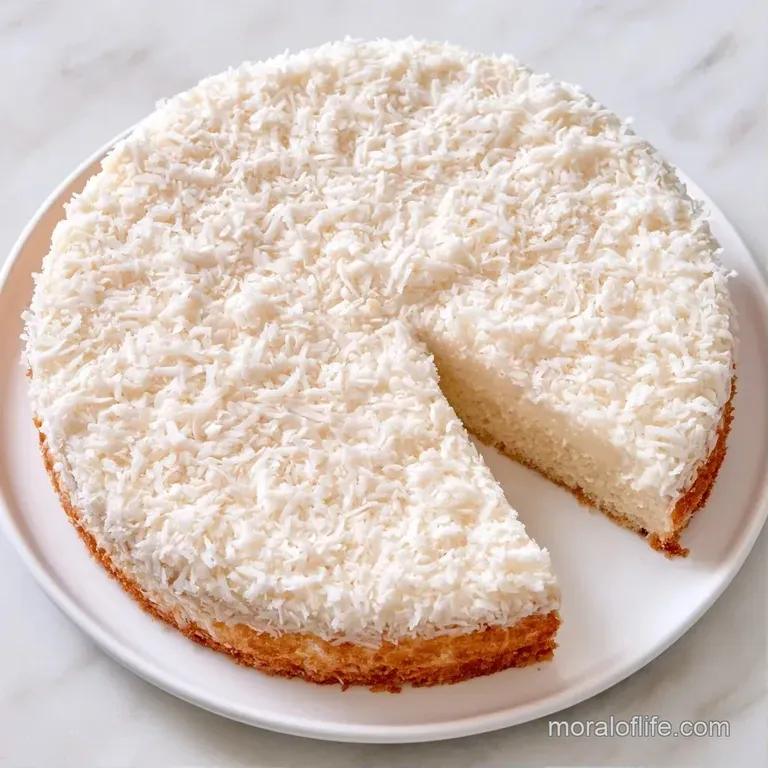
- Press 150g shredded coconut into the sides and top of the cake.
Fixing Common Issues
A dense cake usually happens if you overmix the batter. Once flour is introduced, gluten builds up, and too much agitation creates a rubbery crumb. For a lighter result, use a spatula to stir in the final streaks of flour.
Your frosting might separate if the butter is too cold or the coconut milk is added too rapidly. If it looks curdled, whip it on high speed for an additional 2 minutes to emulsify it.
Avoiding Sunk Centers
Sunk centers are typically caused by letting out the heat too soon or using old baking powder. Ensure your leavening agents are current.
Smoothing Grainy Frosting
This is usually caused by unsifted powdered sugar. Use a fine mesh strainer for a smoother finish.
| Problem | Fix |
|---|---|
| Dense/Rubbery Cake | Stop mixing as soon as flour streaks vanish |
| Curdled Frosting | Beat on high for 2 more minutes |
| Cake Sticks to Pan | Use parchment paper circles on the bottom |
| Frosting too Runny | Add 2 tbsp more powdered sugar |
Baking Myths
You don't always need to sift the flour for this recipe. Although some claim it is essential for a light texture, whisking the dry components thoroughly achieves the same result.
There is a common misconception that butter and sugar must be creamed for 10 minutes. In reality, 3 minutes is plenty of time to beat in enough air. Over mixing at this stage can actually lead to the cake sinking in the oven.
Keeping Cake Fresh
Store this cake in a cake carrier or under a large bowl at room temperature for 2 days. If your kitchen is hot, keep it in the fridge for up to 5 days. To keep it from drying out, wrap the individual slices in foil.
For long term storage, you can freeze the layers without frosting. Wrap them tightly in plastic wrap and foil for up to 3 months. Let them thaw in the fridge overnight before frosting. If you're looking for other easy treats to store, my chocolate cupcakes recipe has similar storage rules.
To avoid waste, don't toss the leftover coconut milk in the can. Pour it into an ice cube tray and freeze it. You can drop those cubes into your morning coffee or a smoothie for a creamy boost.
New Flavor Ideas
For a zesty twist, add the zest of one lime to the batter. The acidity cuts through the richness of the coconut milk. You can also swap the shredded coconut on the outside for toasted coconut flakes for a nuttier taste.
If you want something more fruity, slice some fresh mangoes and place them between the layers. It turns this into a tropical feast. For another bright flavor, you might enjoy my lemon sugar cookies as a side treat.
- For a firmer set
- Chill the cake for 1 hour before frosting.
- For a nuttier flavor
- Toast the desiccated coconut in a pan for 3 minutes.
- For less sweetness
- Reduce powdered sugar to 300g.
Serving Suggestions
This Coconut Coconut Milk Cake Recipe looks great on a white platter. I like to garnish the top with fresh raspberries or blueberries. The deep red and blue pop against the snowy white coconut.
Serve each slice with a dollop of whipped cream or a side of fresh pineapple chunks. A cup of strong black coffee or a cold glass of iced tea balances the sweetness of the frosting. Since it's a rich cake, a small slice is usually plenty.
Recipe FAQs
What common mistakes lead to a gummy coconut cake?
Overmixing the batter after adding the flour is the main culprit.
Tip: Stop mixing as soon as you see a few streaks of flour remain.
Is it true that coconut milk cannot replace dairy milk in standard cake recipes?
False. Coconut milk provides a richer fat content that often improves the overall moisture level.
Tip: If you enjoyed controlling moisture here, see how we use similar fat ratios in our heavy cream pasta.
How do I achieve an old-fashioned texture with this recipe?
Beat the butter and sugar on medium high speed for exactly 3 minutes until pale and fluffy.
Tip: Use desiccated coconut inside the sponge to mimic that classic fine crumb.
Can I use shredded coconut instead of desiccated coconut in the batter?
Shredded coconut is too heavy and can cause the sponge to collapse.
Tip: Reserve the shredded coconut exclusively for the frosting.
Why is room temperature butter and eggs necessary for this cake?
These temperatures ensure the fats emulsify without curdling the batter.
Tip: Place cold eggs in warm water for 5 minutes to speed up the process.
Does this recipe count as a simple coconut cake?
This is a straightforward bake using basic mixing methods and common pantry staples.
Tip: Line your pans with parchment paper to ensure the cakes release cleanly.
How to prevent the batter from splitting during mixing?
Pour the coconut milk in gradually while the mixer is on low speed.
Tip: Alternate adding the flour mixture and the milk in three separate stages.
Which type of coconut milk works best for a rich crumb?
Full fat canned coconut milk produces the most tender and decadent result.
Tip: Shake the can well before measuring to fully incorporate the cream.
Coconut Coconut Milk Cake