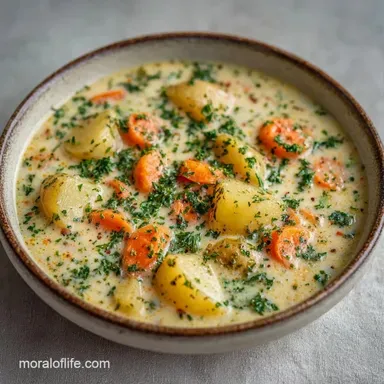
Creamy Seafood Chowder: Rich and Hearty

- Time: 10 min active + 20 min cook
- Flavor/Texture Hook: Velvety broth with tender, flaky fish
- Perfect for: Rainy weeknights or cozy family dinners
- Why This Seafood Chowder Actually Works
- Component Analysis
- The Best Ingredients for Seafood Chowder
- Tools for a Better Seafood Chowder
- Step-by-Step Seafood Chowder Method
- Fixing Your Seafood Chowder Mistakes
- Troubleshooting Common Issues
- Different Ways to Enjoy Seafood Chowder
- Adjusting Your Batch Size
- Common Kitchen Myths
- Keeping Your Seafood Chowder Fresh
- Best Ways to Plate Seafood Chowder
- Critical Sodium Level
- Recipe FAQs
- 📝 Recipe Card
The smell of butter sizzling with diced onions and carrots is one of my favorite things. But for a long time, my seafood soups were a disaster. I used to throw everything in the pot at once, thinking a long simmer would make the flavors merge.
Instead, I ended up with shrimp that had the texture of rubber bands and fish that had completely disintegrated into mush.
It's a common trap. Most people think a hearty soup needs a long boil, but when you're working with delicate proteins, that's the fastest way to ruin your dinner. I spent a few months playing with the timing, moving the seafood additions later and later into the process.
This version of Seafood Chowder is the result of those mistakes. We build the flavor in layers, starting with the aromatics and potatoes, and only adding the seafood at the very end. The result is a velvety broth and seafood that actually melts in your mouth.
Why This Seafood Chowder Actually Works
The real trick here isn't a secret ingredient, but the order of operations. Most Seafood Chowder recipes fail because they overcook the proteins.
Staggered Poaching: Adding seafood in the final 5 minutes prevents the proteins from tightening and becoming rubbery. This keeps the scallops plump and the fish flaky.
Natural Thickeners: We rely on the starch from gold potatoes to give the broth body. This means we don't need a heavy flour roux, which keeps the briny flavor of the seafood front and center.
Acid Balancing: A splash of lemon juice at the end cuts through the richness of the half and half. This brightens the whole Seafood Chowder and stops it from feeling too heavy.
Temperature Control: Keeping the dairy at a simmer rather than a boil prevents the proteins in the cream from separating. This ensures the texture stays silky and smooth.
| Approach | Prep Time | Seafood Texture | Flavor Depth |
|---|---|---|---|
| Fresh Base | 15 mins | Tender/Plump | High (Briny) |
| Shortcut | 5 mins | Varies | Moderate (Salty) |
Component Analysis
Understanding how these ingredients interact helps you tweak the recipe without breaking it. For this Seafood Chowder, every part of the base serves a purpose.
| Ingredient | Science Role | Pro Secret |
|---|---|---|
| Gold Potatoes | Starch Release | Cut them small (1/2 inch) so they cook fast without turning to mush |
| Clam Juice | Umami Base | Use low sodium to control the salt level as it reduces |
| Half and Half | Emulsion | Stir in on medium low heat to avoid curdling |
| Smoked Paprika | Flavor Bridge | A tiny pinch adds a "grilled" note that mimics a seafood boil |
The Best Ingredients for Seafood Chowder
I've found that using specific varieties of vegetables makes a huge difference in how the broth feels. For the potatoes, stick to Yukon Gold; they hold their shape better than Russets but still release enough starch to thicken the Seafood Chowder naturally.
The Essentials
- 2 tbsp unsalted butterWhy this? Adds richness and helps sauté aromatics evenly
- 1 medium yellow onion, finely diced
- 2 medium carrots, diced small
- 2 stalks celery, diced small
- 3 cloves garlic, minced
- 2 cups gold potatoes, peeled and cubed into 1/2 inch piecesWhy this? Natural thickness without using flour
- 3 cups low sodium clam juiceWhy this? Concentrated seafood flavor base
- 1 tsp dried thyme
- 1/2 tsp smoked paprika
- 1 lb firm white fish (cod or halibut), cut into 1 inch chunksWhy this? Won't fall apart during poaching
- 1/2 lb raw shrimp, peeled and deveined
- 1/2 lb bay scallops
- 1 1/2 cups half and halfWhy this? Balanced creaminess that doesn't mask the fish
- 1 tbsp fresh lemon juice
- 2 tbsp fresh parsley, chopped
Quick Substitutions
| Original Ingredient | Substitute | Why It Works |
|---|---|---|
| Half and Half | Heavy Cream + Milk (equal parts) | Similar fat content. Note: Heavy cream makes it thicker |
| Cod/Halibut | Salmon or Sea Bass | Similar firmness. Note: Salmon adds a stronger, oilier flavor |
| Clam Juice | Fish Stock | Similar briny notes. Note: Use homemade fish stock for best results |
| Gold Potatoes | Parsnips or Turnips | Root vegetable bulk. Note: Less starch, so broth will be thinner |
Tools for a Better Seafood Chowder
You don't need a professional kitchen for this, but a few specific tools make the process smoother. I always use a large Dutch oven. The heavy bottom distributes heat evenly, which is vital when you're simmering dairy to prevent those annoying burnt bits at the bottom of the pot.
A sharp chef's knife is non negotiable here. You want your onion, carrots, and celery to be a uniform "small dice." If the pieces are different sizes, some will be mushy while others are still raw, which ruins the consistency of the Seafood Chowder.
Finally, have a slotted spoon handy. When you're folding in the scallops and shrimp, you want to be gentle. A slotted spoon lets you move the ingredients without stirring too aggressively, which prevents the fish chunks from breaking.
Step-by-step Seafood Chowder Method
Let's get into it. The goal here is a gentle simmer. If the pot starts boiling violently, turn it down immediately.
Melt butter over medium heat in a large Dutch oven. Add the onion, carrots, and celery, stirring frequently for 4–5 minutes until the onions are translucent and smelling sweet. Note: Don't brown the veg; we want a clean, creamy base
Add the garlic and cook for 1 minute until you smell that sharp, nutty aroma.
Pour in the clam juice and add the cubed potatoes, thyme, and smoked paprika. Bring to a gentle boil, then reduce heat to a simmer. Cover and cook for 8–10 minutes until potatoes are fork tender.
Lower the heat to medium low. This is the critical window for your Seafood Chowder. Stir in the half and half slowly.
Gently fold in the fish, shrimp, and scallops. Simmer for 3–5 minutes until the fish is opaque and shrimp are pale pink. Note: Do not let the broth reach a rolling boil here or the dairy may split
Remove the pot from the heat completely.
Stir in the fresh lemon juice and chopped parsley. The aroma should shift from heavy and creamy to bright and citrusy.
Season with salt and black pepper to taste. Give it one final, gentle stir.
Chef's Tip: If you have extra shrimp shells, don't toss them! Simmer them in the clam juice for 10 minutes before starting the recipe to deepen the Seafood Chowder's briny profile.
Fixing Your Seafood Chowder Mistakes
Even with a plan, things happen. The most common issue is the texture of the seafood. If you've ever had a bite of shrimp that felt like a pencil eraser, you've overcooked it.
Troubleshooting Common Issues

| Issue | Solution |
|---|---|
| Why Your Seafood is Rubbery | This happens when the pot is too hot or the seafood stays in too long. Once shrimp turn pink and fish becomes opaque, they are done. Carryover cooking will finish them as the pot cools. |
| Why the Dairy Curdled | If the broth boils after you add the half and half, the fats and proteins can separate. This creates a grainy look. To prevent this, always drop the heat to medium low before adding cream. |
| Why the Broth is Too Thin | If your potatoes weren't starchy enough or you added too much liquid, the Seafood Chowder might feel watery. |
Common Mistakes Checklist
- ✓ Did you dice the potatoes into 1/2 inch pieces? (Too large and they won't cook in time)
- ✓ Is the heat on medium low before adding the cream? (Prevents curdling)
- ✓ Did you wait until the end to add the seafood? (Prevents rubbery texture)
- ✓ Did you remove the pot from the heat before adding lemon? (Prevents acid from curdling dairy)
- ✓ Are the shrimp just barely pink? (Overcooking happens in seconds)
Different Ways to Enjoy Seafood Chowder
Once you've got the base down, you can play with the ingredients. If you want a leaner version, you can swap the half and half for whole milk and a tablespoon of cornstarch slurry, though you'll lose some of that velvety mouthfeel.
For those who love a kick, add a pinch of cayenne pepper or a dash of hot sauce right before serving. This balances the creaminess and adds a layer of heat that pairs well with the smoked paprika. If you have a shellfish allergy, you can use a variety of firm white fish and swap the clam juice for a mild vegetable broth.
If you're in the mood for something even more indulgent, this pairs brilliantly with a side of crusty sourdough bread. If you're planning a bigger party, you might want to try a seafood boil for the main event and serve a smaller portion of this Seafood Chowder as a starter.
Flavor Twists
- Corn & Bacon: Add 1 cup of corn kernels and 1/2 cup of fried bacon bits for a New England vibe.
- Saffron Infusion: Steep a pinch of saffron in the clam juice for a golden color and earthy taste.
- Old Bay Twist: Replace the thyme and paprika with a tablespoon of Old Bay seasoning for a classic coastal flavor.
Diet Swaps
- dairy-free: Use full fat coconut milk. It's thicker and adds a slight tropical note to the Seafood Chowder.
- Low Carb: Replace potatoes with diced cauliflower. Note: You'll need a splash of heavy cream to maintain the thickness.
Adjusting Your Batch Size
Scaling a Seafood Chowder isn't always a straight multiplication game. Liquids and spices behave differently as the volume increases.
Scaling Down (Half Batch) Use a smaller 3 quart pot. Reduce the cooking time for the potatoes by about 20% because the smaller volume of liquid reaches a simmer faster. For the garlic, use 2 cloves instead of 3 to keep the flavor from becoming too pungent.
Scaling Up (Double or Triple Batch) Don't just double the salt and spices; start at 1.5x and taste as you go. When doubling the Seafood Chowder, you may need to reduce the clam juice by about 10% because less liquid evaporates from a larger, deeper pot.
Work in batches when sautéing the vegetables if your pot isn't wide enough, otherwise, they'll steam instead of sauté.
| Batch Size | Pot Size | Liquid Adj. | Spice Adj. |
|---|---|---|---|
| 1/2 Batch | 3 Quart | Exact | Slightly Less |
| 2x Batch | 6-8 Quart | -10% Liquid | 1.5x Spices |
| 3x Batch | 10+ Quart | -15% Liquid | 1.75x Spices |
Common Kitchen Myths
There are a few things people tell you about seafood soups that just aren't true. Let's clear those up.
The Searing Myth: Some people say you must sear your fish and shrimp in a pan before adding them to the Seafood Chowder to "lock in juices." This is a myth. Searing actually cooks the proteins, and adding them to a simmering broth later just overcooks them.
Poaching them directly in the liquid keeps them tender.
The Heavy Cream Only Myth: You'll see recipes that call for only heavy cream. While it's thick, it can often mask the delicate taste of the scallops and fish. Half and half provides the right balance of richness and lightness, allowing the briny notes of the Seafood Chowder to shine.
Keeping Your Seafood Chowder Fresh
Seafood doesn't love to sit around, so storage is key. I recommend keeping your Seafood Chowder in an airtight glass container in the fridge for up to 2 days. Any longer and the seafood can start to lose its texture and the cream might separate.
Freezing Guidelines Honestly, I don't recommend freezing this specific recipe. The half and half and the potatoes don't freeze well. The cream often breaks upon thawing, and the potatoes can become grainy.
If you must freeze it, omit the dairy and seafood, freeze the vegetable and clam juice base, and then add the fresh seafood and cream when you reheat it.
Zero Waste Tips If you're peeling your own shrimp or cleaning scallops, save the shells. Simmer the shells with a bit of water and a bay leaf for 20 minutes to make a quick stock. You can use this stock to thin out the Seafood Chowder if it thickens too much in the fridge.
Best Ways to Plate Seafood Chowder
Presentation is everything when you're serving something as homey as this. I love using wide, shallow bowls. This prevents the Seafood Chowder from cooling down too quickly and gives you plenty of room for garnishes.
Start with a generous ladle of soup, making sure every bowl gets a fair share of fish, shrimp, and scallops. Top it with a sprinkle of fresh parsley and a tiny pinch of smoked paprika for a pop of color.
Serve it with a side of toasted sourdough or a piece of rye bread slathered in salted butter. The crunch of the toast against the velvety texture of the Seafood Chowder is a winning combination.
For an extra touch, add a wedge of lemon on the side of the plate so guests can add a final hit of acidity if they prefer it brighter.
This dish is all about comfort. Whether it's a cold winter night or a rainy afternoon, a bowl of this creamy Seafood Chowder is exactly what you need to feel warm and full. Just remember: keep that heat low, and don't overcook your seafood!
Critical Sodium Level
1350 mg 1,350 mg of sodium per serving (59% 59% of daily value)
The American Heart Association recommends a daily limit of 2,300 mg of sodium to lower the risk of heart disease and hypertension.
Personalized Sodium Reduction Tips
-
Dilute Clam Juice-30%
Replace half of the low-sodium clam juice with water or a homemade unsalted fish stock to drastically reduce the primary sodium source.
-
Increase Acidity-15%
Add an extra tablespoon of fresh lemon juice to brighten the flavor, which tricks the palate into needing less salt.
-
Boost Aromatics-10%
Increase the amount of minced garlic and diced onion to provide a more robust flavor base without adding milligrams of sodium.
-
Expand Herb Usage
Increase the quantity of fresh parsley and dried thyme to add earthy complexity and depth to the seafood stew.
Recipe FAQs
Can I freeze this chowder?
No, avoid freezing it. The half-and-half and potatoes often separate or become grainy upon thawing.
How to make seafood chowder at home?
Sauté onion, carrots, and celery in butter until translucent. Simmer these with clam juice and gold potatoes before stirring in half-and-half and seafood.
Why is my seafood rubbery?
The heat was too high or the seafood cooked too long. Remove the pot from heat as soon as shrimp turn pink and fish becomes opaque.
Is it true that the broth must boil after adding the half-and-half to thicken?
No, this is a common misconception. Boiling the broth after adding dairy can cause the fats and proteins to separate, creating a grainy texture.
How to prevent the dairy from curdling?
Drop the heat to medium-low before stirring in the half-and-half. This prevents the broth from reaching a rolling boil.
How can you make different types of seafood chowder?
Swap the cod for halibut or adjust the ratios of shrimp and scallops. For a different variation, see how we balance ingredients in our creamy and silky version.
Why is the broth too thin?
The potatoes may not have been starchy enough. Simmer gold potatoes until they are fork-tender to naturally thicken the base.
Seafood Chowder in 30 Minutes