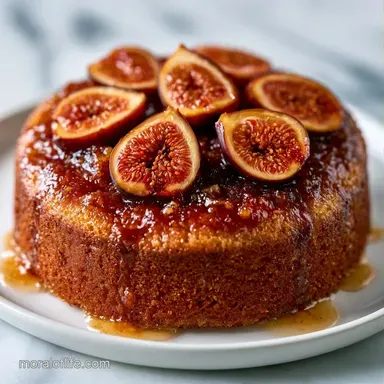
Tender Fig Cake Recipe with Fresh Figs
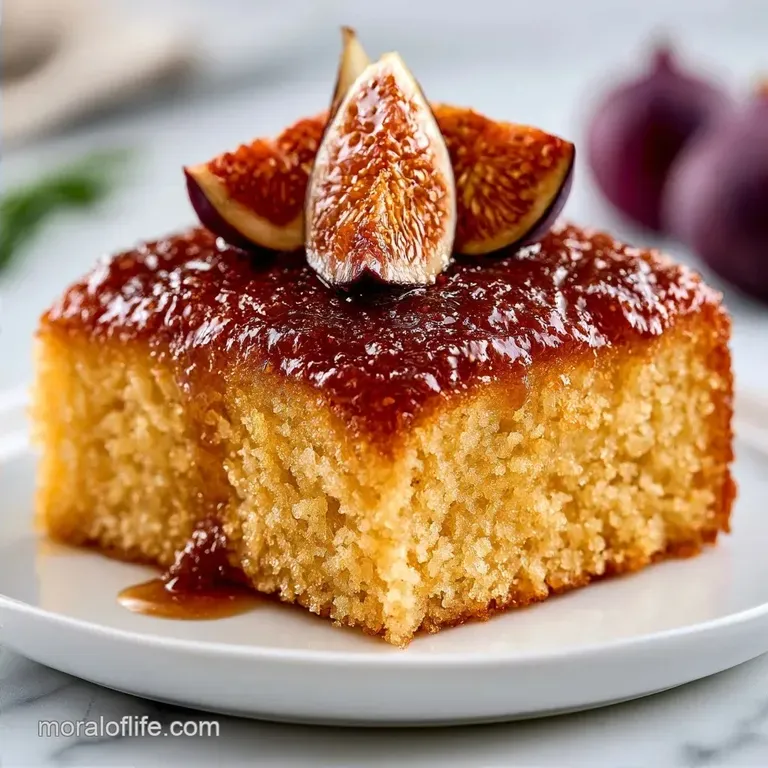
- Time: 15 min active + 45 min bake
- Flavor/Texture Hook: Jammy fruit bursts with a tender, golden crumb
- Perfect for: Afternoon tea or a cozy weekend brunch
The smell of warm cinnamon and roasting fruit always takes me back to my first attempt at this. I remember the frustration of pulling a cake out of the oven only to find all my expensive figs had migrated to the bottom, creating a soggy, purple layer while the top was just plain sponge. It was a mess.
But after a bit of tinkering, I found the fix. This Fig Cake Recipe with Fresh Figs isn't about fancy techniques, it's about a few simple adjustments to how you handle the fruit and the batter.
You can expect a cake that feels substantial but isn't heavy. It's got that home style charm where the fruit does the heavy lifting, and the cake provides a buttery, comforting base.
Fig Cake Recipe with Fresh Figs
Flour Coating: Dusting the figs in flour gives the batter something to grip, so they stay suspended instead of sinking.
Room Temp Ingredients: Using warm milk and eggs prevents the butter from curdling, which keeps the crumb tender and even.
| Method | Time | Texture | Best For |
|---|---|---|---|
| Oven | 45 mins | Golden crust, springy crumb | Classic presentation |
| Stovetop (Steamed) | 60 mins | Dense, moist, no crust | Pudding style dessert |
Right then, let's talk about the ingredients.
The Right Stuff
The figs are the star here. I prefer the black mission variety because they hold their shape better, but any fresh fig works. The lemon juice is key because it cuts through the sugar and keeps the fruit from tasting too "flat."
I use light brown sugar instead of white because it adds a slight molasses note that pairs well with the earthiness of the fruit. For the fat, unsalted butter is a must so you can control the salt level yourself.
Ingredients and Swaps
- 1 ½ cups (225g) fresh figs, quartered Purpose: Gives the dish its jammy texture (Substitute: Dried figs soaked in warm water)
- 1 tbsp (15ml) lemon juice Purpose: Enhances the fruit's brightness (Substitute: Apple cider vinegar)
- 1 tbsp (8g) all purpose flour Purpose: Keeps fruit from sinking to the bottom (Substitute: Cornstarch)
- ½ tsp (1g) ground cinnamon Purpose: Adds a touch of warmth (Substitute: Nutmeg)
- ½ cup (115g) unsalted butter, softened Purpose: Produces a tender crumb (Substitute: Neutral oil)
- ¾ cup (150g) light brown sugar, packed Purpose: Provides moisture and depth (Substitute: Coconut sugar)
- 2 large (100g) eggs, room temperature Purpose: Binds the batter together (Substitute: 2 flax eggs)
- 1 tsp (5ml) vanilla extract Purpose: A classic aromatic foundation (Substitute: Almond extract)
- 2 cups (250g) all purpose flour Purpose: Builds the cake's structure (Substitute: 1:1 gluten-free blend)
- 1 ½ tsp (7g) baking powder Purpose: Promotes a good rise (Substitute: Baking soda + cream of tartar)
- ½ tsp (3g) salt Purpose: Balances the overall sweetness (Substitute: Sea salt)
- ¾ cup (180ml) whole milk, room temperature Purpose: Increases the richness (Substitute: Buttermilk)
Gear You'll Need
No professional equipment is required, though certain tools simplify the process. An electric hand mixer is ideal for beating the butter and sugar until they are pale and fluffy. I recommend a 9 inch round springform pan to make removing the cake much safer.
Also, remember to use a piece of parchment paper. Fruit cakes can be stubborn even in greased pans, and the paper guarantees the bottom won't stick.
Putting It All Together
- Preheat your oven to 350°F (175°C). Lightly grease a 9-inch round cake pan and place parchment paper at the bottom.
- In a small bowl, combine the quartered figs, lemon juice, and cinnamon. Just before mixing the batter, stir in 1 tablespoon of flour until the fruit is evenly coated.
- Use a mixer to cream the softened butter and brown sugar. Beat them until the mixture is pale and fluffy.
- Mix in the eggs individually, ensuring each is fully incorporated before adding the next, then stir in the vanilla extract.
- In another bowl, whisk together the flour, baking powder, and salt.
- Gradually add the flour mixture to the butter mixture, alternating with the milk. Begin and end with the dry ingredients and mix until just combined. Note: Stop as soon as the flour disappears to avoid a tough cake.
- Use a spatula to gently fold half of the floured figs into the batter.
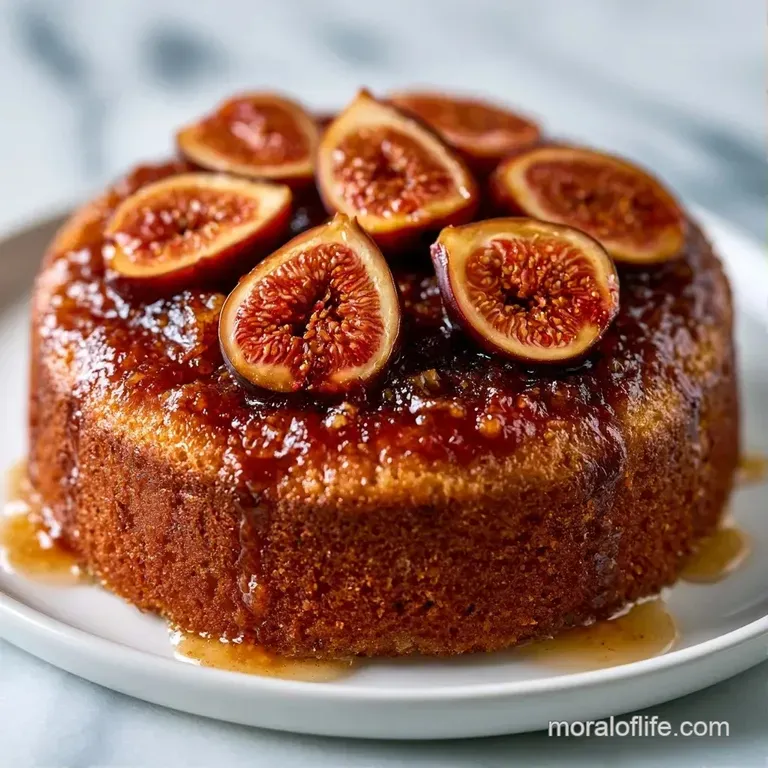
- Transfer the batter to the prepared pan and press the remaining figs lightly into the top.
- Bake for 45 minutes until the edges brown and a toothpick comes out clean.
Fixes for Common Issues
Fixing a Dense Crumb
If your cake feels more like a biscuit than a sponge, you likely overmixed the batter. Once the flour hits the wet ingredients, gluten starts to form. If you mix too long, that gluten gets too strong. Next time, stir until the streaks of flour are just gone.
Stopping the Fig Sink
If your fruit still ends up at the bottom, check your batter consistency. If the batter is too thin, it can't support the weight of the figs. Ensure your flour measurement is accurate (spoon and level) and that the figs are well coated in flour before folding.
Preventing Over Browning
Fresh figs have a lot of natural sugar, which can caramelize quickly. If the top is getting too dark but the center is still wobbly, loosely tent the pan with aluminum foil for the last 15 minutes.
Swaps and Scaling
For a more aromatic twist, stir a dash of ground ginger or cardamom into the flour. To make it even more indulgent, try topping it with a drizzle of honey or a scoop of mascarpone. If you love fruit-filled desserts, you might also enjoy the rich flavors of my Dulce De Leche cake.
Scaling the Recipe:
- Small Batch (½ size): Use a 6 inch pan. Whisk one egg in a cup and use half of the liquid. Decrease baking time by roughly 20%.
- Large Batch (2x size): Use two 9 inch pans. Set the oven to 325°F (160°C) and bake for an extra 5-10 minutes to ensure the middle is fully cooked.
- Flavor Boost? → mix in 1 tsp orange zest.
- Nutty Crunch? → stir in ½ cup chopped walnuts.
- Extra Moisture? → use sour cream instead of milk.
Keep It Fresh
Keep the cake at room temperature for 2 days under a cloth or in a cake dome. For longer storage, wrap it securely in plastic and store it in the refrigerator for 5 days. I suggest letting it rest for 20 minutes before serving so the butter can soften.
Individual slices can be frozen for 3 months if wrapped separately in foil. To warm them up, microwave a piece for 15 seconds or use the oven at 300°F for 5 minutes.
To reduce waste, don't throw away the fig stems. If you have plenty, simmer them with water and sugar to create a light, earthy syrup for pancakes. To make use of more seasonal fruit, my Strawberry Cake recipe is another wonderful option for clearing out your produce drawer.
How to Serve It
You can easily adjust the presentation of this dessert to suit your guests. The cake's deep mahogany hue creates a striking contrast when served on white dinnerware.
- Simple
- Enjoy a plain piece paired with black coffee or a chilled glass of milk.
- Polished
- Add a light dusting of powdered sugar and a handful of fresh raspberries on the side.
- Restaurant
- Set a slice on a plate with a dollop of crème fraîche or Greek yogurt, then finish with a drizzle of maple syrup and a fresh mint leaf.
| Plating Level | Topping | Side | Vibe |
|---|---|---|---|
| Simple | None | Coffee | Homey |
| Polished | Powdered Sugar | Berries | Brunch |
| Restaurant | Crème Fraîche | Mint Leaf | Fancy |
This Homemade Fig Cake with Fresh Figs is a wonderful treat that feels elegant without being stressful to make. As long as you remember the flour coating, you'll end up with a jammy, tender slice that everyone will love. Don't skip the lemon juice, it's the key to brightening all the flavors.
Recipe FAQs
How to keep figs from sinking to the bottom?
Dust quartered figs with flour before folding them into the batter.
Tip: Toss them with cinnamon and lemon juice first to enhance the fruit flavor.
Can I substitute dried figs for fresh ones?
Soak dried figs in warm water or juice first to soften their texture.
Tip: If you enjoy the balance of fruit and cream, see how we use a similar profile in our strawberry cheesecake cookies.
Do I really need room temperature eggs for the batter?
This one's false: Room temperature eggs prevent the butter from curdling for a smoother crumb.
Tip: Place cold eggs in a bowl of warm water for five minutes to heat them quickly.
What's the best way to check for doneness?
Insert a toothpick into the center and remove it once it comes out clean.
Tip: Begin checking at 40 minutes to ensure the cake stays moist.
Will the cake fail if I cream the butter by hand?
False. A sturdy whisk or fork works, though it requires more effort to reach a fluffy consistency.
Tip: Make sure the butter is fully softened to reduce mixing time.
Which basic ingredients make this beginner-friendly?
The recipe relies on simple pantry staples like all-purpose flour, brown sugar, and whole milk.
Tip: Use a springform pan for an easier release when serving.
Fig Cake Recipe with Fresh Figs for 12